

W: Howard longshaw
The Parsons MFA Fashion Design and Society show—specifically its landmark Generation Six showcase—redefined the graduate runway as a site of radical introspection. Moving beyond mere aesthetics, this cohort utilized the garment as a vessel for complex cultural and personal narratives, solidifying the program’s reputation for producing industry-shifting talent.
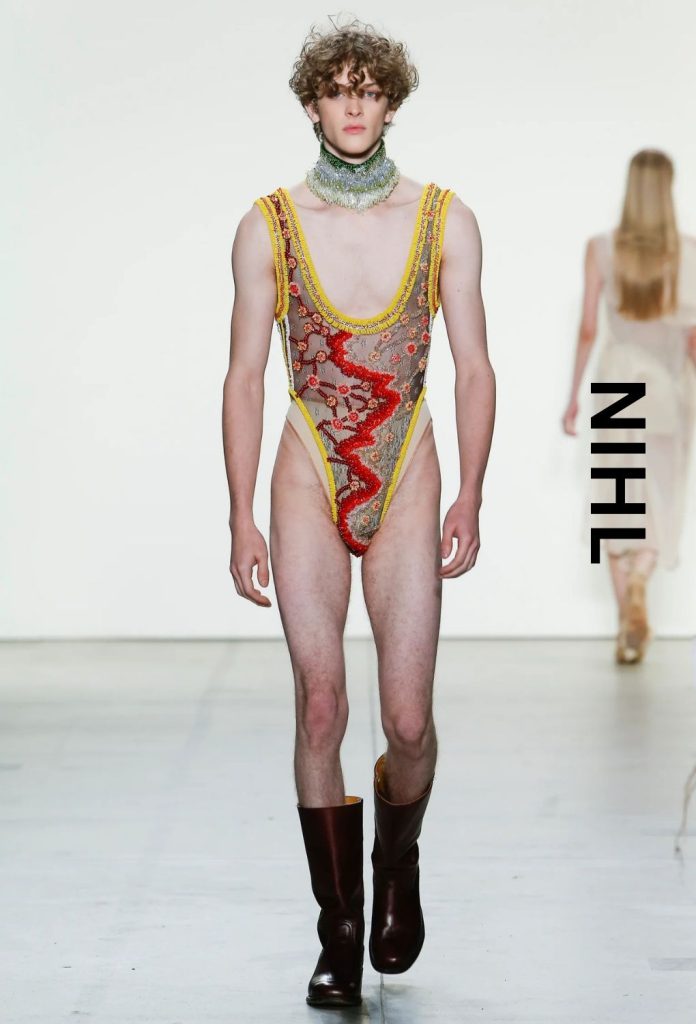
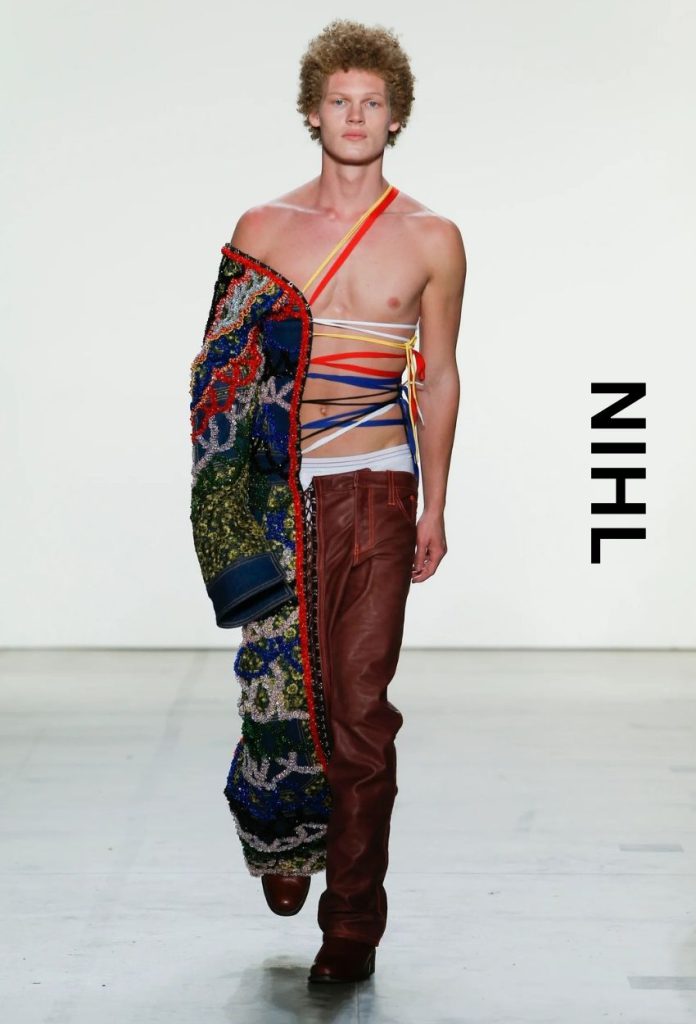
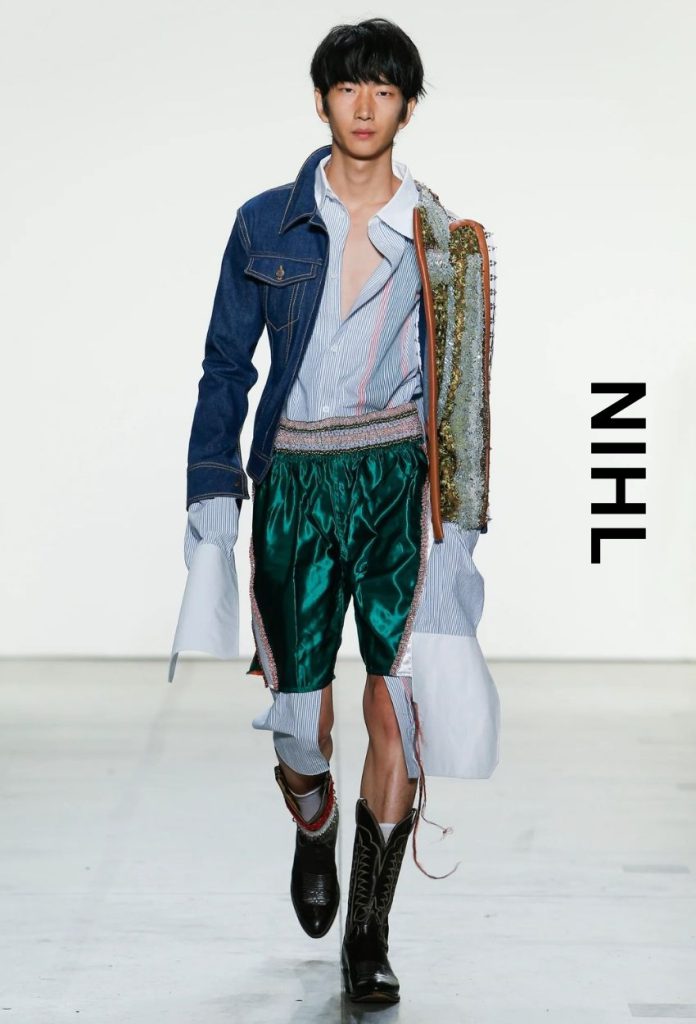
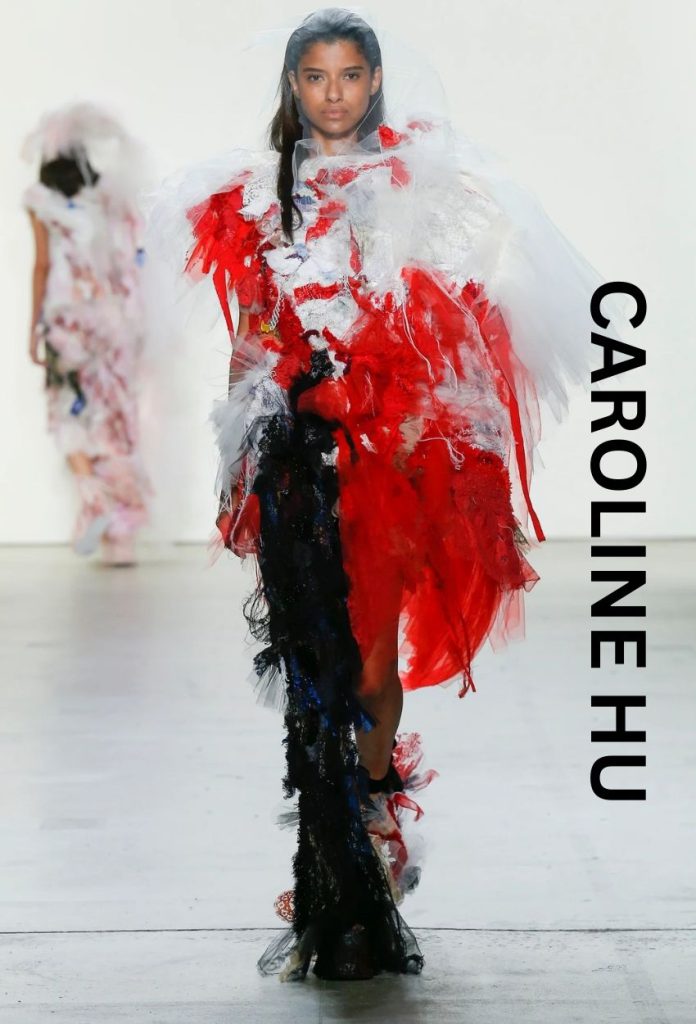
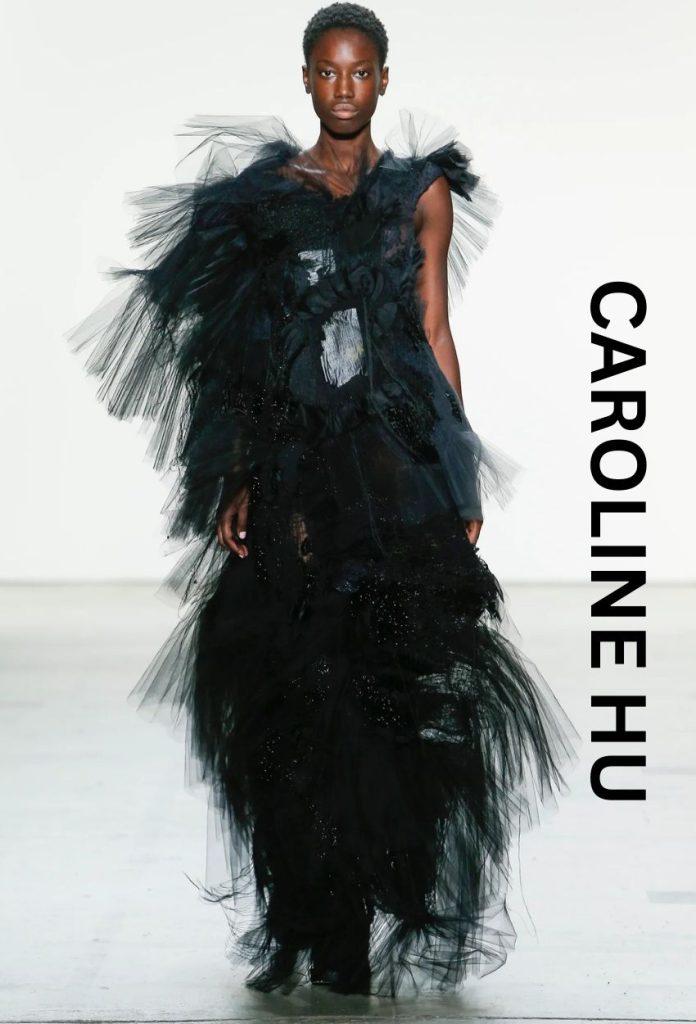
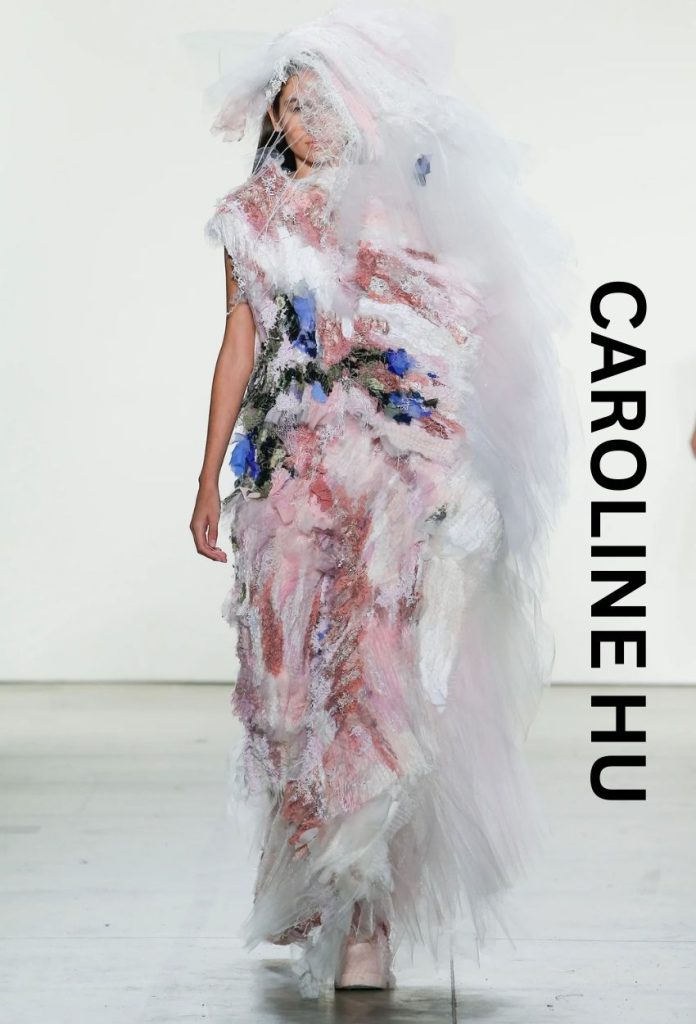
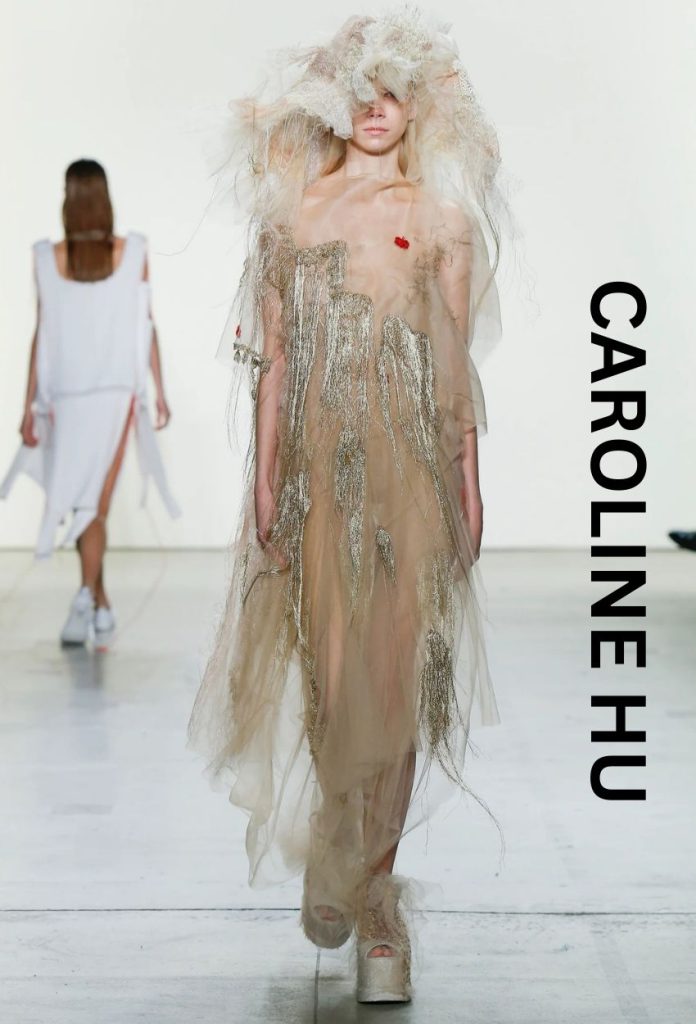
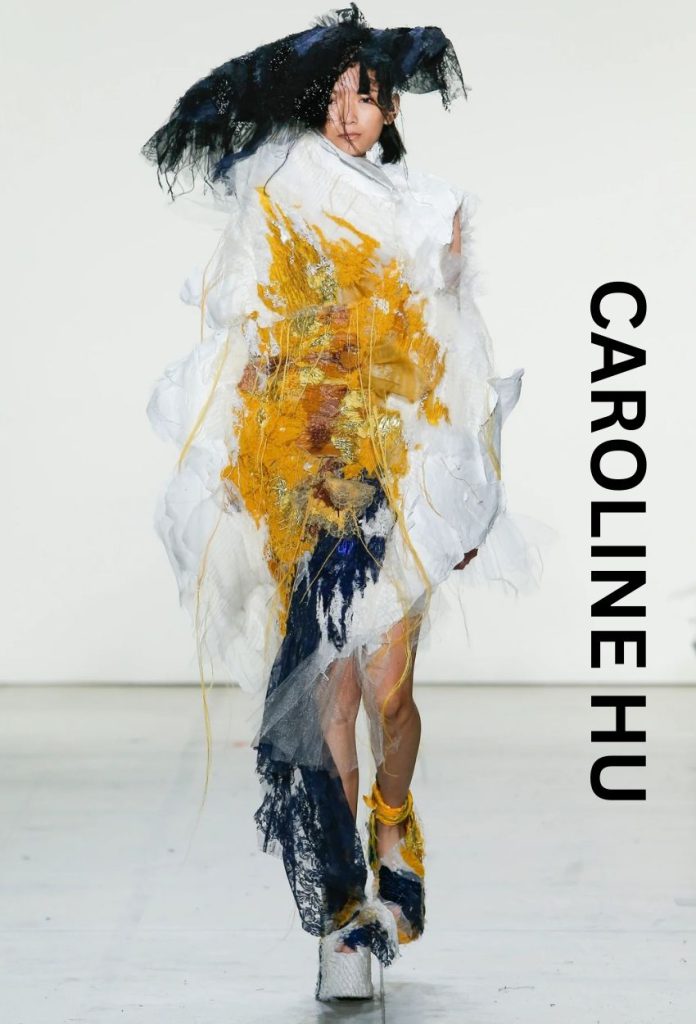
Among the show’s most definitive voices was Caroline Hu, whose "painted" tulle gowns functioned as three-dimensional impressionist masterpieces. By layering hundreds of meters of lace and fabric, Hu captured a soft, romantic reprieve from a chaotic world. In sharp contrast, NIHL (Neil Grotzinger) dismantled the "masculine façade" by injecting athletic staples with haute-couture beadwork, challenging the very definition of functional menswear.
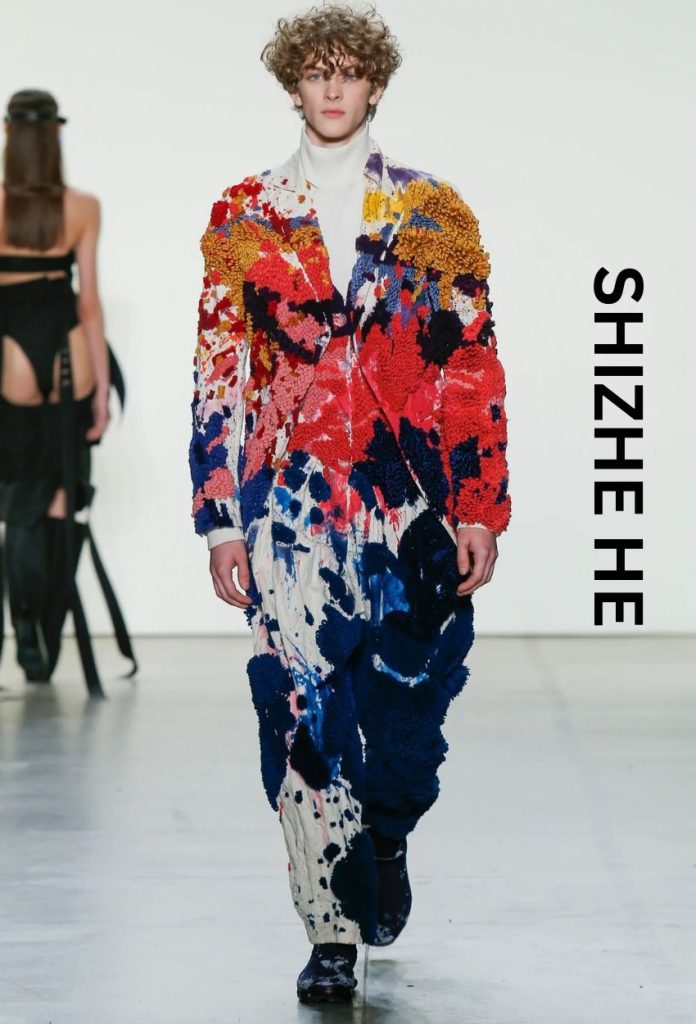
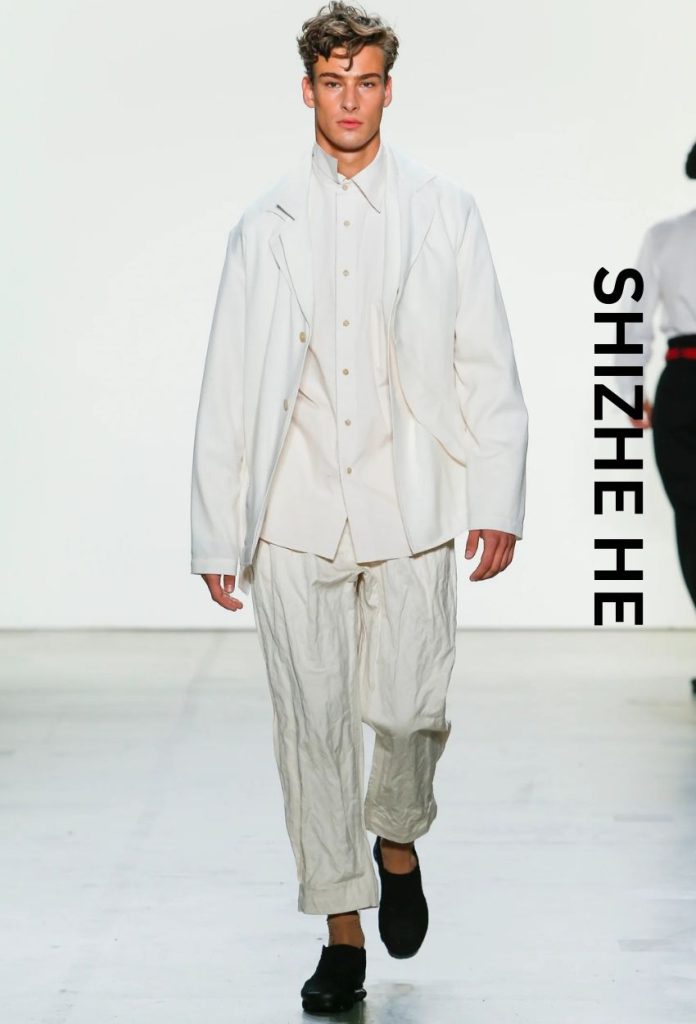
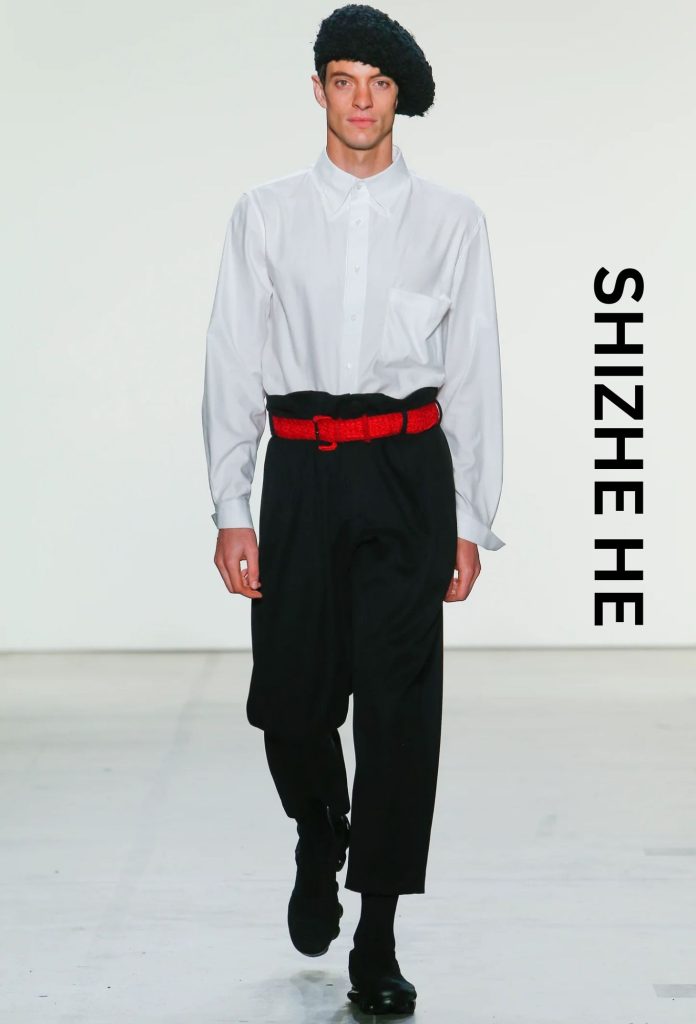
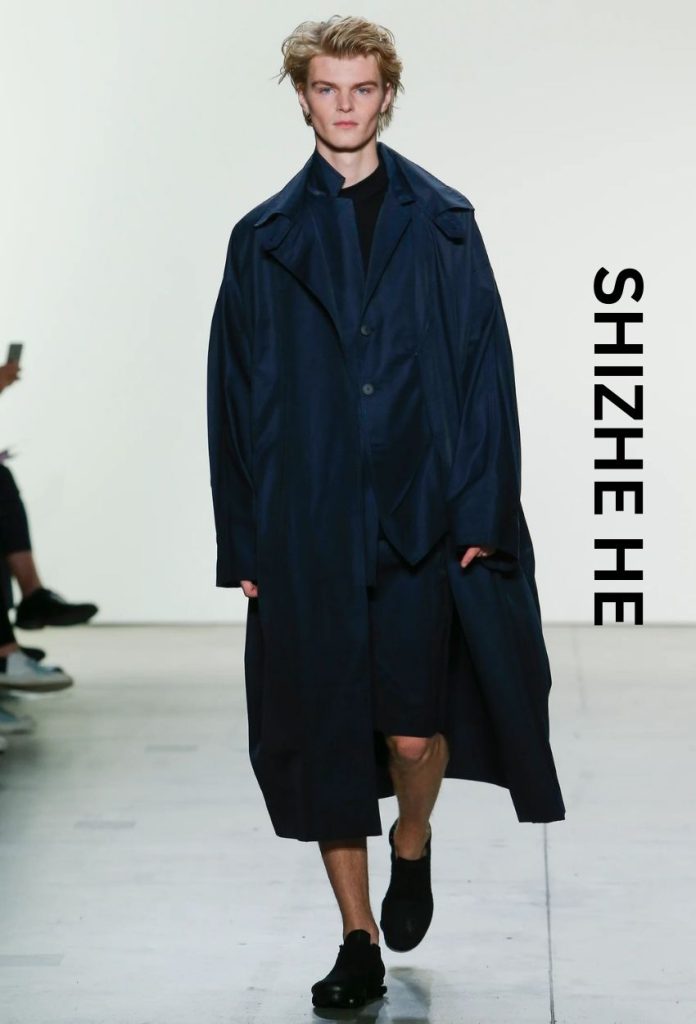
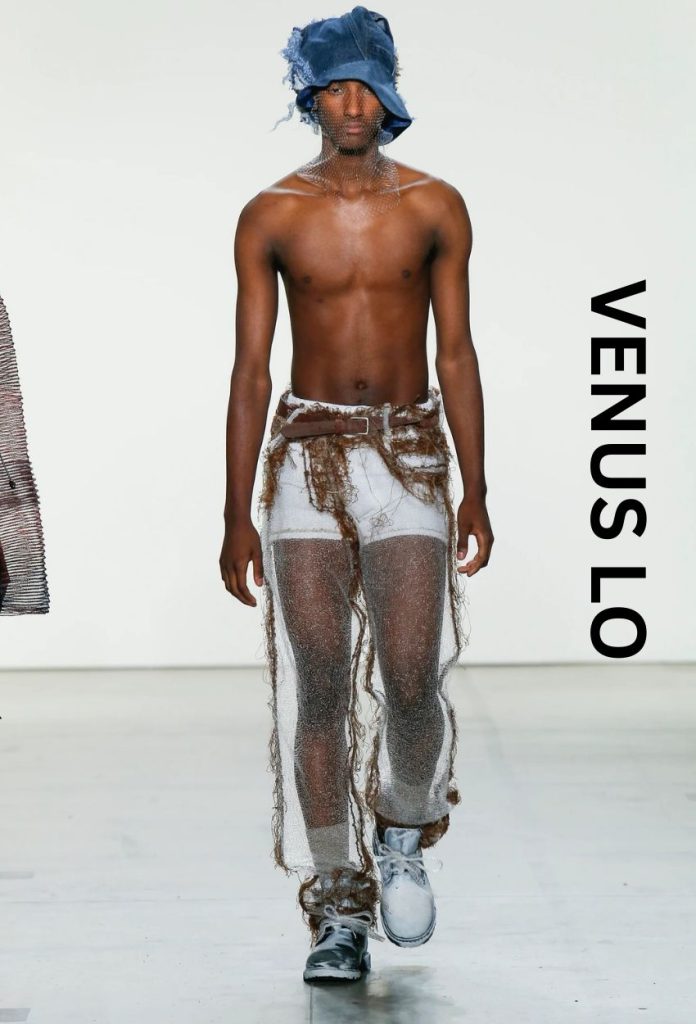
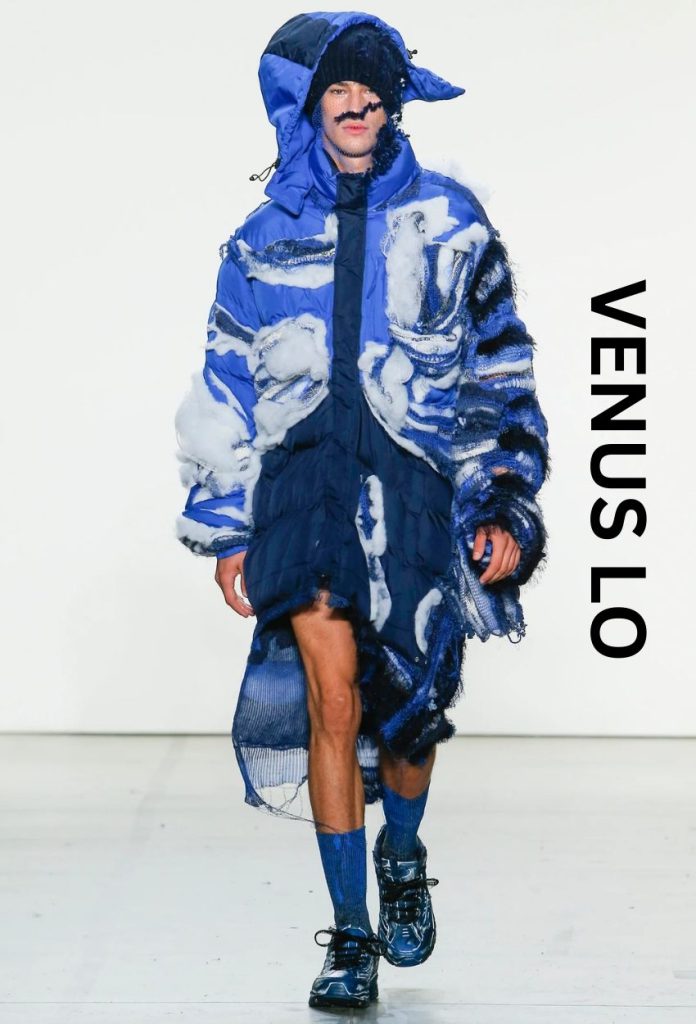
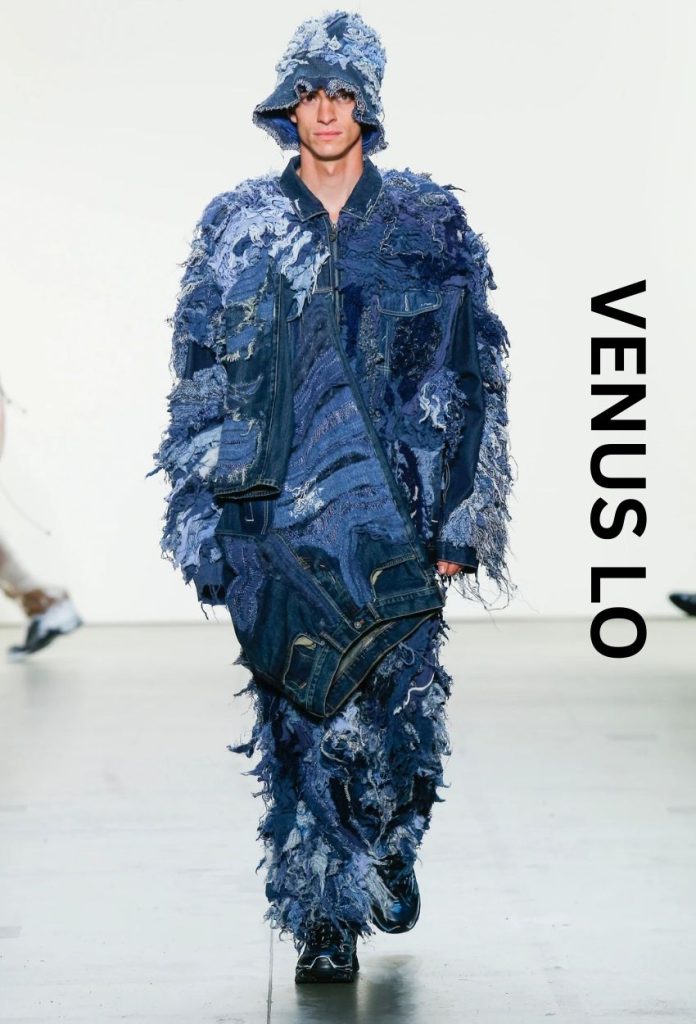
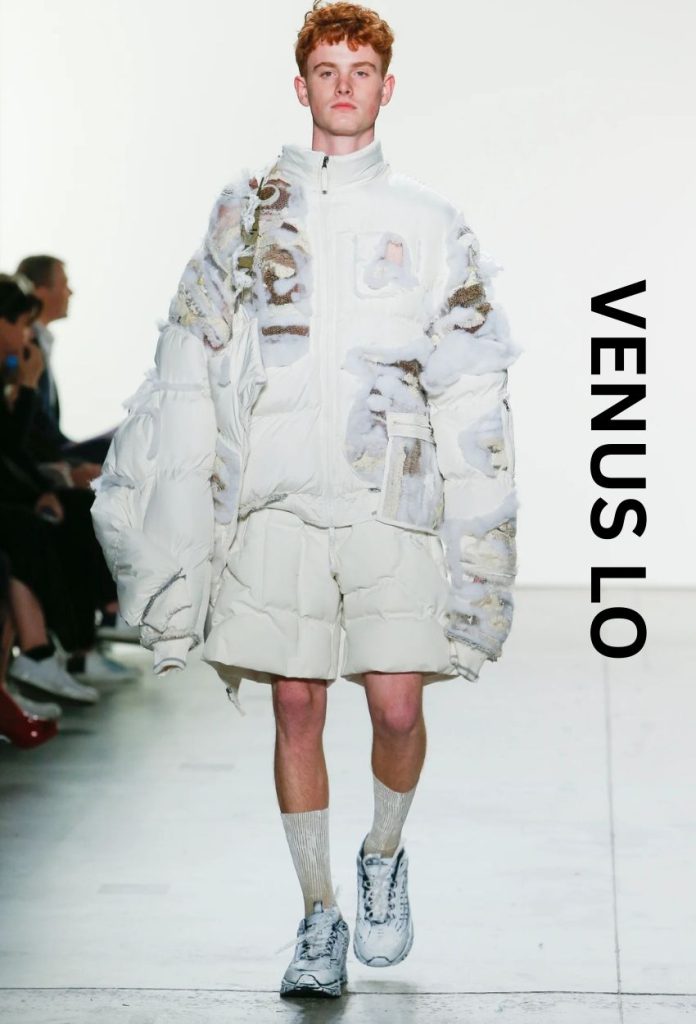
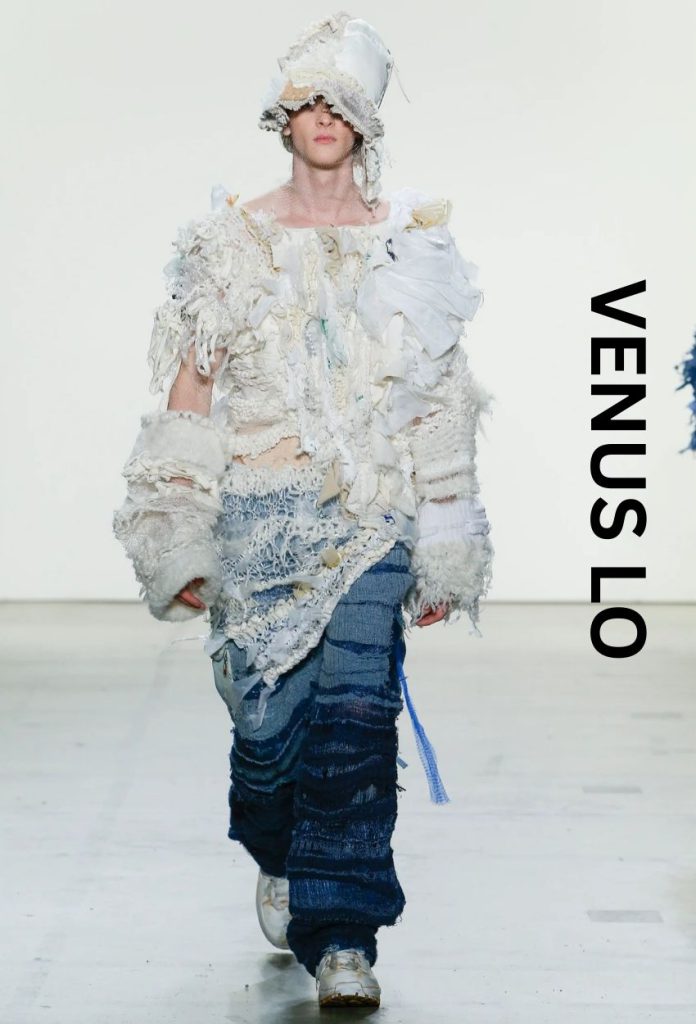
The collection by Shizhe He, The Inability to Fix a Bowl, offered a more quiet rebellion, using masterful pattern-cutting to freeze the unconscious, mundane gestures of the artist in time. Meanwhile, Venus Lo explored the physical manifestation of memory through her "Hoarder" collection. Her knitwear, bulging with found textile scraps, traced a textural evolution from subtle remnants to overwhelming, sculptural mass. Together, these four designers represent a new vanguard where fashion is no longer just apparel, but a profound record of human experience.
NIHL: Subverting the Masculine Façade
Originally from Colorado, Neil Grotzinger honed his craft at high-end New York womenswear labels after graduating from Pratt. Specializing in intricate beadwork and embellishments, he began applying these couture techniques to his private wardrobe. This personal experimentation sparked his MFA at Parsons. “I found immense satisfaction in applying professional skills to my own clothes,” Grotzinger explains. “I was creating what I wanted but couldn’t find. Now, there is a deep, personal soul within the work.”
Grotzinger’s graduate collection deconstructs iconic menswear, adding decorative elements to shatter functional restrictions. By subverting staples—like a simple t-shirt redefined by delicate beading or athletic wear rendered in fragile lace—he critiques traditional stereotypes. “It’s about breaking the masculine façade and those arbitrary expectations of utility,” he says. These pieces prioritize beauty over movement, challenging the wearer to exist outside of gendered norms. Despite the difficulty of merging such diverse references, the result is a masterful collage of personas. Grotzinger intends to establish a market for alternative menswear couture, with plans to debut his subversive vision at the next New York Fashion Week.
Venus Lo: The Art of the Sentimental Hoarder
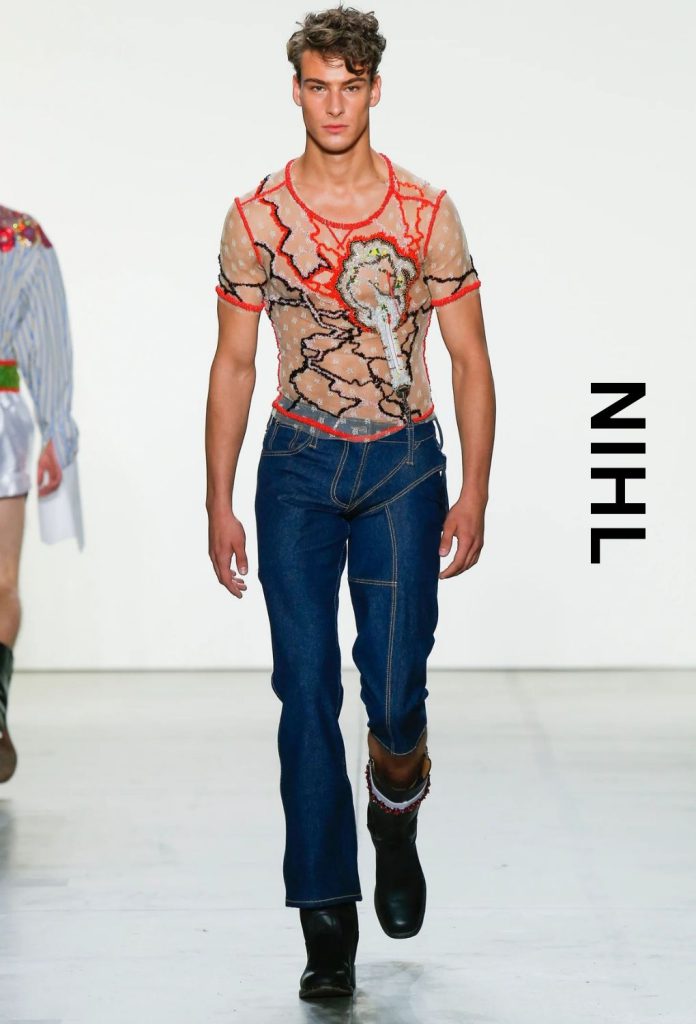
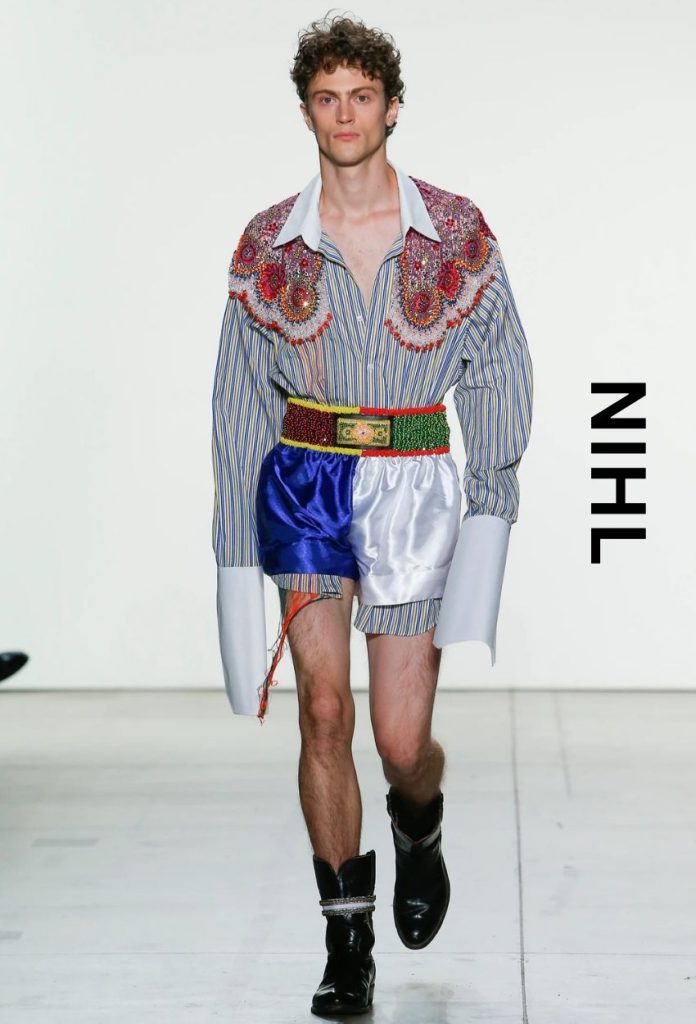
“I came to Parsons to discover what kind of designer I am.” Venus Lo studied knitwear in China and worked in-house for three years, but New York unlocked her emotional depth. Her graduate collection centers on the "hoarder," inspired by her father’s habits in Hong Kong. “There, hoarding isn't just chaos; it’s a refusal to waste. My dad kept everything—broken, unused, random. It drove my mom crazy!”
By inserting found scraps into her knits, Lo created a three-dimensional texture that bulges and bubbles around the wearer. “I didn’t want traditional knitwear; I wanted volume.” The collection’s runway progression mirrors a hoarder’s obsession: opening with transparent trousers featuring subtle remnants, each subsequent look grows heavier and more complex.
During the process, Lo became an "amateur hoarder" herself, constantly hunting for discarded bits to integrate into her textiles. While she remains organized, this creative obsession birthed a distinct aesthetic she plans to evolve into a bespoke label. “This is only the beginning,” she notes. “This is just the small-scale version of what I envision for the future.”
The Painter of Tulle: Caroline Hu
Caroline Hu is a modern romantic who views fashion as a sanctuary. Drawing deeply from the textures of Renaissance art, she treats her designs as "painted sketches," using tulle and lace as her medium rather than oil and canvas. For Hu, the fabric is never an afterthought—it is the soul of the garment.
In her latest work, sponsored by Sophie Halette, Hu mastered a complex smocking technique to layer lace and found textiles onto tulle, capturing the ethereal light and kinetic energy of a masterpiece. Her aesthetic is defined by these poetic nuances: an all-white silhouette punctuated by a singular hand-drawn flower. Having transitioned from the technical rigor of New York to the "attitude-driven" creative landscape of London’s Central Saint Martins, Hu has shifted her focus from a collage of techniques to the perfection of a single, expressive craft.
Shizhe He: Capturing the Artist's Ghost
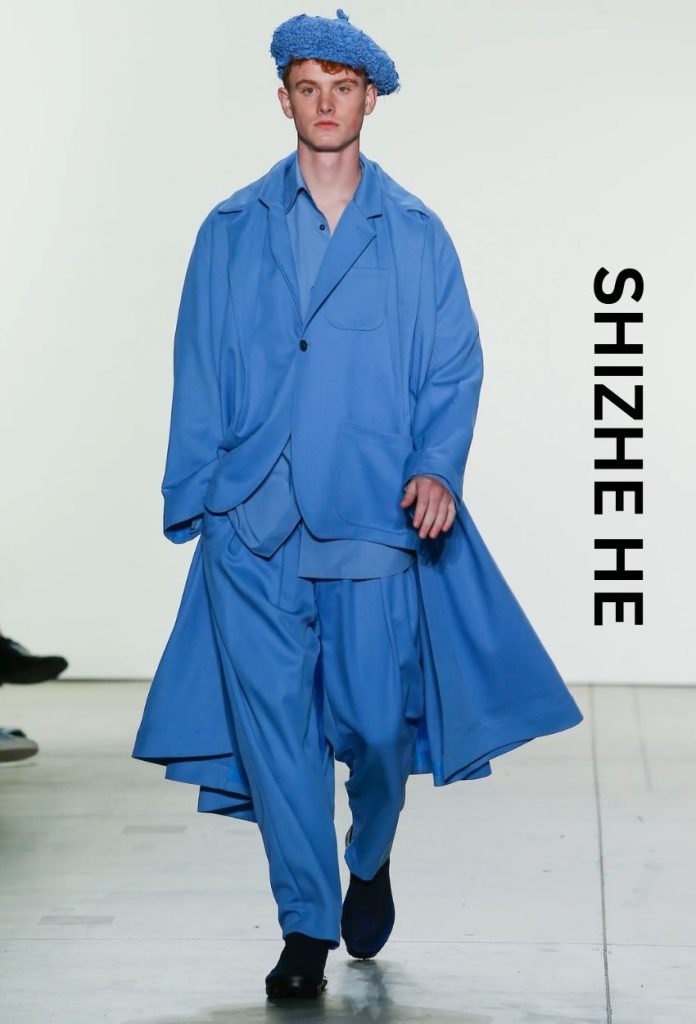
For Shizhe He, the "artist’s uniform" isn't about the garment itself, but the way it is lived in. Raised in a creative household, He became fascinated by the unconscious habits of creators—the way a sleeve is hiked up or a collar is flipped. Her collection, "The Inability to Fix a Bowl," seeks to freeze these fleeting, mundane gestures in time.
Through a mastery of pattern cutting honed over years of study in China and Japan, He creates a "disappearing pattern." At a distance, the silhouettes appear as classic staples: the trench, the button-down, the beret. Up close, however, the garments undergo a surreal transformation. Using trompe l’oeil techniques, a collar might melt directly into a shirt’s placket, or a coat’s side might be permanently scrunched to mimic a hand resting in a pocket. By "breaking" the traditional logic of the pattern, He reveals the soul of the wearer. While the collection pays homage to practical workwear, it isn't afraid of the mess; sudden bursts of color mimic the joyful, chaotic splatter of a day spent in the studio.