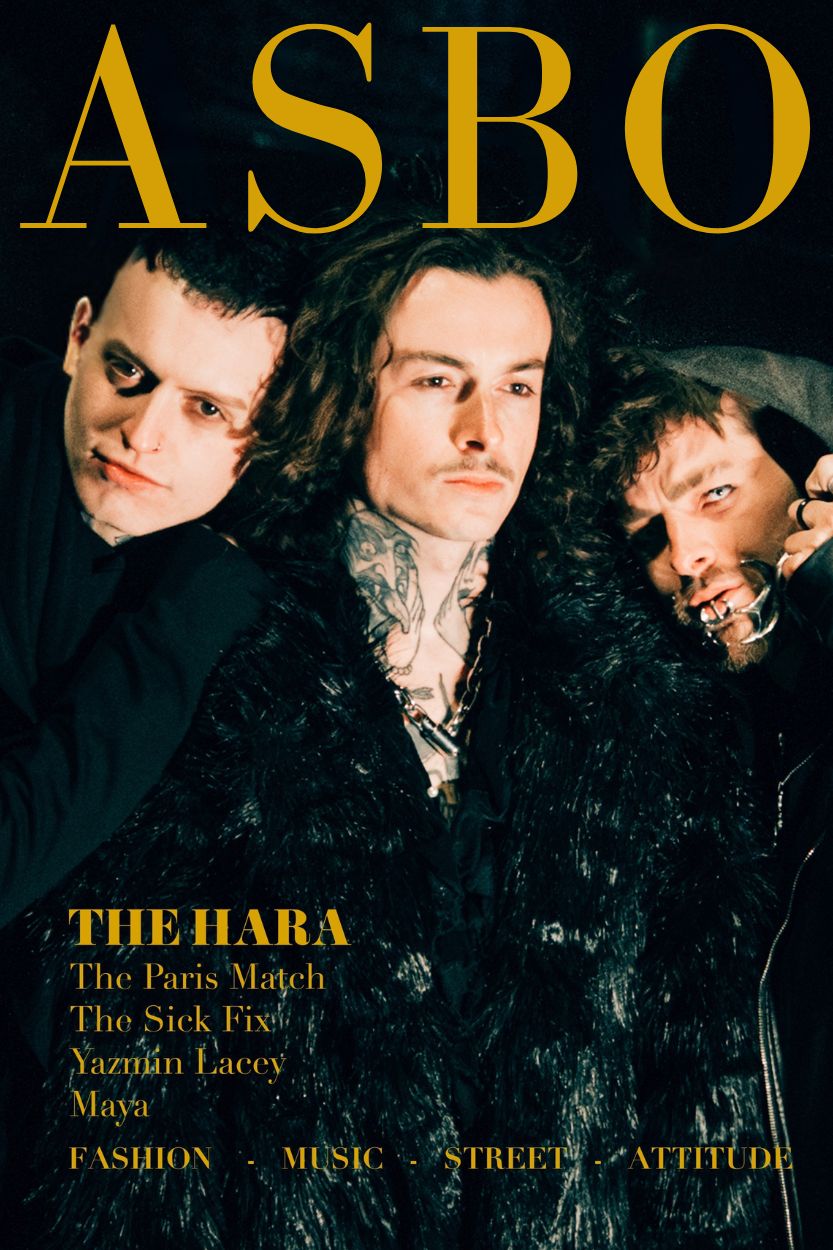


W: Adora Mekuleyi I: Theo Soyez
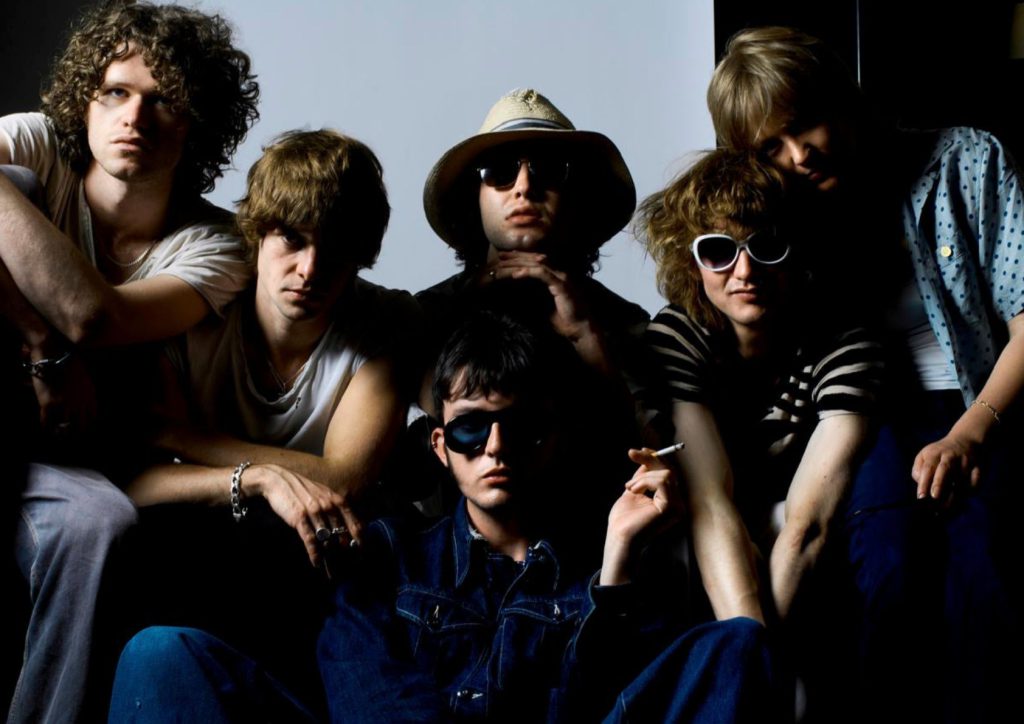
Interviewing The Paris Match doesn’t feel like a sit-down so much as being dragged into the middle of something already mid-explosion. People interrupt each other. Stories spiral, contradict themselves, double back. Someone is always laughing just a second too late. It’s chaotic, but it’s also exactly how their music feels: alive, slightly unhinged, impossible to pin down. For a brief moment in a side-corner pub in Putney, I’m pulled into their storm. It’s worth saying now: this interview, like life, like promises, like most relationships, should be taken with a grain of salt.
The band’s name didn’t arrive wrapped in myth or intention; it landed by accident. “It’s literally a magazine in France,” Oscar says, almost apologetically. Originally, they were hired as a kind of in-house band for a magazine project. But the name refused to let go. The Paris Match felt right because it is right. It’s a collision. It’s a match like something striking,” one of them says. “Or burning,” another cuts in. They start debating themselves. Talking over each other. Agreeing violently. “There’s too many London bands playing everything on the one,” Oscar concludes. “It’s grungy. It’s flat. We want bounce. We want people to move.”
That insistence on movement defines their sound. The songs are bright, sweet, undeniably inspired by Motown, blues and the concept of quote unquote life with just a spoonful of naivety. “There’s sugar in it,” they admit, “but there’s sour too.” They’re aware people reach for easy references; 60s pop, mod revival, and they resist it hard. “We’re not interested in being a museum band,” they say. “We don’t want to cosplay the past.”
The Paris Match came together in a way that feels aggressively anti-industry. Some of them met at clown school. One connection happened in an Egyptology drawing class at a museum. Another member was recruited outside an Angus Steakhouse (perhaps the more truthful of the introductions). “We just kept bumping into each other,” they shrug. Jessie (drummer met at said Egyptology class) joined the band, having learned none of the material. “They counted in,” she laughs. “I had no idea what I was playing.” Somehow, it clicked.
Their fondest memories sit firmly outside the UK. Paris comes up immediately. “France treats us like stars,” they say, without exaggeration. They describe crowds spilling into the streets, people hanging around for hours after shows. Ireland and Scotland follow; generous, rowdy, warm. London, by contrast, is complicated. There are stories of hotel fire alarms at 3 am, venues banning them, expensive microphones being destroyed, and being chased out of back doors by security. They laugh now, but there’s tension under it. “When we play, there’s bliss,” they say. “But there’s fury too.”
That fury feeds directly into their politics. The Paris Match are openly left-wing, anti-war, anti-capitalist, and uninterested in diluting it. “Being a band in London, you’re expected to get ripped off,” they say. “Socially and economically. Promoters who don’t pay. Who don’t promote. Who don’t even take photos. We don’t take no shit anymore,” Oscar states, plainly.
Their recent releases, they admit, were as much about learning as they were about output. Some tracks were recorded live because the band sounded better than expected the morning after. Studio sessions became crash courses in how not to record. “We were figuring it out in real time,” Sander admits. “And honestly, we’re not in love with everything we’ve put out.” That dissatisfaction has shaped what comes next.
The next single is a deliberate pivot forward, recorded with producers tied to genuinely contemporary scenes. “We don’t want to sound like a 60s band anymore,” they say. “We want it to feel now.” The songwriting still comes first, rooted in classic pop instinct, but the production is where they push. “If it doesn’t move the song forward, it’s gone,” they explain. “If it’s already been done, why bother?”
Visually, they’re just as restless. Ideas bounce between sincerity and irony: drill-inspired videos, block settings, genre collisions. “No one’s really done that with guitar bands,” they shrug. “So why not?”
When the conversation turns to the London scene, they’re brutal. Follower counts mean nothing. Viral moments mean less. “You can have 50,000 followers and still not sell out a room,” Rocco says. “That doesn’t mean anything.” What matters is presence. “Abroad, people treat us like a real band,” they add. “Here, you have to fight for it.”
Still, they acknowledge that scenes overlapping, indie, underground, hip-hop, changed things. “That crossover helped us,” they admit. “People who’d never come to our gigs suddenly showed up. That felt exciting.”
So what’s next? The answer is refreshingly unpolished. Make better records. Tour properly. Work with people who share their values. “Just keep moving,” they say. A European tour is coming. A London headline show lands at The Lexington in May, on Jessie’s birthday, no less.
The Paris Match (Oscar, Dylan, Rocco, Sander and Jessie) aren’t tidy; they terrorise the streets of London, cheap Chinese Restaurants and beloved pubs like The French House. They aren’t polite. They aren’t interested in standing still. And right now, that feels like exactly the point.