


W: Alice Vee
This year’s ACM BA designers approach fashion as a space where personal research, material experimentation, and critical reflection meet. Their collections draw on an eclectic mix of different cultural touchpoints—nomadism, sport, childhood memory, female identity, archives, and subculture—translating them into work that is tactile, conceptually rigorous, and emotionally precise. From the subversion of feminine stereotypes to the architectural deconstruction of memory, these six designers represent a new wave of creative thinkers ready to challenge the industry's pace with depth and intention.
Sara La Rosa: Subverting Stereotypes through Ironic Harmony
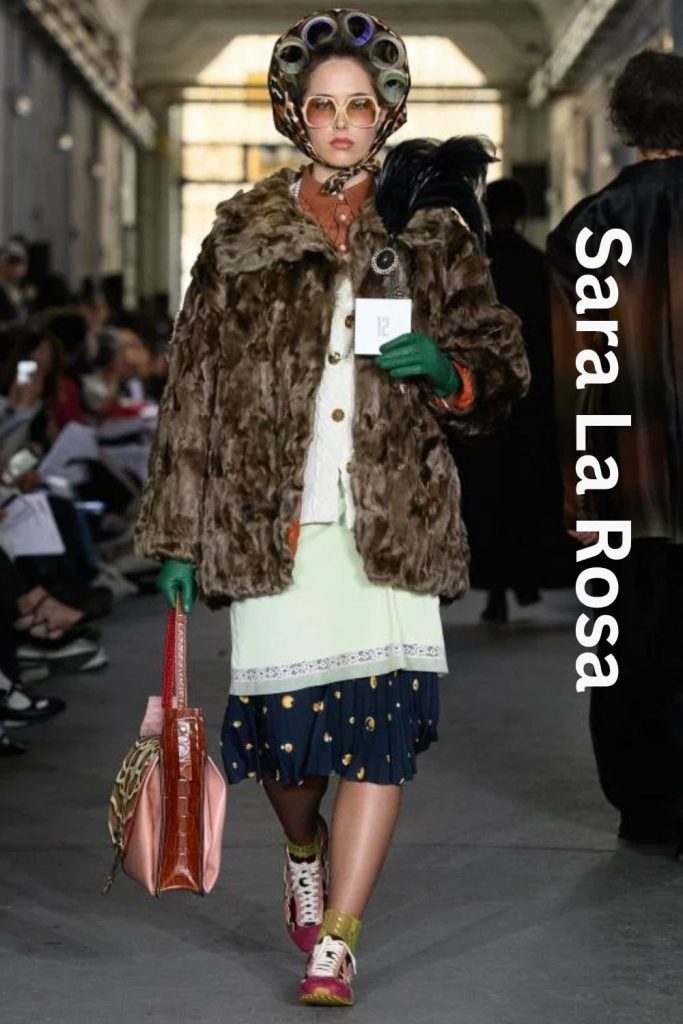
Sara La Rosa’s project stems from Le Italiane si Confessano by Gabriella Parca, exploring anonymous letters from postwar Italy that reveal how social norms shaped women’s lives. Influenced by Cindy Sherman, her shoes and leather goods embrace "ugliness" as an expressive tool. She utilises unconventional materials, such as paper and plastic fused through heat pressing, to create entirely new textures. Paper is also combined with leather to form floral embellishments that reference feminine stereotypes. This material exploration creates an ironic harmony, while glossy reds and pinks reinterpret and subvert traditional feminine codes.
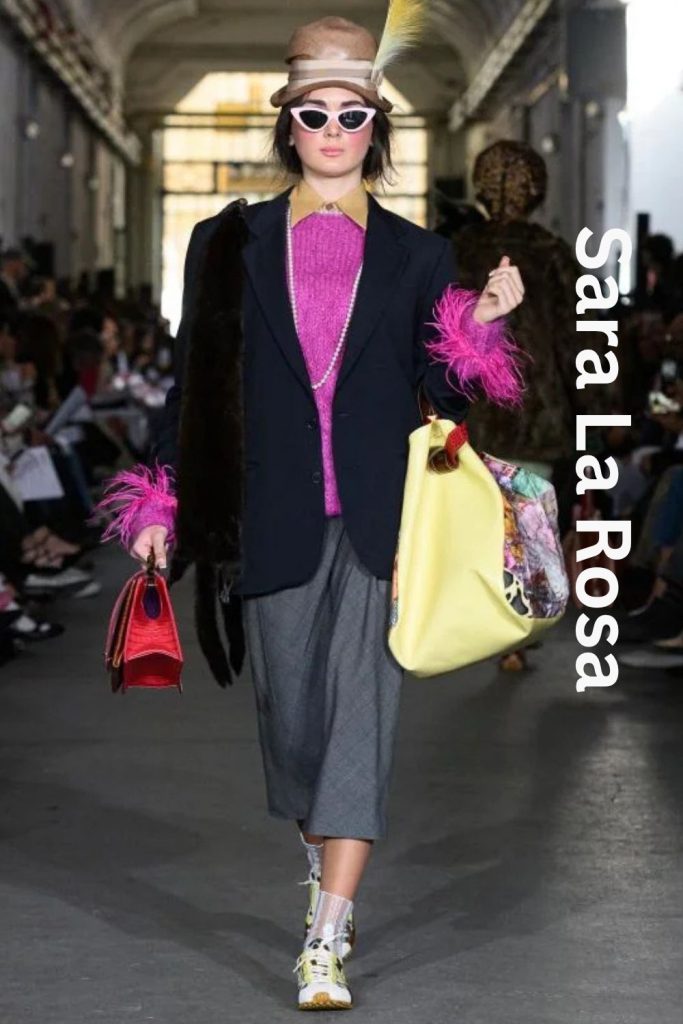
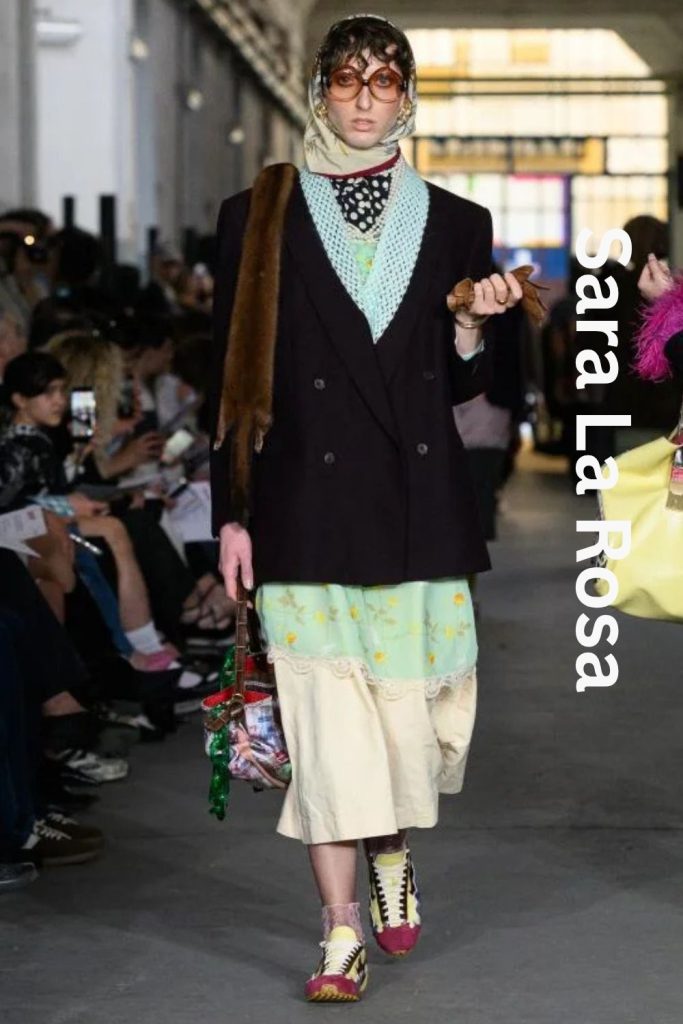
La Rosa views fashion as a universal art form capable of shaping society beyond mere commerce. While she acknowledges the industry's business imperatives, she believes creativity must remain its primary fuel. She thrives on the "positive adrenaline" of the creative process, valuing the constant rethinking and reshaping that elevates a project from a product to a meaningful cultural statement.
Manuel Pfeifer: Looping Time and Liquid Identity
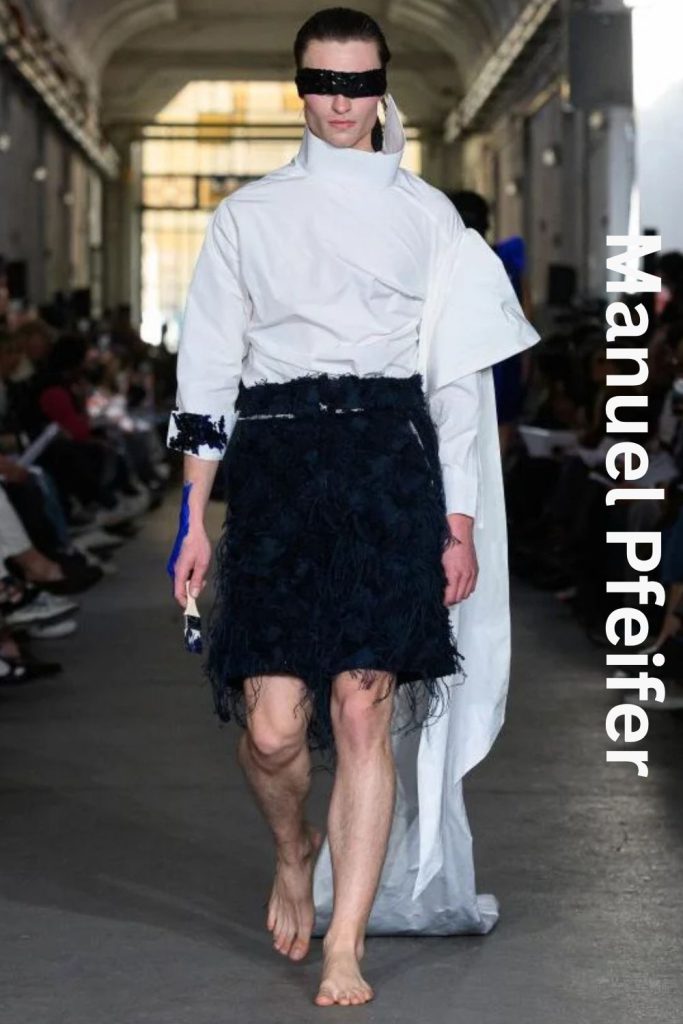
Manuel Pfeifer’s collection explores memory as something carried on the skin—unspoken yet deeply present. He worked with materials that evoke painting and the gesture of the brushstroke, translating artistic marks into texture and construction. Interwoven VHS tapes become a metaphor for memory as a liquid, continuous flow, wrapping around the body; fragile, exposed, yet also audacious. These elements suggest an archive that endlessly repeats and distorts, like images looping over time. Structured forms and fluid interventions coexist, reflecting a body in transformation. Through this, the collection investigates identity as something layered, unstable, and constantly rewritten through memory.
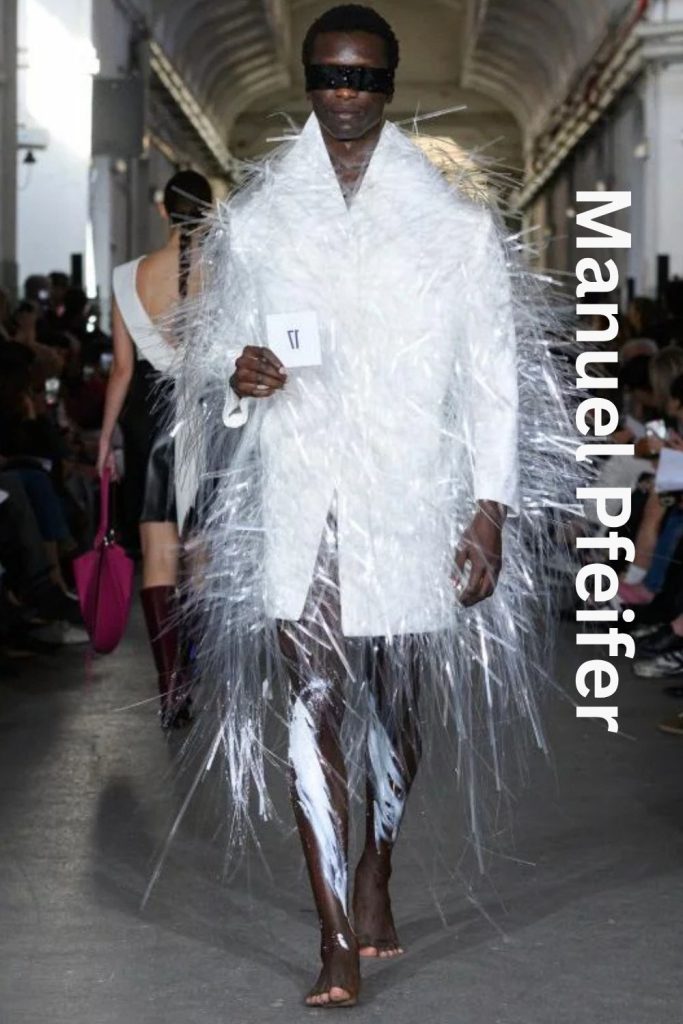
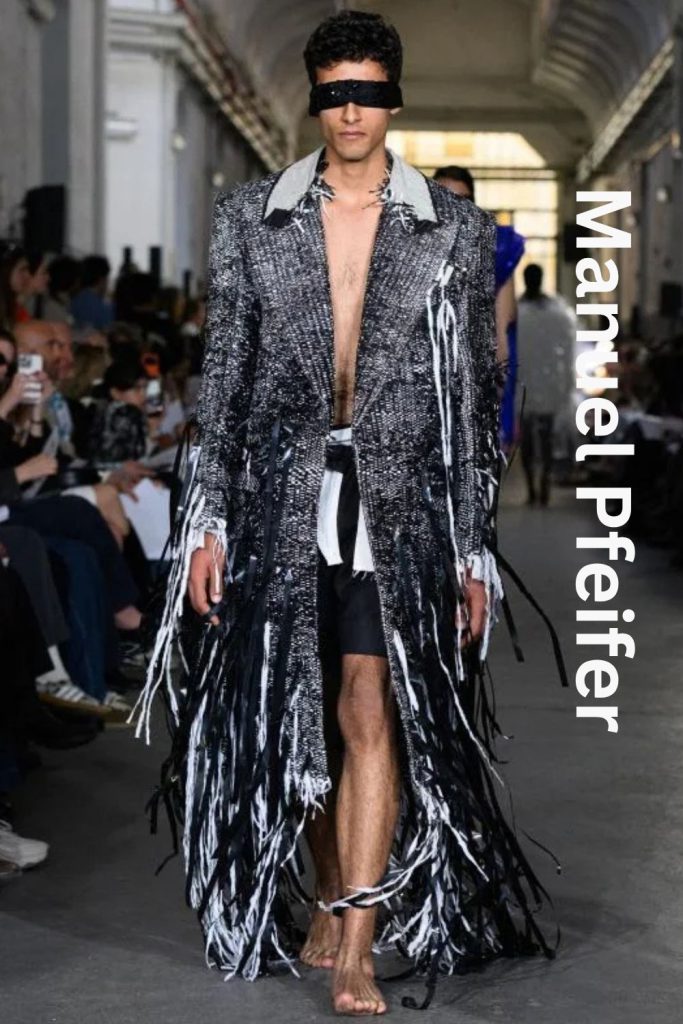
As he leaves education, Pfeifer is inspired by fashion as a form of artistic expression, where craftsmanship and conceptual research are valued. However, he finds the industry's speed and pressure for constant production concerning. Pfeifer is interested in a conscious approach where quality, time, and process are respected, allowing fashion to remain a meaningful practice.
The Nomadic Soul: Benedetta Boidi’s Defiant Dialogue Between Eras.
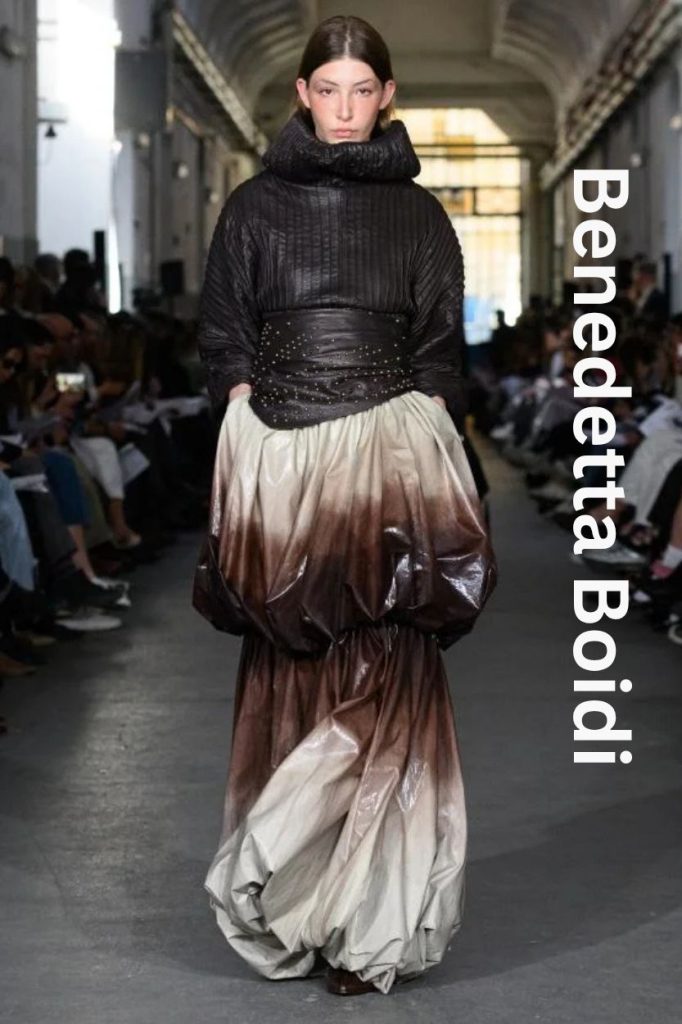
Benedetta Boidi’s collection is inspired by nomadism, explored through historical iconography and its contemporary evolution to create a dialogue between past and future. Materiality is central; she balances durable leather, shearling, and upcycled fur with resin-coated cotton and vintage-effect denim. Colour is equally significant, evidenced by the intentional three-tone harmony in her opening look. These designs were realised through artisanal collaborations with Goretti, for leather weaving and studs, and Wash Italia, for specialised vintage denim finishes and faux leather detailing. Consequently, the collection frames garments as "evolving identities."
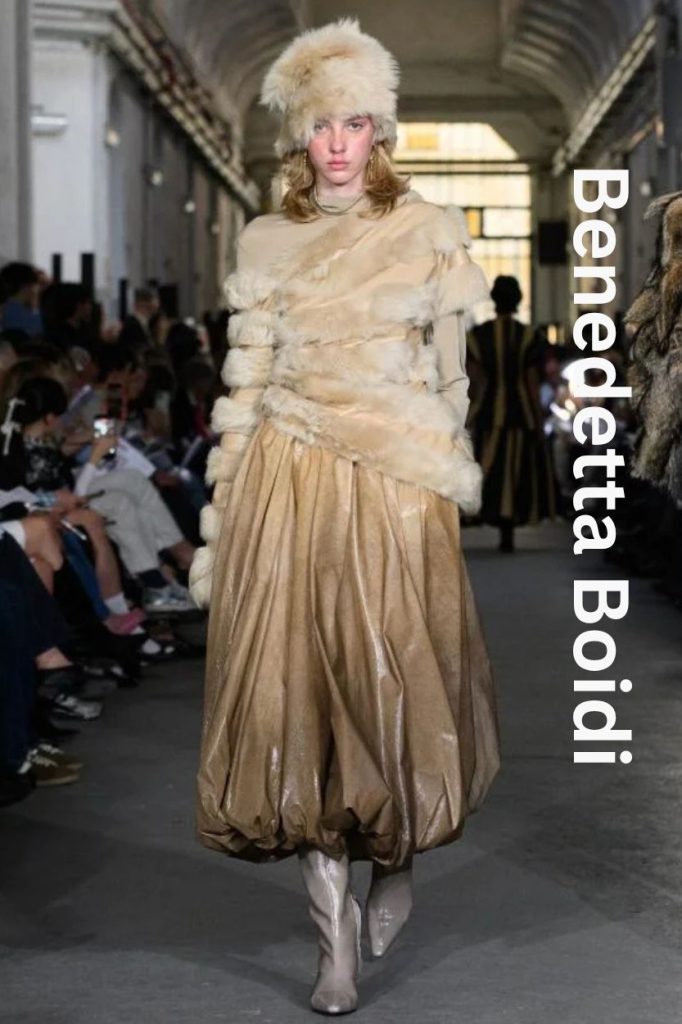
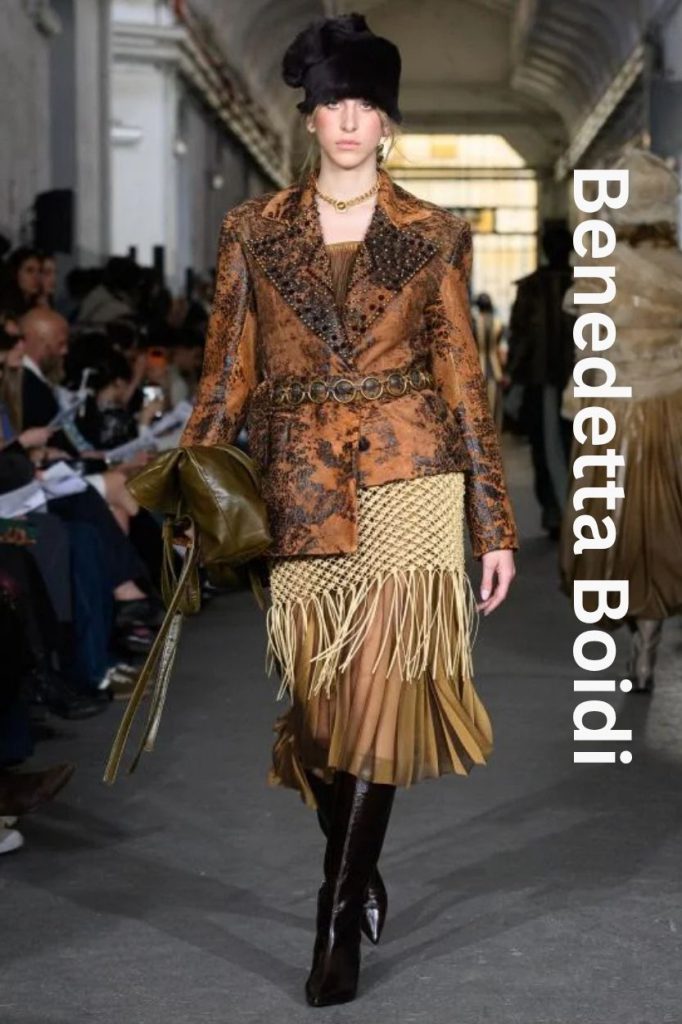
Boidi’s work is a direct response to her concerns regarding the contemporary fashion system. She critiques the centralisation of power within conglomerates, where commercial imperatives often stifle genuine creative vision. Unsettled by the industry's breakneck speed and relentless production cycles, Boidi advocates for a return to depth and experimentation. Ultimately, she views fashion as a form of critical cultural expression.
Cecilia Marchesini: Reflections of Memory
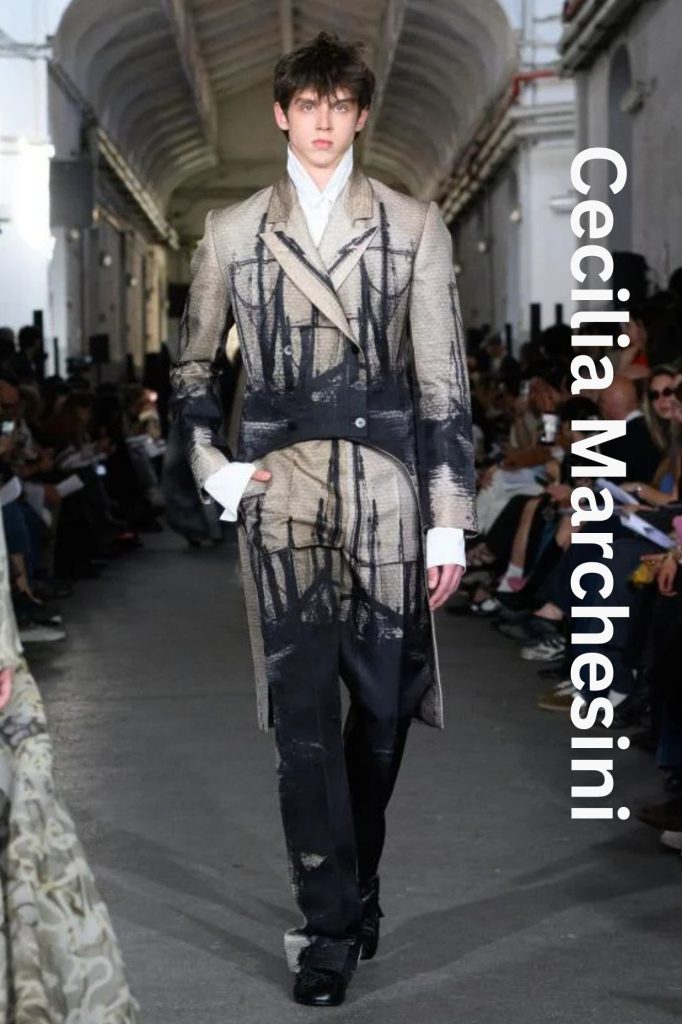
Cecilia Marchesini’s collection, Reflections of Memory, is developed through the photographic archive of her great-grandfather, Eugenio Cardini. Spanning Argentina and Italy, family portraits and landscapes are reworked into textile prints and high-definition jacquards. The palette derives from early photographic processes—from albumen to silver prints—translated into soft, layered tones. Structured fabrics and transparent materials create visual stratifications, evoking photographic layering, while silhouettes draw from Edwardian tailoring, reinterpreting menswear in a contemporary and fluid way across genders. The collection explores the relationship between archive, textile, and garment, transforming personal memory into a contemporary narrative.
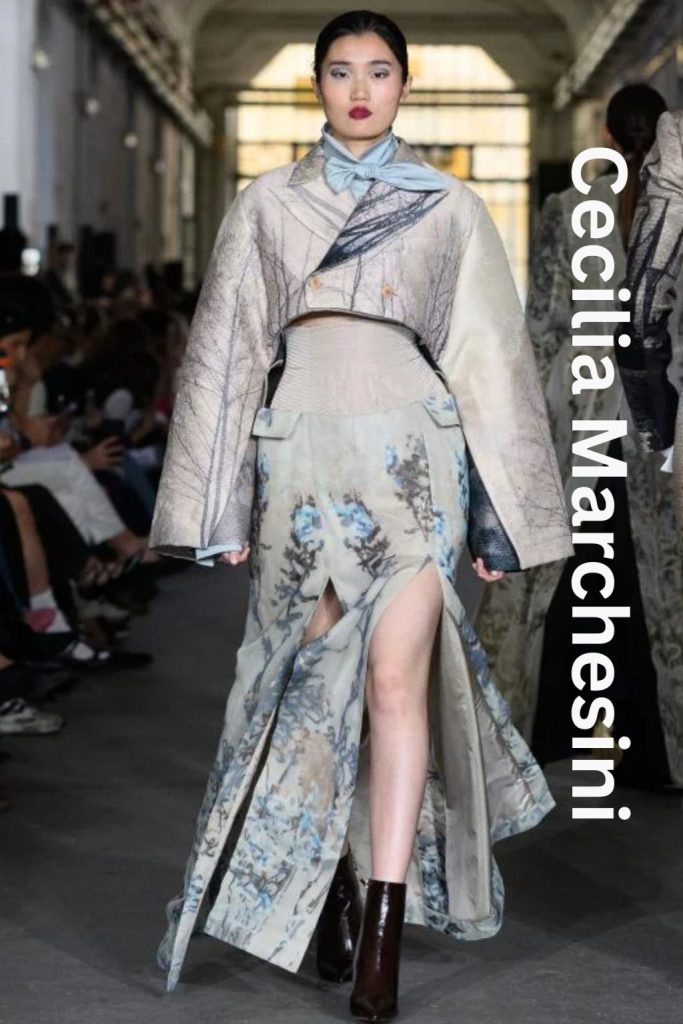
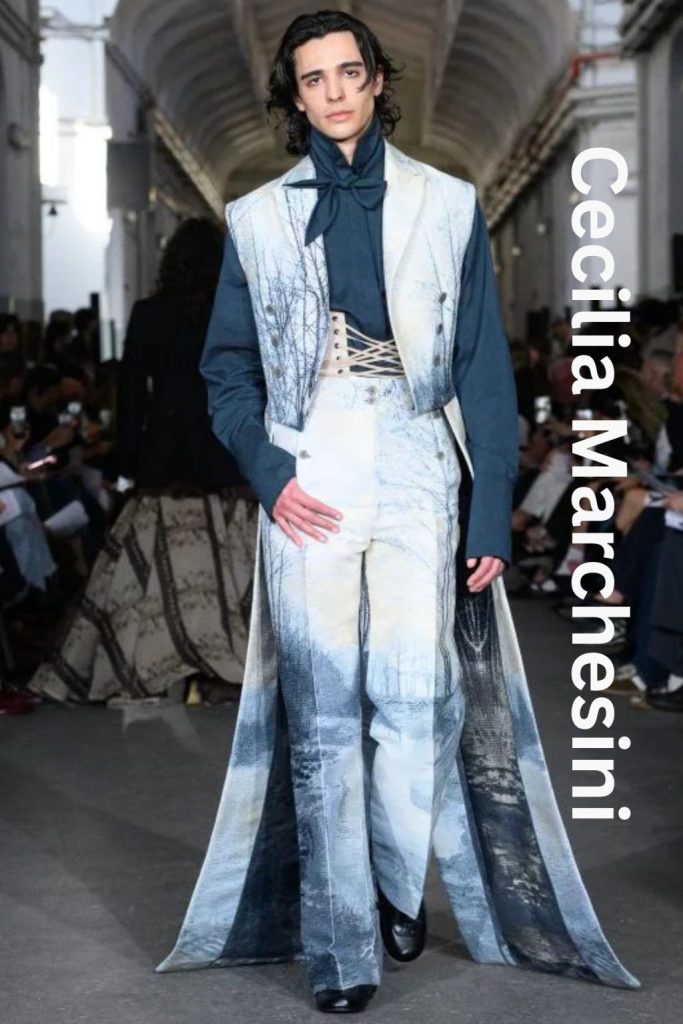
What excites Marchesini is building a personal visual language through research-driven design, where fashion intersects with archives and image-making. She treats garments as cultural objects rather than mere products. Challenged by the industry's relentless speed, Marchesini advocates for a reflective approach where process, research, and material experimentation hold real value as meaningful vessels for history.
Filippo Tammaccaro: Architect of the Inward Eye
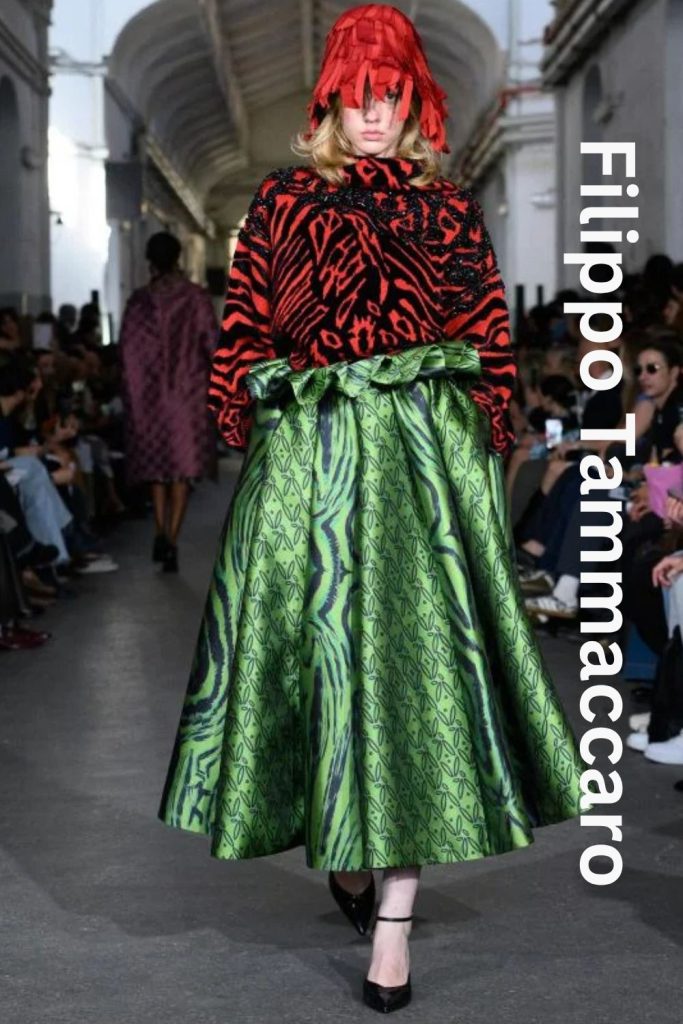
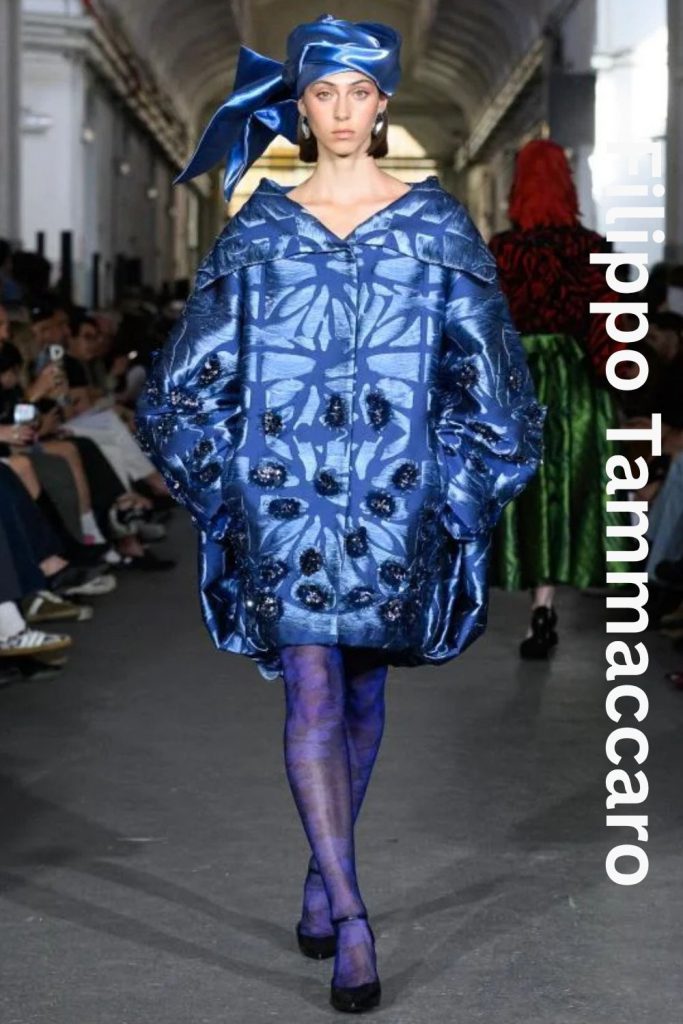
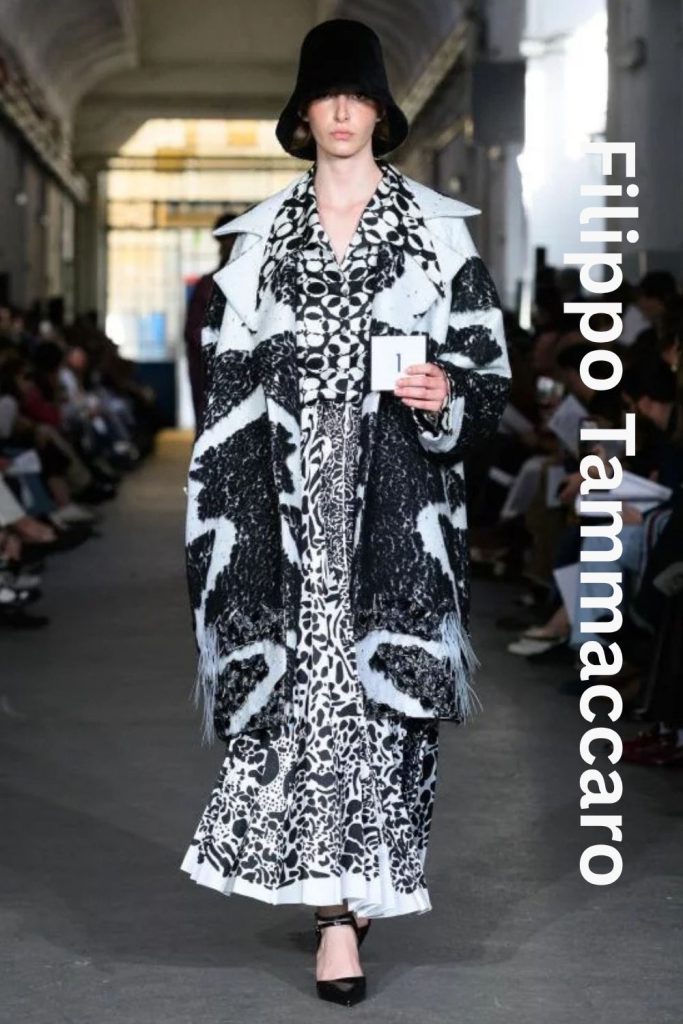
Filippo Tammaccaro’s womenswear collection, Cinque Soldi di Più – Ma Blu, is inspired by a discreet and introspective vision of 1970s Milan, where elegance is defined by restraint rather than display. Drawing from the architecture and silent interiors of the city, garments are conceived as structures that inhabit space, reflecting a new maximalist bourgeois identity. The collection explores a dialogue between rigour and opulence, deconstructing traditional codes and reinterpreting them through contemporary language. Vintage references inform prints and jacquards, while hand embroidery and material experimentation create layered, tactile surfaces with trompe l’œil effects. Deep tones contrast with vibrant accents, shaping a refined yet subversive aesthetic where memory and transformation coexist. As he leaves education, Tammaccaro is motivated to enter the fashion industry, contributing to a dynamic environment. He is particularly interested in the creative process within design studios and the textile development phase, where research and craftsmanship converge.
Subverting the Doll: Giulia Melesi’s Radical Childhood
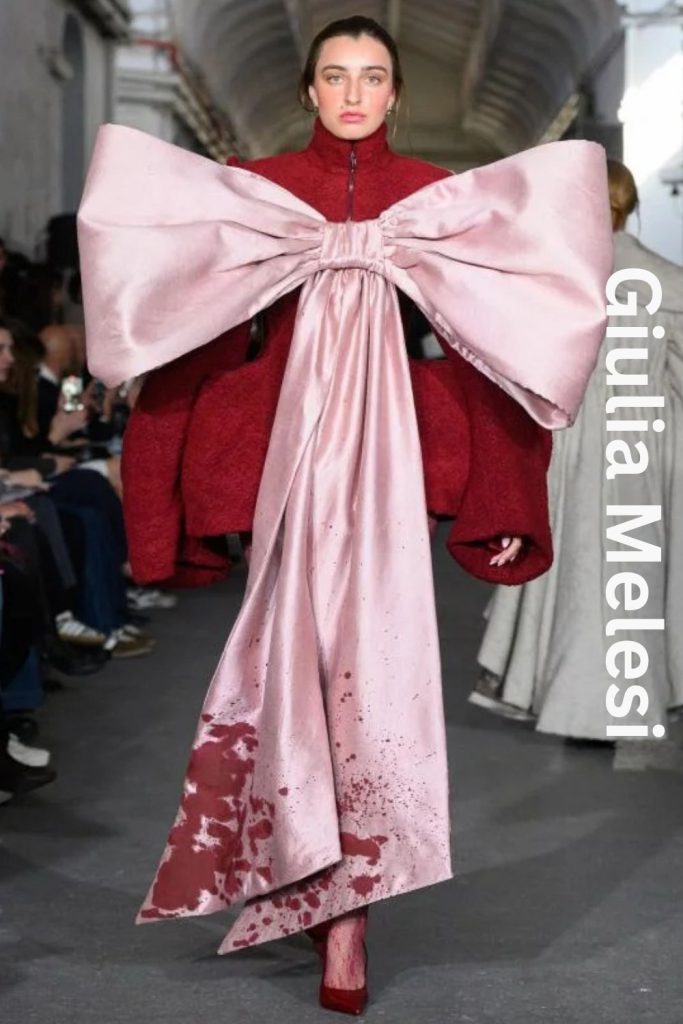
Giulia Melesi’s collection, Oss.Iride, reframes female childhood as a site of control disguised as softness. Drawing on doll-like aesthetics, early 20th-century children’s garments, and domestic imagery, it exposes how femininity is rehearsed from a young age. Volumes are delicate but structured, creating silhouettes that both protect and restrict the body. Materials evoke familiarity—soft, tactile, and comforting—yet are used to impose form and discipline. The palette remains tender, but never innocent. Rather than nostalgia, the collection explores tension: between freedom and containment, play and performance, identity and expectation.
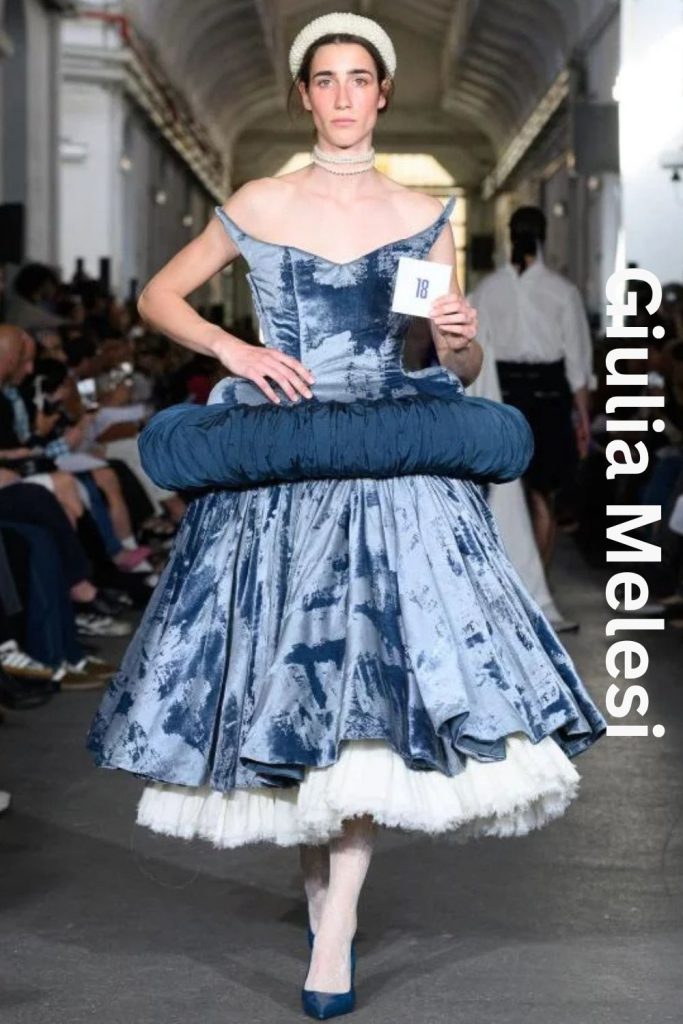
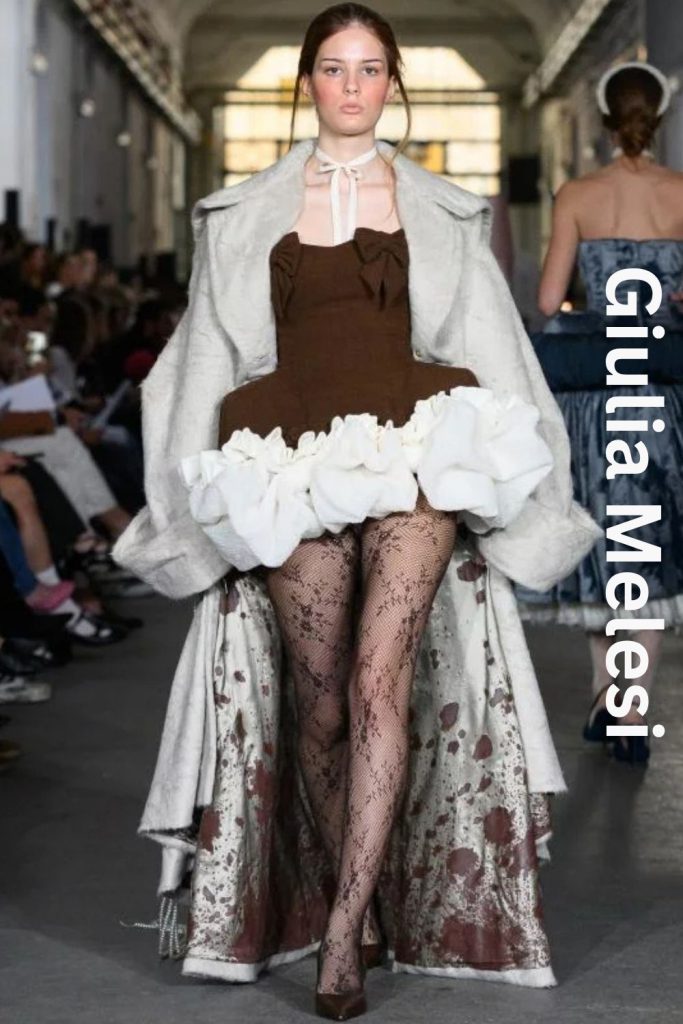
What excites Melesi is fashion’s potential to communicate ideas that are uncomfortable, not just desirable. What concerns her is how quickly the industry neutralises those ideas. She sees a tendency to romanticise themes like femininity or childhood without acknowledging their complexity. Melesi is interested in resisting that flattening, creating work that holds its meaning within a system driven by speed and consumption.