


The ArtEZ Fashion BA 2026 graduation show, themed The Art of Becoming (presenting Generation 68) at De Zoetenlab in Arnhem, delivers a powerful, deeply introspective showcase where fashion acts as a vehicle for personal transformation, memory, and cultural critique. True to the academy's rigorous legacy, this cohort moves past superficial aesthetics to confront raw human experiences, grounding lofty philosophical concepts with exceptional technical discipline and authentic storytelling. Standout collections include Casper Naafs’ SuperMen, SwagKnights, Young Boy Prince, which masterfully balances a raw, homemade aesthetic with precise tailoring to explore masculine identity, and Sofiia Popil’s Intermezzo, which uses heavy, protective outerwear layers and traditional Hutsul craftsmanship to reflect on the psychological resilience of the war in Ukraine. Meanwhile, Nina Železnik’s SFINGA. pushes textile boundaries by turning brutalist, concrete-inspired shapes into rigid yet wearable sculpture, beautifully complementing the raw youth-culture energy of Enzo Faber’s What Else Is New and the meditative, highly textured handcraft of Luus van Steenbergen’s Sacred Surface.
Ultimately, The Art of Becoming proves that ArtEZ remains a premier incubator for designers who view textiles as a living diary without sacrificing structural execution. While graduate collections can occasionally lose themselves in high-concept abstraction, Generation 68 anchors its emotional depth with genuine pattern-cutting discipline and a sophisticated command of material manipulation—clearly showing the lasting impact of their foundational Toile-de-Luxe training. It is a highly cohesive yet deeply individualistic presentation, demonstrating that this new wave of talent is fully prepared to challenge the boundaries of contemporary fashion through a balance of conceptual vulnerability and refined, industry-ready skill.
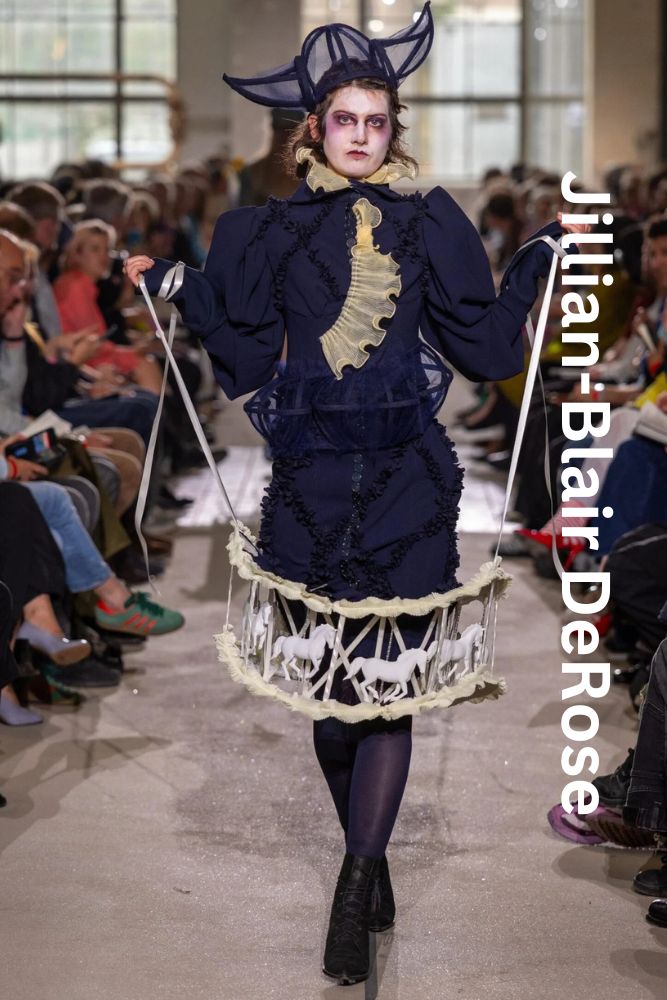
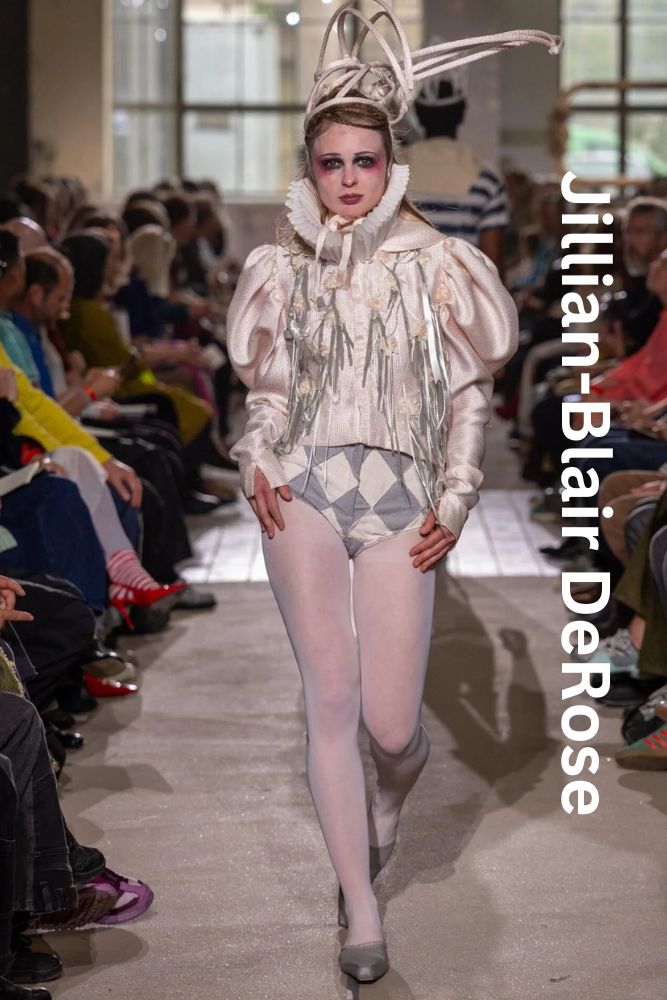
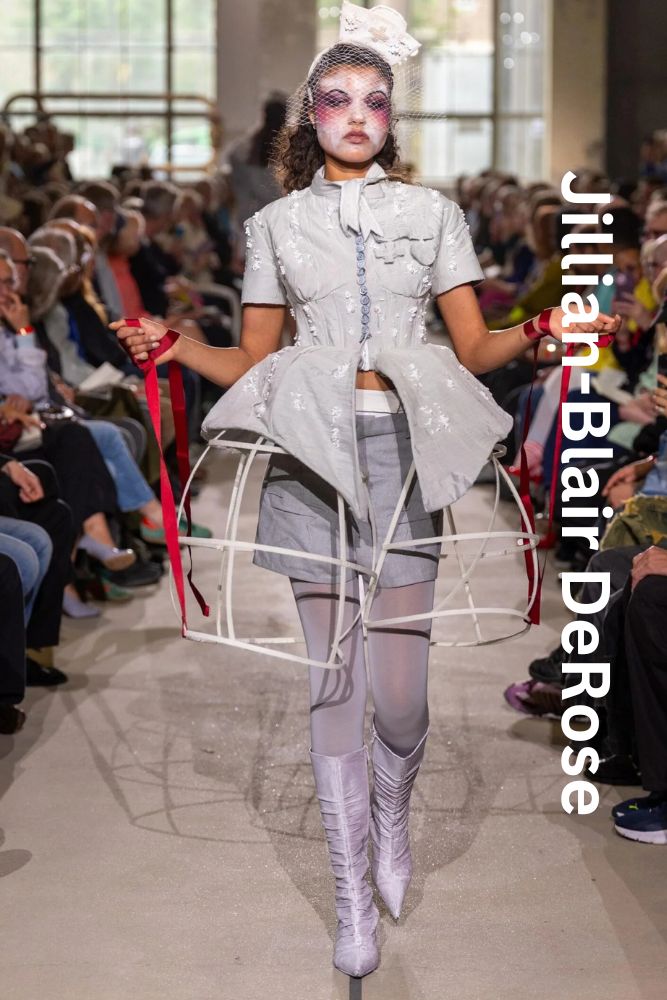
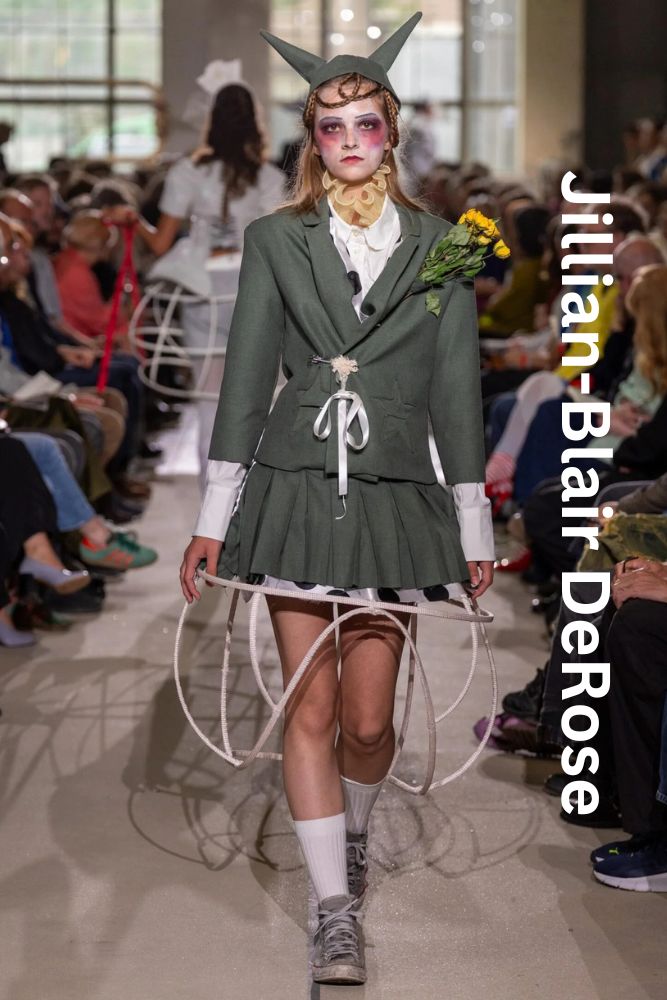
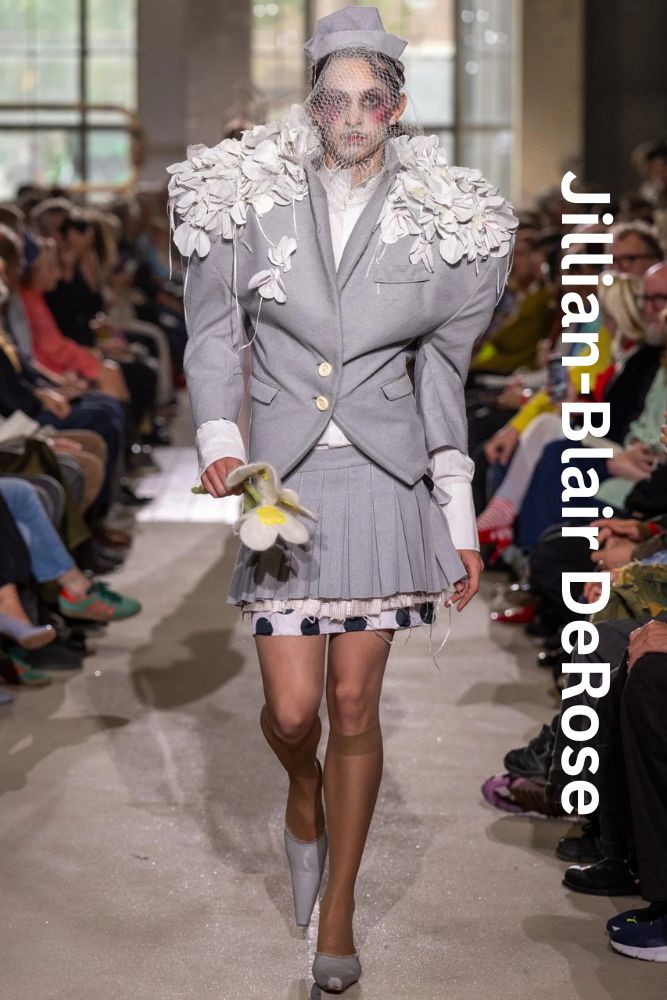
Jillian-Blair DeRose’s collection channels the traditional pantomime character Pierrot to explore self-preservation and emotion. Representing methods of escaping psychological turmoil, each look adopts a distinct coping archetype: the Jester uses comedy, the Nurse provides care, the Sailor seeks adventure, and the Strongman embodies resilience.
DeRose develops each character through expressive textile techniques and eclectic material combinations, pairing deadstock wool crêpe, woven silk, and needle-felted wool with layered PVC, 3D-printed elements, and intuitive beading.
While concerned by the financial barriers facing emerging talent, DeRose is inspired by initiatives expanding industry access. Ultimately, she believes fashion reaches its peak power when it constructs immersive worlds by seamlessly blending clothing, styling, and storytelling.
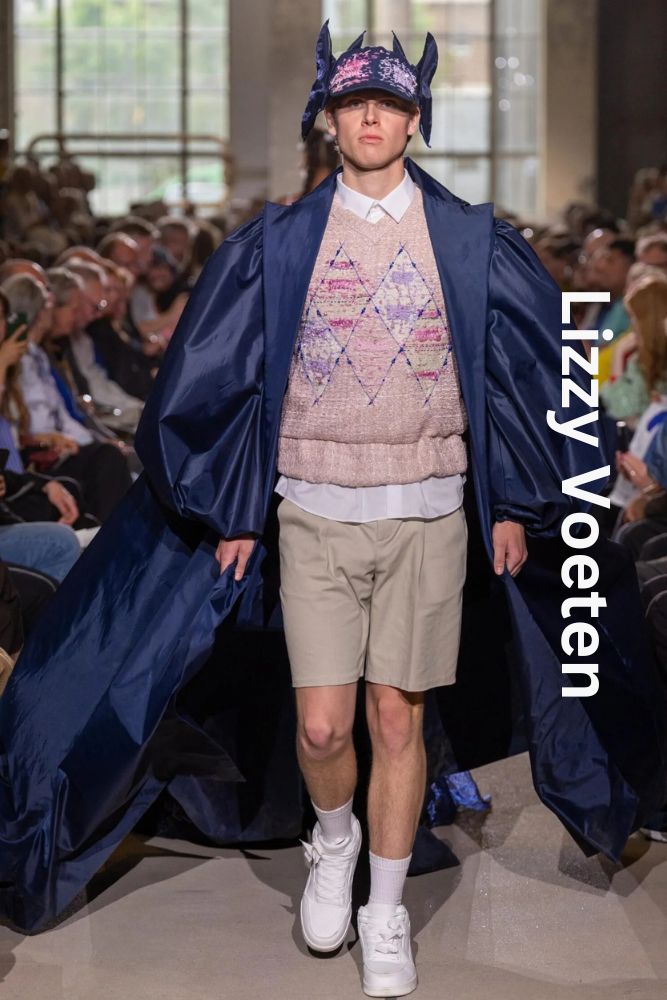
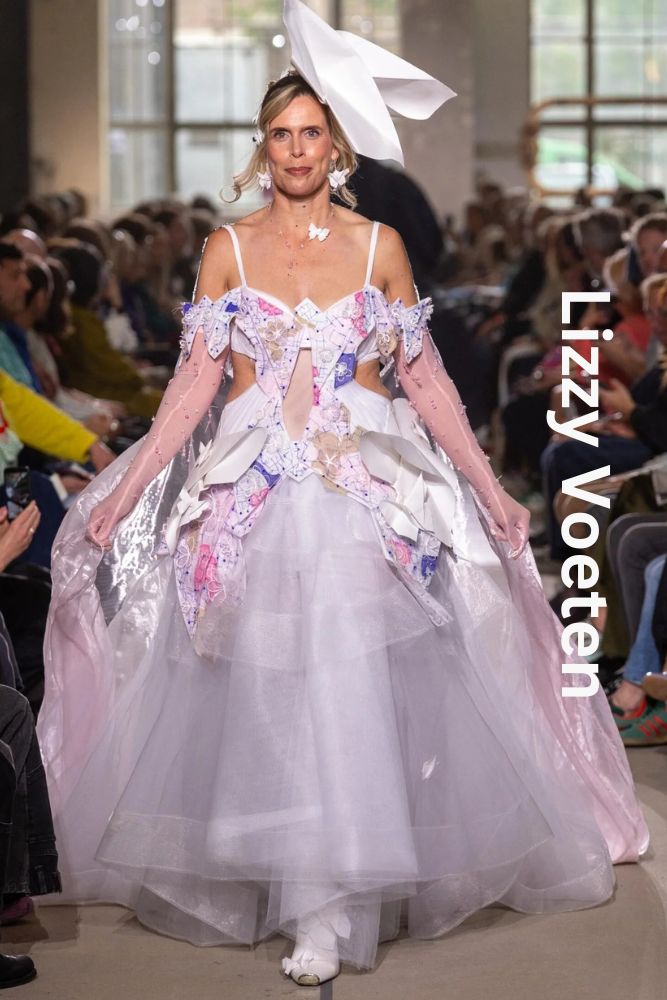
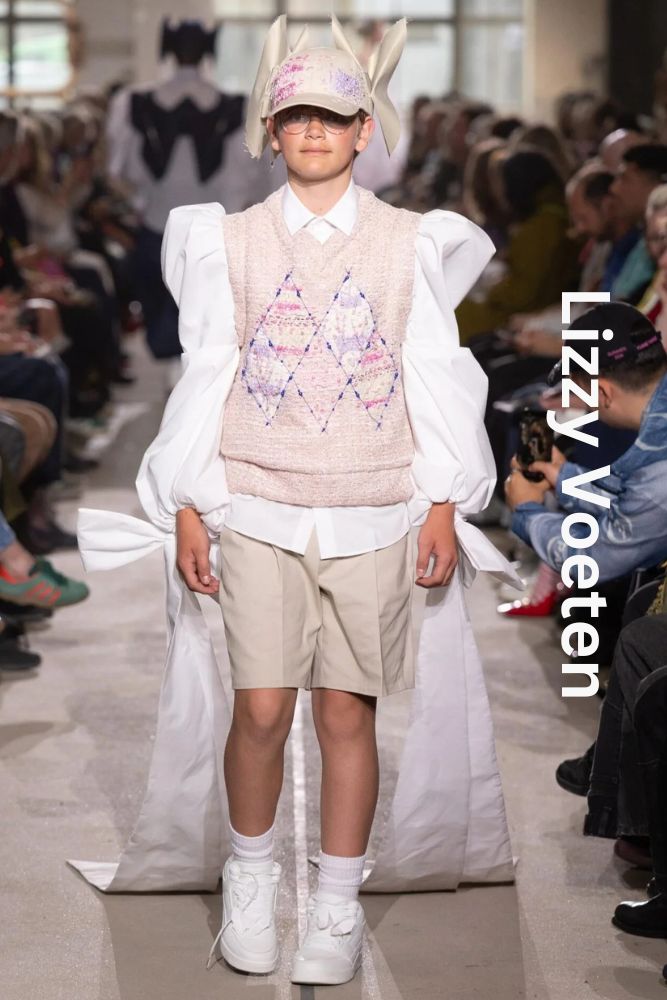
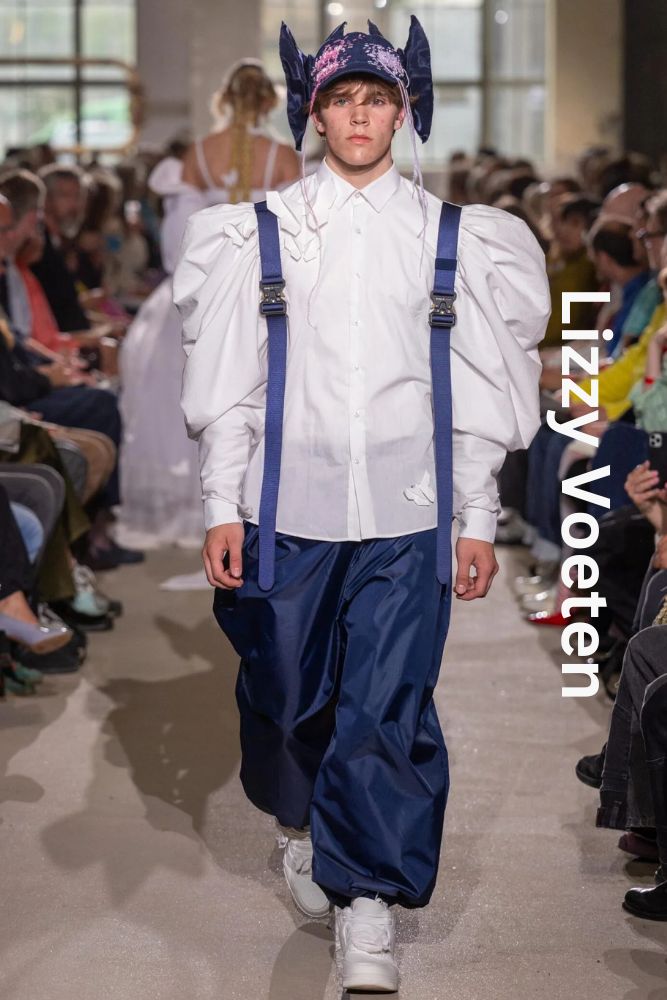
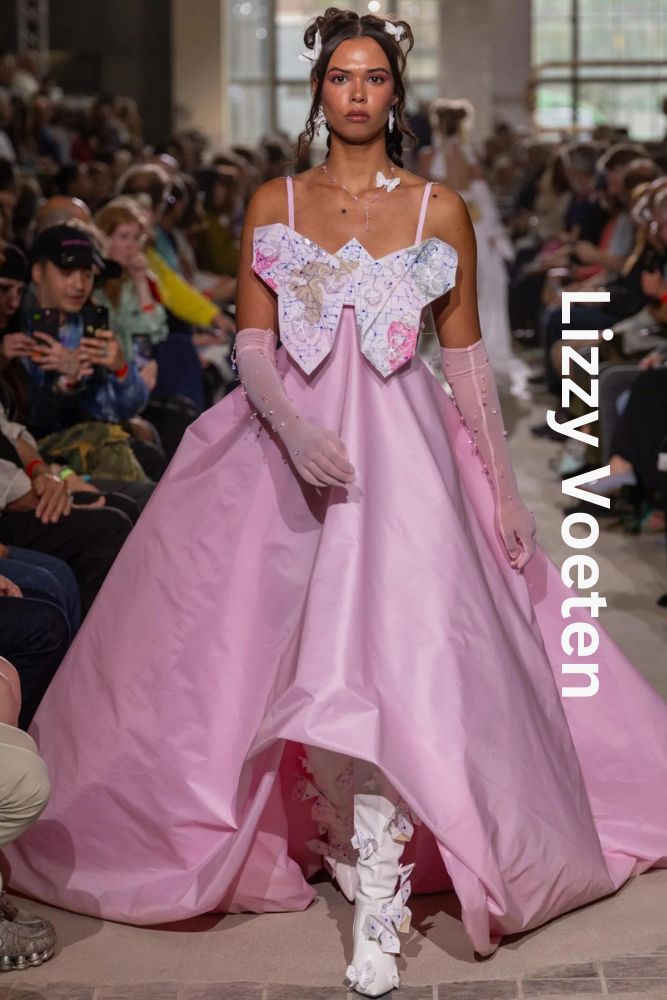
Lizzy Voeten’s deeply evocative fashion collection, Eclosion, beautifully explores the timeless themes of innocence, vivid imagination, and personal transformation, all sparked by the nostalgic memory of a single childhood photograph. Within this narrative, delicate butterflies emerge as profound symbols of personal growth and continuous metamorphosis. Intricately embroidered maps trace the exact geographical locations that have shaped her life's journey, while whimsical parachutes beautifully represent the enduring love and constant protection of her parents as she steps into adulthood. Together, these carefully crafted elements celebrate a powerful core philosophy: growing up does not mean abandoning childhood wonder. Instead, it encourages carrying that innate curiosity, raw authenticity, and boundless imagination forward into the future, beautifully blending past memories with upcoming new horizons.
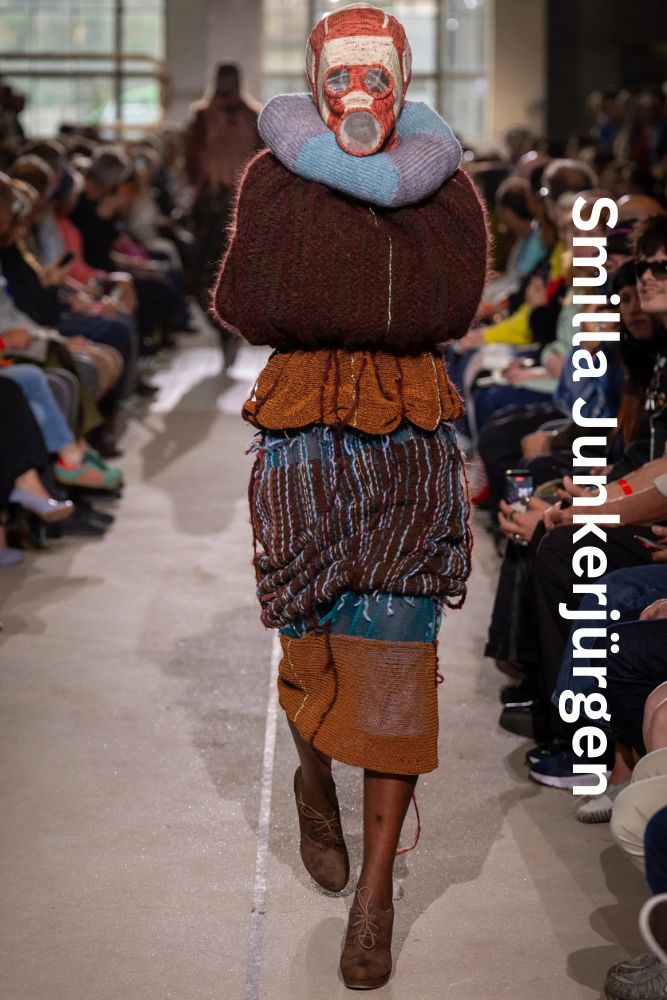
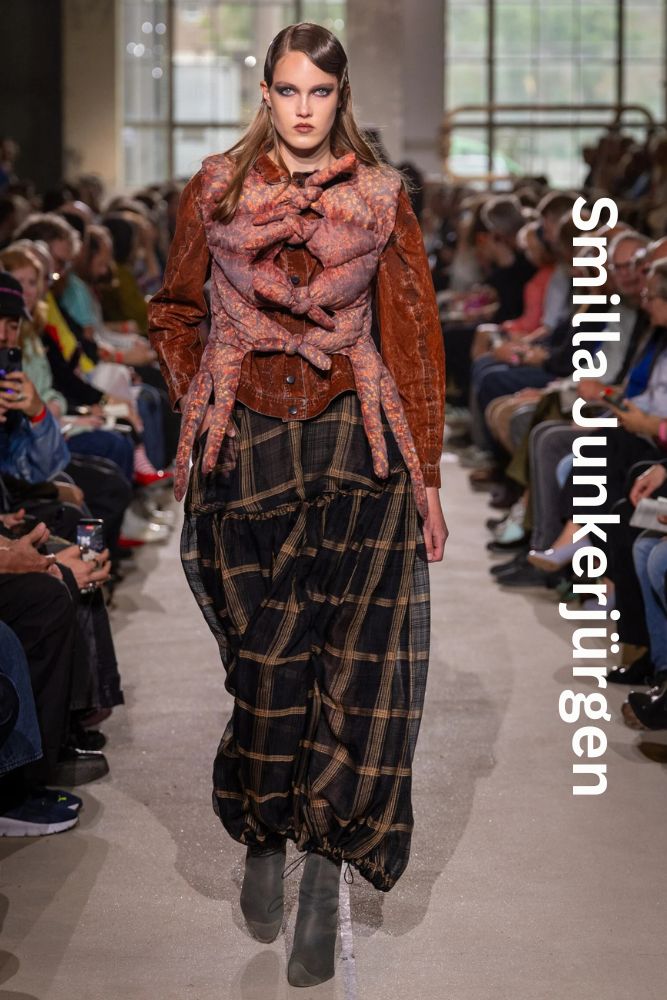
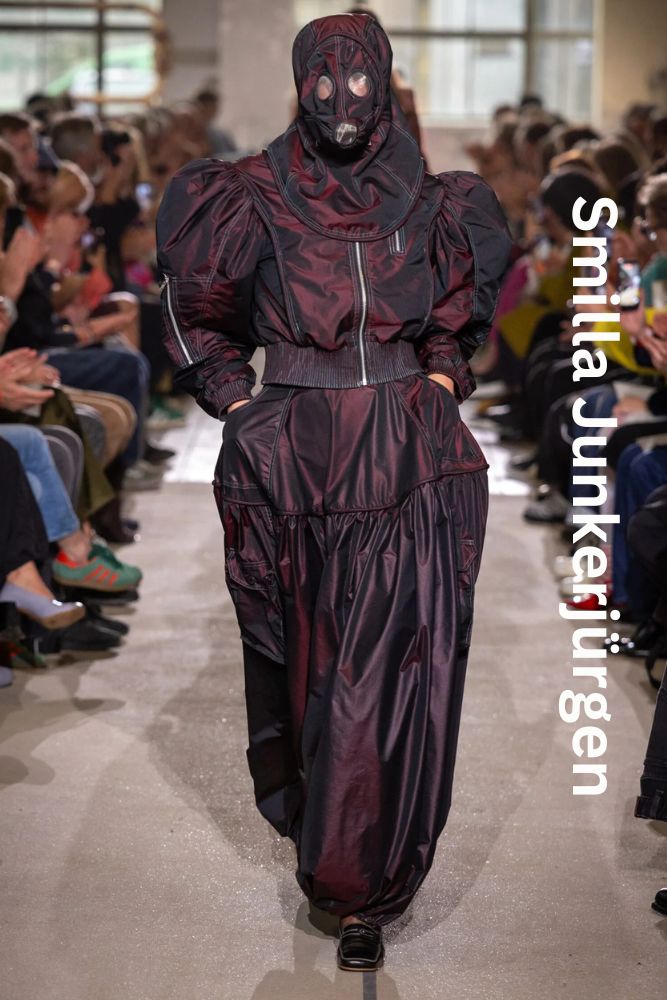
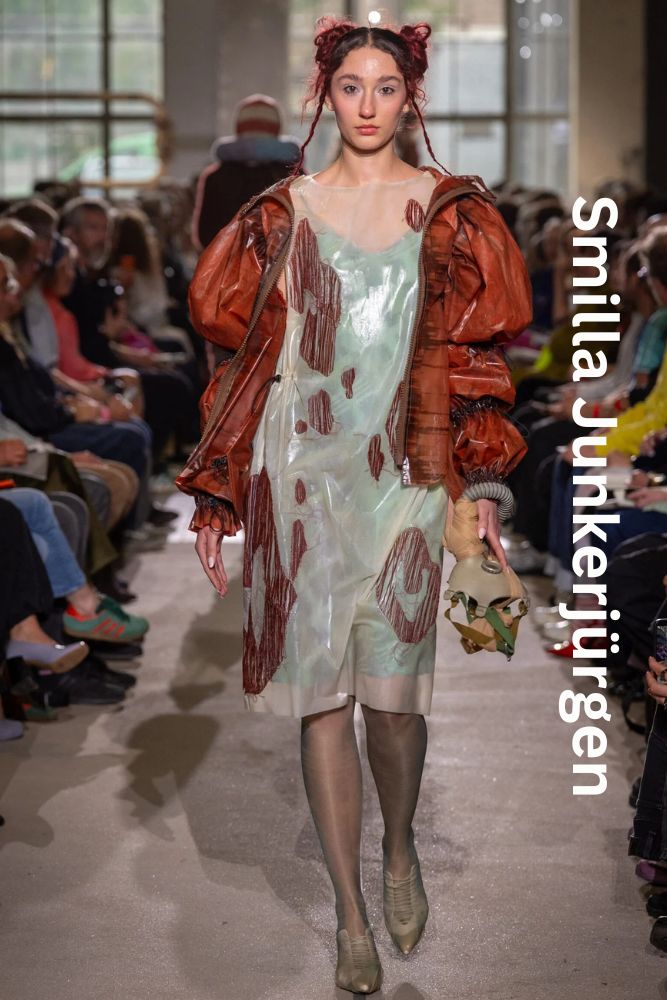
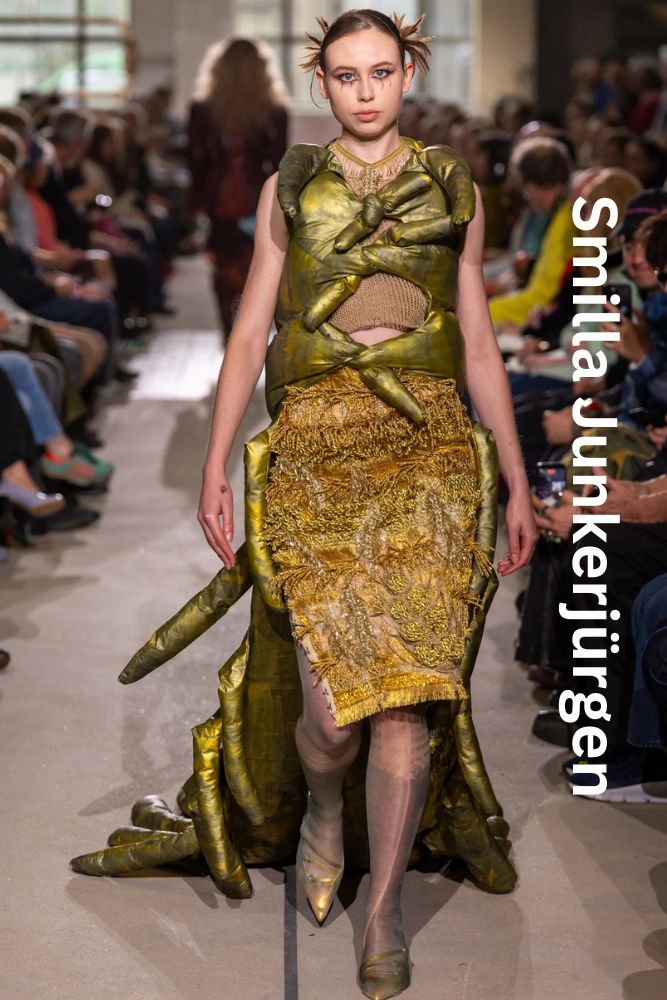
Smilla Junkerjürgen’s evocative collection deeply explores the gradual loss of core humanity through the commodification of grain, tracing its complex origins back to the ancient shift from hunter-gatherer societies to agriculture. This compelling project examines how this societal transition continues to shape contemporary life, using structural shape, raw colour, and intricate textile detail to explore the friction between human nature and production systems, alongside ideas of gluttony and greed. While the collection fully acknowledges these destructive economic forces, it simultaneously suggests that the resilient human spirit is never entirely lost. Ultimately, Junkerjürgen proposes tactile clothing and innovative textiles as a powerful means of reclaiming authentic connection and actively resisting modern commodification.
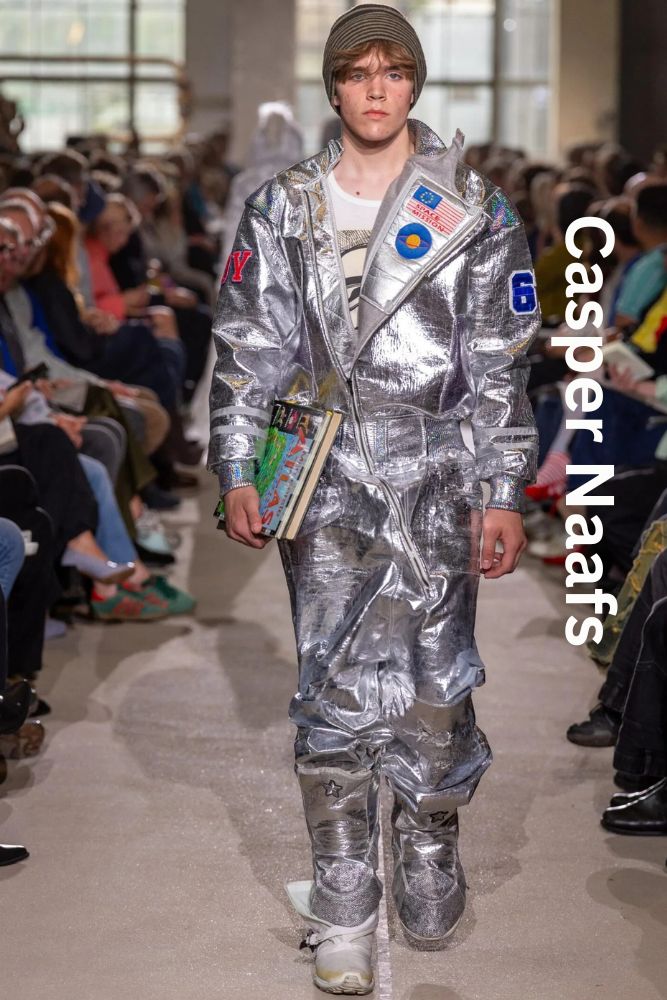
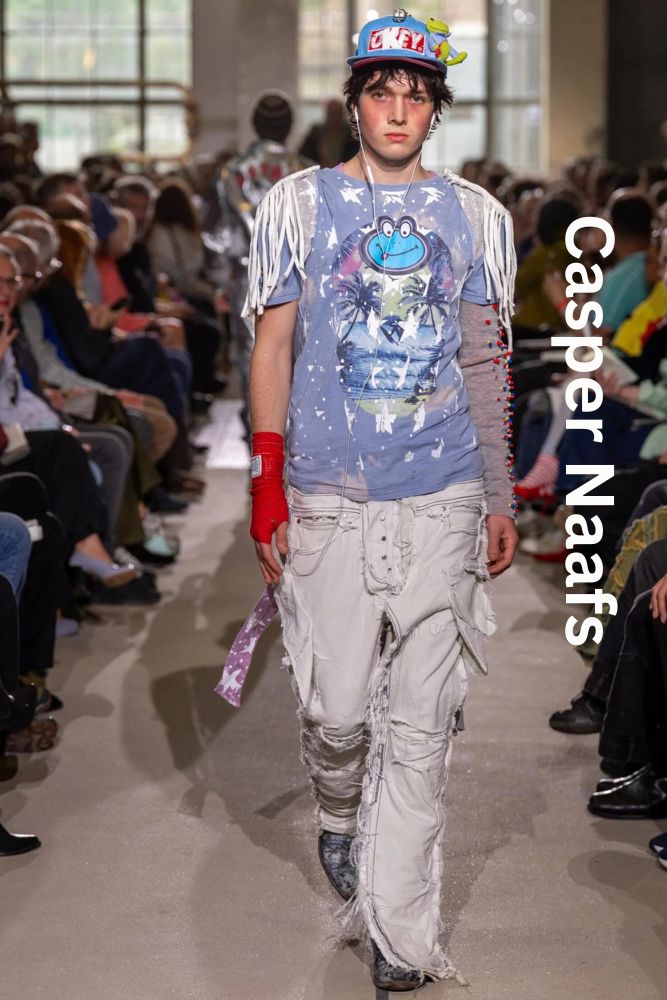
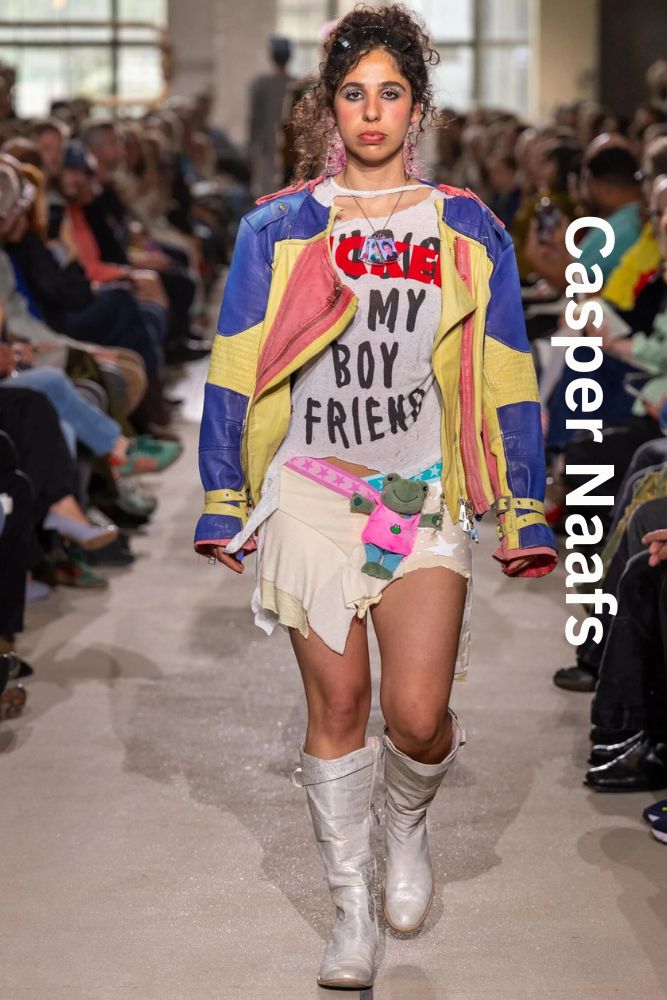
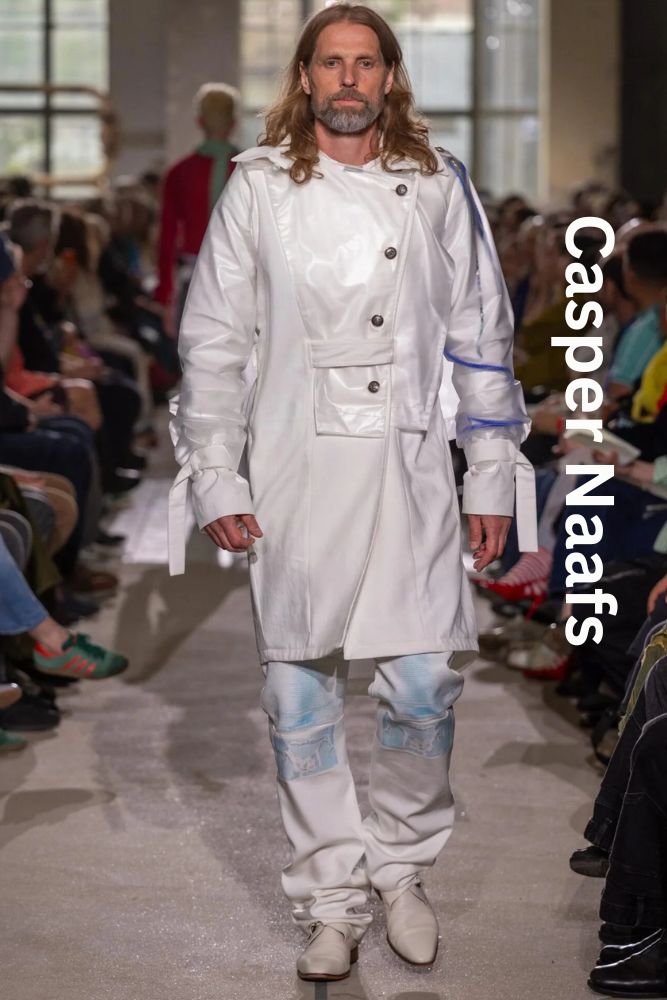
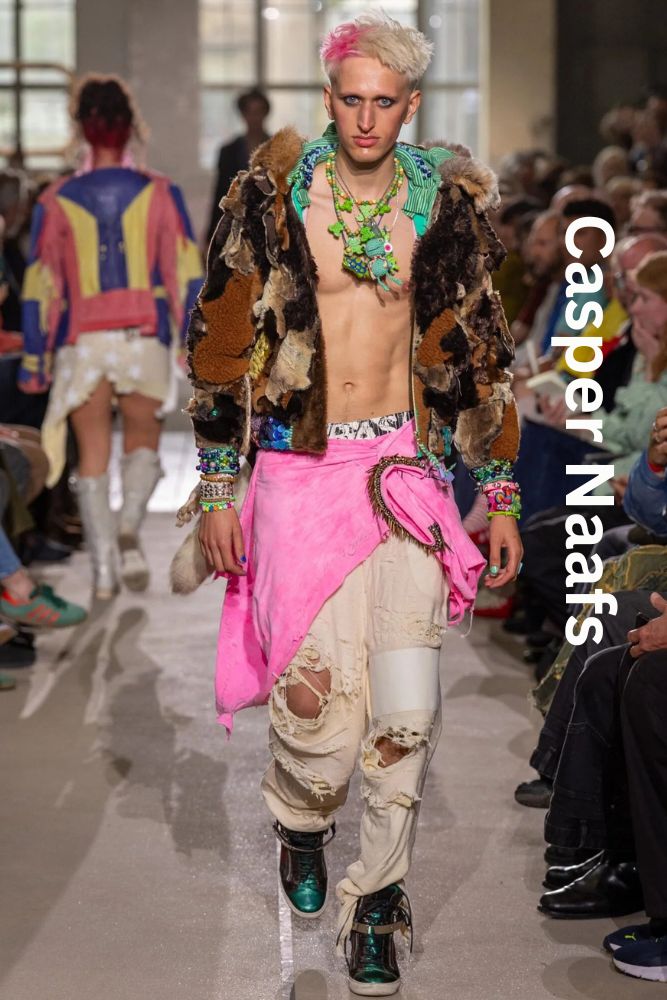
Casper Naafs’ striking collection, SuperMen, SwagKnights, Young Boy Prince, brilliantly traces his personal journey of growing up through clothing. It captures the initial awkwardness and eventual confidence that naturally comes from learning to express oneself authentically. Embracing a wonderfully eclectic understanding of fashion, Naafs seamlessly brings together couture and carnival, luxury and bad taste, and polished and amateur references. He achieves this through a distinctive creative process he describes as “sketching with garments.” Existing clothing is carefully reused and remixed into entirely new combinations. This fluid approach is fully supported by sharp technical detailing and a stylistic vision that draws heavily on familiar fashion archetypes alongside recent eras of dress.
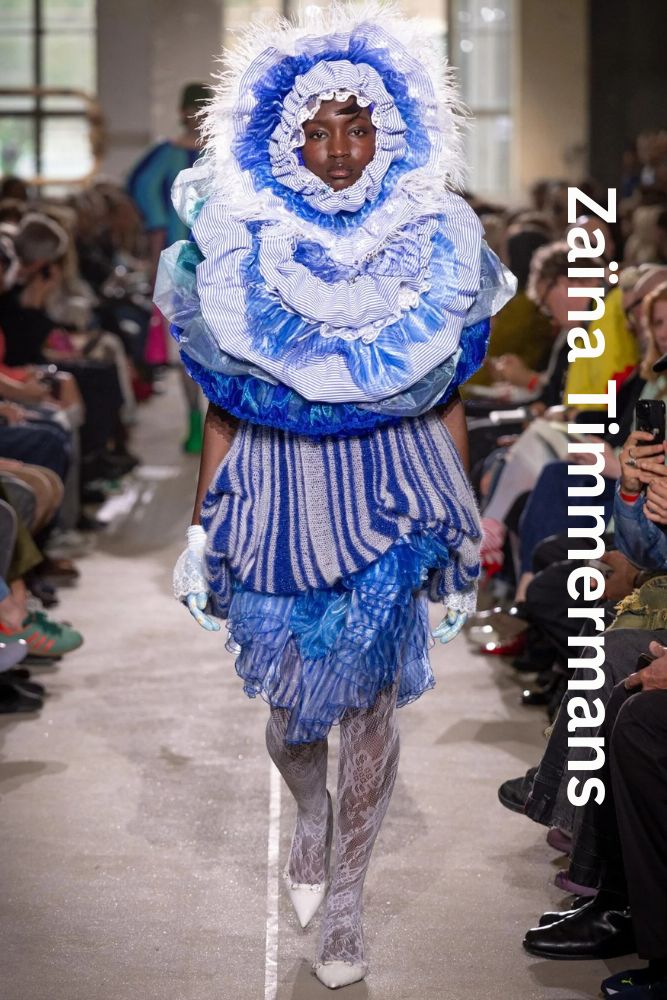
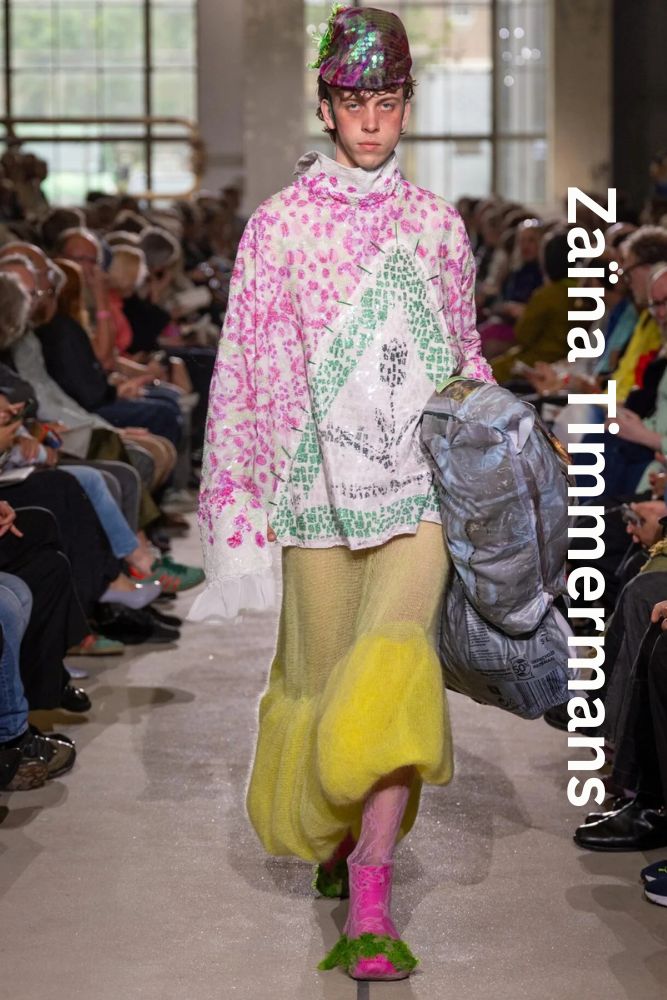
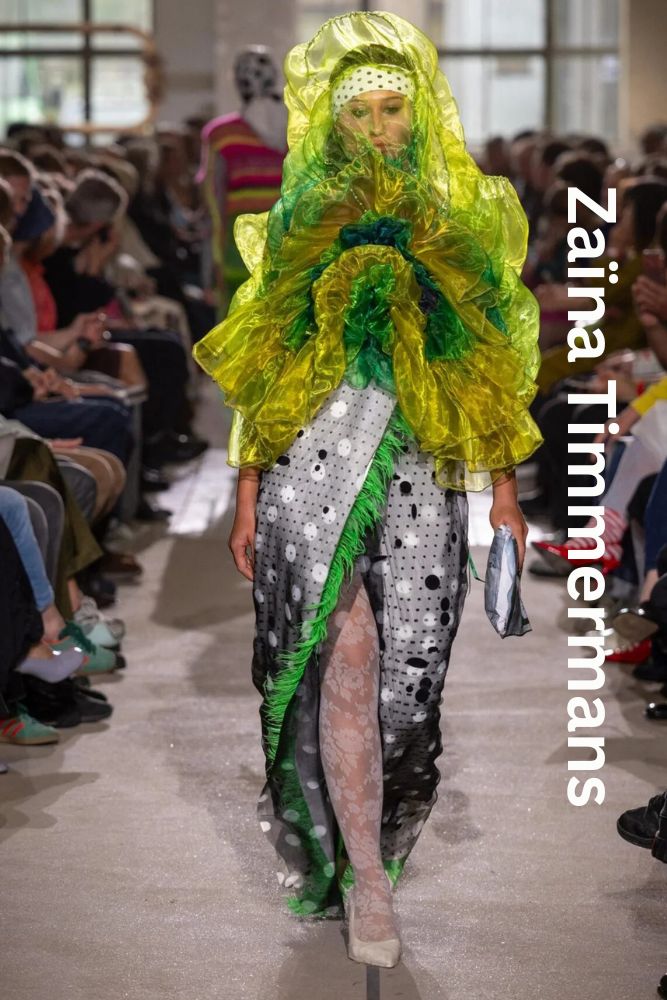
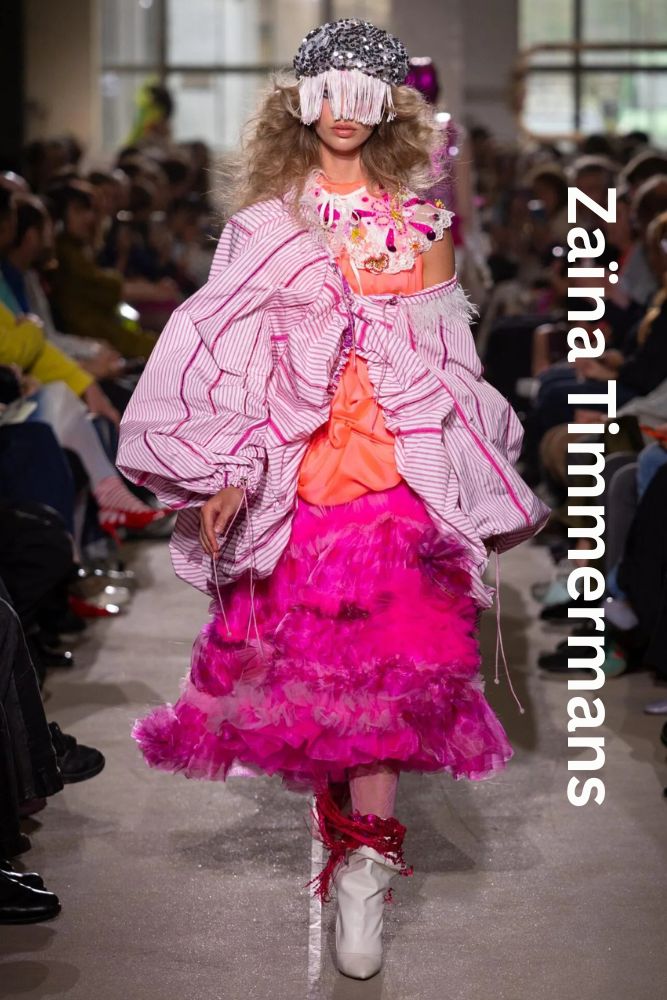
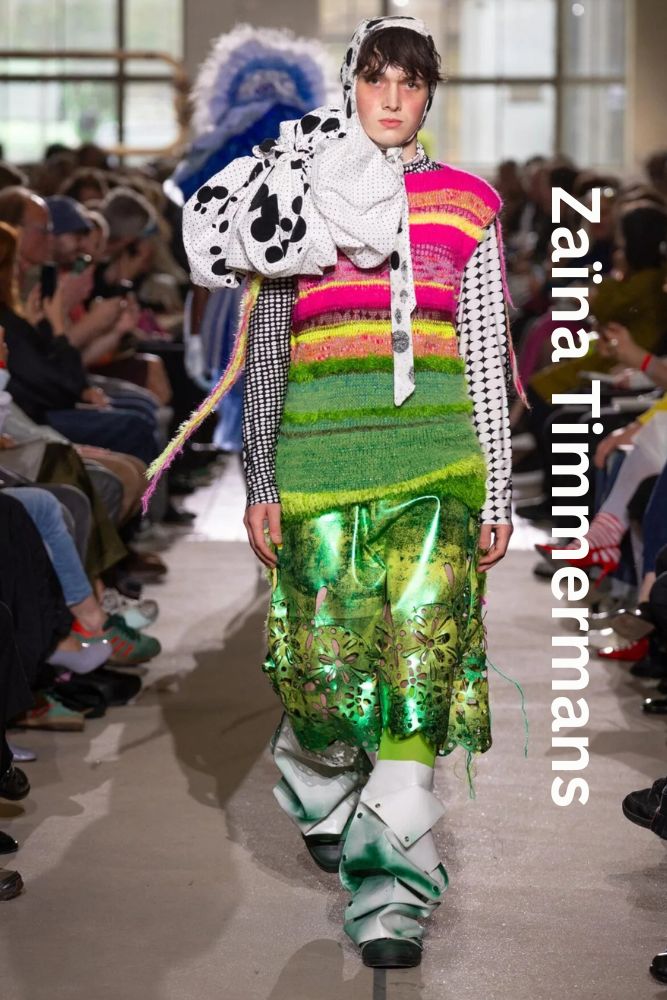
Zaïna Timmermans’ vibrant collection, Adaptation, beautifully began with the gentle idea of personal self-care. Regularly buying herself fresh flowers became a powerful act of self-love, forming the starting point for a narrative centred on blooming, growth, and inner transformation. The functional figure of the gardener is translated through clever styling elements including gloves, watering cans, and potting soil bags, while tropical flowers, particularly orchids, inform original prints and intricate textile developments. Drawing on her Belgian background, Timmermans expertly reinterprets traditional lace through modern leather cut-outs and structured patchwork. This approach combines printing, drawing, and multi-media collage to masterfully bring together a vivid celebration of colour, texture, and pure playfulness.
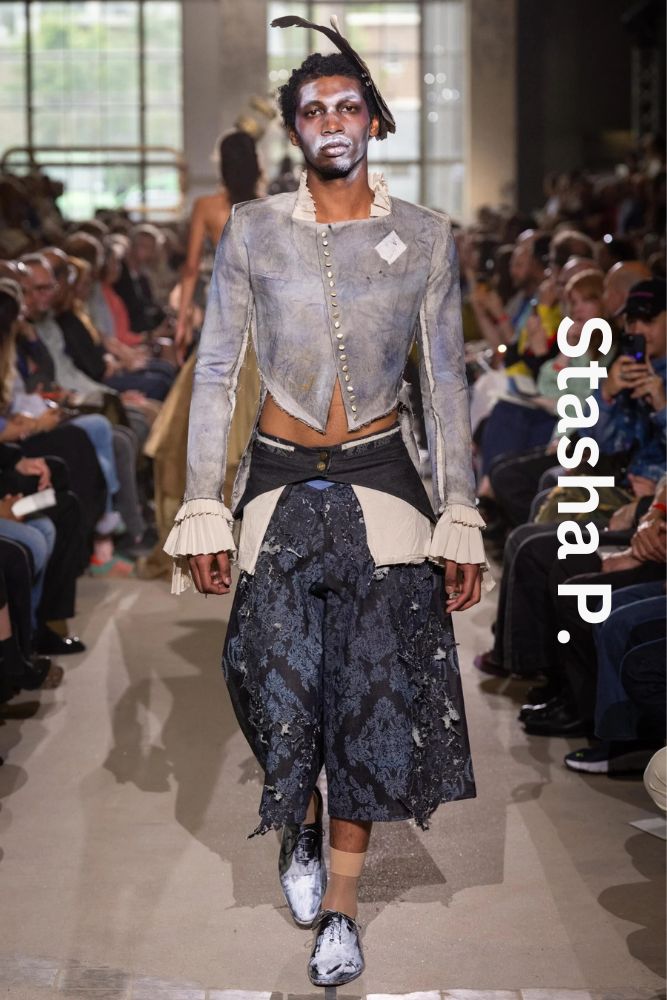
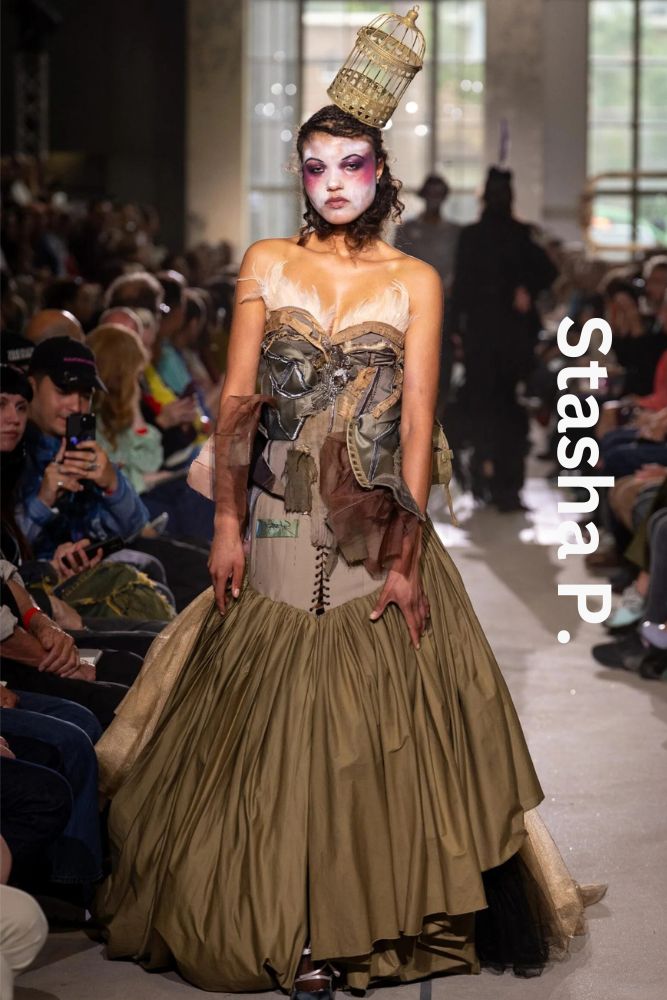
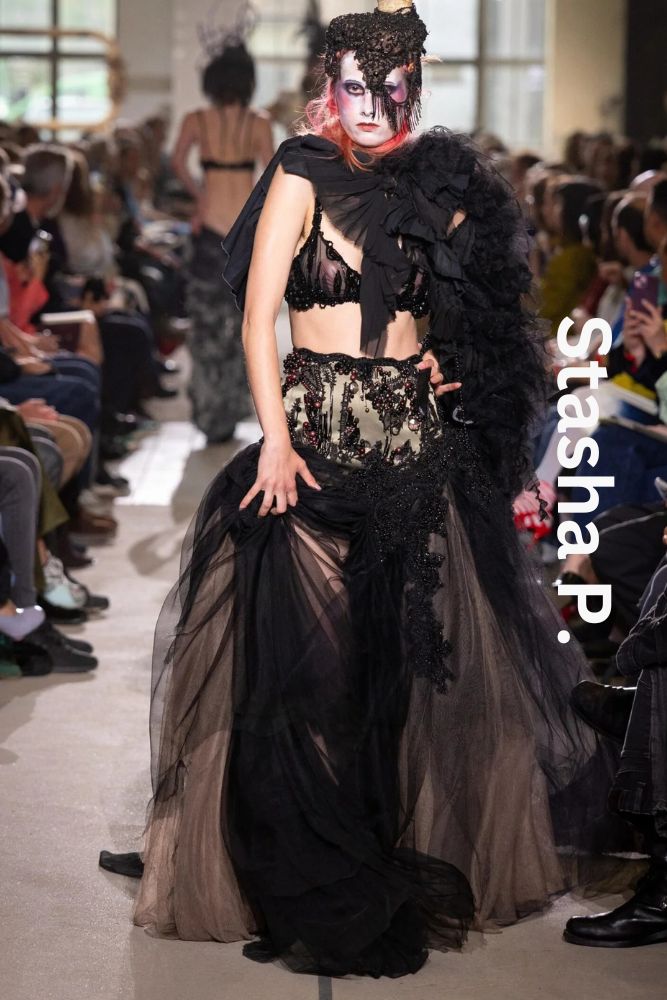
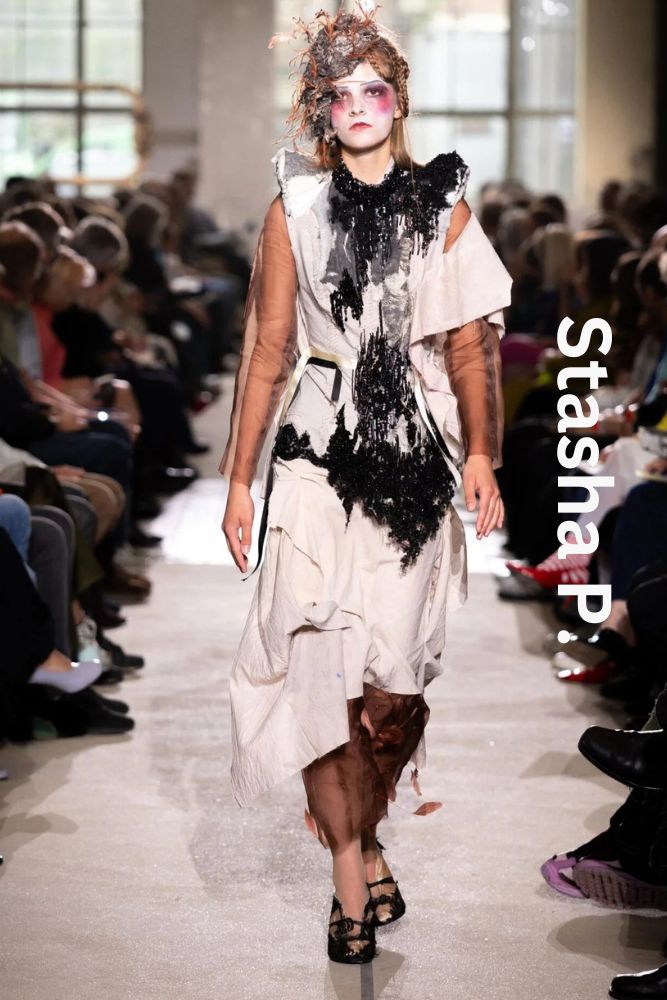
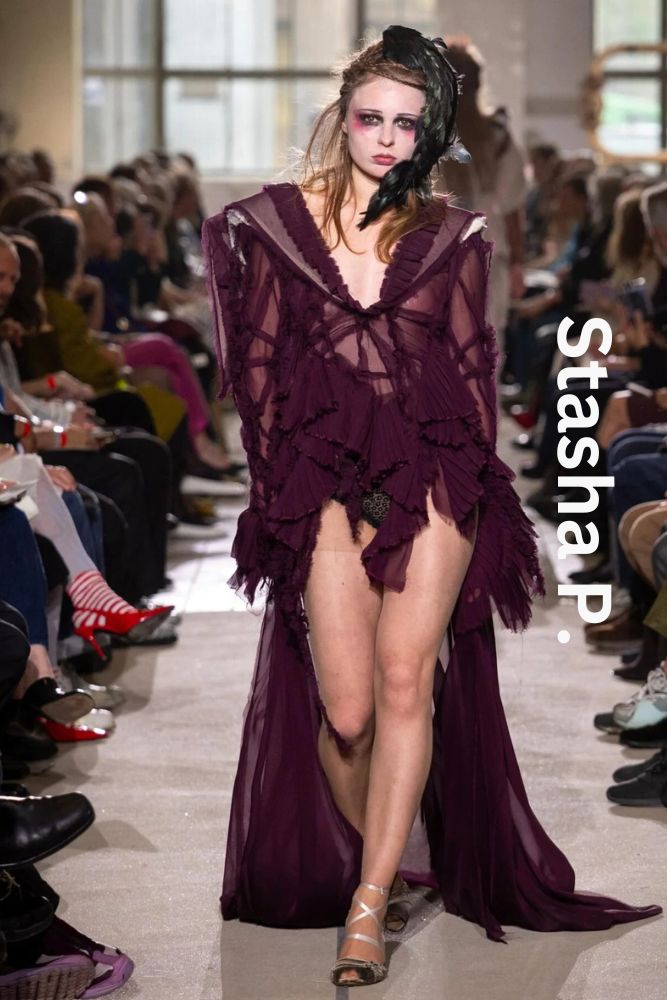
Stasha P.’s evocative collection, The Great Escape, powerfully explores the cycle of transformation through the intertwined themes of death, decay, and eventual rebirth. Deeply inspired by the myth of Icarus and the designer’s own profound personal experiences of losing hope, the project critically examines the complex relationship between total destruction and spiritual renewal. Through the use of striking anatomy, second-skin garments, historical silhouettes, and avian forms, the pieces come alive. Elements of asymmetry, distinct distortion, complex layered construction, and highly manipulated surfaces evoke feathers, exposed flesh, and bodies in constant transition. Finally, dark neutral tones, punctuated by vivid blue, purple, and metallic accents, expertly reinforce the underlying tension between deep human suffering and the absolute, soaring feeling of ultimate liberation.