

Dark jazz-pop, doll aesthetics, and the art of taking up space without apology.
ROSHANAK’s new single "Get Me Good" and her new EP drop August 7th across all streaming platforms.
W: Mandy Morgan I: Max Chu
There’s a specific kind of magic that happens when an artist stops trying to fit into the industry’s pre-cut molds and instead builds their own universe. Enter ROSHANAK—the Iranian Canadian singer-songwriter blending dark jazz-pop, theatrical flair, and fiercely vulnerable storytelling into something entirely her own.
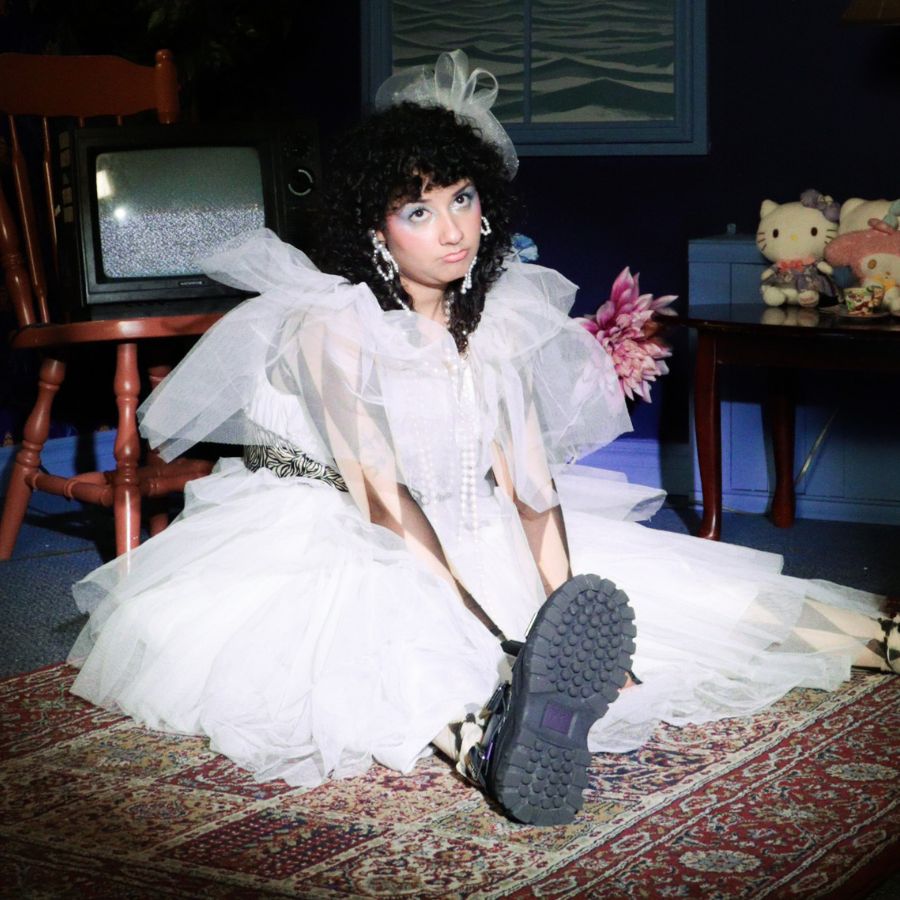
Dressed in a doll-inspired aesthetic that deftly subverts notions of masking, perfection, and neurodivergence, ROSHANAK isn't just making music for the masses; she’s crafting an anthem-laden sanctuary for anyone who’s ever been told they’re "too much."
Ahead of her explosive new single "Get Me Good" and its accompanying EP drop on August 7th, we sat down with the artist to talk about setting boundaries, pre-show stimming, and entering her darkest, most cinematic era yet.
"I dress like a doll, I embrace my individuality, and I want people to feel like they don't have to hide the parts of themselves they've always been told are 'too much.'"
or anyone who’s yet to discover your sound, how would you describe the ROSHANAK experience?
ROSHANAK: I’d describe my music as dark jazz-pop with raw, authentic storytelling. I grew up inspired by artists like Lily Allen, who could tell deeply personal stories in such an honest way. My songs can be haunting, heartbreaking, and emotional, but there’s always beauty underneath them. Every lyric comes from a real place.
Your visual world is so distinct—especially the doll aesthetic. Who is ROSHANAK at her core?
ROSHANAK: ROSHANAK is a queer Iranian-Canadian singer-songwriter creating with honest storytelling at its core. I write about mental health, heartbreak, healing, growing up neurodivergent, and learning how to take up space without apologizing for who I am. Visually, I lean into a doll-inspired aesthetic that represents masking, perfection, and reclaiming my identity.
Before you step under the stage lights, what does your pre-show ritual look like? Any diva demands on the rider?
ROSHANAK: No diva demands! I like to keep myself grounded before performing. I’ll stretch, go for a short walk, do a few jumping jacks to get my energy up, drink hot water, warm up my vocals, and spend a little time on my iPad to relax. Because I’m autistic, I always have my stim toys and noise-cancelling headphones nearby. They help me regulate before stepping on stage.
"Instead of people-pleasing, the new song says: 'Go ahead, try to get me good—this time you won't.'"
Your new single "Get Me Good" drops August 7th alongside the new EP. What’s the story behind this release?
ROSHANAK: It’s the closing track of the EP, and it represents a huge turning point for me. Instead of people-pleasing and allowing others to hurt me, the song says, "Go ahead, try to get me good—this time you won’t." It’s about reclaiming my power, setting boundaries, and refusing to let my past define me anymore.
What can listeners expect when they hit play?
ROSHANAK: A darker, bolder, and sassier side of me. "Get Me Good" still has the emotional honesty my fans know me for, but this time there’s confidence, resilience, and a bit of attitude behind every lyric.
It feels like a major evolution. What’s the biggest shift your audience will notice moving into this new era?
ROSHANAK: Most people know me for emotional, heartbreaking songs, but "Get Me Good" introduces a much more confident and fearless side. Visually, everything is becoming darker and more cinematic, too. My audience is used to colourful, playful visuals, so I think they’ll be surprised by this next chapter.
"Walking away wasn't easy, but I'd rather build a career that's authentic than one based on pretending to be someone I'm not."
Your sound weaves through so many distinct textures. Who inspired the sonic blueprint?
ROSHANAK: Marina, Panic! At The Disco, Britney Spears, Lily Allen, Amy Winehouse, and Mýa have all shaped my music in different ways. Marina taught me that pop music could be deeply emotional; Panic! inspired my love of theatrical songwriting; Britney showed me the power of unforgettable pop melodies; Lily Allen influenced my storytelling; Amy inspired my vocal style; and Mýa’s vocals and harmonies continue to amaze me.
If you could jump in the studio for a dream collaboration right now, who’s on the wish list?
ROSHANAK: I’d love to collaborate with Marina, Lily Allen, MICO, or Eli. They all bring something unique to their songwriting, and I think we’d create something really special together.
Navigating the music industry demands serious grit. What’s the toughest obstacle you’ve faced so far?
ROSHANAK: Learning to say no. There have been opportunities that could have helped grow my career, but they didn’t align with my values or who I wanted to be as an artist. Walking away wasn’t easy, but I’d rather build a career that’s authentic than one that’s based on pretending to be someone I’m not.
Looking at your journey as an artist, what do you consider your greatest strength—and your greatest vulnerability?
ROSHANAK: My greatest strength is that I’m open to criticism and always trying to grow. I also understand that my music isn’t meant for everyone—and that’s okay. I’m making music for the people who truly need it. As for weakness? Probably that I tend to believe the best in everyone, which sometimes leads to trusting people too quickly. I’m also a perfectionist, which makes it hard to know when something is truly finished!
Finally, what’s driving your creative compass right now as you look toward what’s next?
ROSHANAK: Honestly, my fans. Every piece of fan art, every message, every stream, and every person who shows up for a release reminds me why I do this. Their support motivates me to keep writing honestly and pushing myself creatively. Moving forward, I want to perform more acoustic sets with just my guitar, collaborate more, open for bigger acts, and make everything feel even more personal, cinematic, and emotionally connected.
"I’m making music for the people who truly need it, whether they're struggling with mental health, grief, heartbreak, or simply trying to feel less alone."