

DATE: 24th June 2024 PLACE: Frameless. TIME: 20.00
I: Vianney Le Caer
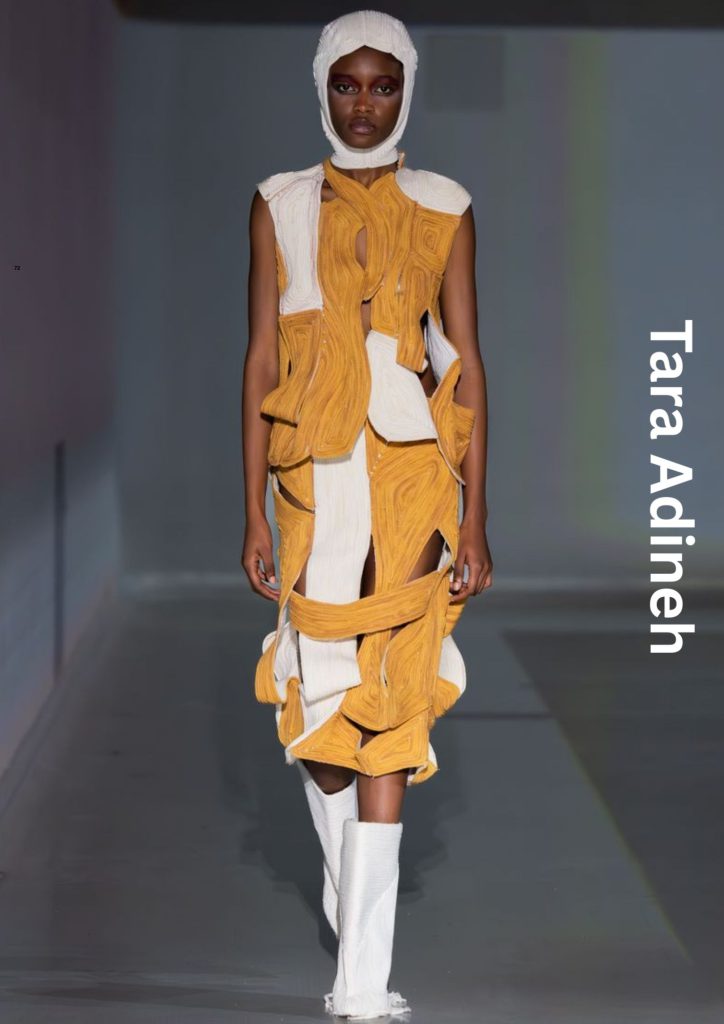
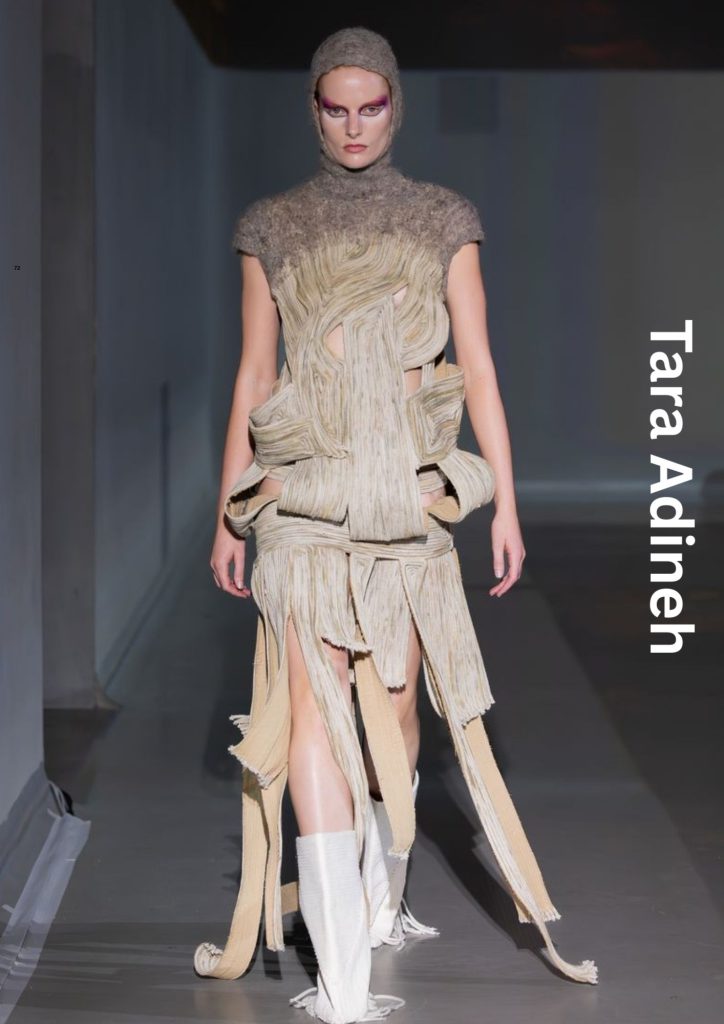
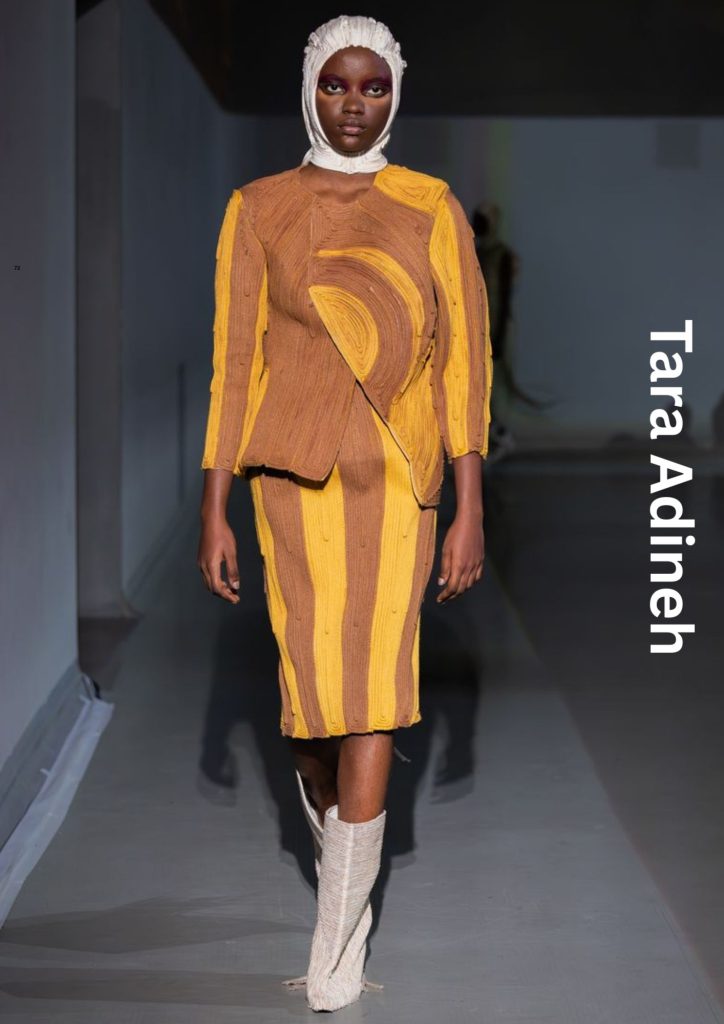
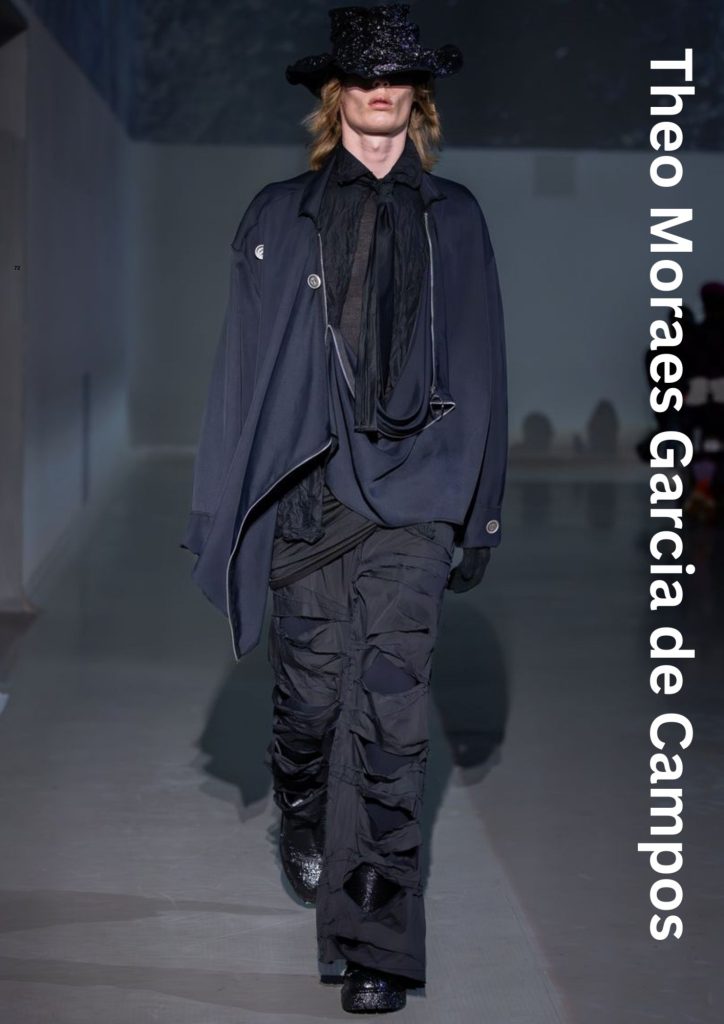
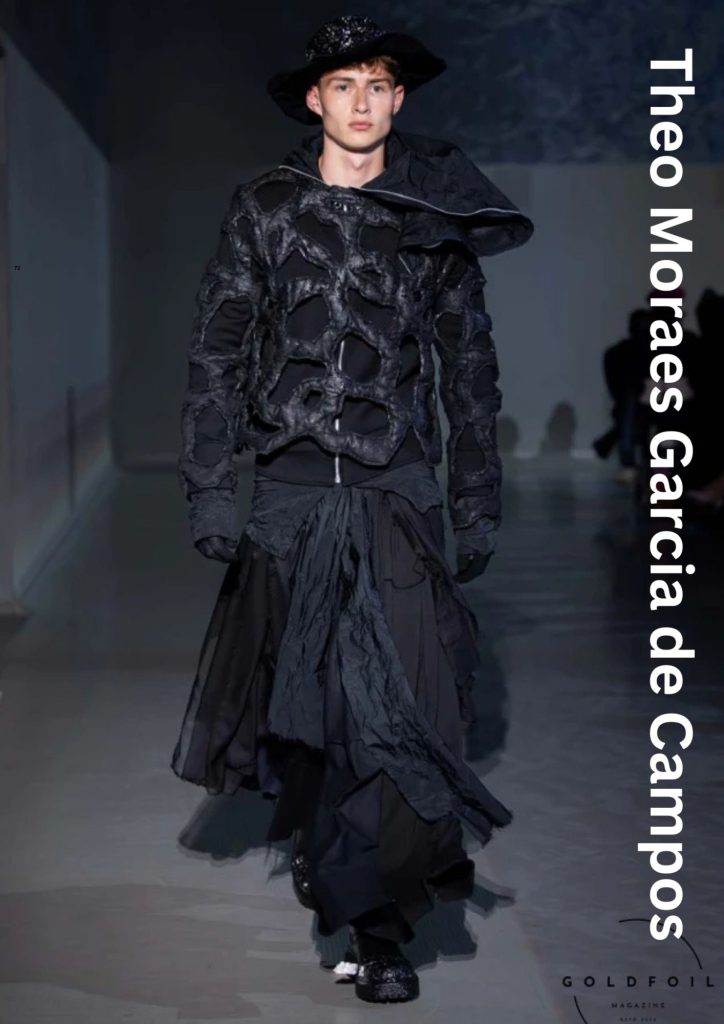
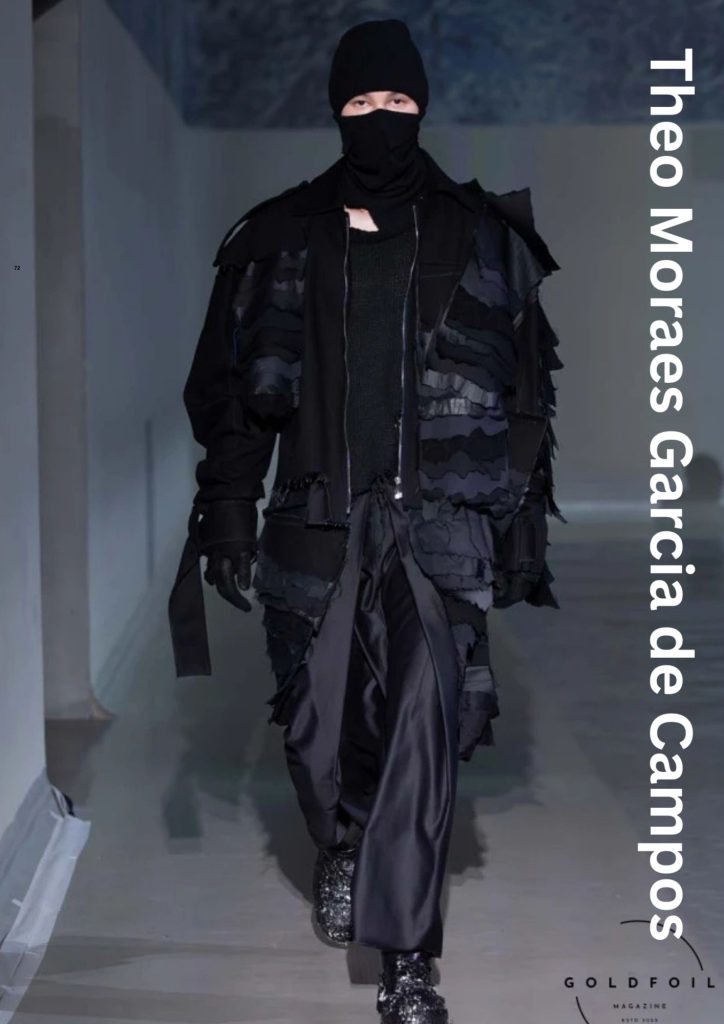
The Istituto Marangoni London Graduate Fashion Show 2024, themed “Define Identities,” was a high-voltage exploration of personal heritage and technical defiance. Tara Adineh, named Designer of the Year, stole the spotlight with her collection “The Absurd Hero.” Drawing from Sisyphus and Camus, Adineh masterfully transitioned traditional basket-weaving into wearable architecture, utilizing rigid stitched ropes to cocoon the body in "stone-like" textures. Her work was perfectly balanced by Theo Moraes Garcia de Campos, whose collection “As the Solid Meets the Fluid” offered a masterclass in upcycling. By repurposing fabric scraps from London manufacturers into oversized, rock-textured bombers and fluid, water-like drapes, Moraes Garcia de Campos proved that high-fashion sustainability is no longer a niche, but a sophisticated aesthetic requirement.
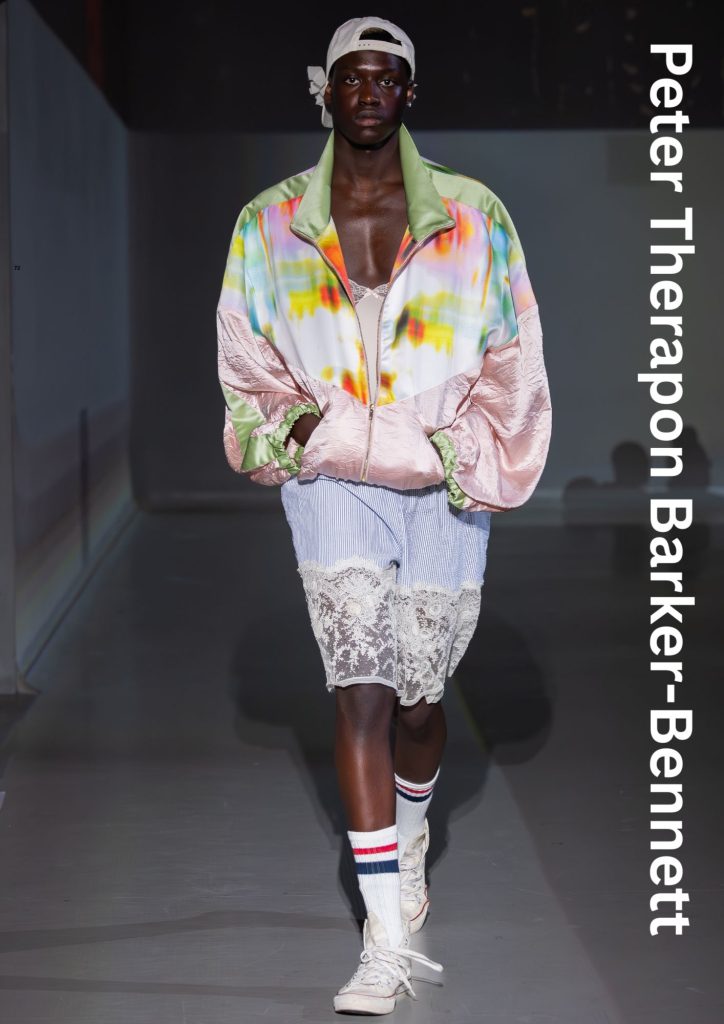
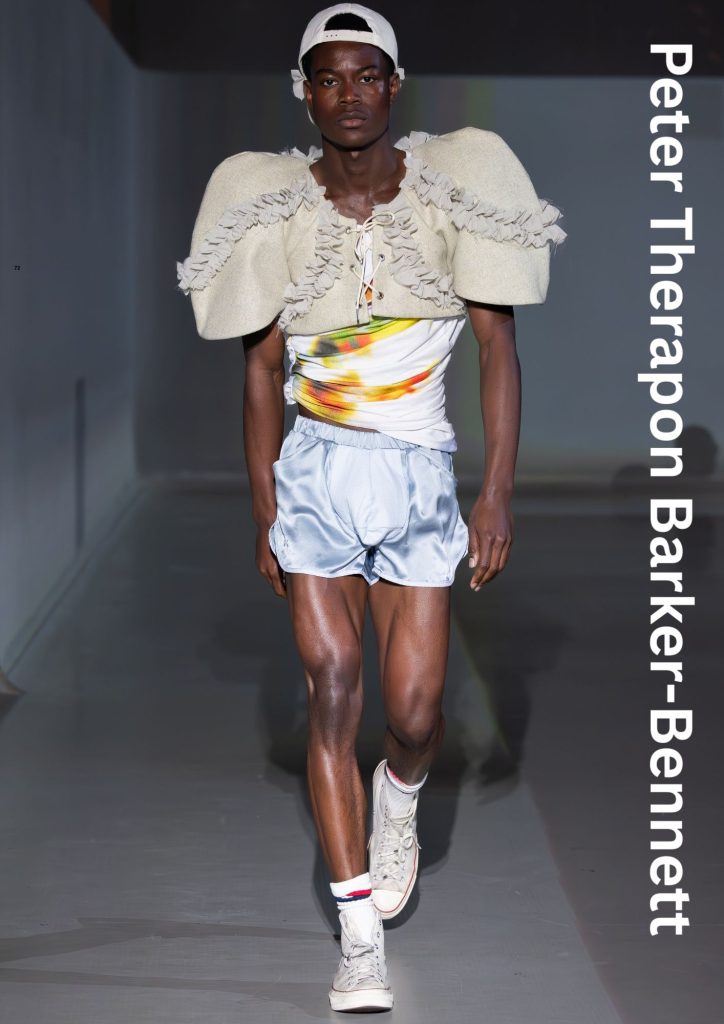
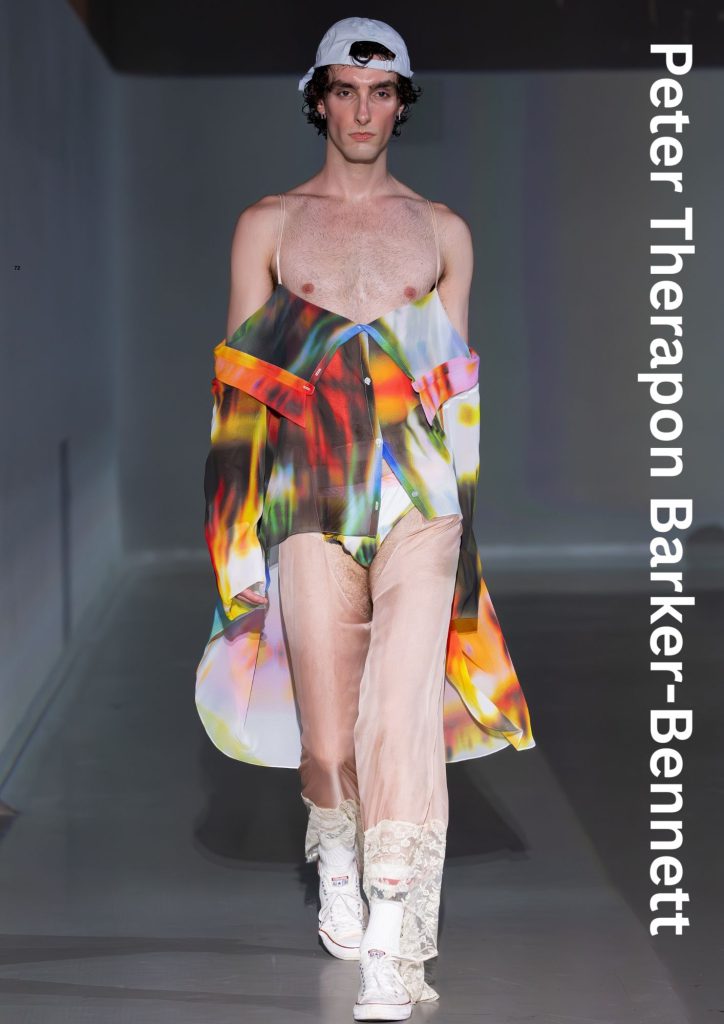
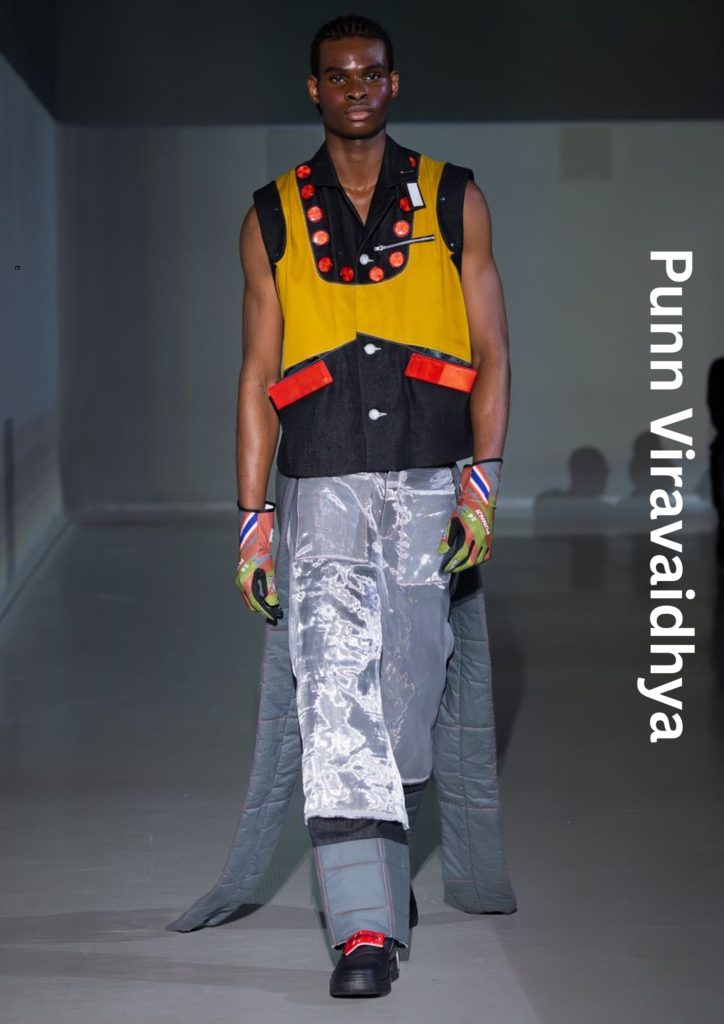
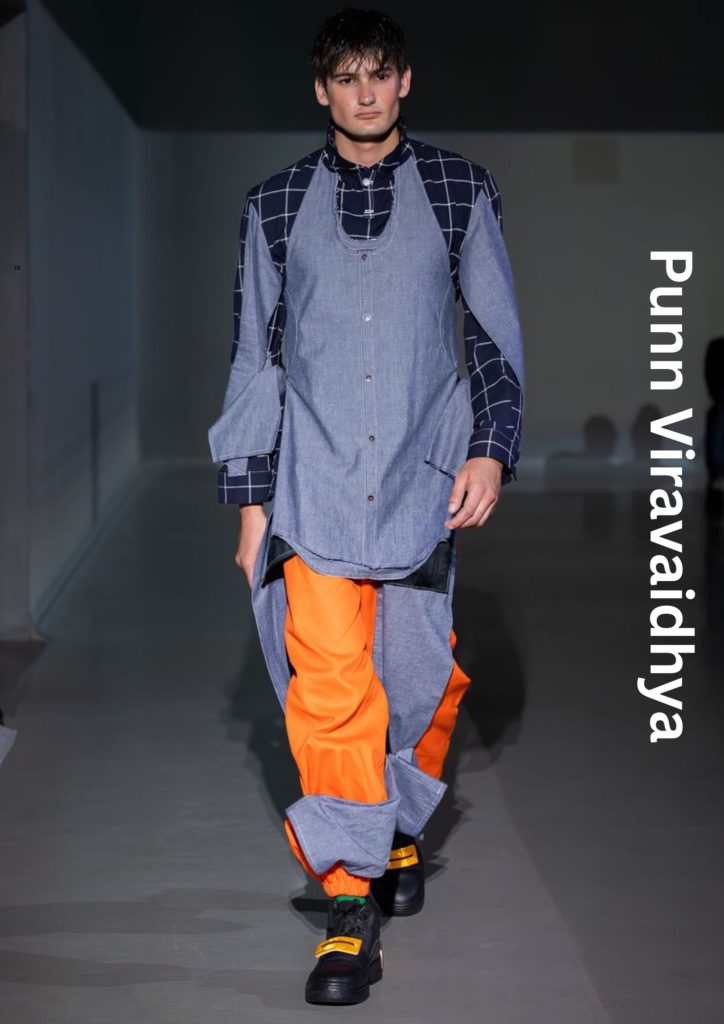
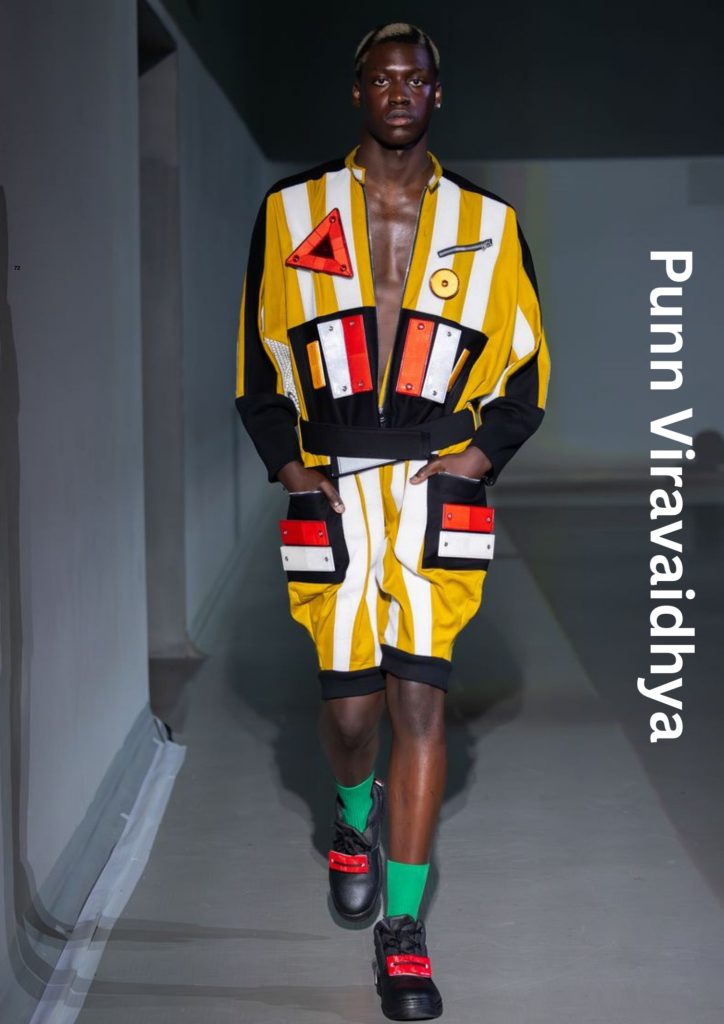
The runway further delved into raw, narrative-driven storytelling through the lens of Peter Thanaphon Barker-Bennett and Punn Viravaidhya. Barker-Bennett’s “Somewhere” was a standout for its ethereal, homoerotic take on menswear, weaving cinematic "Lost in Translation" vibes through sheer silks and Tokyo-inspired street-scene prints. In stark contrast, Viravaidhya’s “The State of Being Distinct” injected a mechanical grit into the show, deconstructing Japanese car culture into garments made of carbon fiber, seatbelts, and reflectors. From Iccha Manav Bajaj’s evocative activism featuring dog-fur yarn to Hityshi Dwarkanath’s rebellious take on Indian femininity, the class of 2024 solidified Marangoni London’s reputation as a bridge between Italian savoir-faire and London’s avant-garde edge.
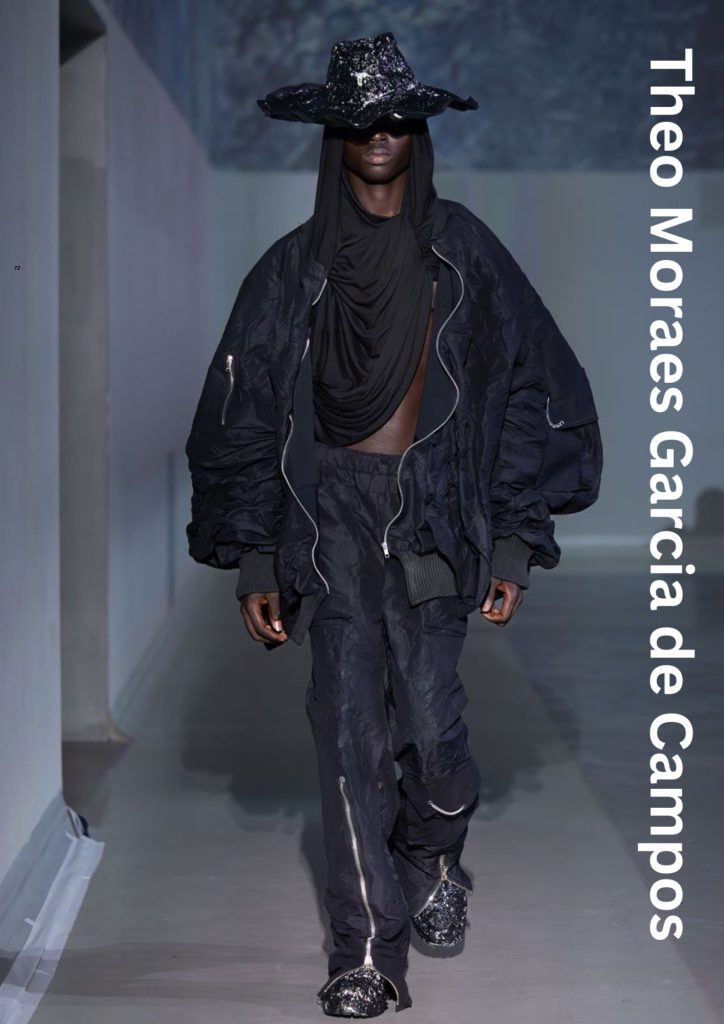
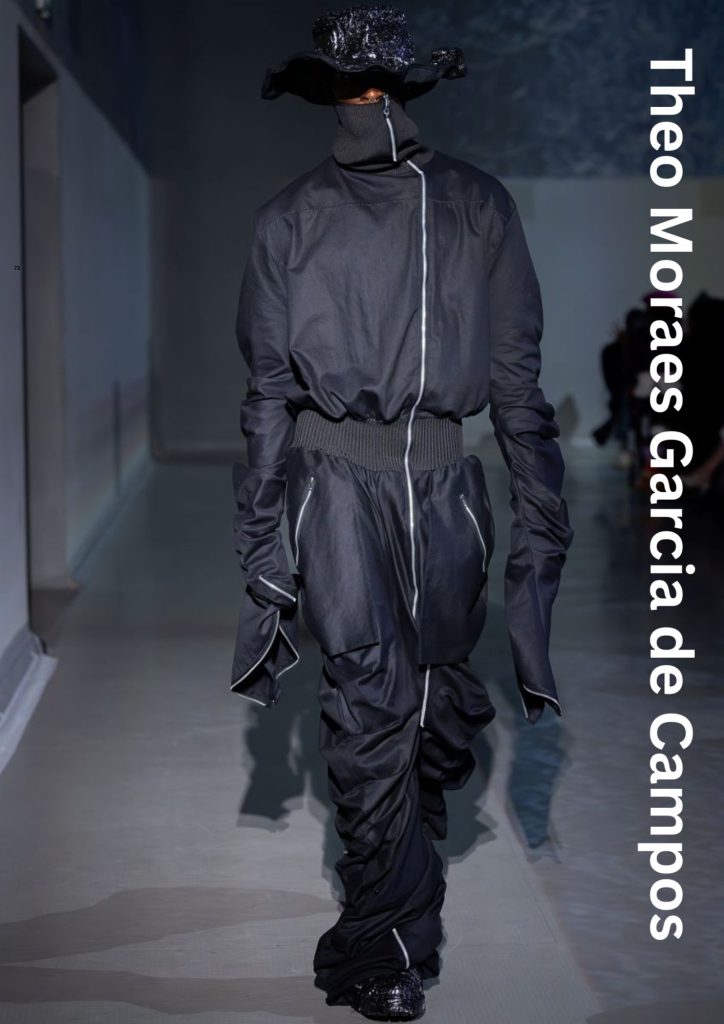
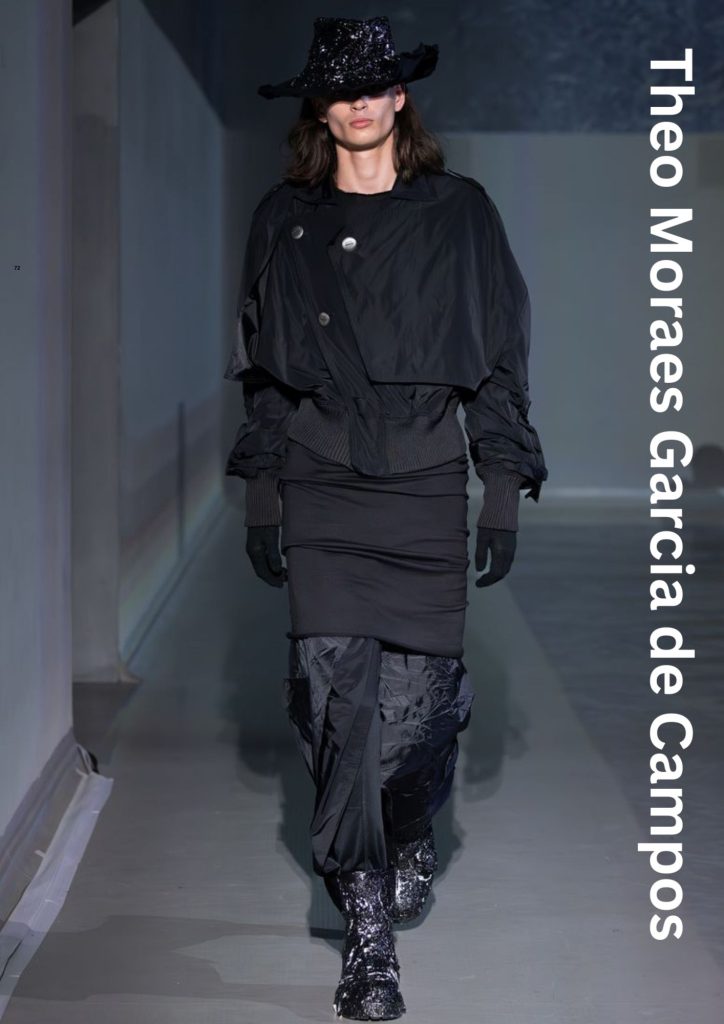
The zeitgeist collection, As the Solid Meets the Fluid, designed by Theo Moraes Garcia de Campos, addresses fabric waste by transforming it into an upcycling fashion statement. Inspired by the rough texture of rocks and the delicate movement of water, this new designer repurposes fabric scraps from London garment manufacturers and dead stock into oversized designs to exaggerate proportions. In Theo Moraes Garcia de Campos’s graduate collection, flowy draped trousers in lightweight fabrics contrast with a bold bomber and dark cape featuring crunched pleated fabric manipulations, raw edges, and heavyweight fabrics styled with a Brazilian fisherman hat.
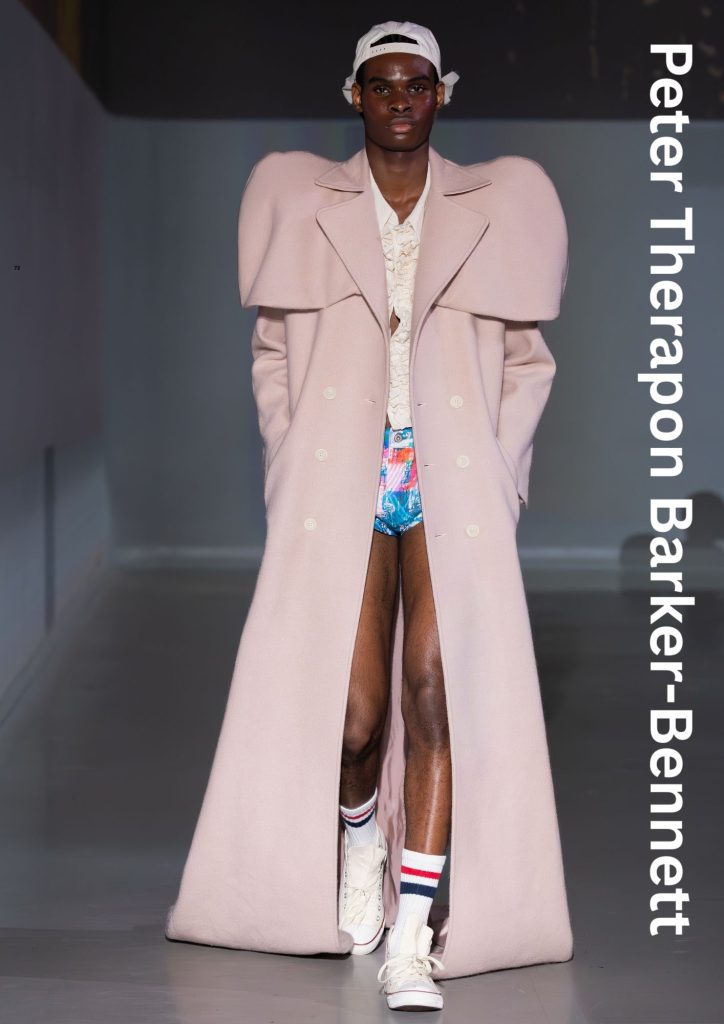
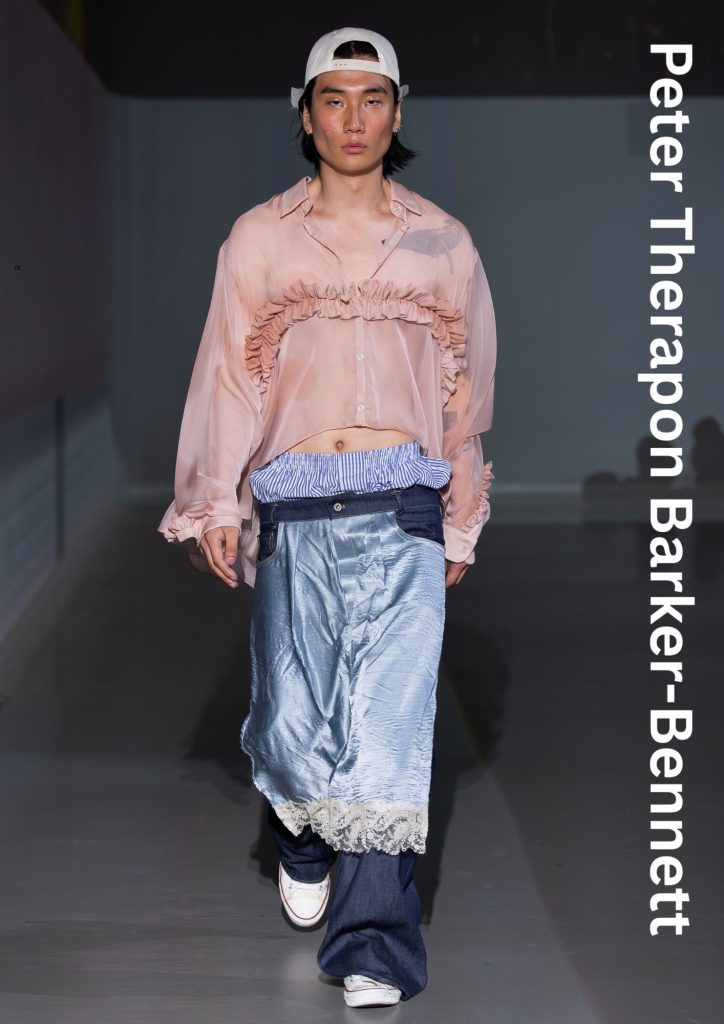
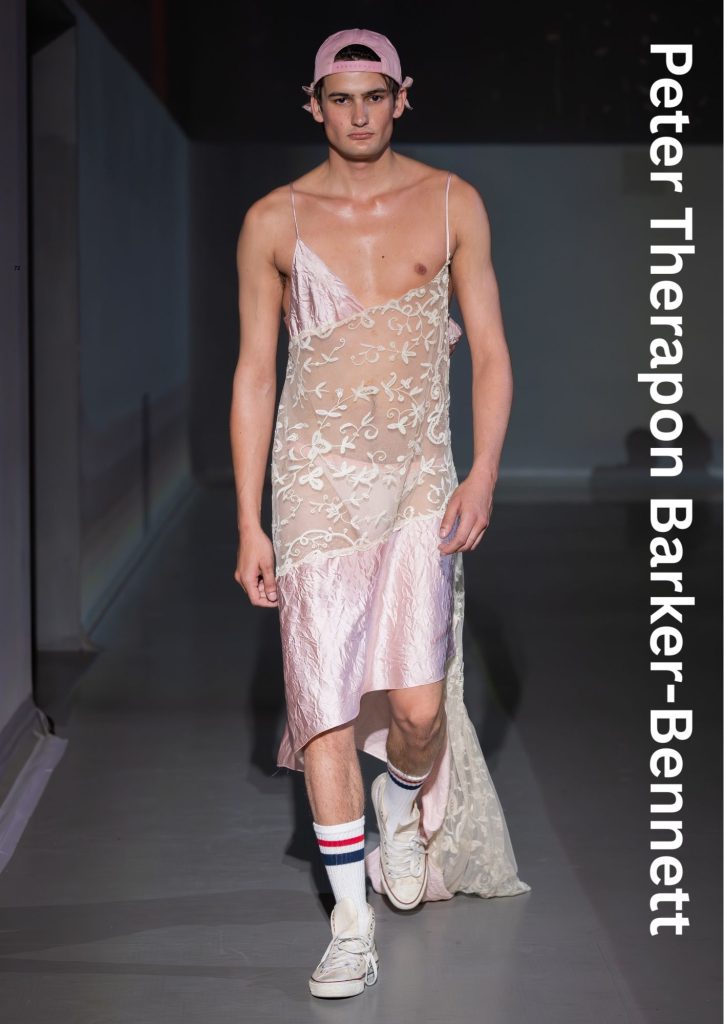
Peter Thanaphon Barker-Bennett’s collection titled Somewhere is a heartfelt tribute to filmmaking and photography, capturing the disillusioned emotions of coming-of-age through his garments. Using soft pastel hues and sheer silks, this up-and-coming fashion designer presents delicate and ethereal homoerotic menswear. Drawing inspiration from Sofia Coppola’s “Lost in Translation,” he explores themes of sensuality and homoeroticism with loose silhouettes, delicate rouge applications, and shimmering fabrics. Much like a cinematic frame, Peter Thanaphon Barker-Bennett embeds a Tokyo night street scene onto a shirt, seamlessly blending underwear with sportswear. This fusion artfully portrays the complex struggles of youth, encompassing loneliness, sensuality, and femininity.
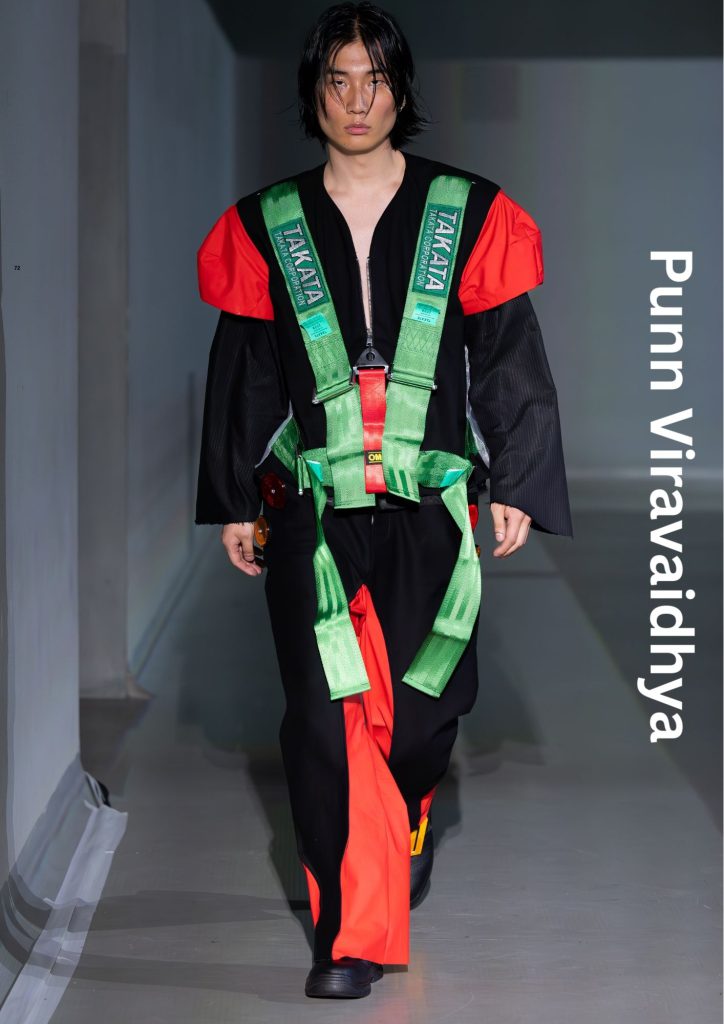
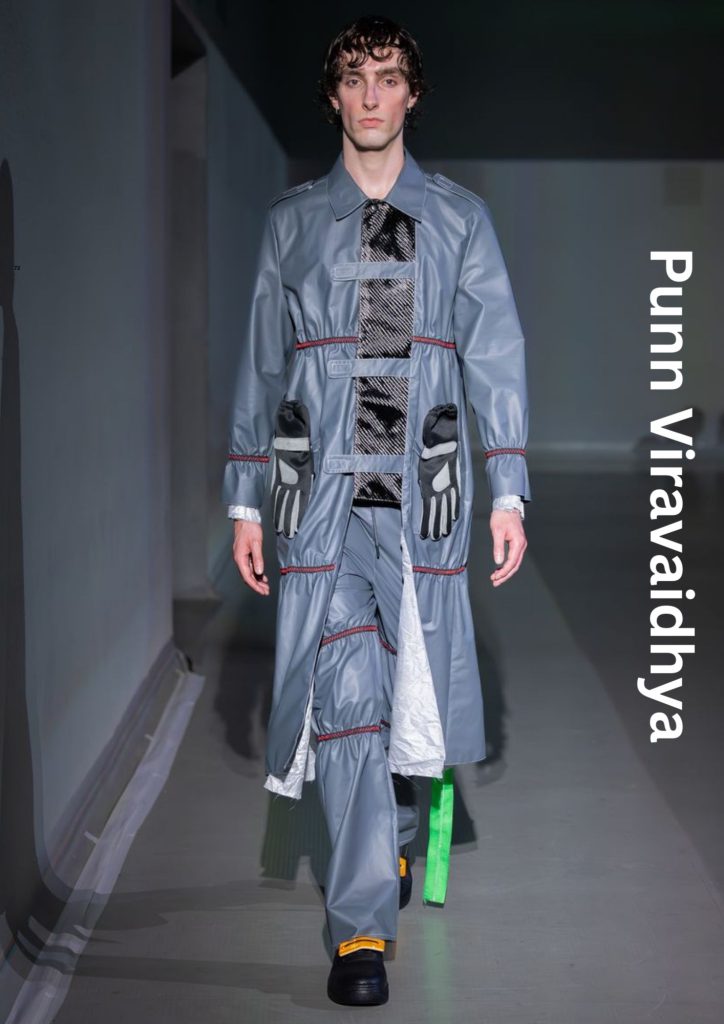
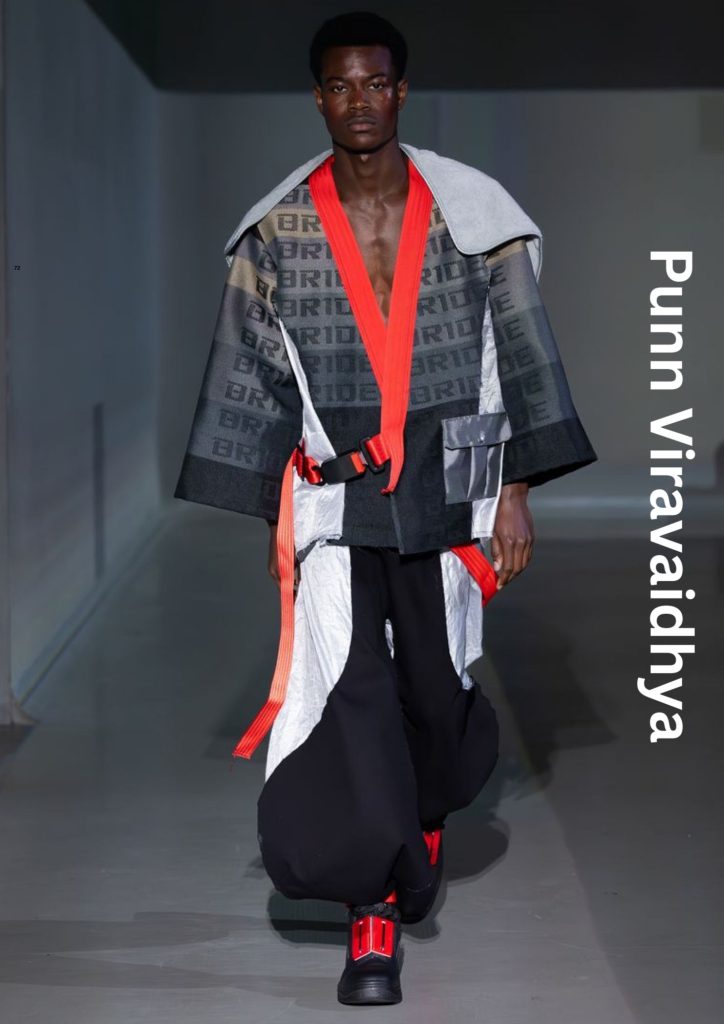
Punn Viravaidhya’s degree collection, The State of Being Distinct, translates his passion for modified Japanese car culture into a unique sense of fashion design. For this young designer, deconstructing and composing garments is akin to assembling the mechanical parts of a car. His innovative designs use unconventional fabrics such as car seat materials and carbon fibre, incorporating harnesses, seatbelts, gloves, and reflectors into silhouettes inspired by traditional Japanese workwear, merging them with contemporary design.
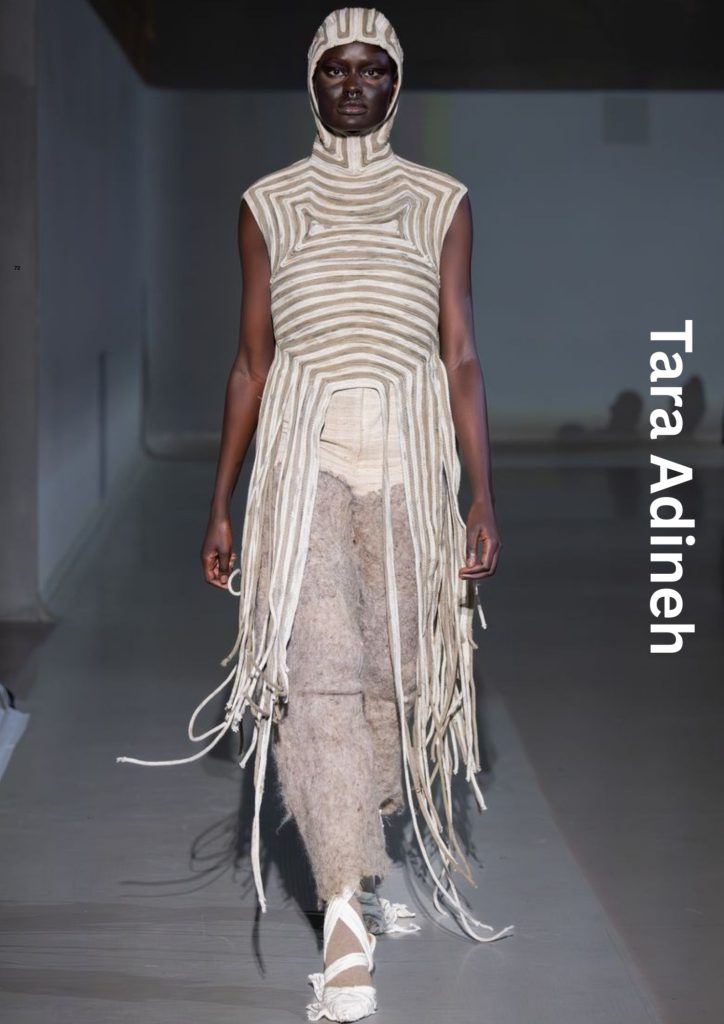
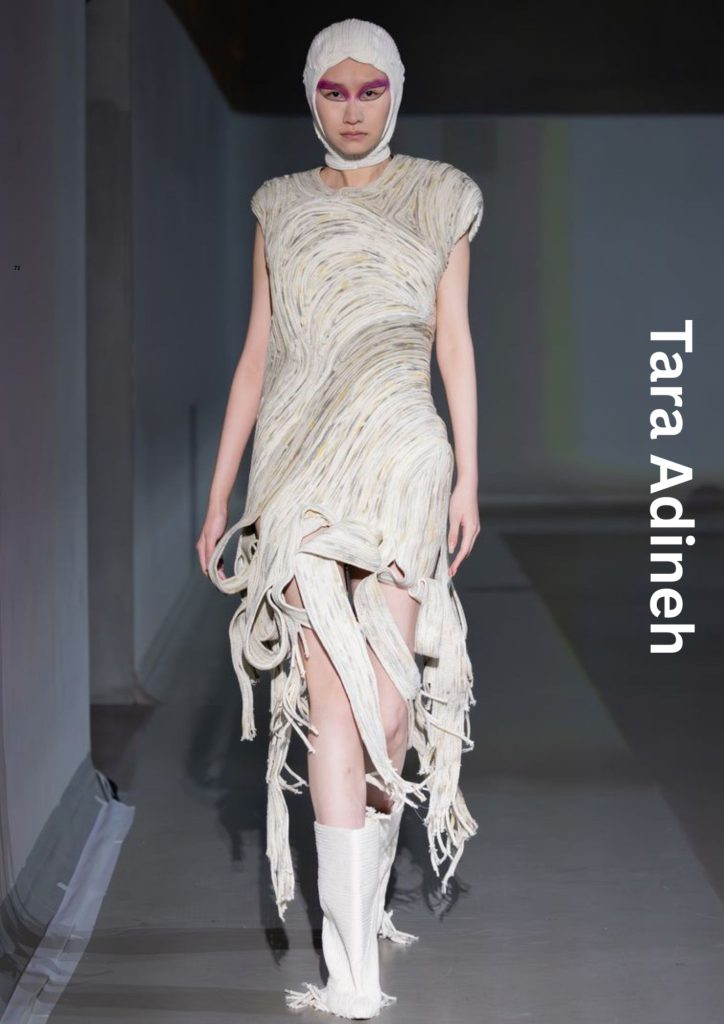
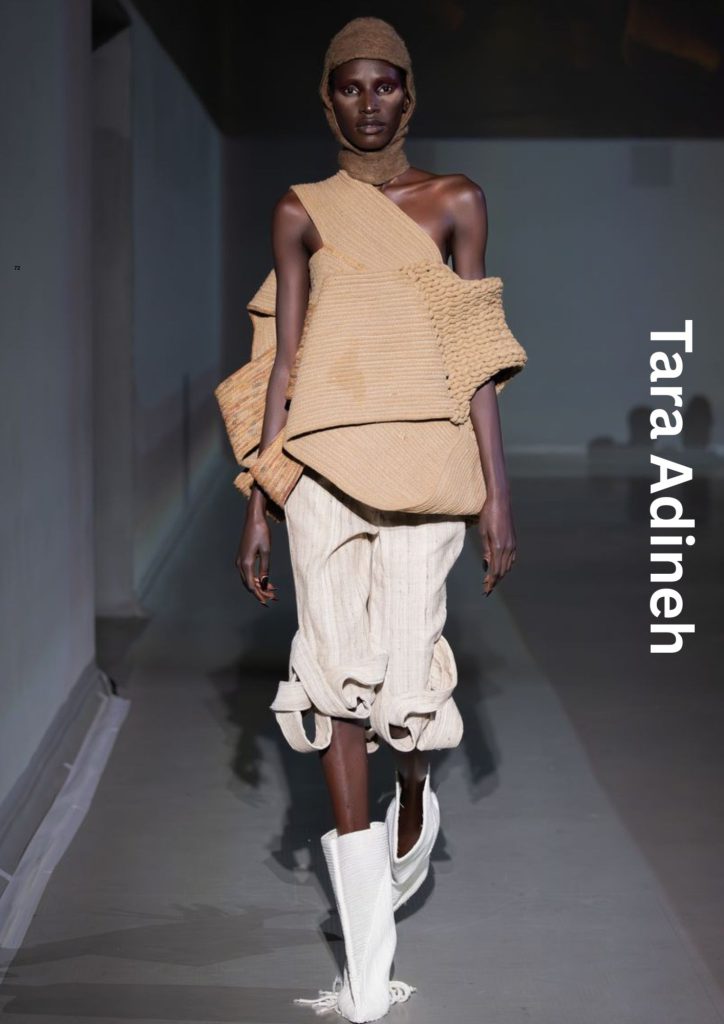
Tara Adineh’s collection, The Absurd Hero, interprets human existence by transitioning basket-making into garments that wrap the body like cocoons. Inspired by the Myth of Sisyphus and Albert Camus’ philosophy of the absurd, this rising talent transforms the concept of the absurd hero’s basket of rocks into design pieces that metaphorically turn the body into stone. Tara Adineh’s basket-weaving innovation involves transitioning knitting to flat, rigid stitched ropes, transforming a traditional craft into fabric, saving waste, and creating a sense of unity with the task.