

W: Lucas Assagba. I: Bella Campling
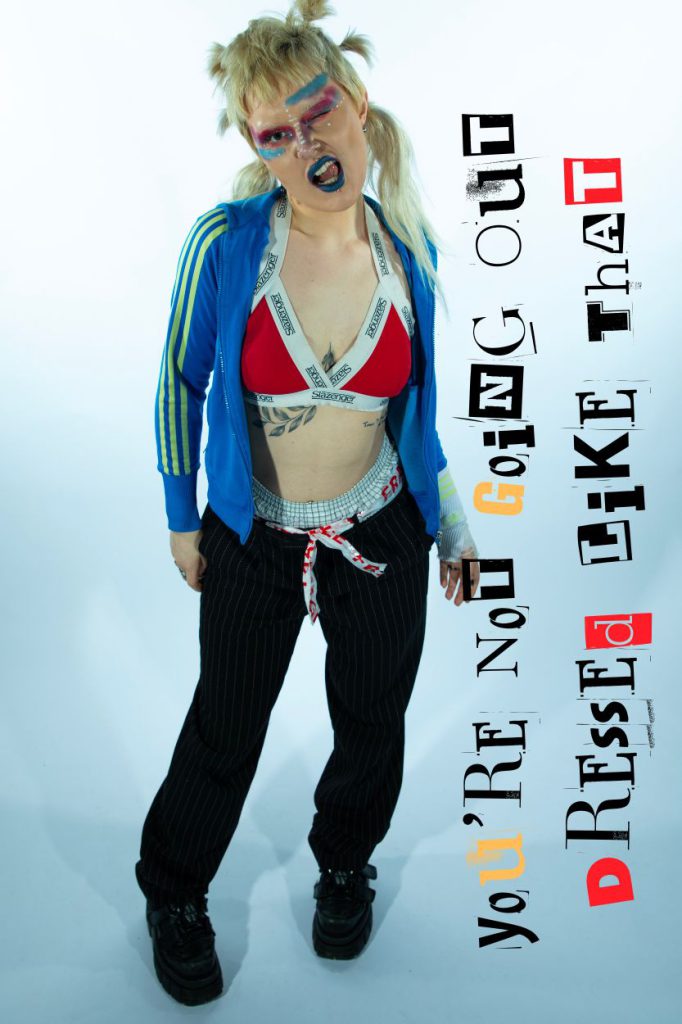
I got hammered in school,” Sasha Wilding says, leaning back as we get candid between outfit changes. “I was always quite outward with my fashion; people just didn’t get it.” It’s a familiar story for the avant-garde, but sitting down with Sasha off the back of her appearance at the Leeds RAG Fashion Show, it’s clear she isn't just seeking attention—she’s staging a rebellion. From her tenure at Vivienne Westwood to an Arctic Monkeys lyric that has acted as her North Star for seven years, Sasha’s world is a maximalist patchwork of working-class grit and ethereal spirituality.
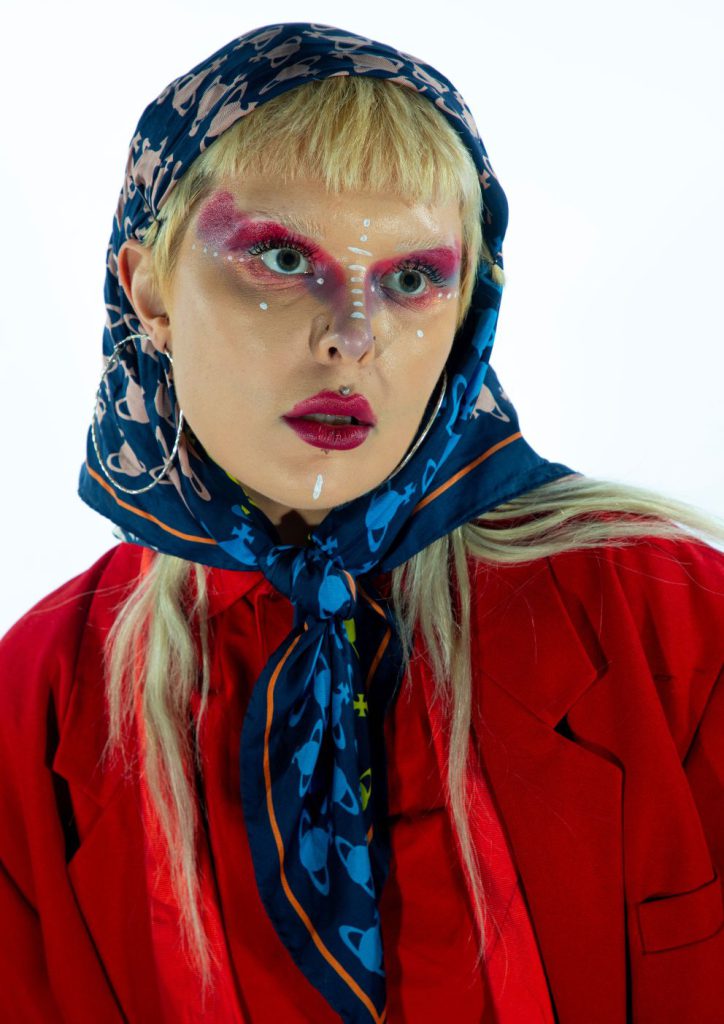
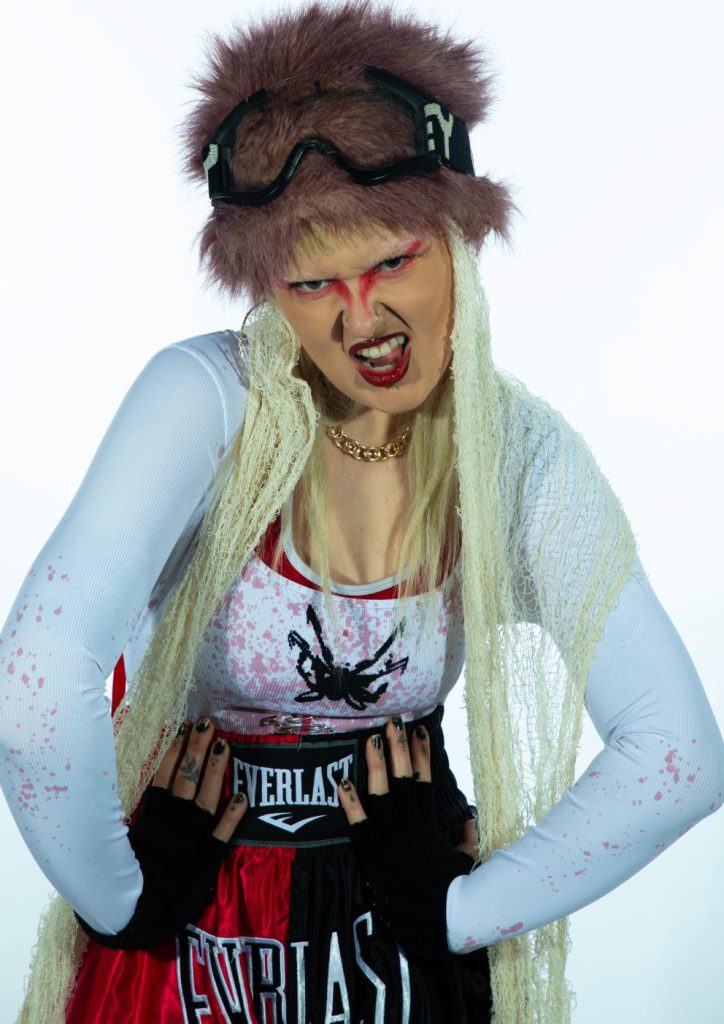
Her brand, Only Pretending, takes its name from the closing lines of Bigger Boys and Stolen Sweethearts. “It’s stuck with me since I was 19; I’m 26 now,” she explains. The name is a nod to the art of the "fringe" lifestyle—the idea of dressing for a life you’re still building. “My style represents the money I don’t have,” she says. “The whole concept is that I am pretending to be something I’m not, and it fires me up. If I’d always had money, I’d have been shopping at big brands, but because I’ve had to scrape through charity shops my whole life, I’ve built this.”
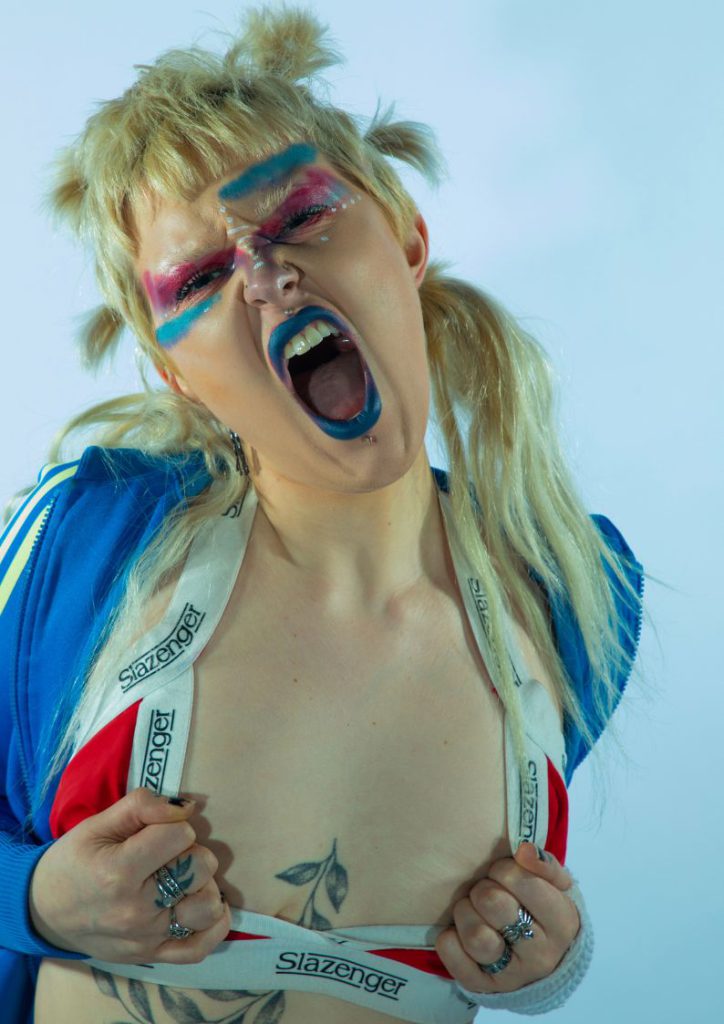
This "charity-shop-core" ethos was on full display during our session. One look featured a Vinted jumpsuit splattered with fake blood and "Only Pretending" embellished across the back, paired with boxing shorts, Vivienne Westwood trainers, and—most strikingly—industrial "Fragile" tape. For Sasha, the materials are secondary to the feeling. Whether it’s a £1.49 blazer she dissected herself or a real silk Westwood scarf from her days working at the iconic label, every piece is a tool for emotional provocation. “I like the idea that people might gasp when they see me,” she admits. “I like confusing people. Some people go out or eat to feel something; mine is putting on an outfit.”
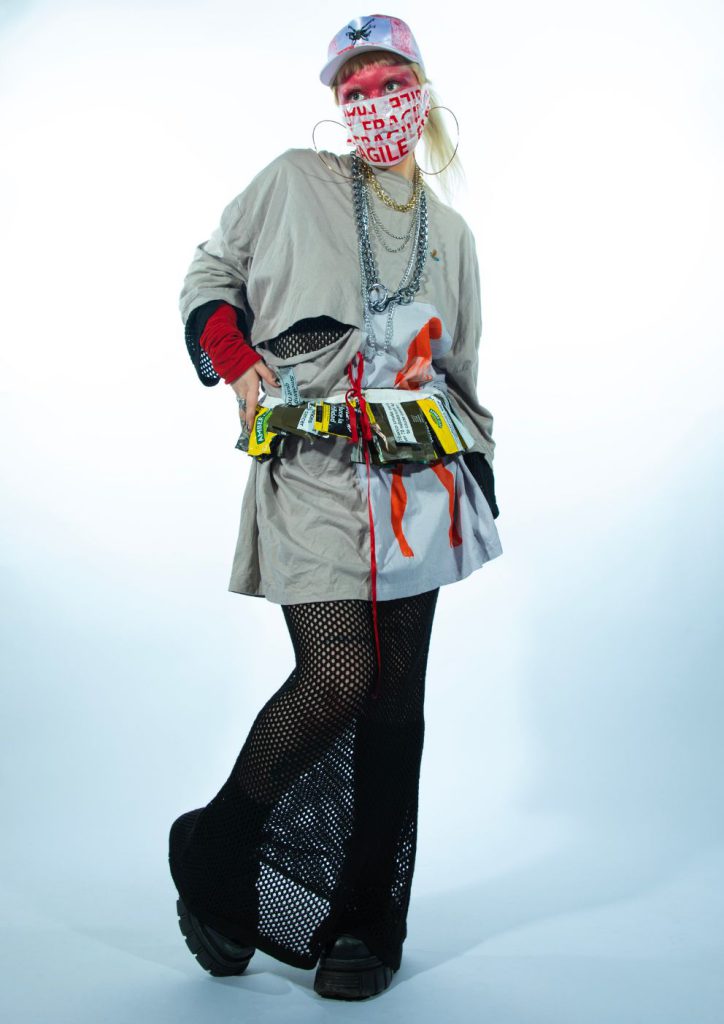
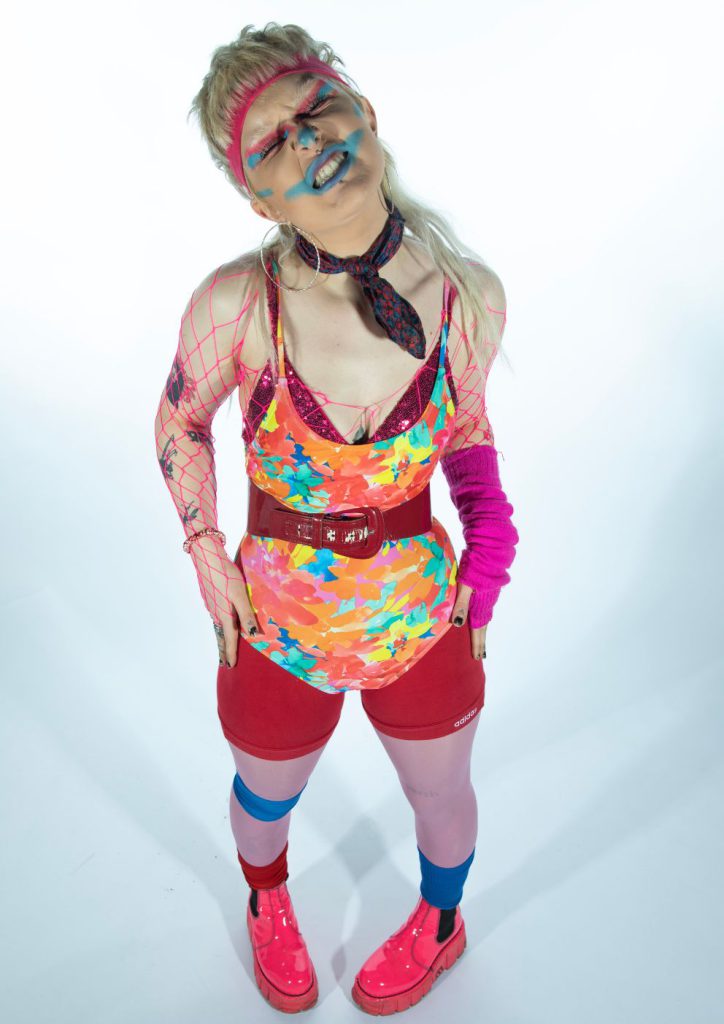
The highlight of our day was watching Sasha’s creative process unfold in real-time. In a dimly lit studio, she applied red makeup—inspired by Doja Cat’s visionary artist Laurel Charleston—and fashioned a "faceless" look using tape and a "ciggy belt" she’s been developing for a year. It’s a forecast of what she calls "faceless fashion," a nostalgic nod to the anonymity of lockdown. As she adjusted a t-shirt mocking the industry’s rigid beauty standards, she remained unapologetically herself. “The working-class spirit is vital to my work,” she concludes. “I’m ‘ugly’ by those standards, but I’m still just doing my own thing.”