

The Class of 2017 at Middlesex University was particularly notable for its "Silent Disco" runway at the Barbican, where the audience wore headphones to experience the collections. This cohort was defined by a rejection of traditional menswear silhouettes, leaning heavily into deconstruction, technical fabrics, and a "post-Soviet" or "New Utility" aesthetic.
The Middlesex 2018 menswear graduates moved away from the "skinny suit" era entirely. They embraced volume, technicality, and gender fluidity, proving that the future of menswear lies in its ability to be both functional and expressive.
Here is a review of five standout menswear (and gender-fluid) designers from that year:
.
Gallego’s work was a masterclass in sculptural tailoring. Her 2018 collection focused on the intersection of protection and vulnerability.
- The Look: Heavy, oversized outerwear contrasted with intricate, almost fragile inner layers.
- Standout Element: She utilized "memory" fabrics that held their shape, creating 3D silhouettes that seemed to float away from the body. Her use of a muted, earthy palette—ochres and slate greys—gave the collection a grounded, industrial feel.
.
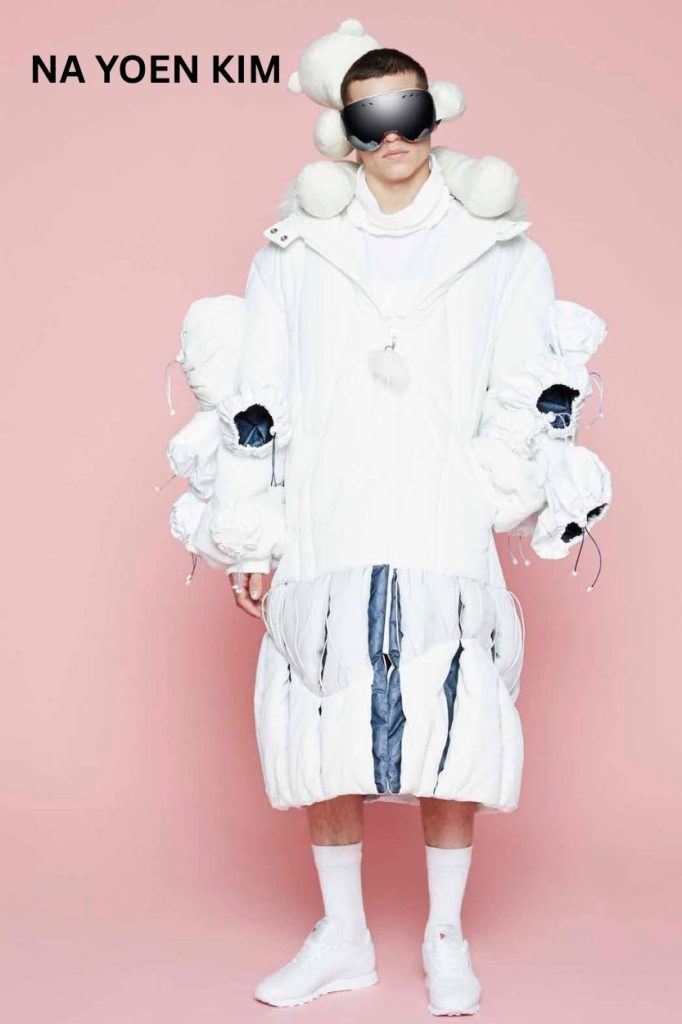
Kim’s collection was perhaps the most conceptual and avant-garde of the group. She played with the idea of the "garment as an object," often obscuring the wearer's form entirely.
- The Look: Voluminous, puffed-up shapes and unconventional layering. There was a distinct focus on the back of the garments, with straps and harnesses that gave the models a nomadic, utilitarian appearance.
- Standout Element: The clever use of transparency. By layering sheer fabrics over heavy padding, Kim created a sense of depth and lightness that is rare in menswear.
.
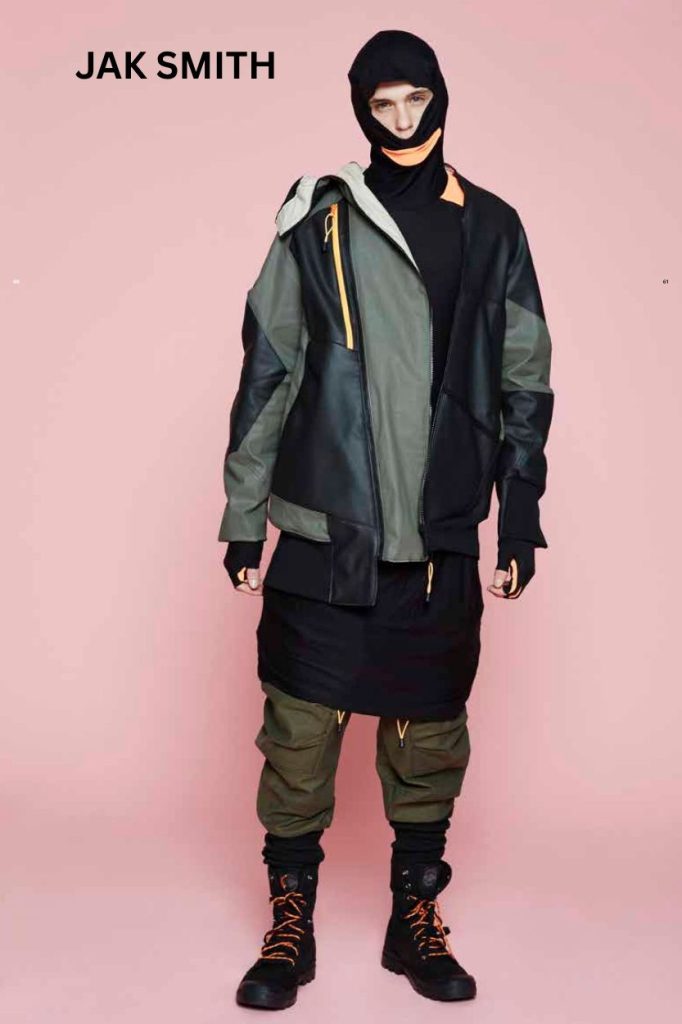
Jak Smith brought a raw, street-informed energy to the runway. His work explored the subcultures of British youth, blending sportswear with high-fashion construction.
- The Look: Think "elevated hooliganism." Technical tracksuits were reimagined with luxury finishes, and traditional knitwear was distorted.
- Standout Element: Smith’s strength lay in his styling and "attitude." He wasn't just making clothes; he was building a character. His collection felt incredibly current, tapping into the zeitgeist of brands like A-Cold-Wall or Gosha Rubchinskiy.
.
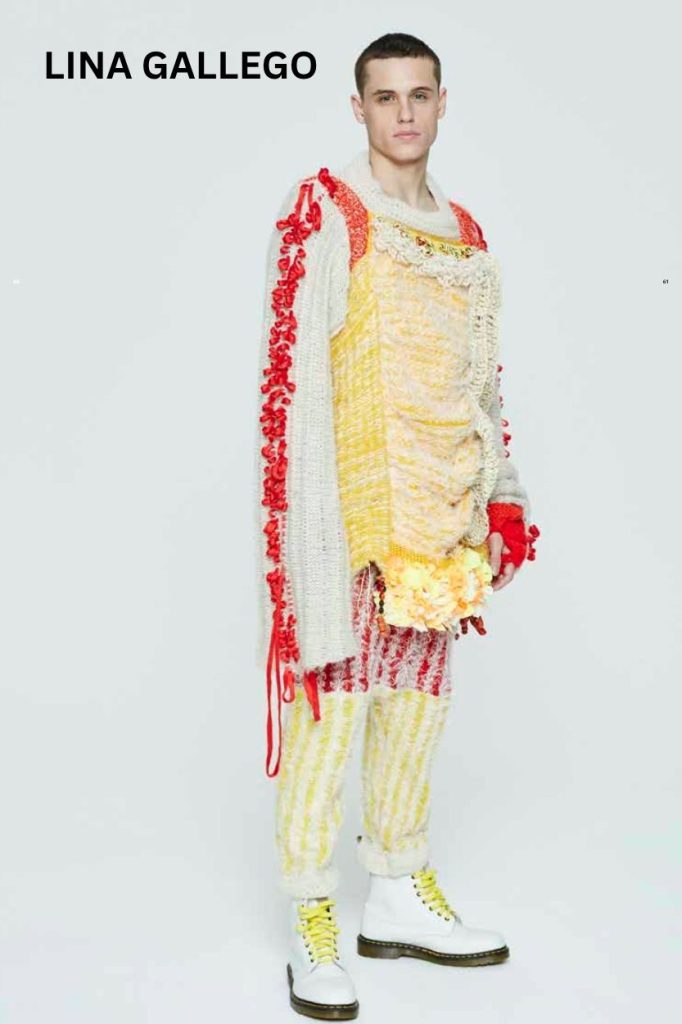
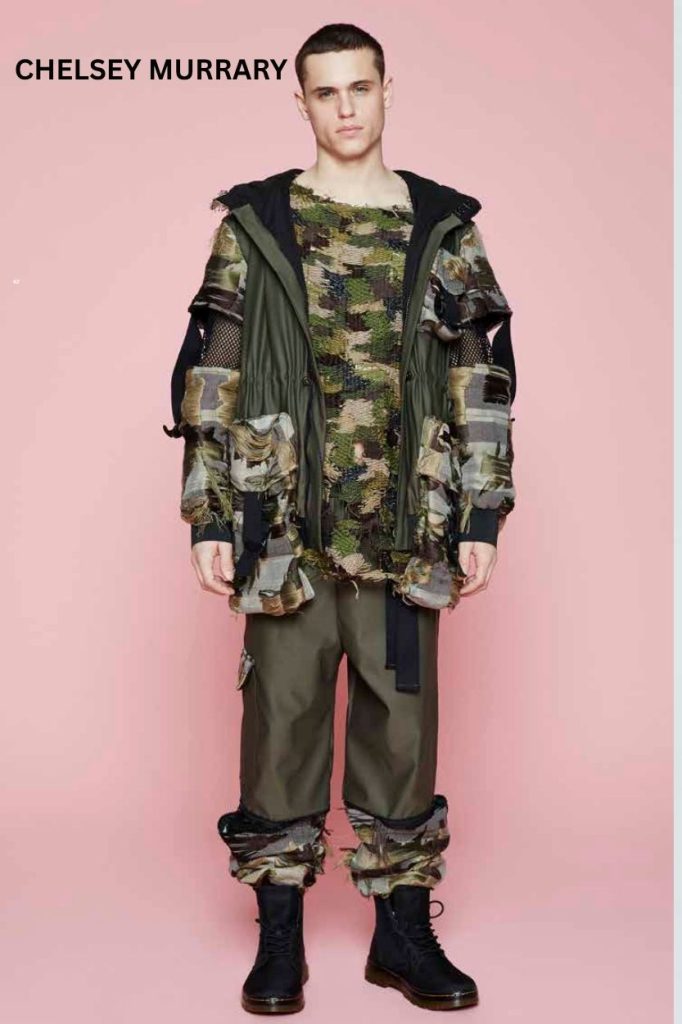
Murray’s 2018 output was a vibrant celebration of texture and textile manipulation. While many of her peers went for dark and industrial, Murray embraced a more maximalist approach.
- The Look: Clashing prints and heavy embellishment. Her menswear felt fluid and joyous, challenging the "serious" nature of traditional masculine dress.
- Standout Element: Her knitwear was a highlight—chunky, multicolored, and intentionally "unfinished." It felt DIY but was executed with high-level technical skill, making her a favorite for editorial styling.
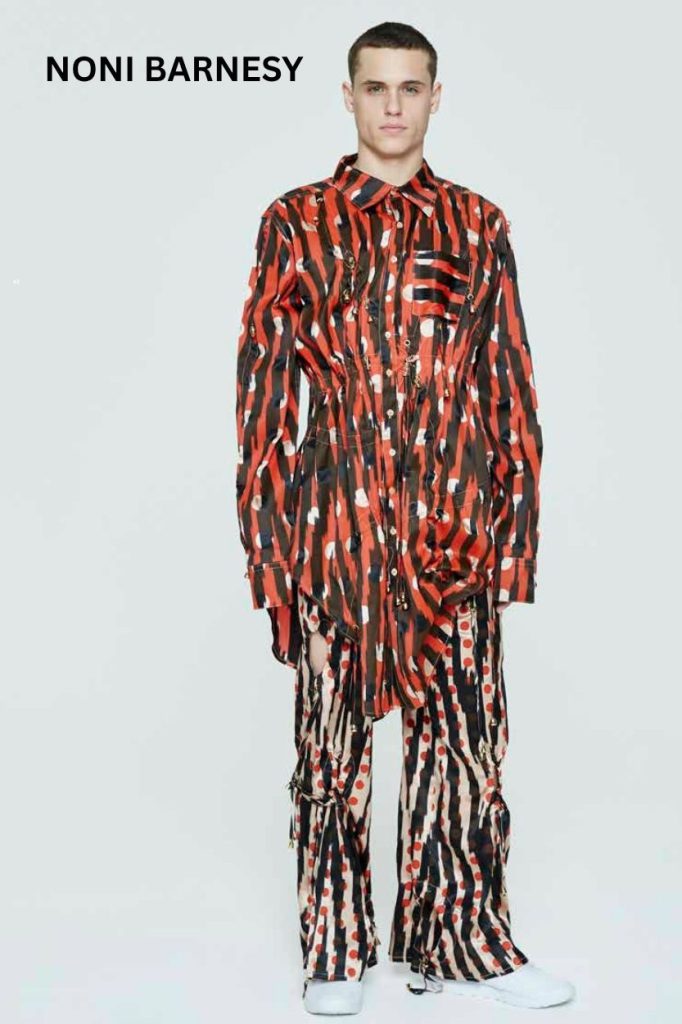
Noni Barnes leaned into "The New Utility," focusing on the functionality of the urban uniform. Her work was highly sophisticated, showing a maturity in pattern cutting that stood out on the runway.
- The Look: Multi-pocketed vests, modular jackets, and trousers with adjustable proportions. It was a monochromatic exploration of what the modern man needs to "survive" the city.
- Standout Element: The hardware. Barnes used industrial clips, heavy-duty zippers, and paracord to transform simple garments into complex pieces of "equipment."