

DATE: 3rd September 2019 PLACE: Spring Studio NY. TIME: 19.00
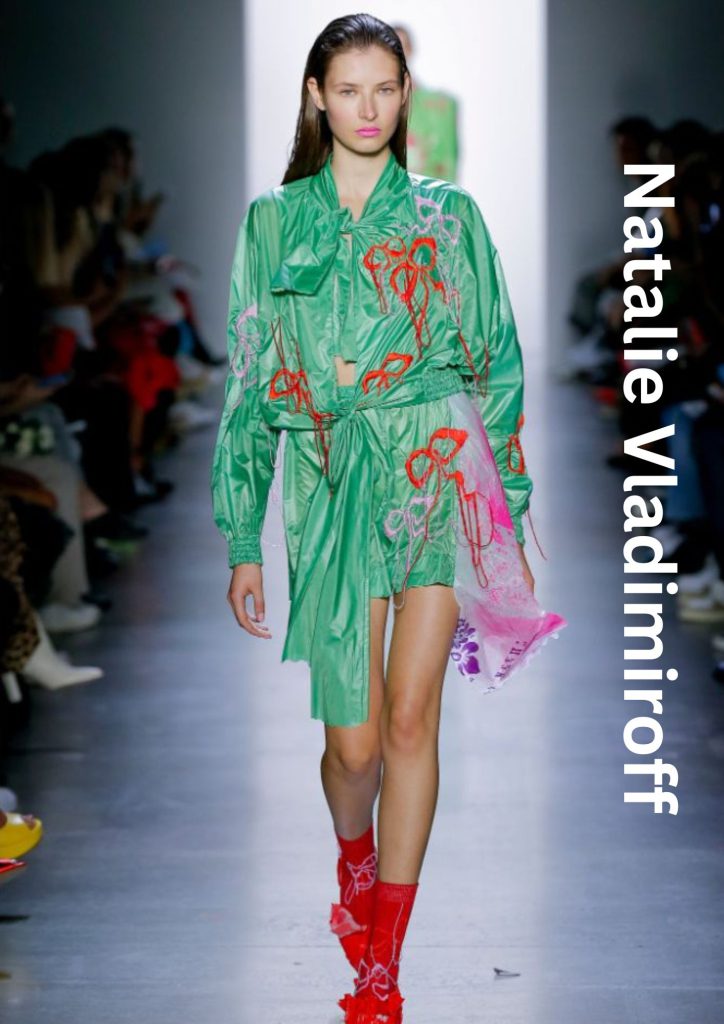
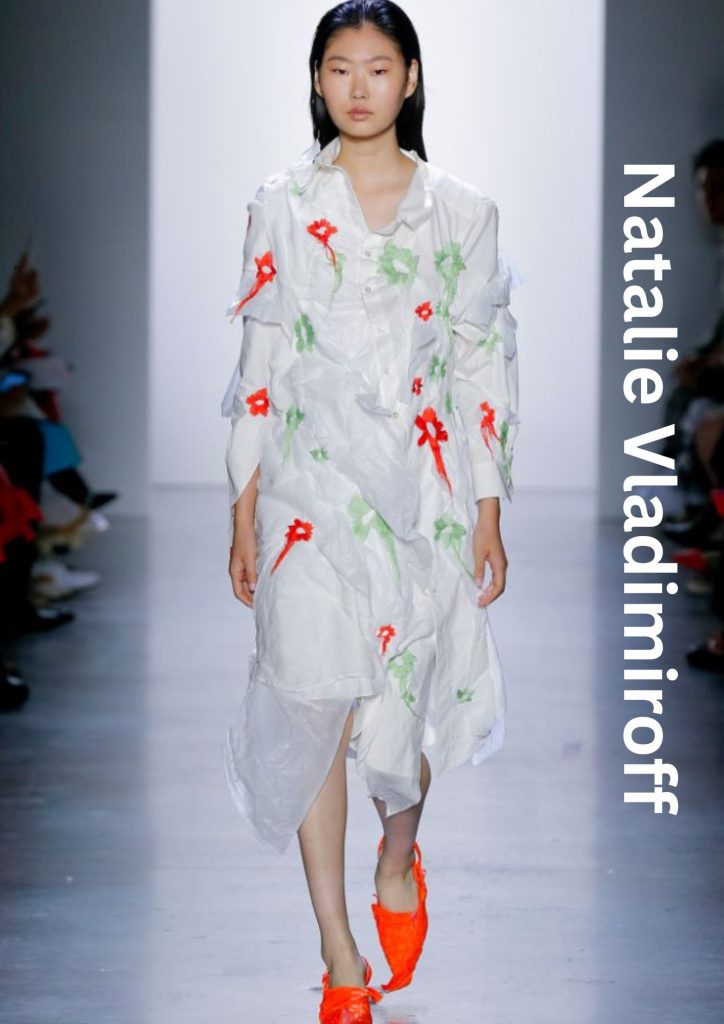
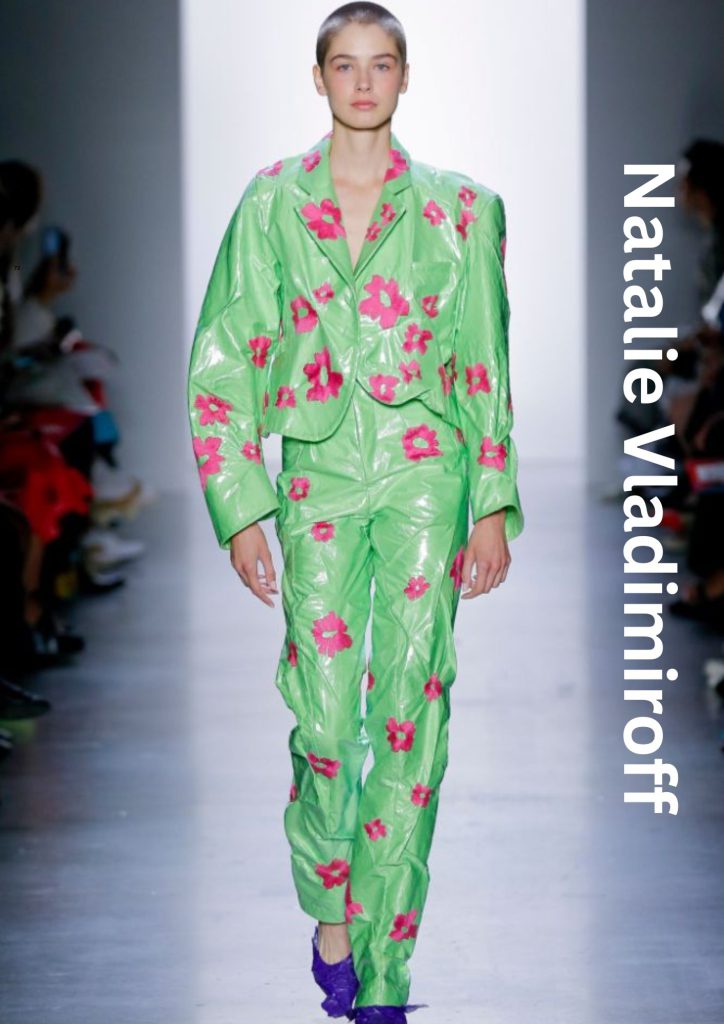
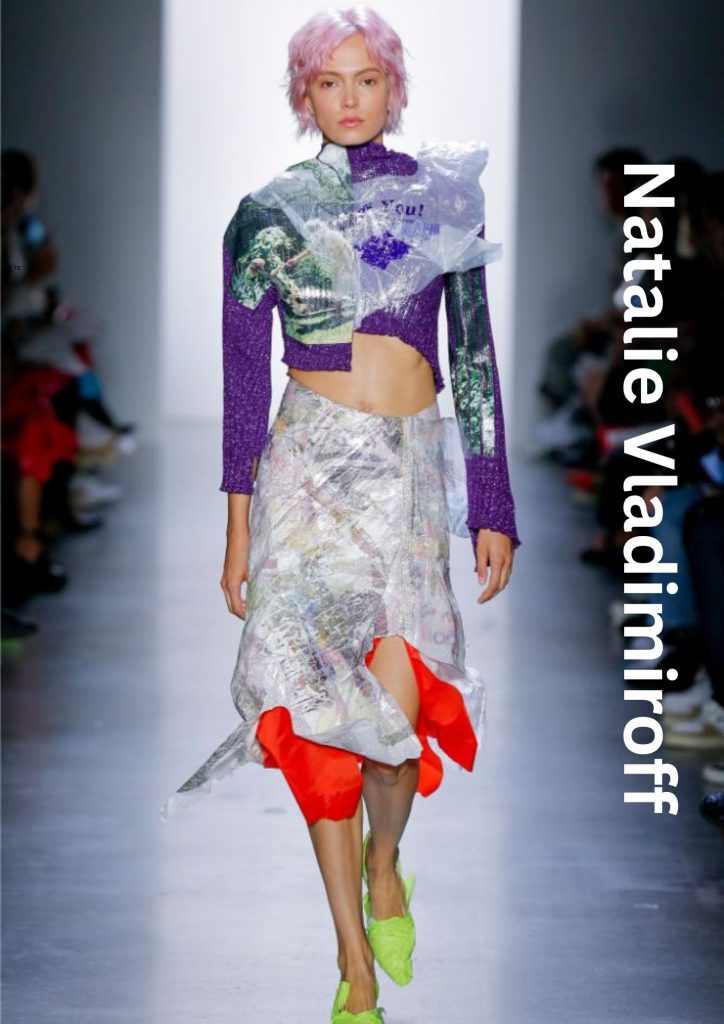
The 2019 Parsons graduate cycle was a tale of two cities within New York itself. From the raw, democratic energy of the first-ever Street Fashion Show in May to the high-octane, polished MFA Runway at Spring Studios in September, the cohort proved that fashion is moving toward a hybrid of radical sustainability and intellectual wordplay. While the Spring festival celebrated the "People’s Runway" on 13th Street with over 250 looks from BFA and AAS students, the September MFA show narrowed the lens to 12 designers who challenged the very definition of a "garment."
Leading the conceptual charge was Hualei Lu, whose collection was a masterclass in visual puns and "productive misunderstanding." By literalizing the term "album jacket," Lu integrated iconic musical imagery—from The Rolling Stones’ Sticky Fingers to Yoko Ono’s bed-in—into tailored pieces that blurred the line between rock-and-roll fandom and high-concept art. Her work explored the beauty of making mistakes, using fragmented prints and "broken" meanings to reflect a childhood spent trying to follow rigid rules. Similarly, Jingle Yu (Shijie Yu) captured headlines with a provocative "Queer Funeral" collection, designed to allow the wearer to "die fabulously," blending macabre themes with inclusive, avant-garde silhouettes.
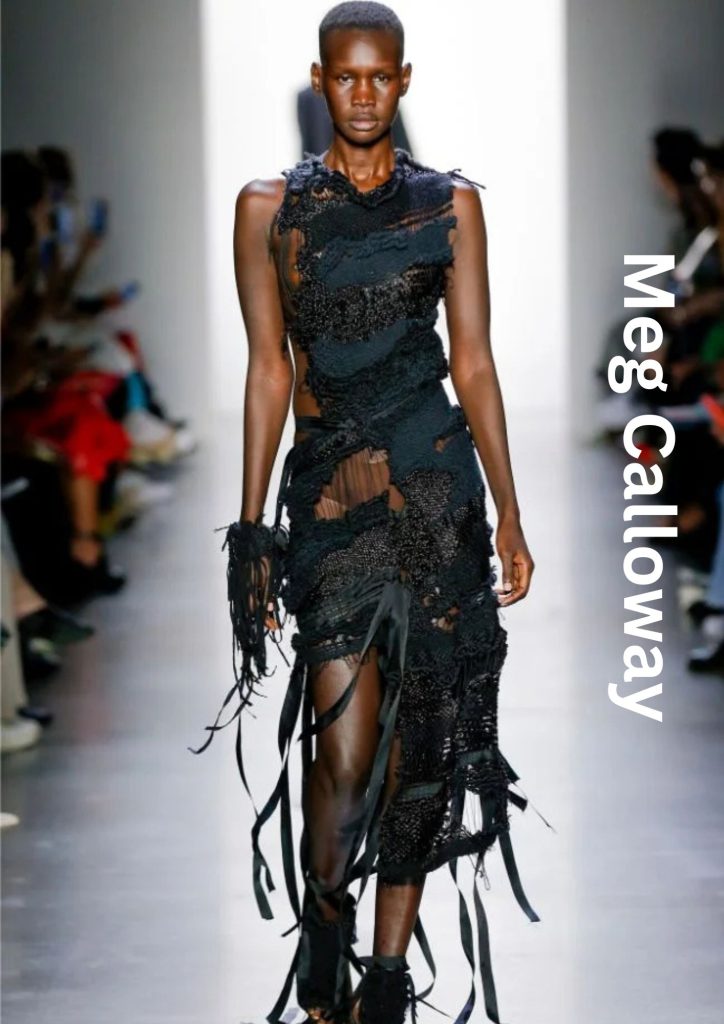
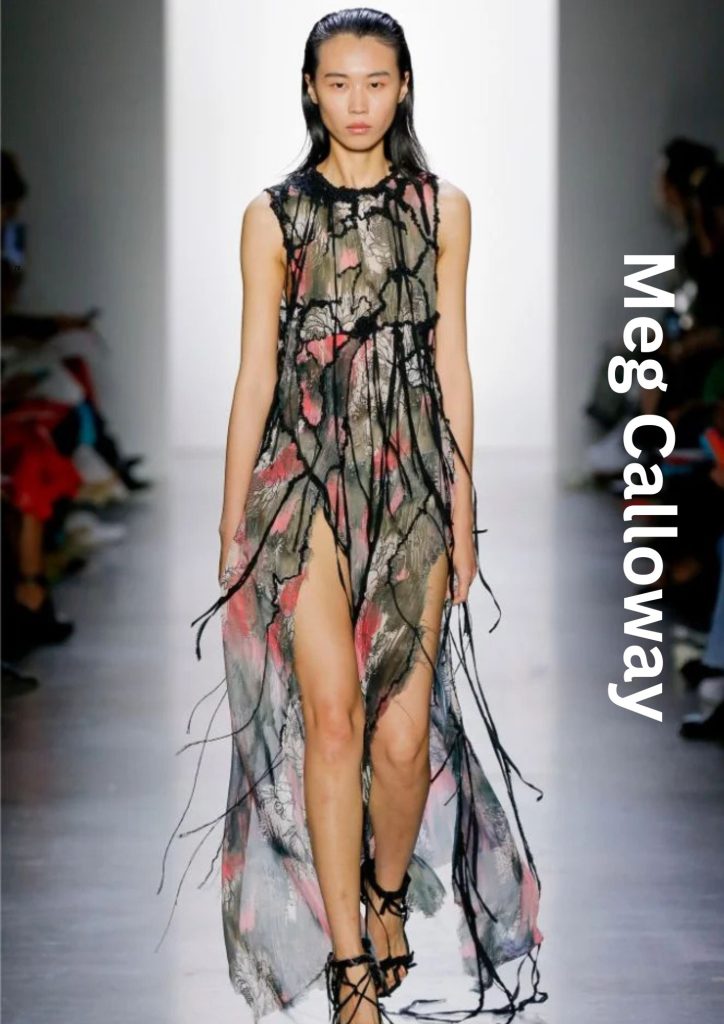
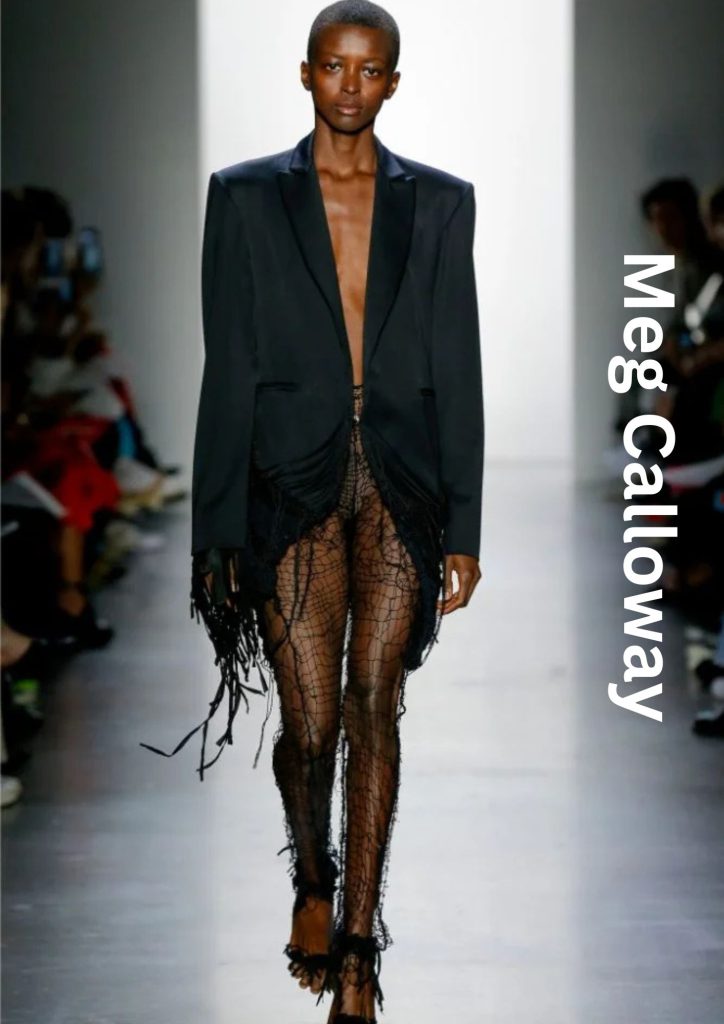
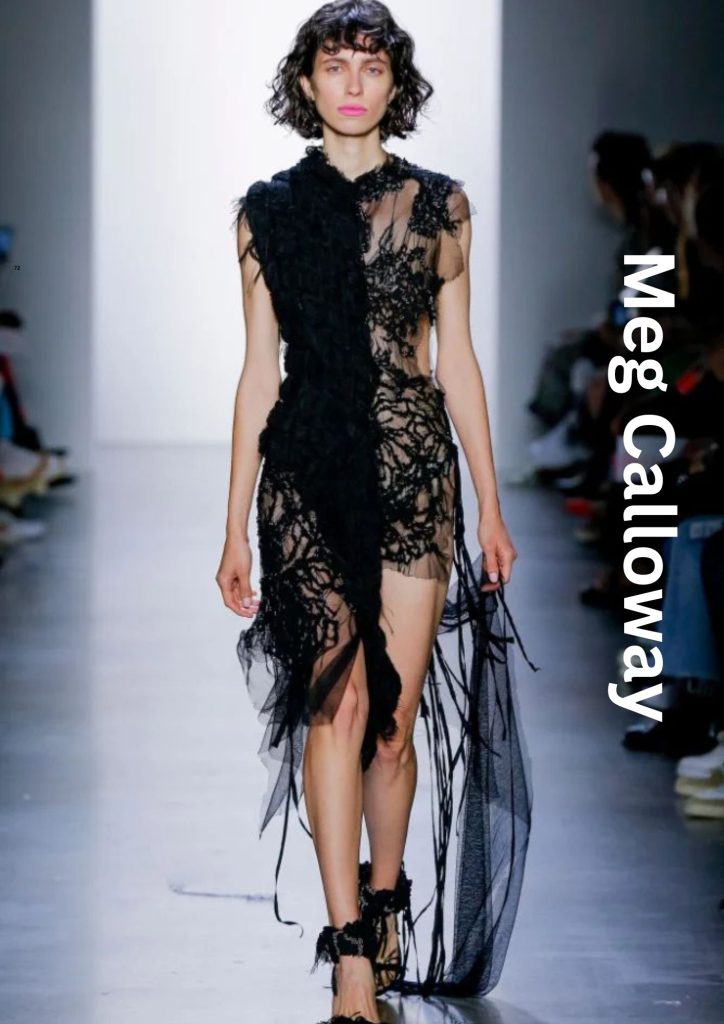
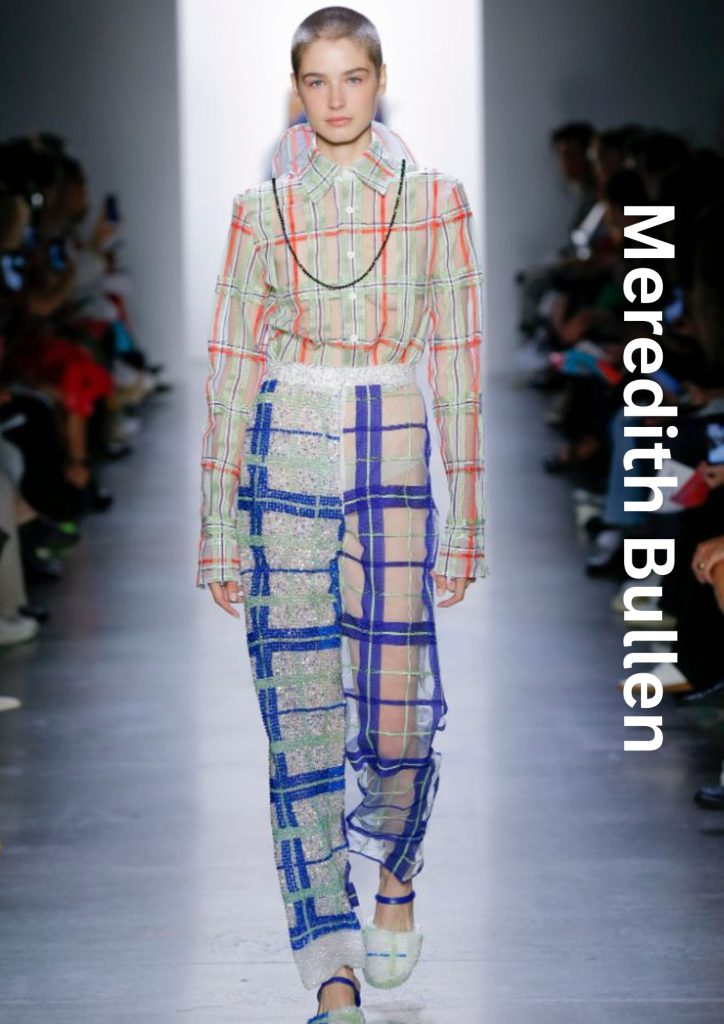
The show also leaned heavily into "living" materials and ecological futurism. Sho Konishi delivered one of the most memorable segments with his "wearable archive," featuring clear plastic jackets stuffed with organic life—pine trees, feathers, and flowers. His work wasn't just aesthetic; it was a biological statement on the climate crisis. This tactile experimentation was mirrored in the work of Meg Calloway, who rejected traditional construction in favour of "intuitive" handcrafting, using dense knotting and beading to create intentionally imperfect, visceral textures.
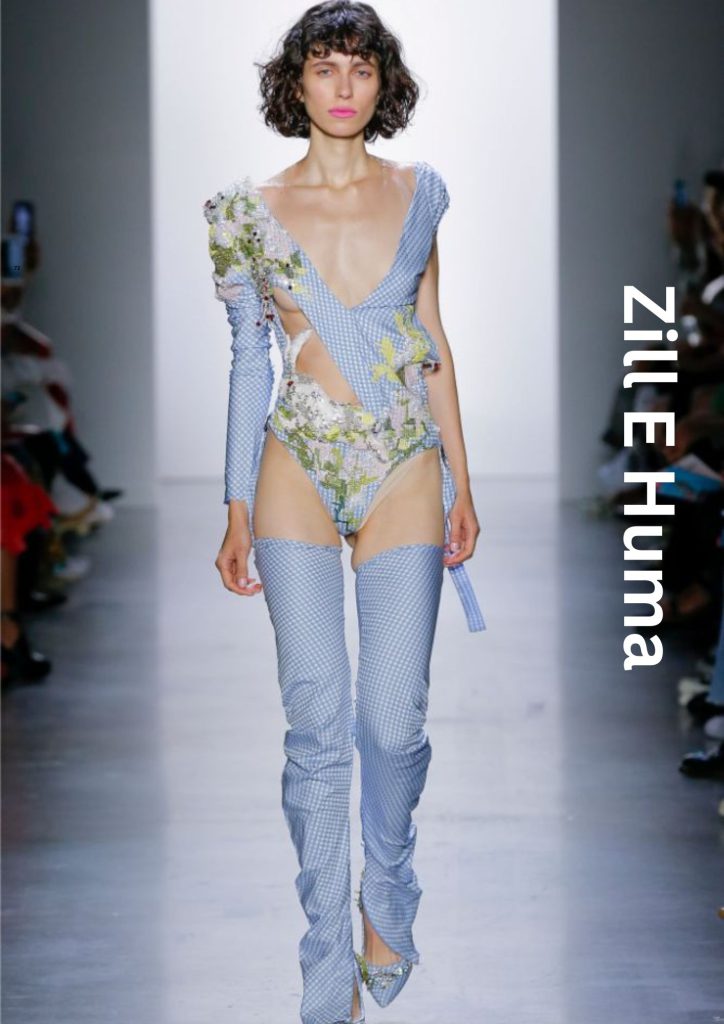
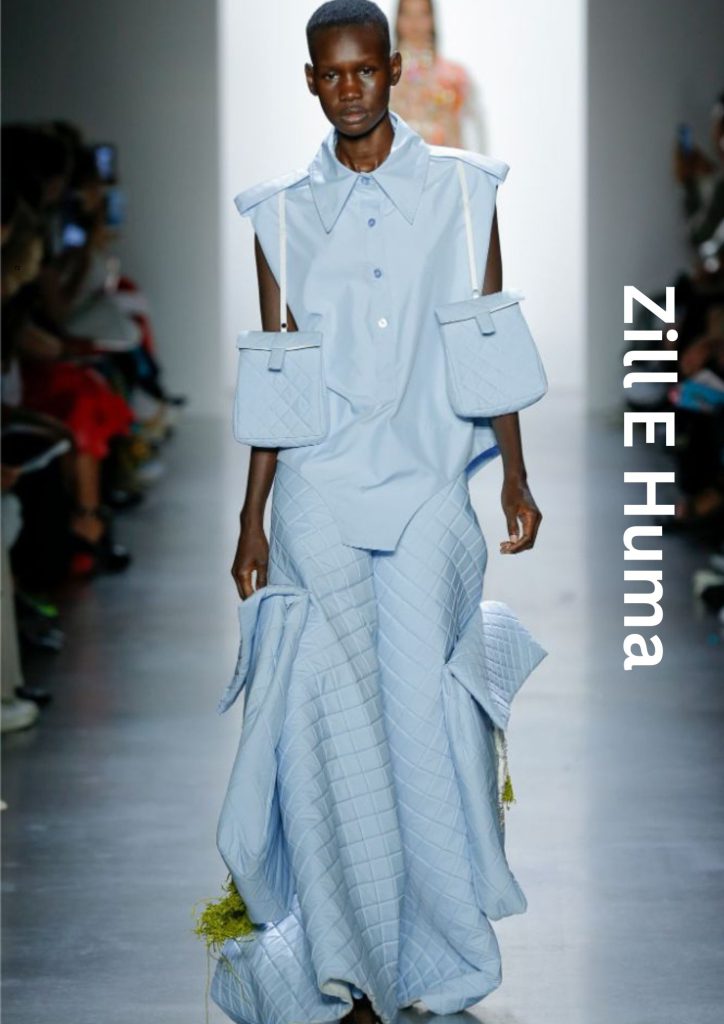
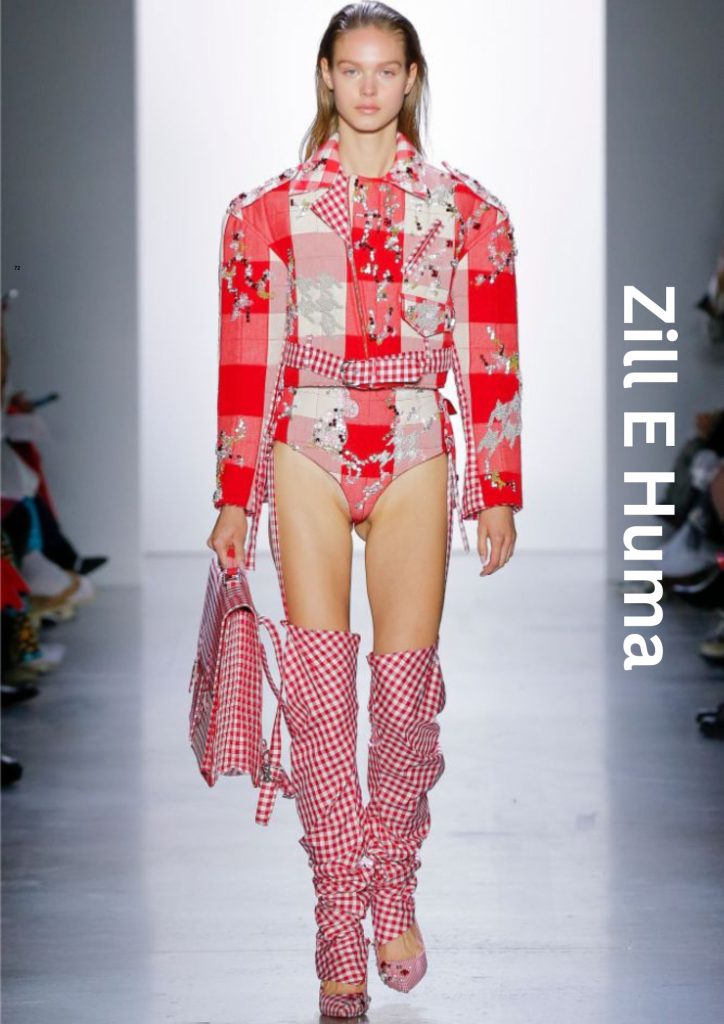
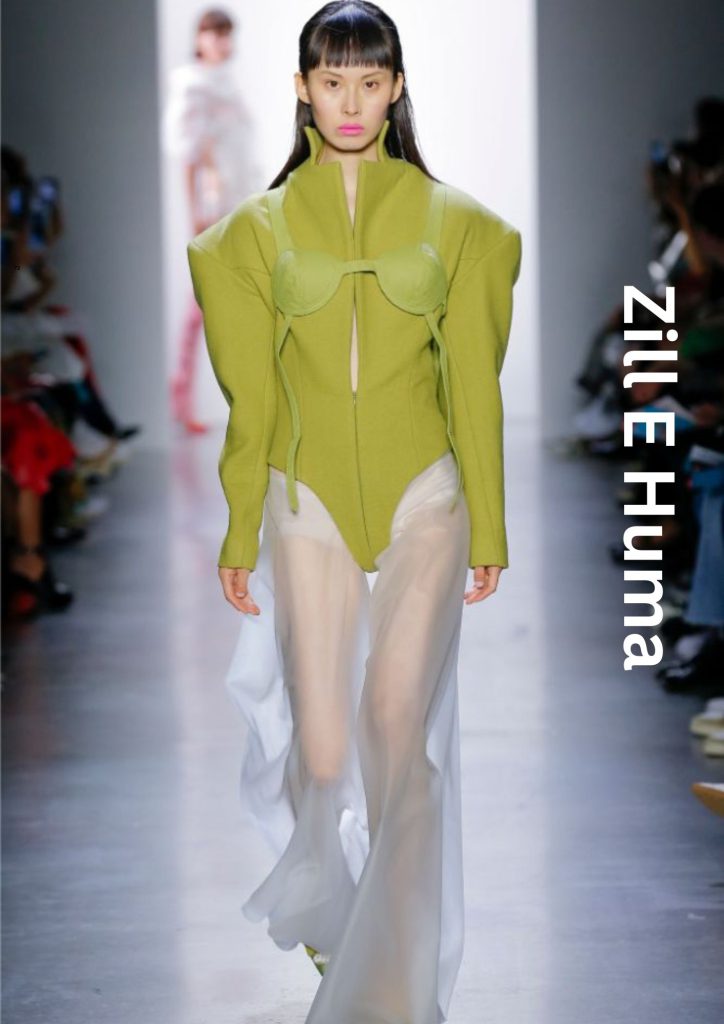
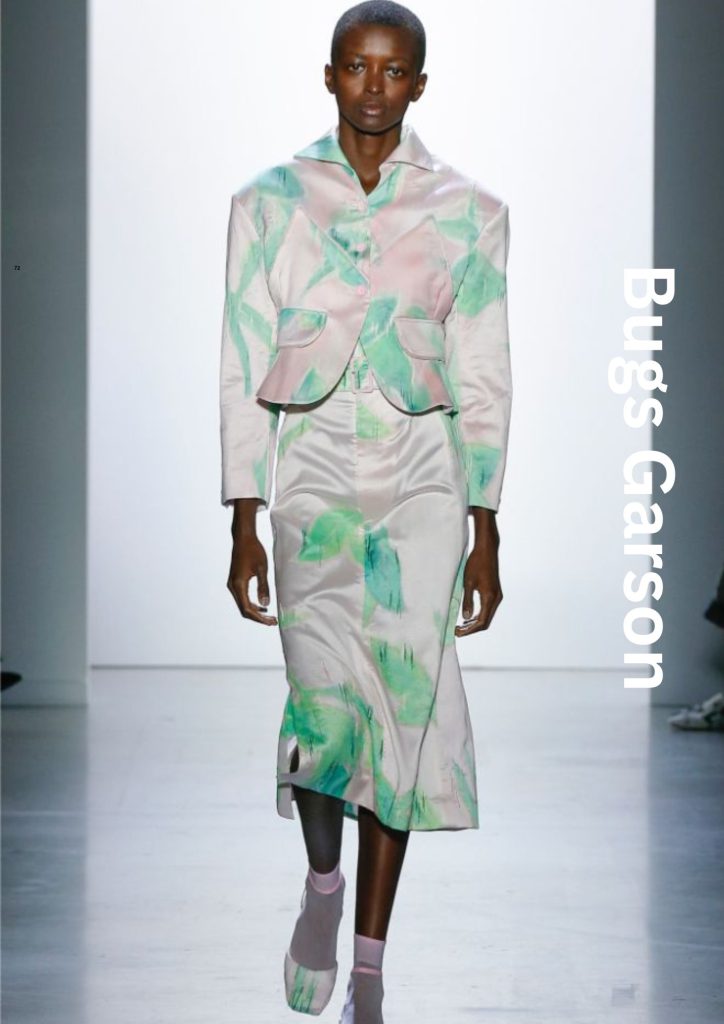
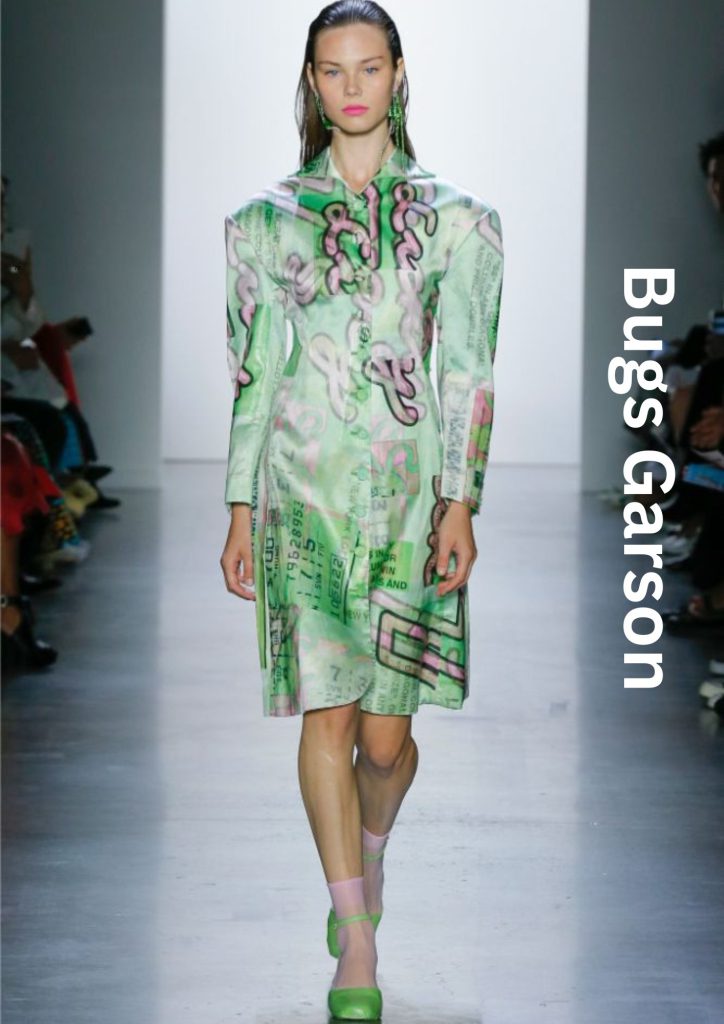
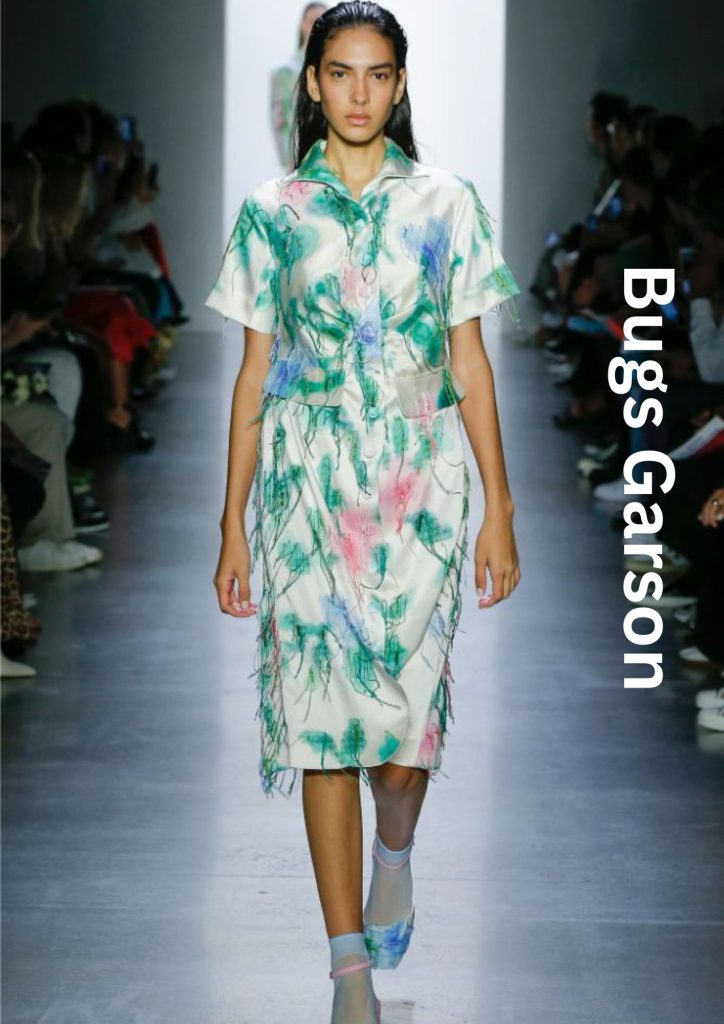
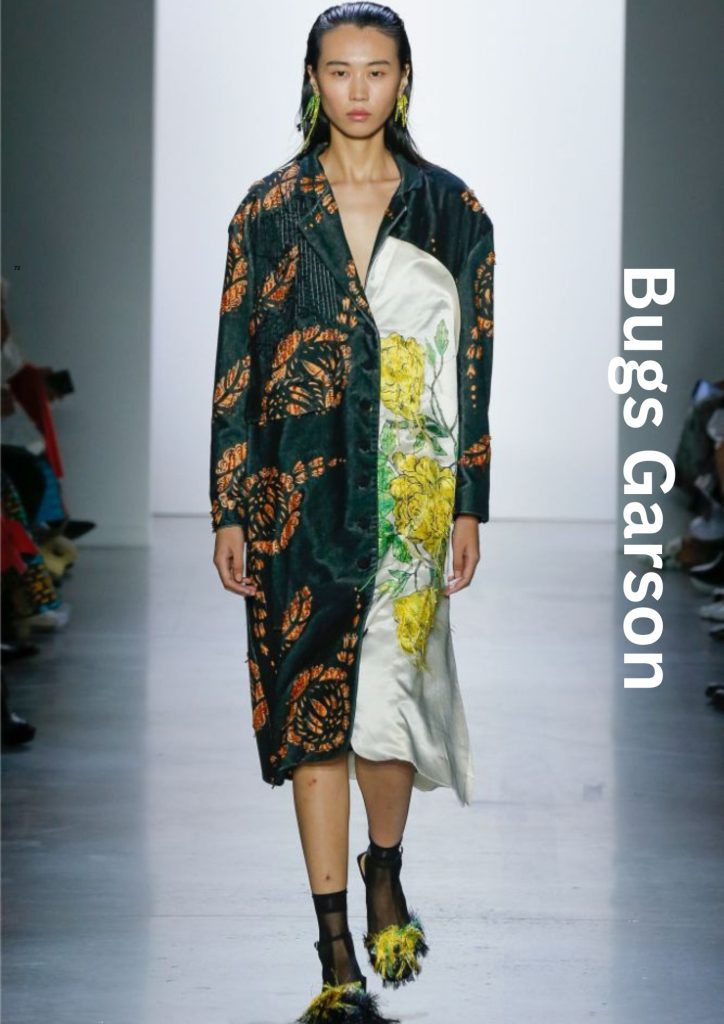
The 2019 presentation solidified Parsons' reputation for producing designers who are as much philosophers as they are tailors. Whether it was Zill-e-Huma navigating the clash of Pakistani and New York cultures through red gingham and crystals, or Aideen Gaynor (Bugs Garson) turning her grandparents' love letters into 1940s-inspired heirlooms, the show was a powerful reminder that the future of New York fashion lies in deeply personal, often uncomfortable, storytelling.
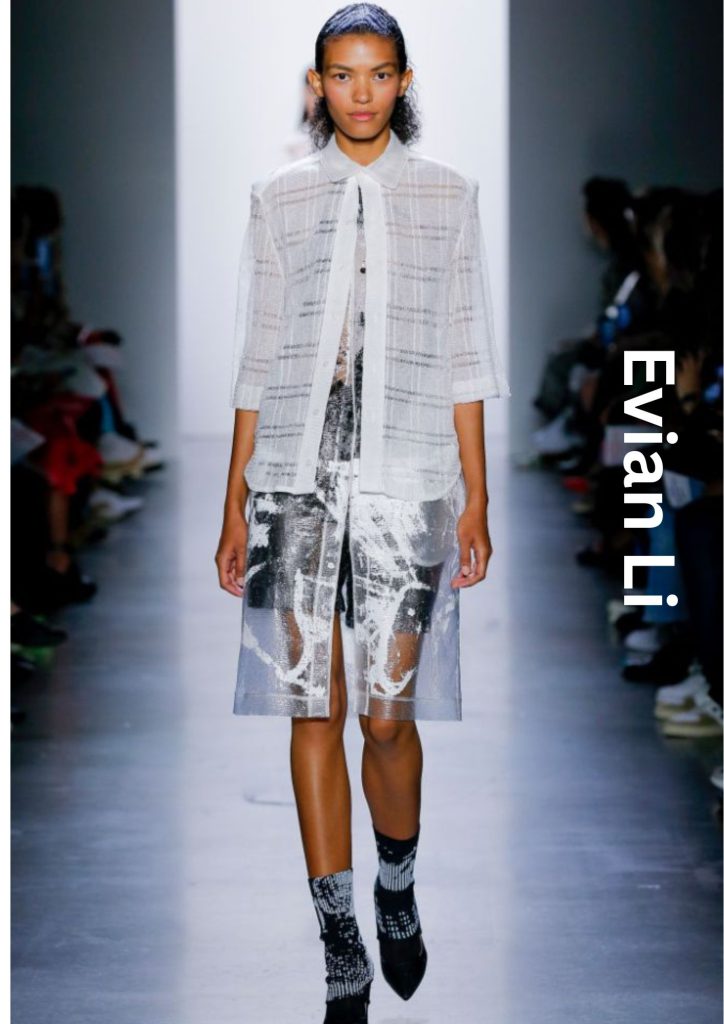
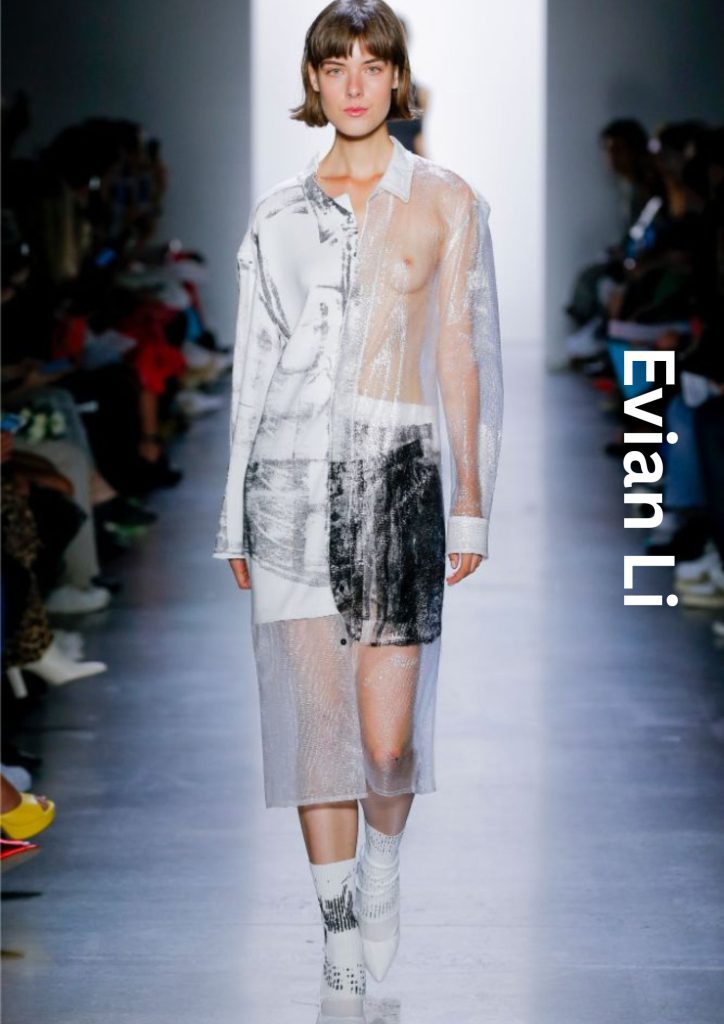
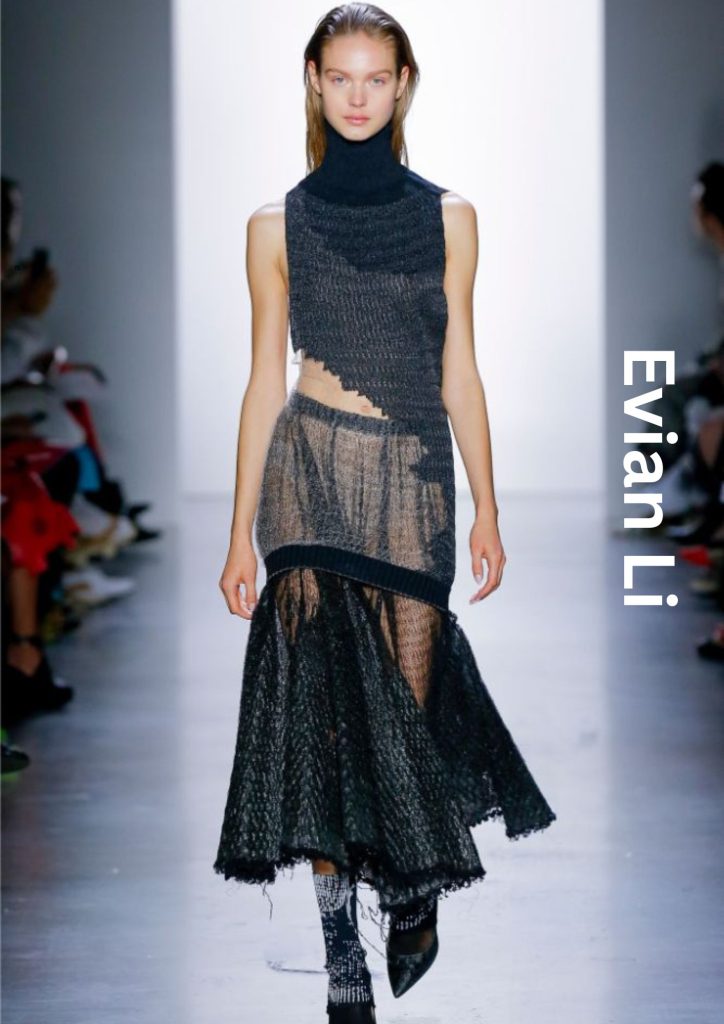
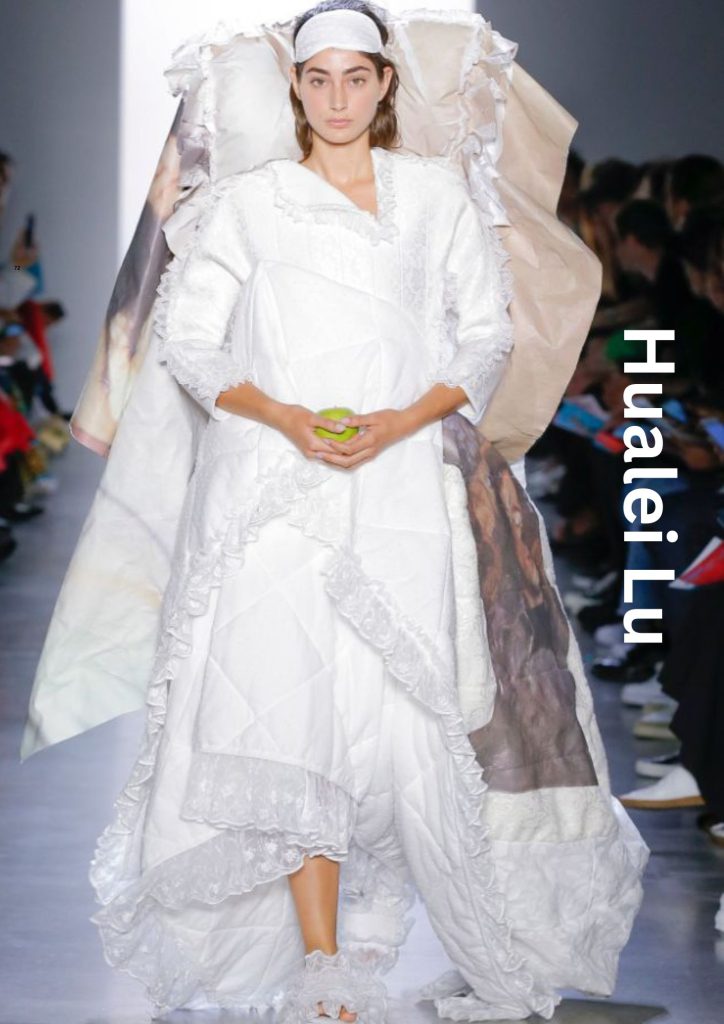
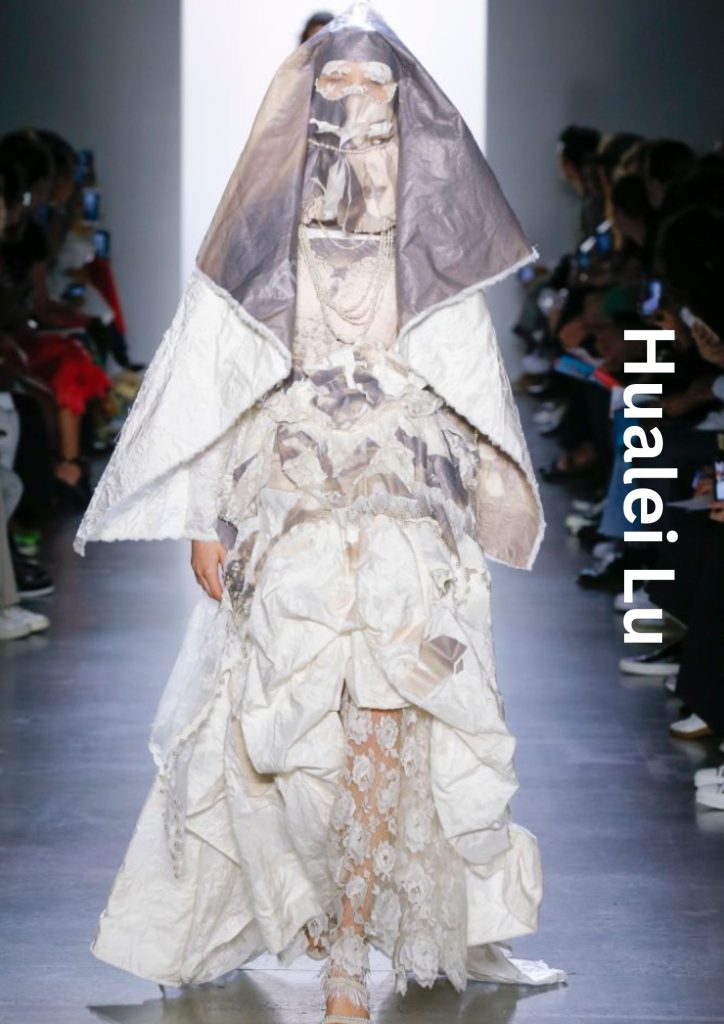
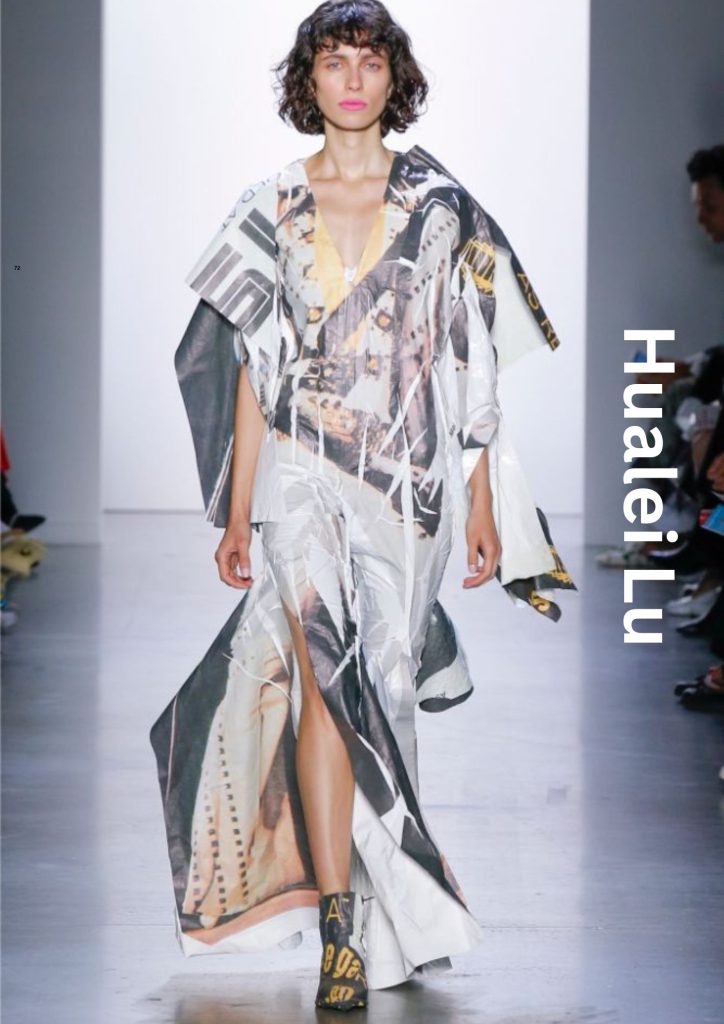
Hualei is done trying to know all the right answers. “Sometimes misunderstanding is much better,” she said. You could, for example, happily misinterpret her collection as mere rock-and-roll fandom. The Rolling Stones’ “Sticky Fingers” cover appears atop a real trouser front. A “Like a Virgin” look reproduces Madonna’s dress from the cover. And a very enlarged “Unfinished Music No. 2” situates the wearer in bed with Yoko Ono.
But don’t be fooled: Hualei’s work is fundamentally about wordplay. The musical references constitute a well-elaborated pun on the term “album jacket.” The collection also includes a handbag made of a cast hand and a pair of briefs printed with a project brief. Sometimes meaning is broken more brutally: she printed images on some garments crumpled-up so the prints appear fragmented on the body.
Her design process was like playing the “Chinese Whispers/Telephone game,” she said; each iteration of the idea changed the meaning slightly. And like the game, “it makes people laugh.”
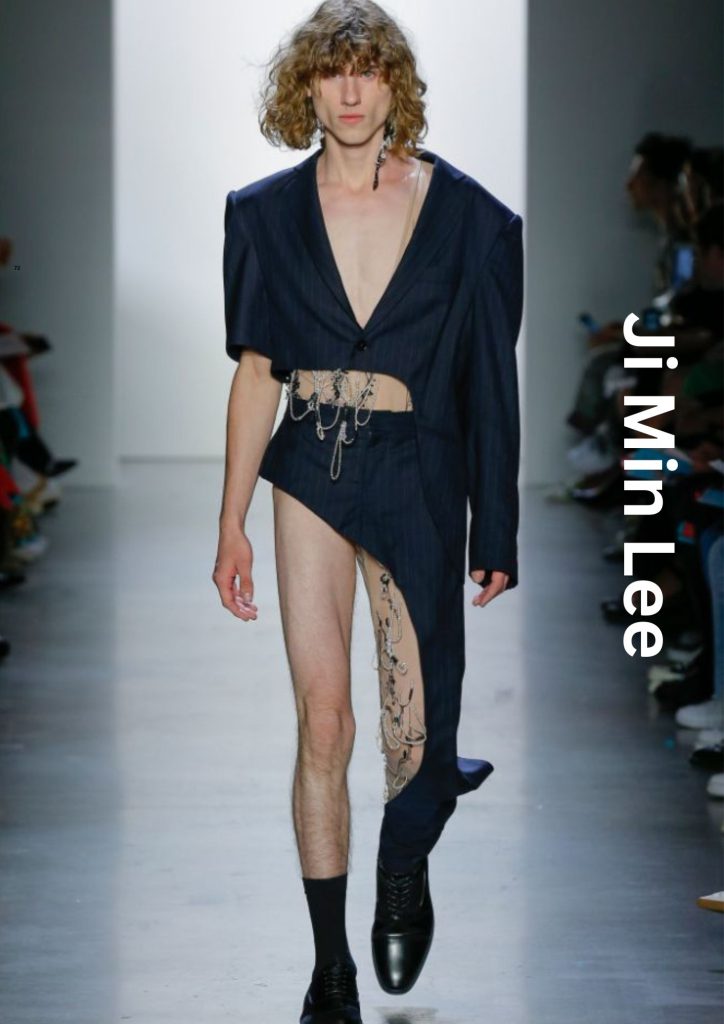
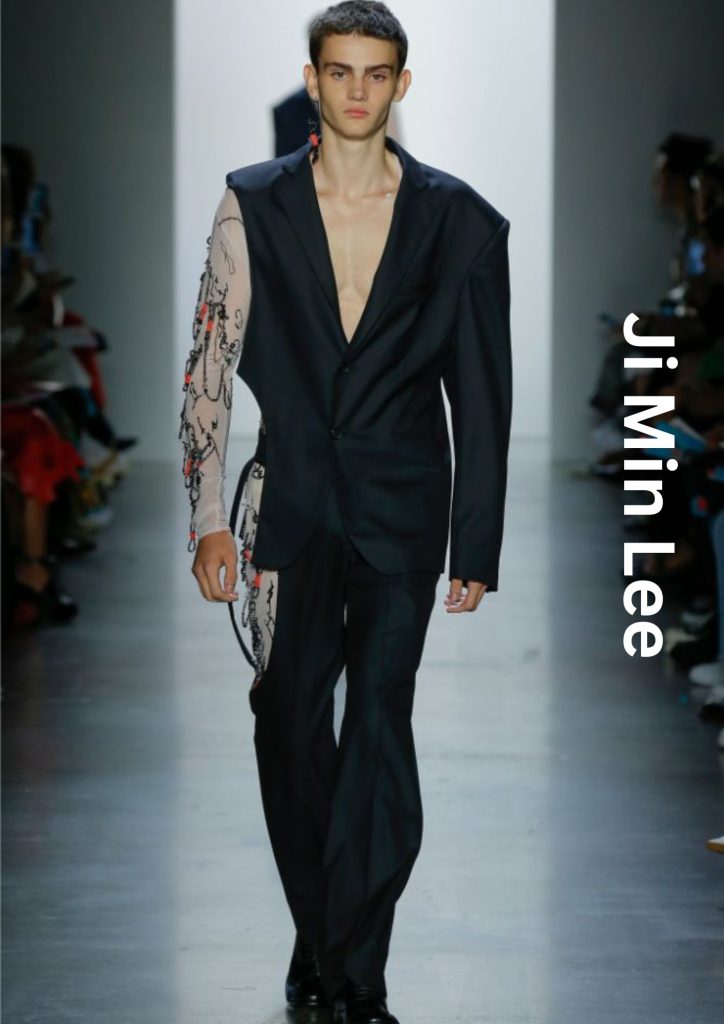
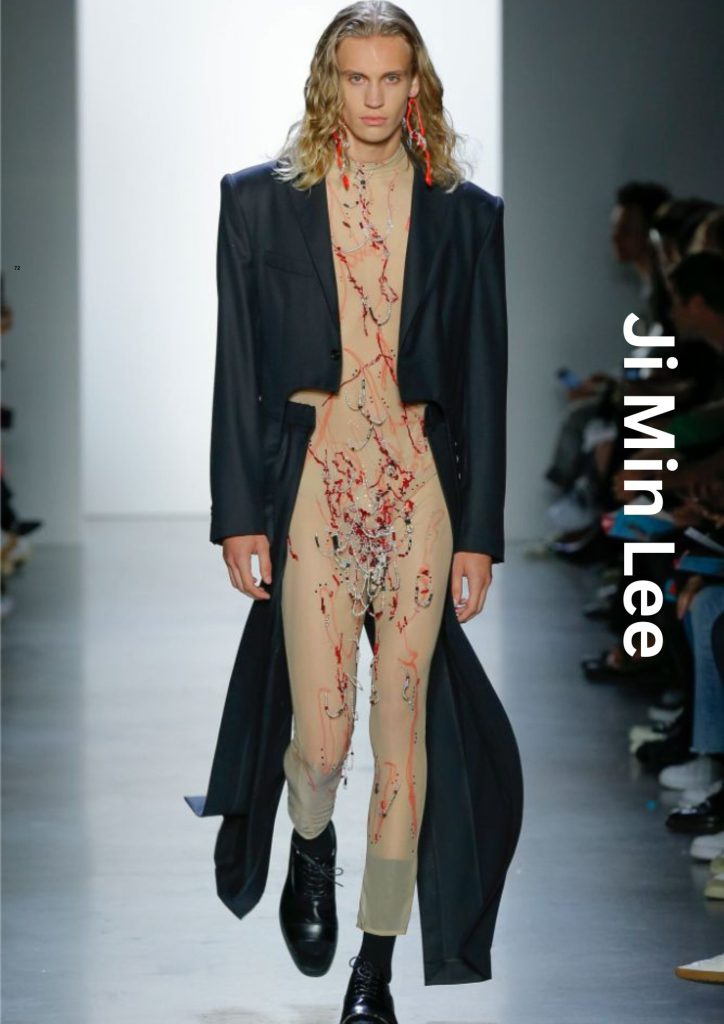
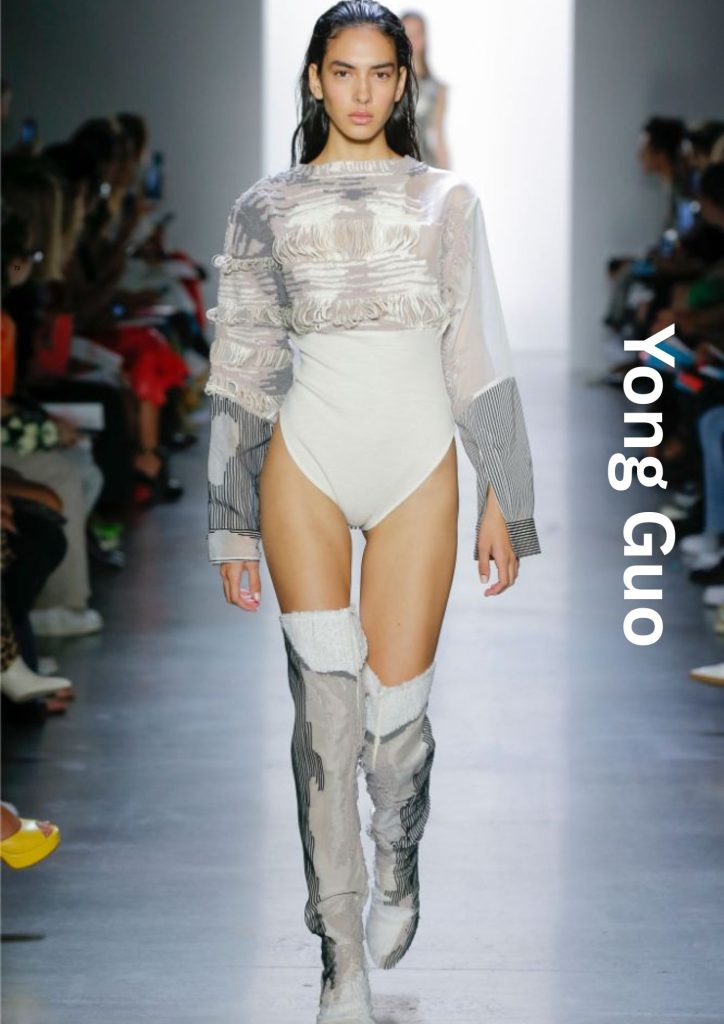
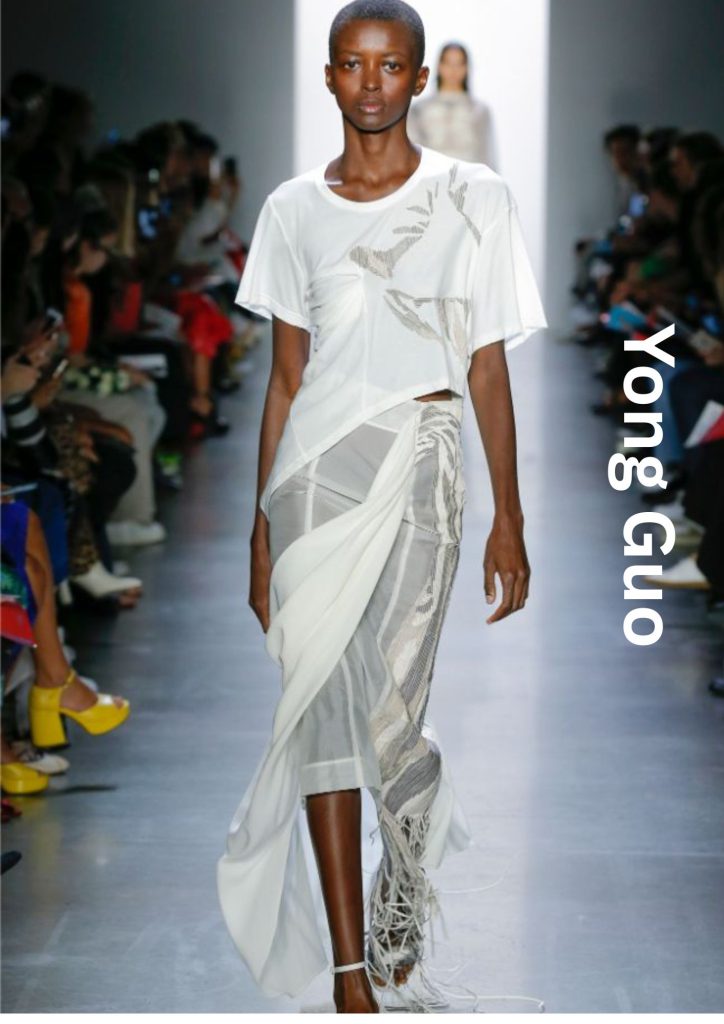
“This collection is like a gift for my mother,” said Yong. Having recently survived breast cancer and a mastectomy, Yong’s mother felt like her body was part-real, part-fake. She underwent a drastic change in style from fitted womenswear to more relaxed menswear.
To honor her experience, Yong conducted photo studies of her new wardrobe. He scanned her clothes flat. He experimented with putting them on in the wrong order, undergarments on top. He also curated images of sculptures with missing limbs. Yong selected the best photos and tried to reconstruct them—part-real, part-fake.
For the fakery, he sought a trompe l’oeil effect, hand-stitching ribbons in gradating hues to mimic the highlights and shadows of his studies. This technique on his Venus de Milo dress took ten days alone. Somehow the ribbon-reconstructions look more three-dimensional than the “real” panels from a distance.
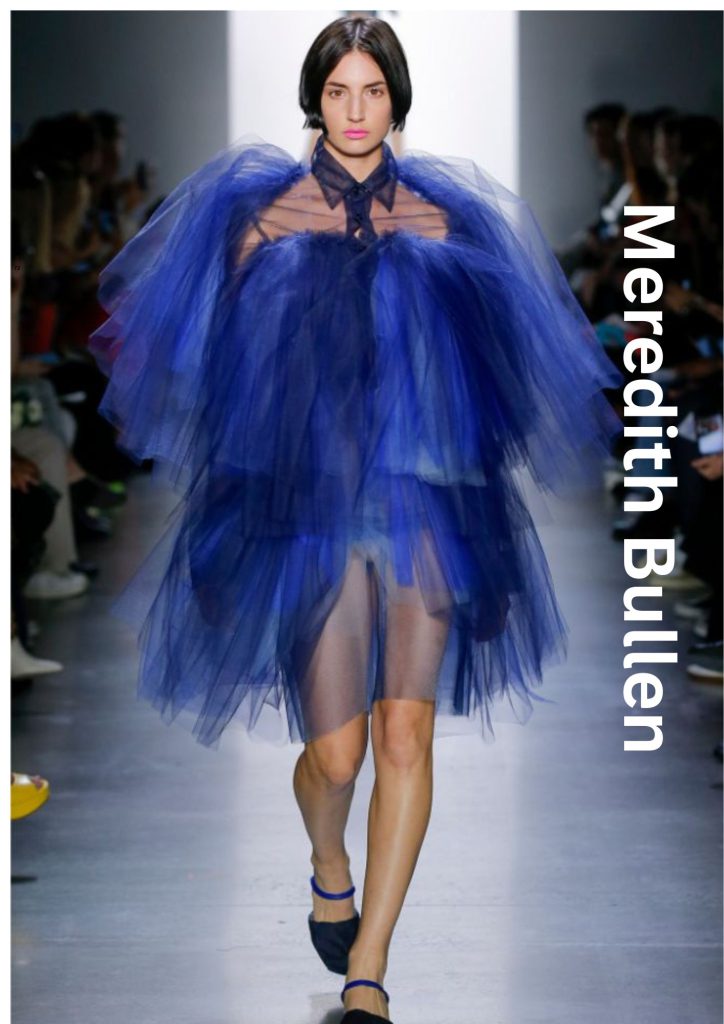
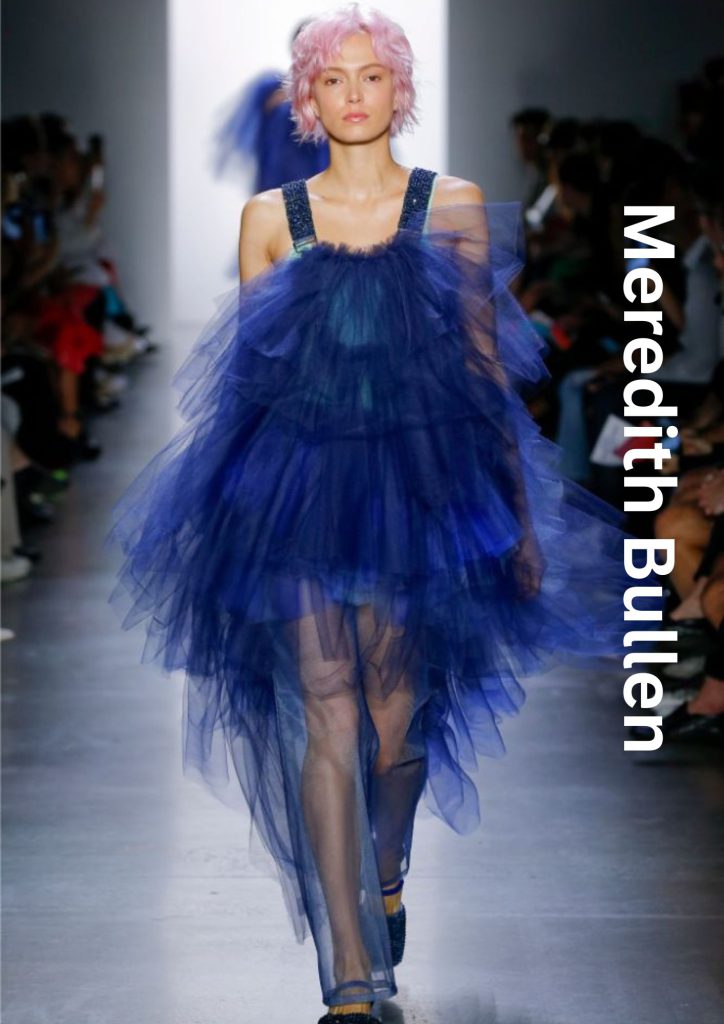
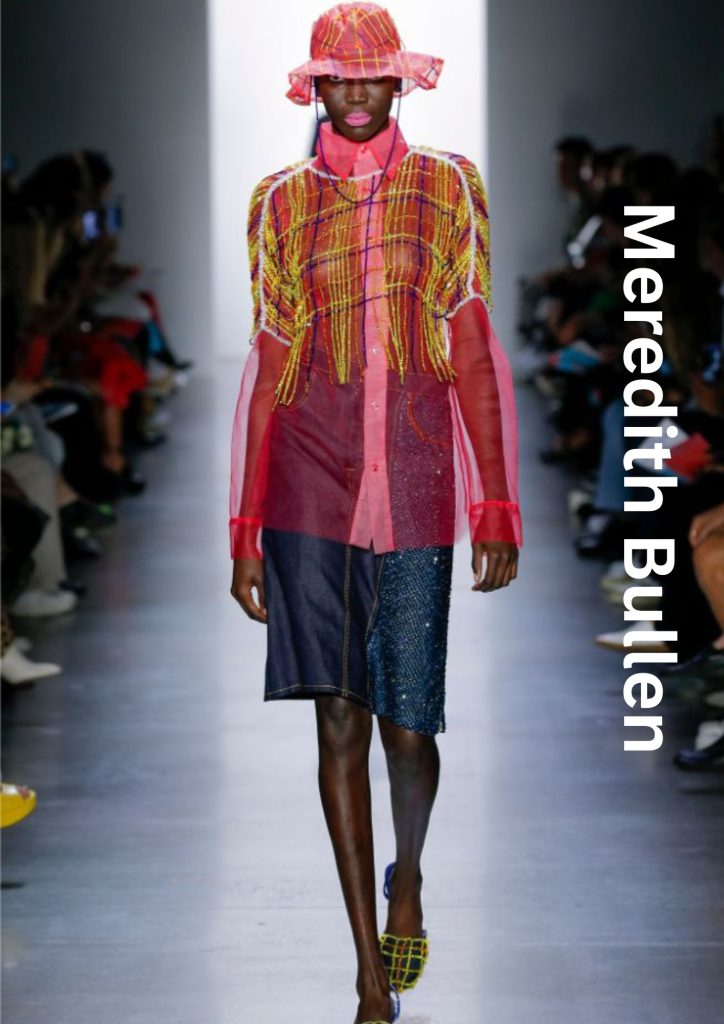
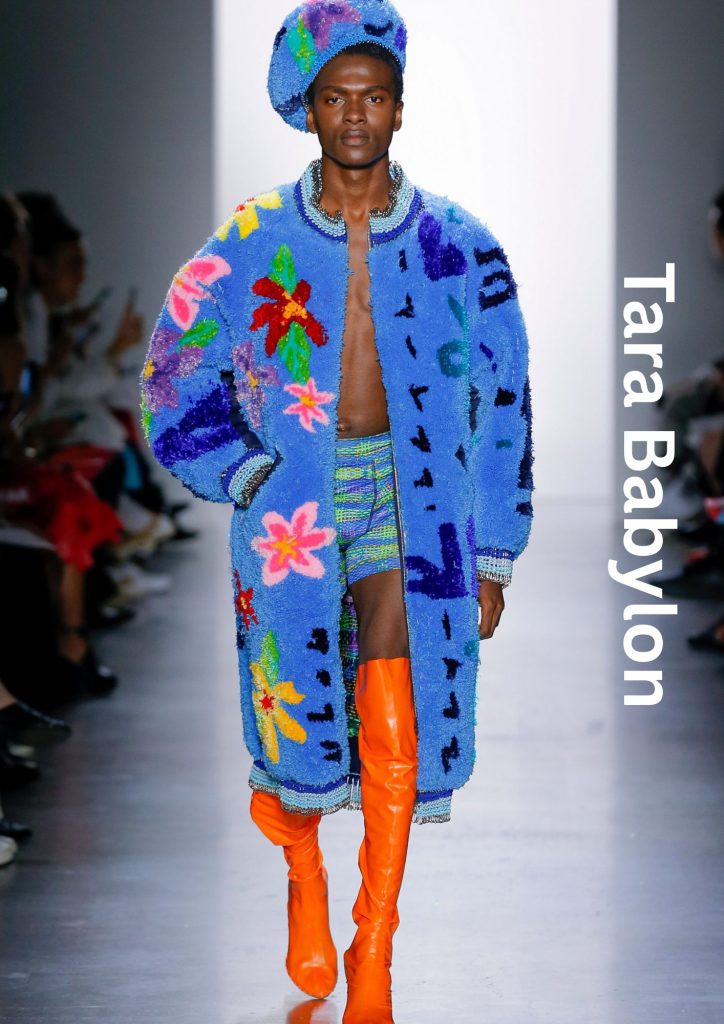
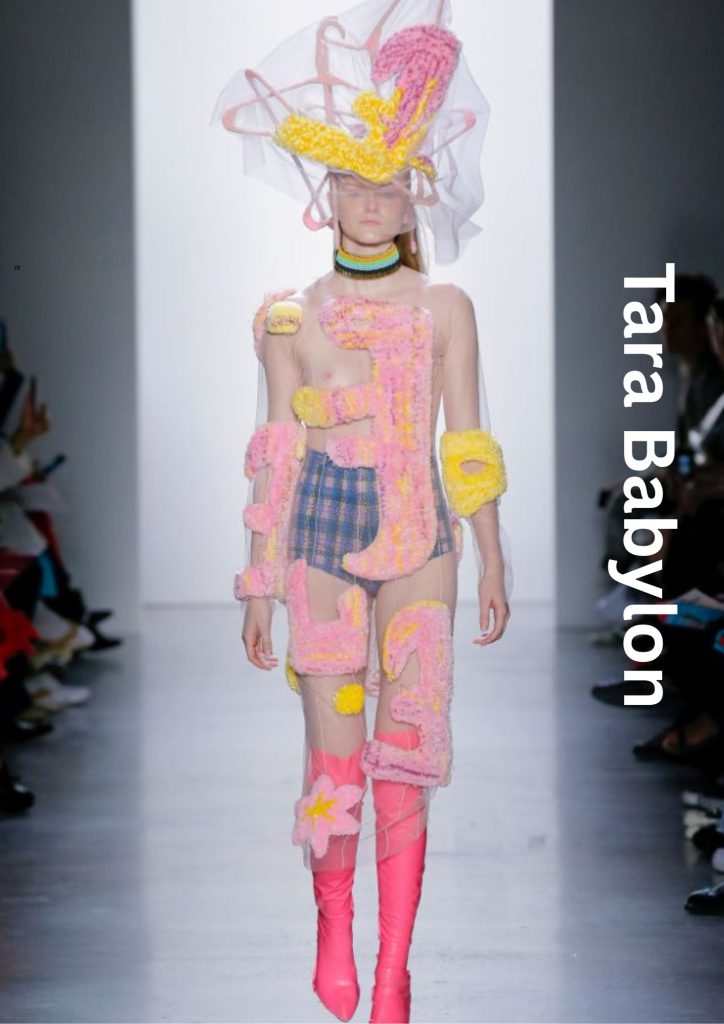
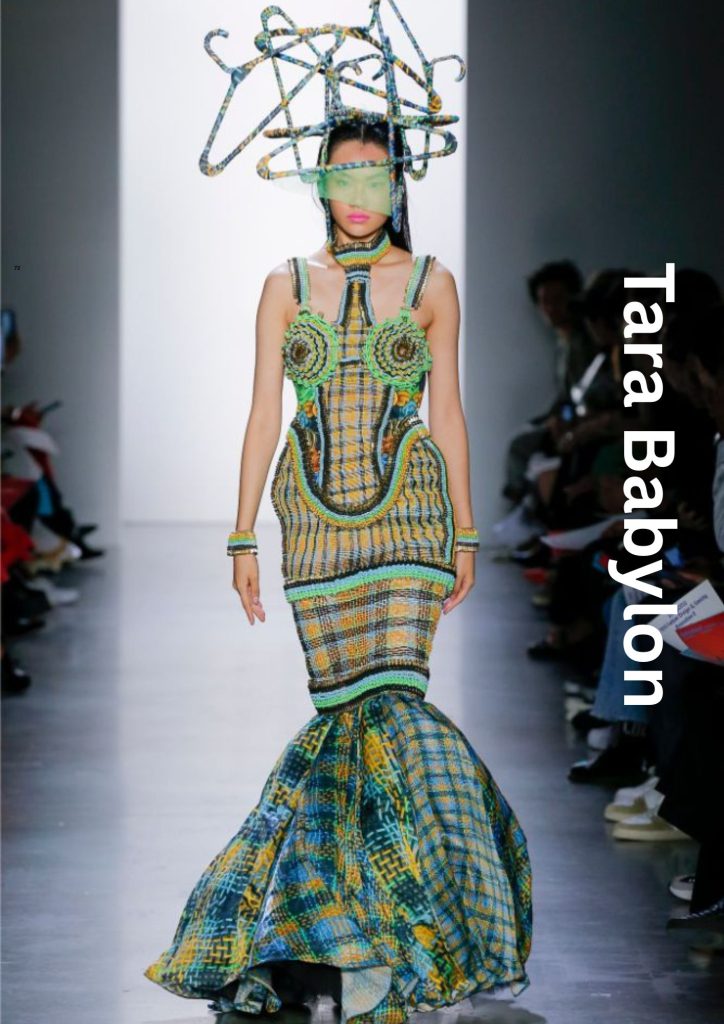
“Movement is always at the frontal lobe of my brain,” Tara says, having relocated from Baghdad to Sheffield to Manchester to London to New York. Her multi-gender collection unites the five cities. For each city, she photographed herself dressed up in exaggerated associations with the place: “I literally performed the vibes of my mood board,” she said.
Her Catholic school uniform from Sheffield, plaid and punked-up with safety pins, inspired a textile hand-woven with elastic cording as well as the ribbing of an American-style varsity jacket. She tufted a shaggy coat that spells out Arabic words in the “club girl, junk food” colors she associates with her late-adolescent life in Manchester. Latex panels throughout the collection allude to London’s fetish scene.
To craft the handwoven looks, Tara custom-made looms for each panel by nailing into discarded wood from the street. Most looks took over two weeks to assemble, though the ball gown took two months.
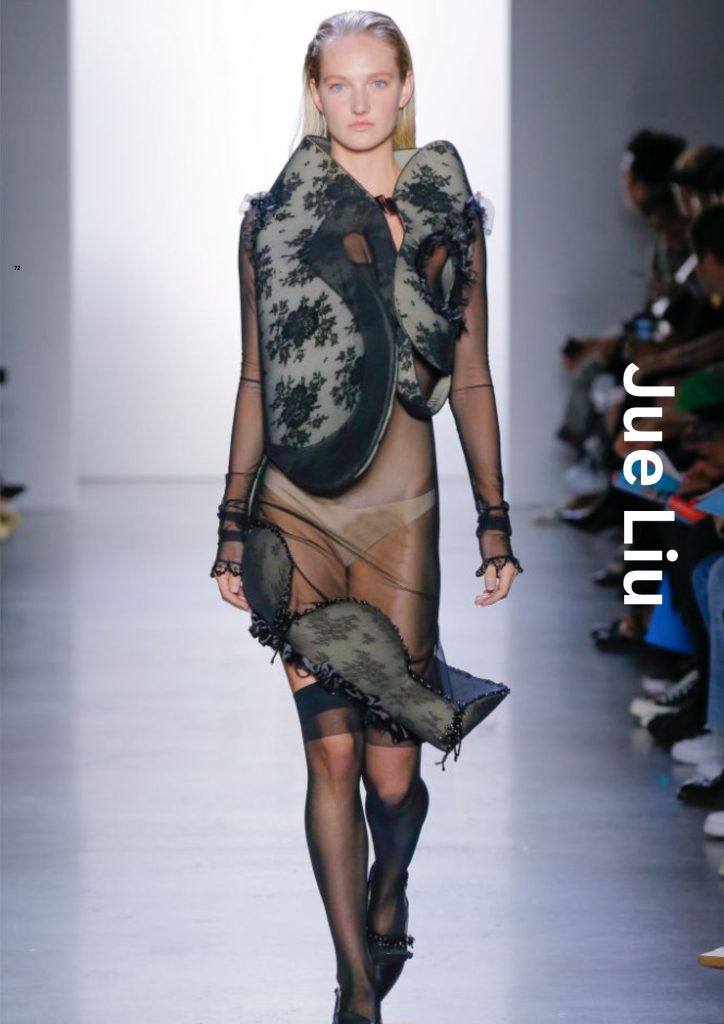
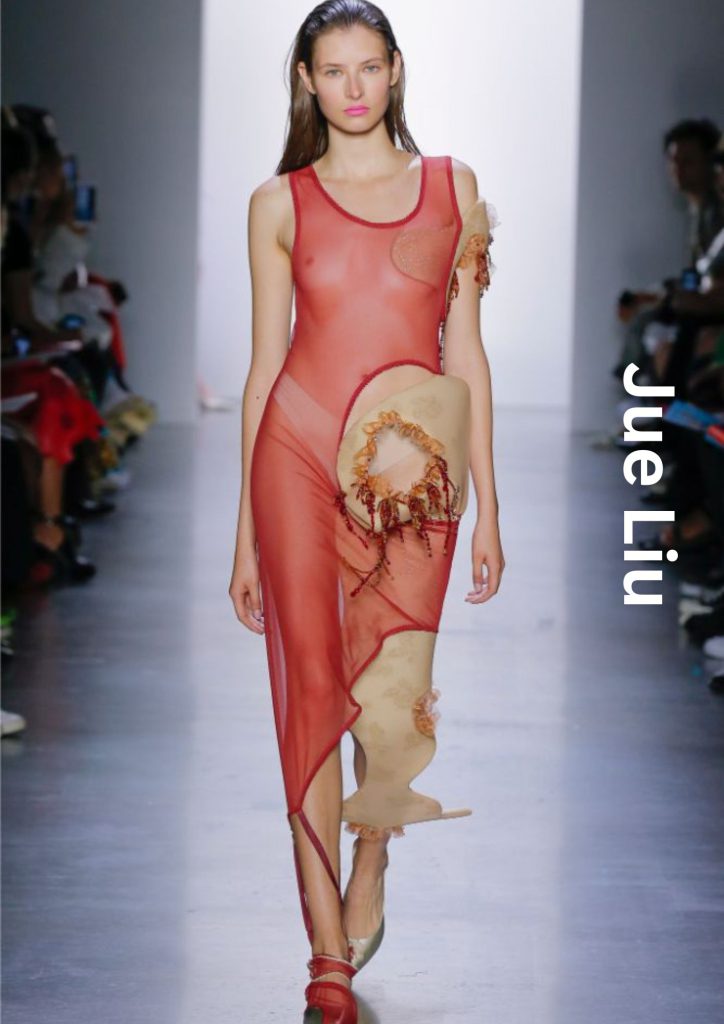
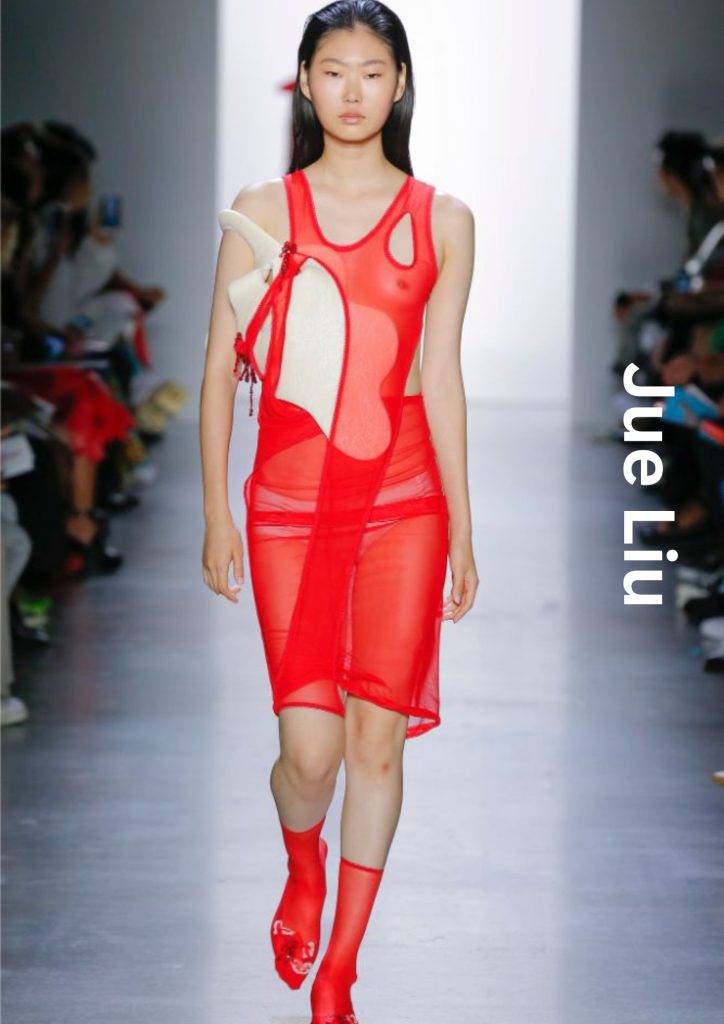
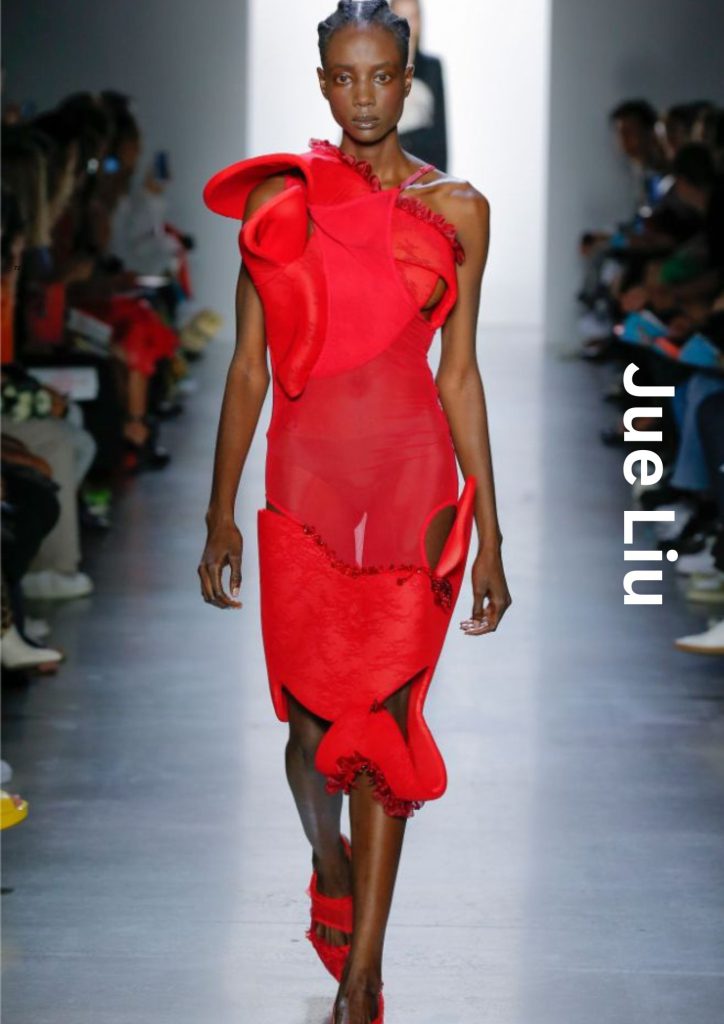
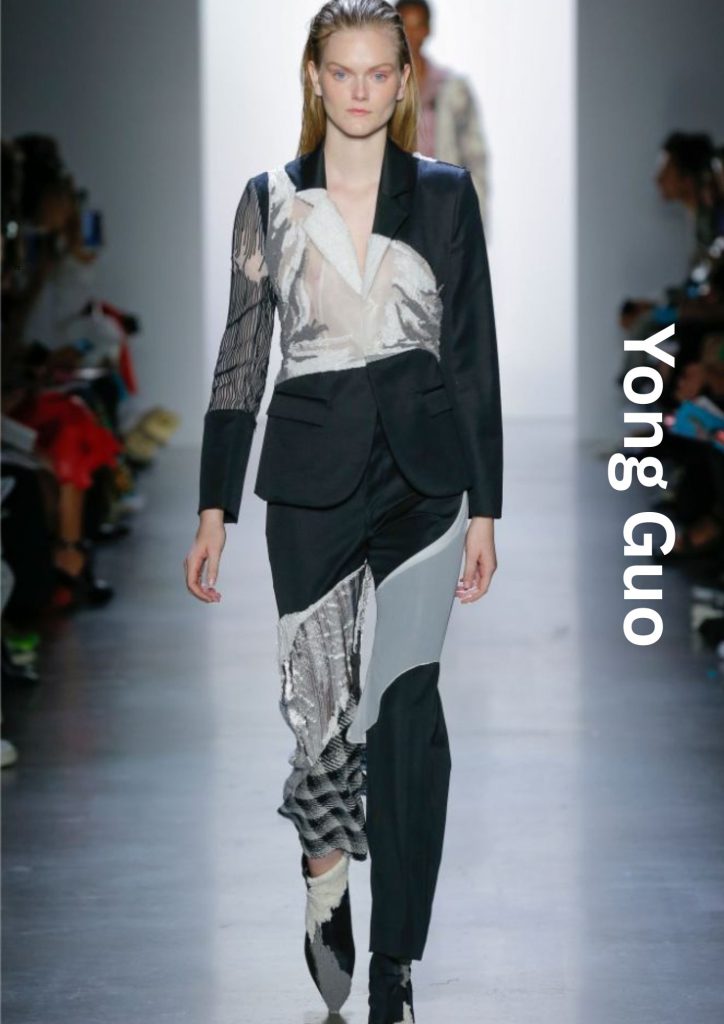
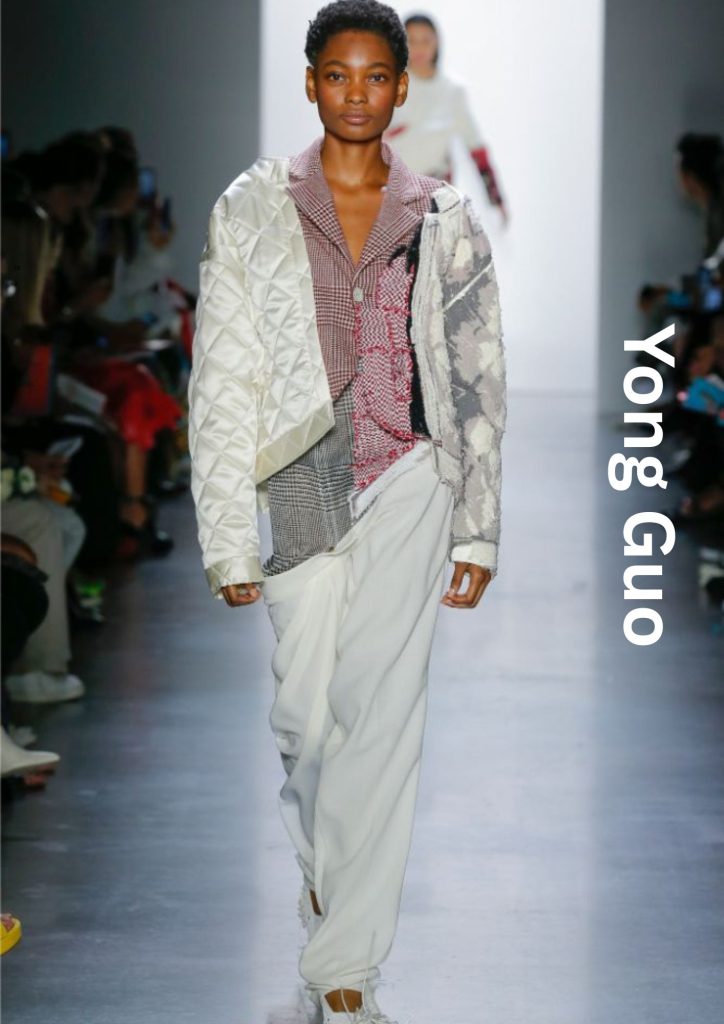
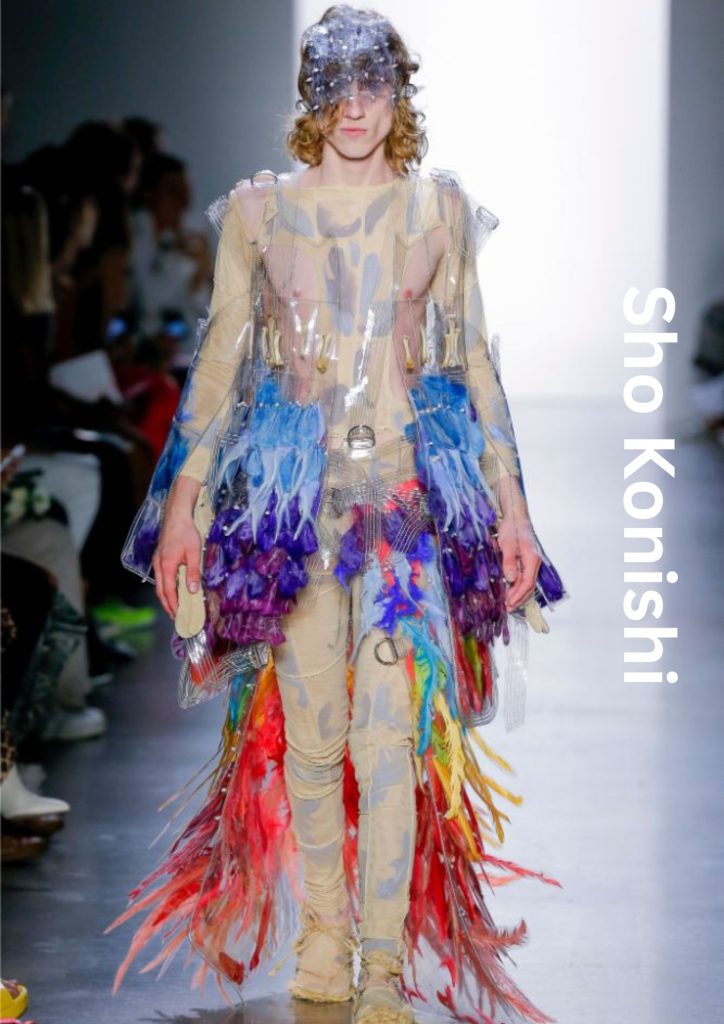
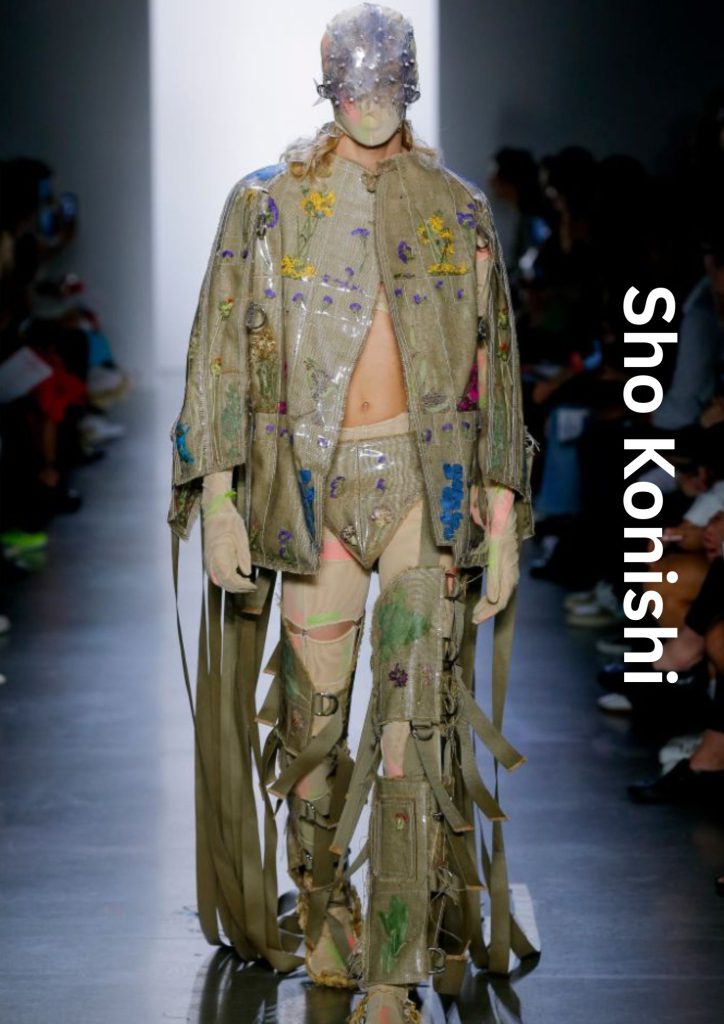
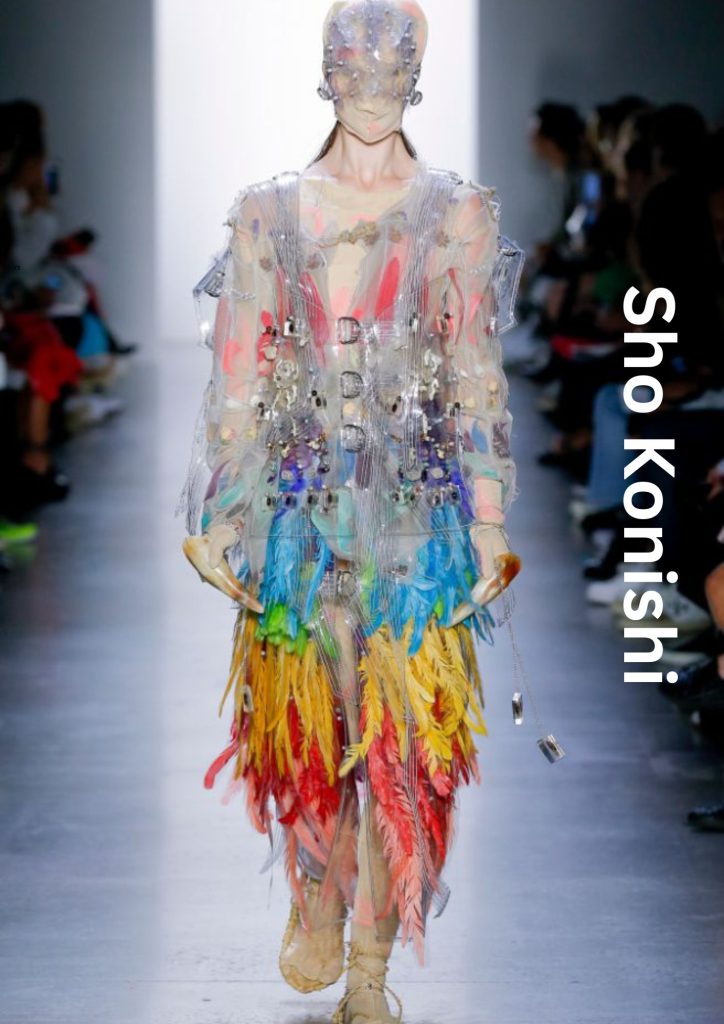
When the biblical Eve ate the forbidden apple, she became aware of her nakedness and tried to hide. Her shame, Sho contends, was the beginning of fashion. Thousands of years later, there is a supermarket called Garden of Eden near Parsons, which is equally relevant to Sho: “grocery stores for me are the same as natural history museums.”
Described as “a wearable archive,” his collection memorialises all the non-human death from which he has profited. He preserved feathers, spices, flowers, and much more by sealing them in plastic (which after all is just cremated dinosaur, he figures). Archived specimens include the bones of a chicken he ate, the hide of a horse he first met alive, and the mushrooms he grew out of an old Nike sock. The patterns of his garments are lifted from an old textbook—another form of archiving.