

DATE:23rd October 2024. PLACE: Graduate Fashion Italia. TIME: 11.45
I: Daniele Venturelli
From the moment the first silhouette hit the runway, it was evident that Istituto Secoli was setting the gold standard for this year’s Graduate Fashion Italia. The collection served as a powerful reminder of why technical foundation matters, showcasing a level of impeccable tailoring and accomplished pattern cutting that is often lost in the pursuit of avant-garde shock value. By grounding their creative visions in structural excellence, the students delivered a series of cool, aesthetic, and chic collections that felt remarkably sophisticated. It was a rare display of student work where the "wow factor" came not from absurdity, but from the sheer perfection of the fit and the fluidity of the garments in motion.
Nowhere was this balance more evident than in the work of Gian Gavino Solinas and Gabriele Fraggetta. Both designers demonstrated a sophisticated commercial instinct, bridging the gap between high-concept design and undeniable marketability. Their ability to translate complex inspirations into absurdly wearable products—without losing their artistic edge—highlighted a deep understanding of the modern luxury consumer. This wasn't just a student showcase; it was a lineup of ready-to-wear pieces that felt immediately relevant and easily relatable, cementing the show as the undisputed standout of the season.
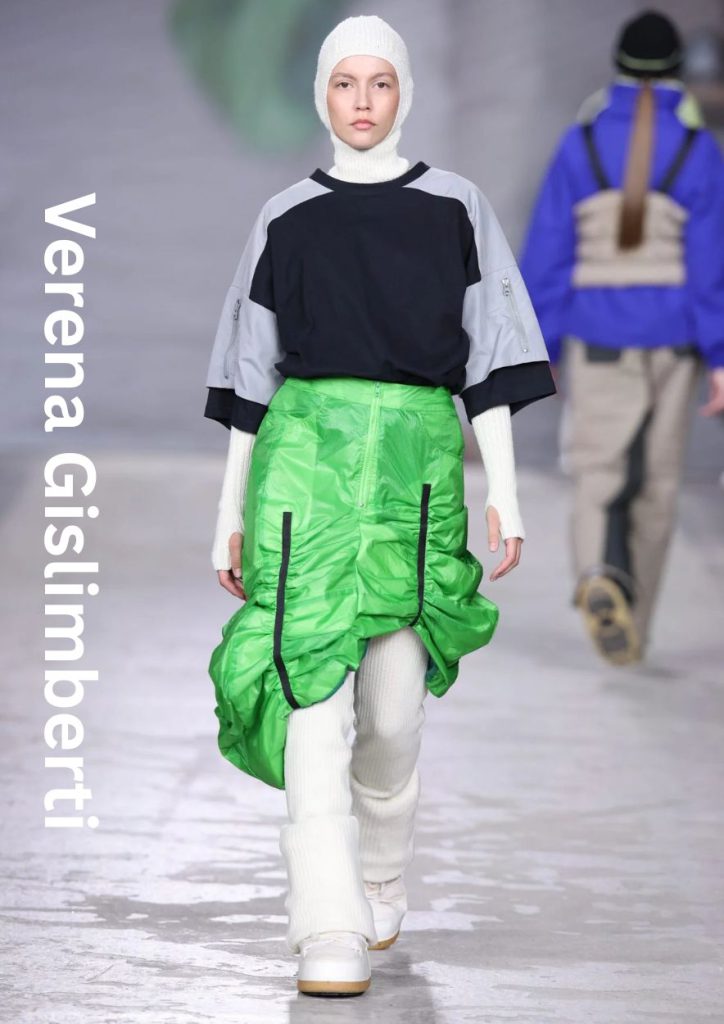
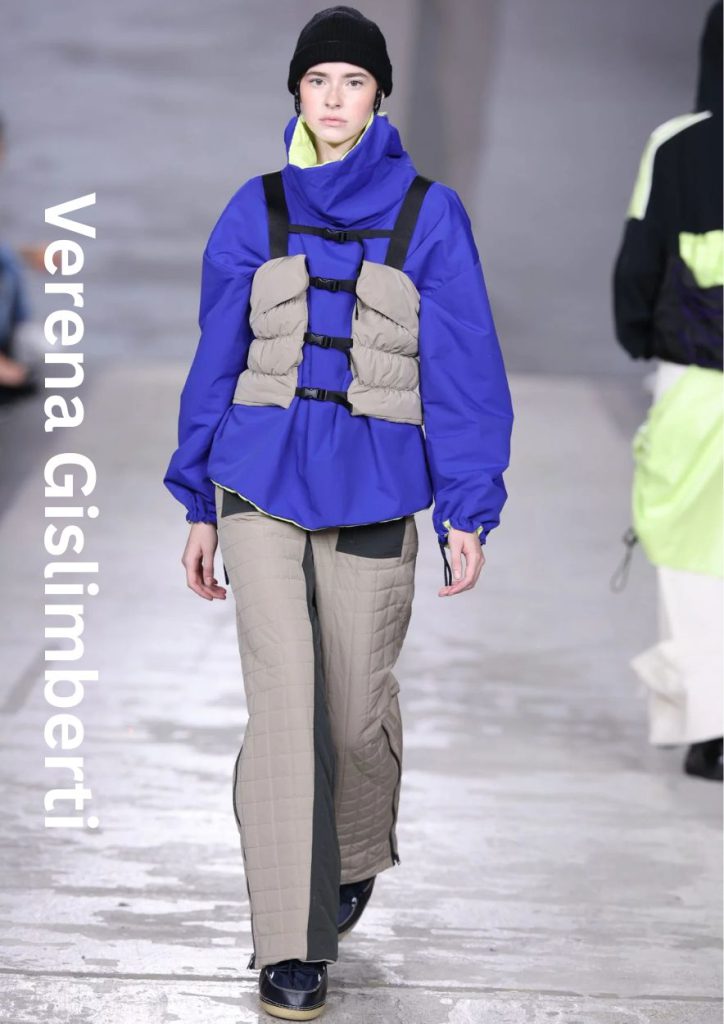
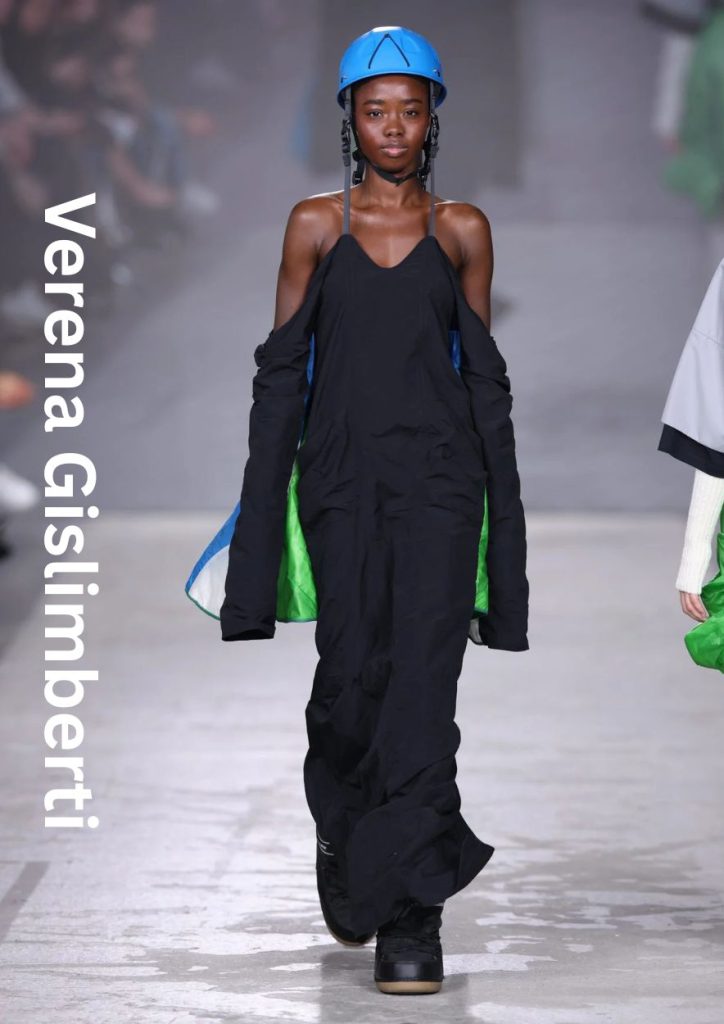
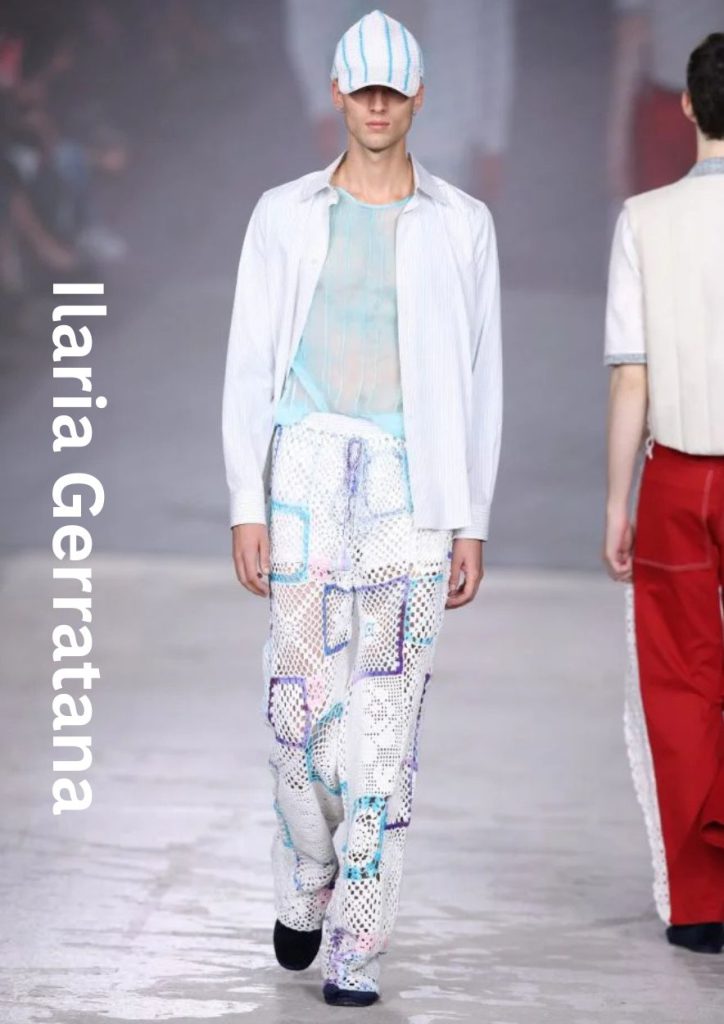
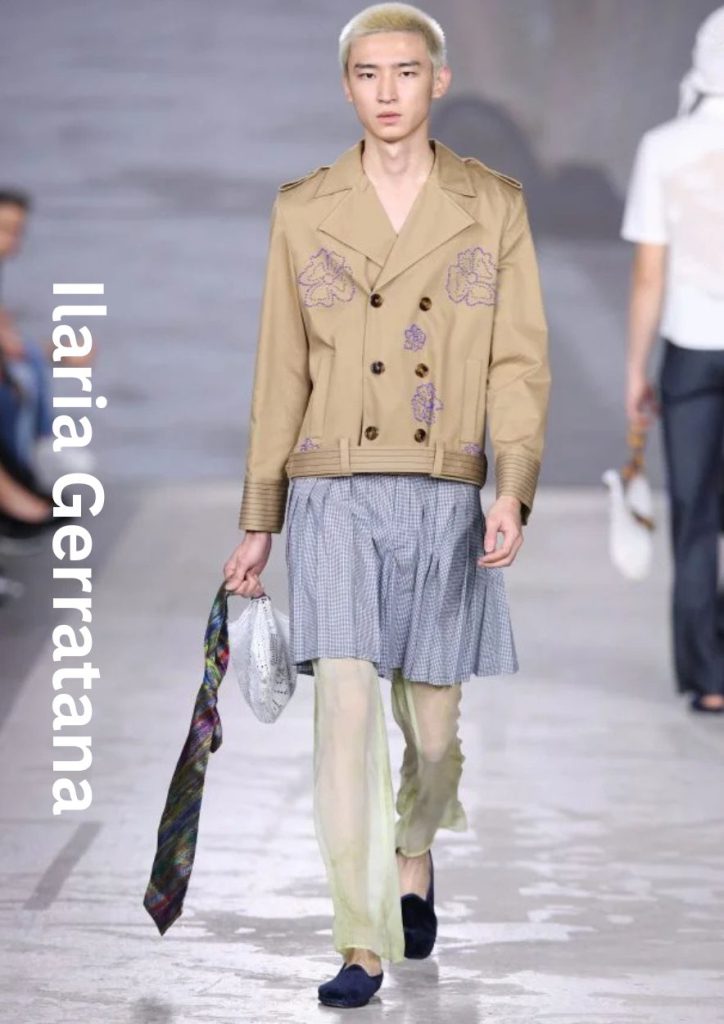
Ilaria Gerratana: Collection “Love Letter From Sicily”
Inspired by an Austrian photographer’s tribute to Italy’s "power of fascination," the “Love Letter From Sicily” collection is a poetic exploration of the Peninsula’s seductive allure. The designer elevates the concept of beauty from a mere aesthetic to a vital life force, arguing that without a personal vision of beauty, existence loses its meaning. This philosophy is breathed into life through a rigorous commitment to the “Made in Italy” ethos, where craftsmanship isn't just a method, but the soul of the garment.
Deeply rooted in the designer’s Sicilian heritage, the collection serves as a tactile narrative of home. Exceptional handwork takes center stage, with intricate crochet and embroidery acting as explicit homages to traditional Mediterranean artistry. By blending high-art concepts with rigorous manual skill, the collection captures the "enchantment" of Italy, delivering a wearable manifesto on the enduring power of beauty and artisanal soul.
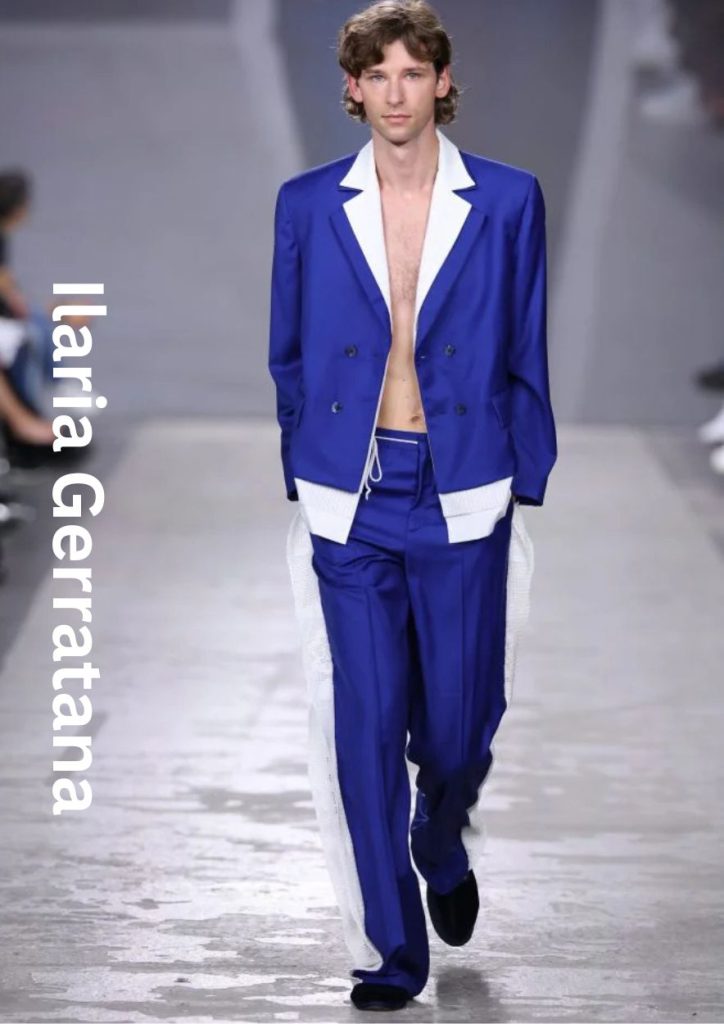
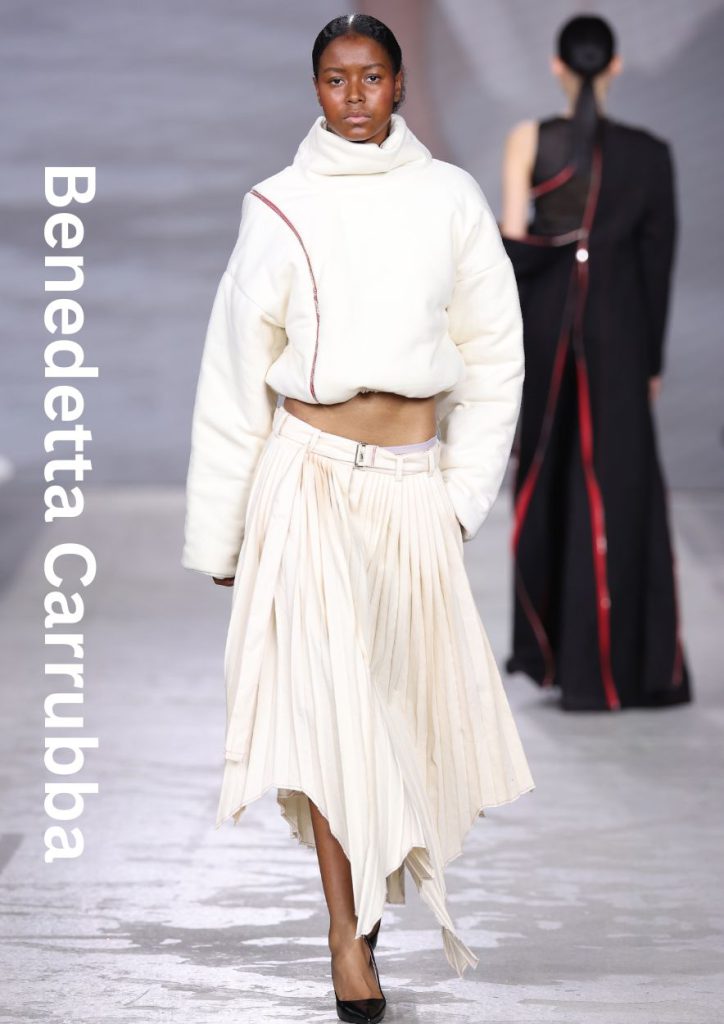
Daniele Cavallo: Collection Freedom
Daniele Cavallo’s collection, “Freedom,” stands as a bold interrogation of the traditional masculine wardrobe, stripping away the rigidity of classic tailoring to uncover a more liberated silhouette. By focusing on the concept of deconstruction, Cavallo breaks down the "armour" of the male suit, reimagining it as a vehicle for personal expression rather than social conformity. His work at the Istituto Secoli show demonstrated a sophisticated grasp of pattern cutting, where seams were intentionally displaced and structures were loosened to signify a rupture from the past. It was a collection that managed to feel both rebellious and refined, proving that true freedom in design comes from mastering the rules before strategically breaking them.
The "absurdly wearable" nature of Cavallo's work lies in his ability to maintain an aesthetic of effortless cool while executing complex technical shifts. By subverting the expectations of menswear, he tapped into a contemporary desire for fashion that feels authentic and unrestricted. This collection wasn't just about clothing; it was an activist statement on the evolution of identity, delivered through the lens of high-end Italian craftsmanship. Cavallo’s vision of freedom suggests that the future of the "Made in Italy" label lies in its capacity to adapt, breathe, and evolve alongside the person wearing it.
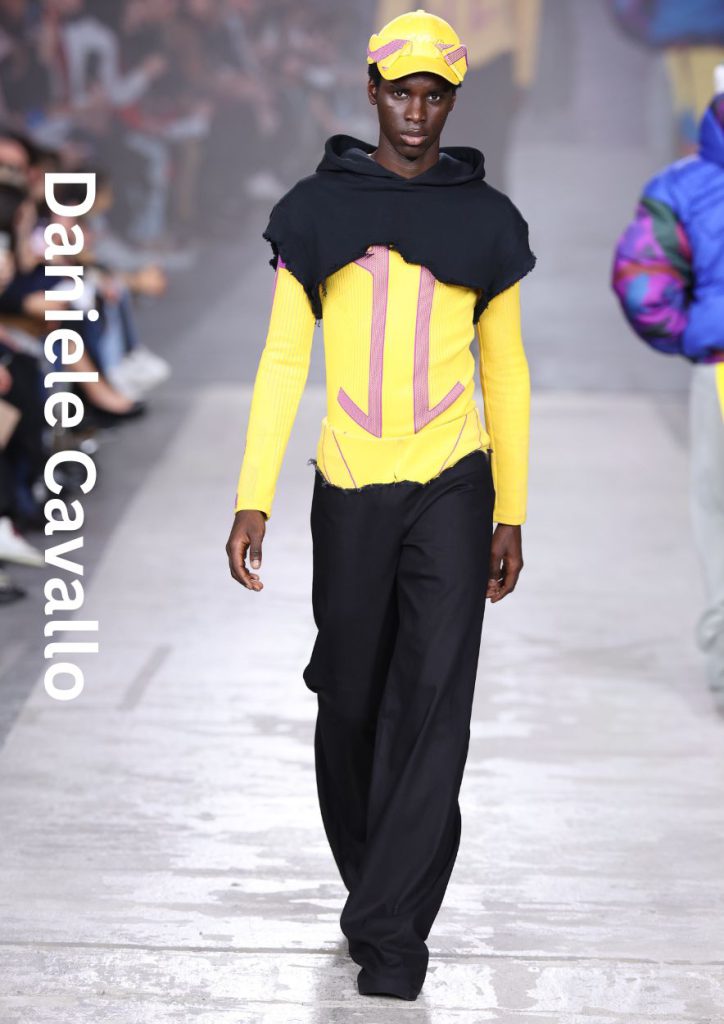
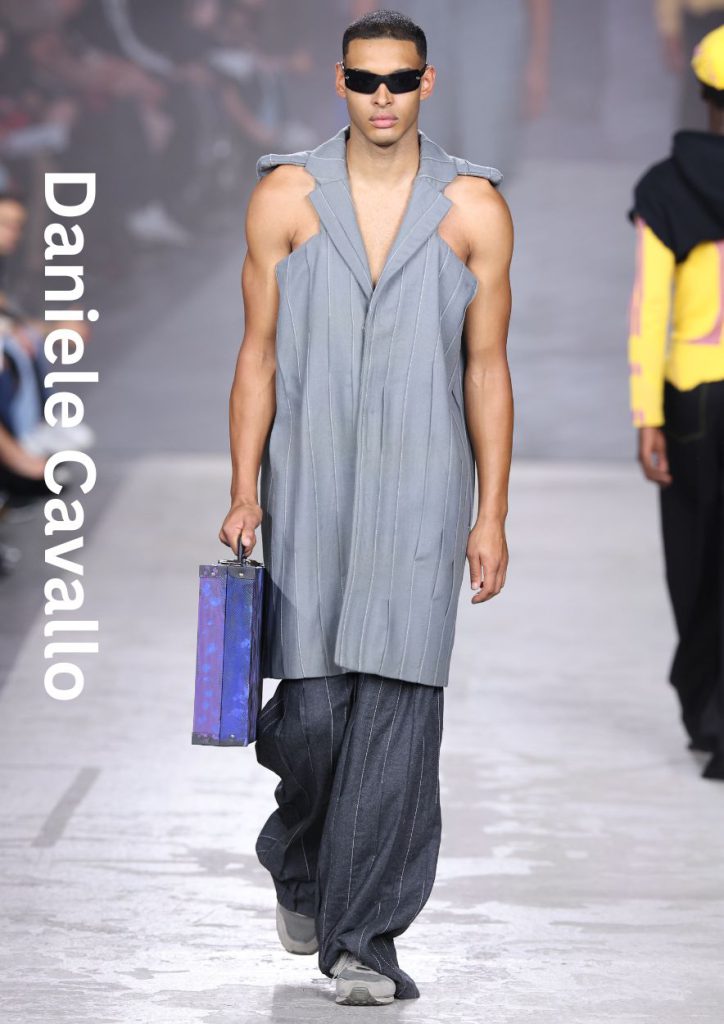
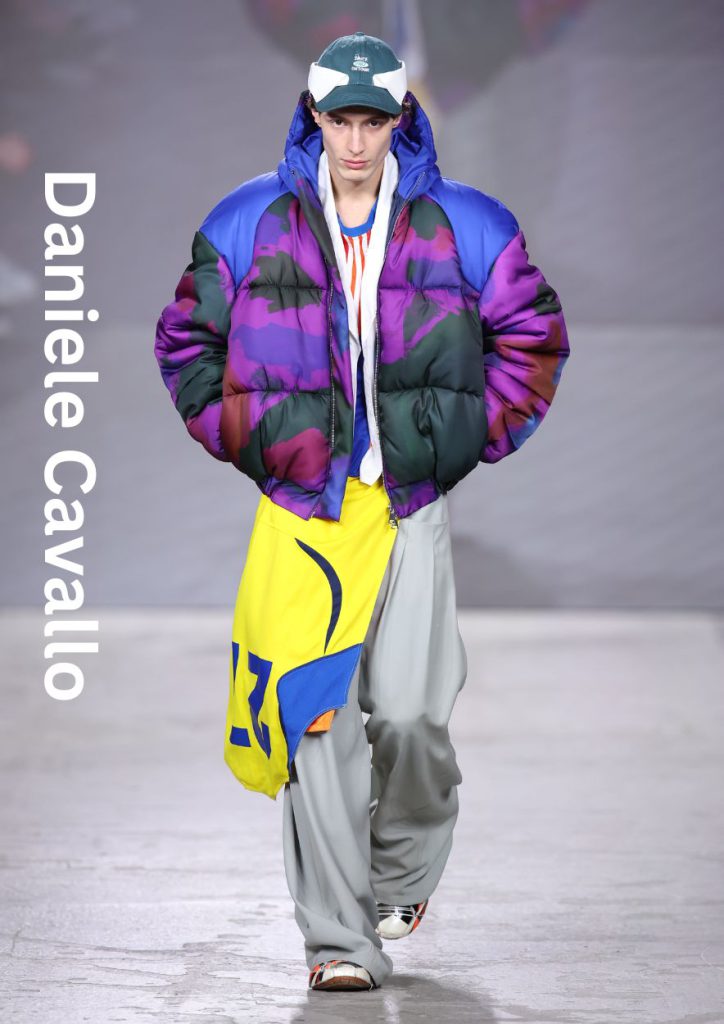
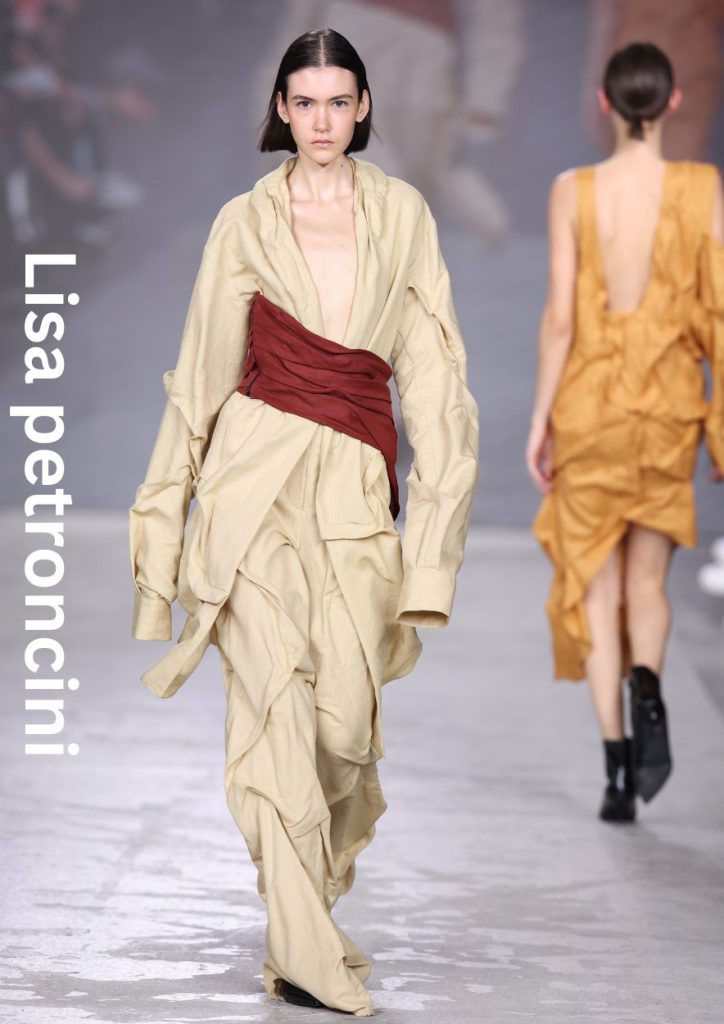
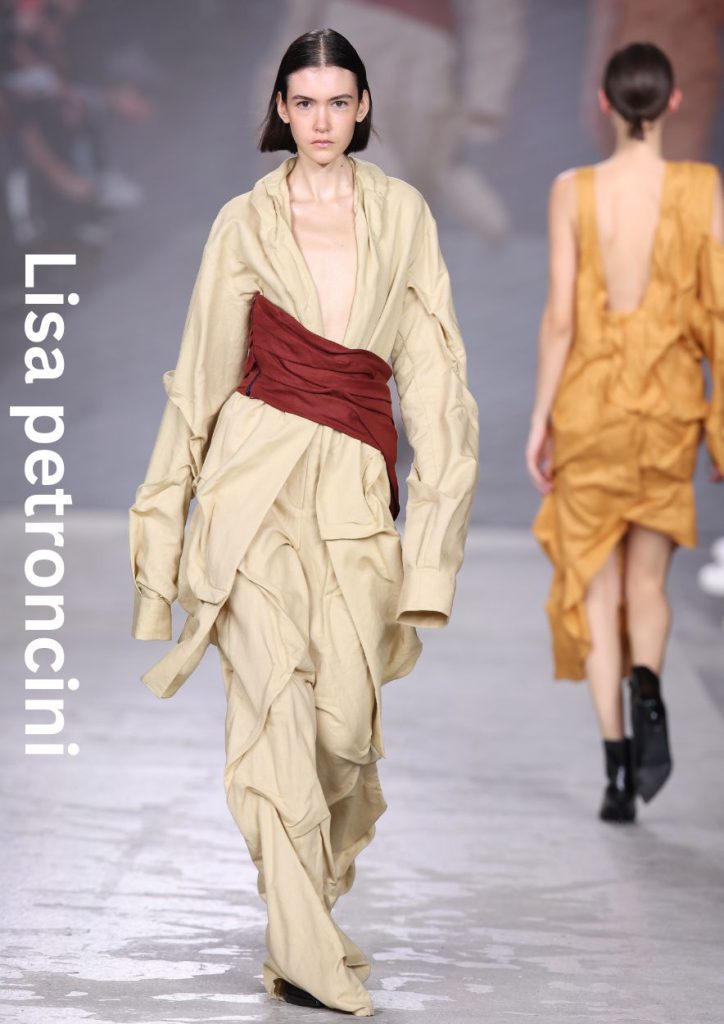
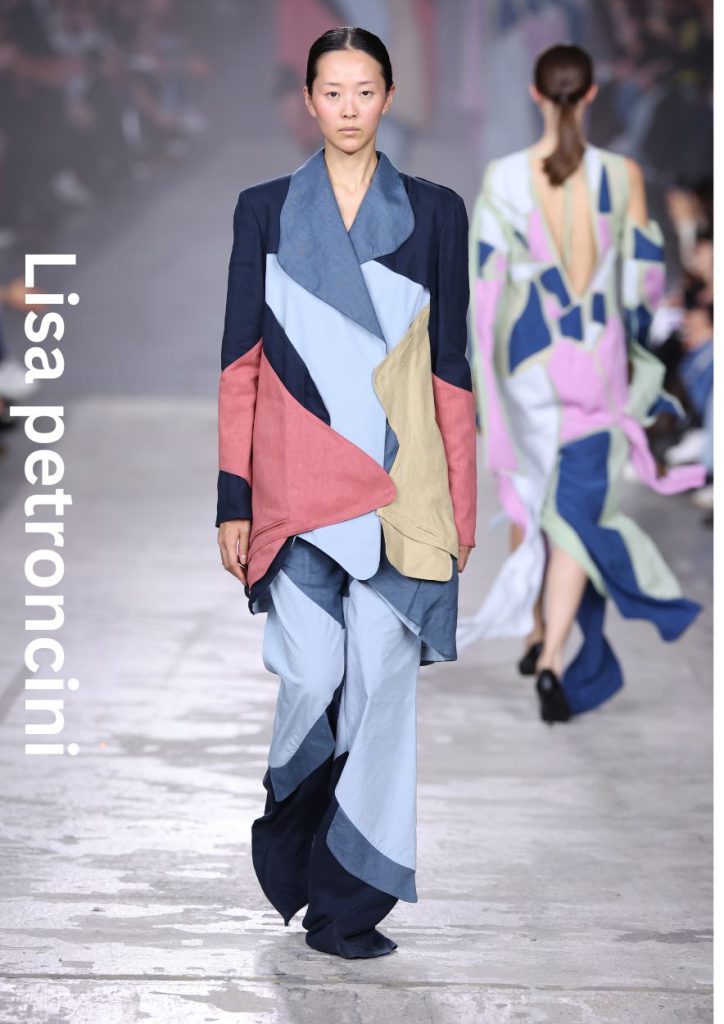
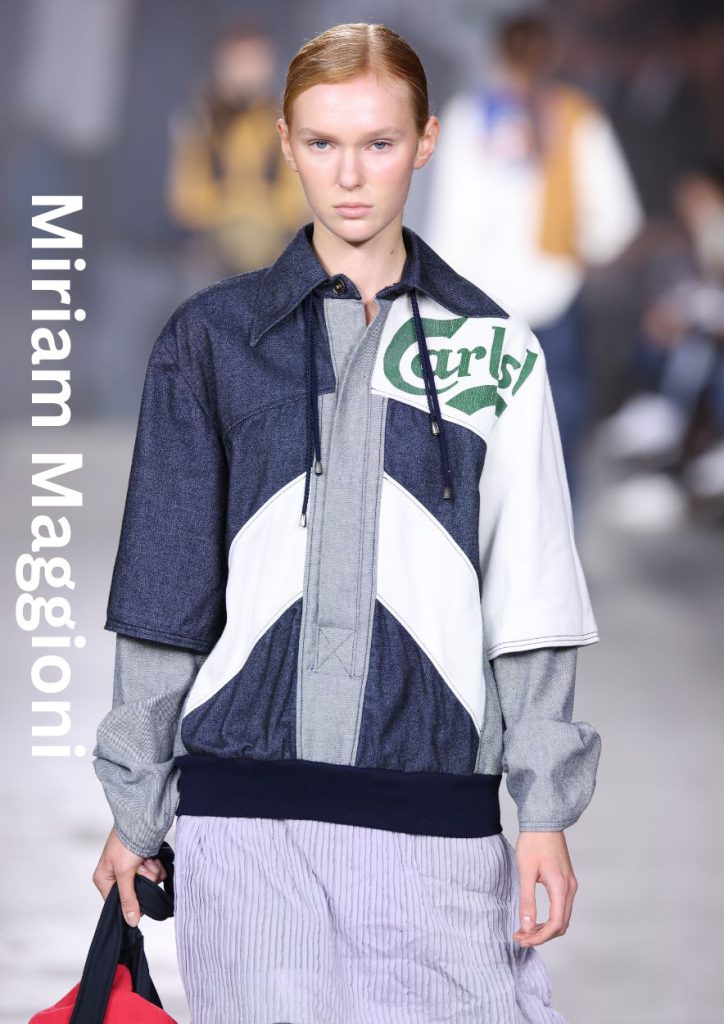
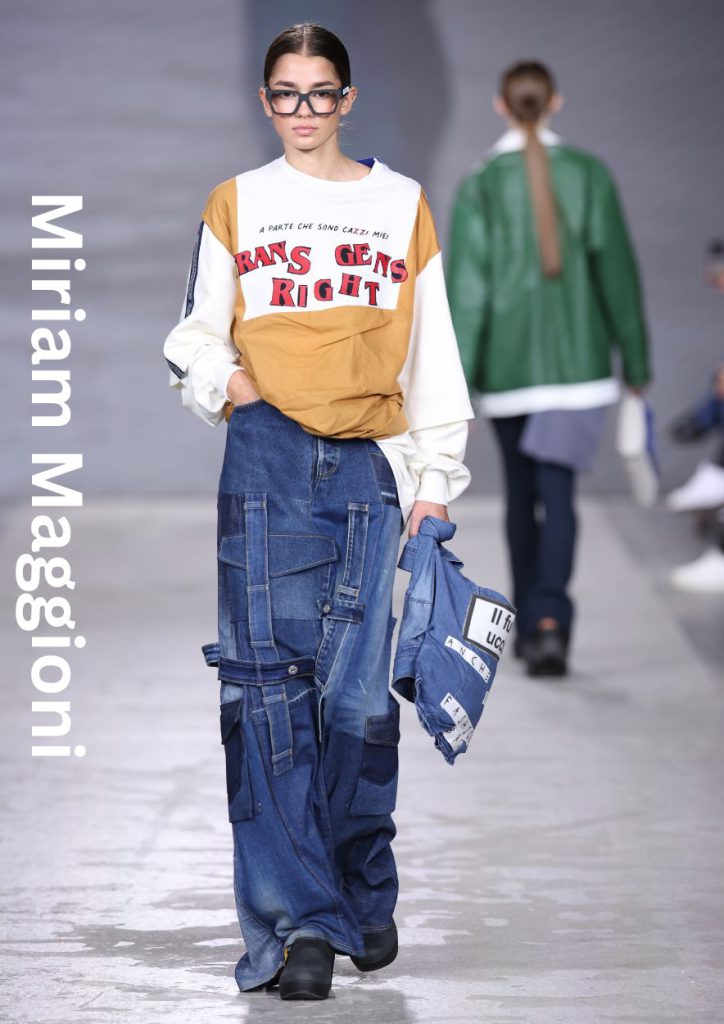
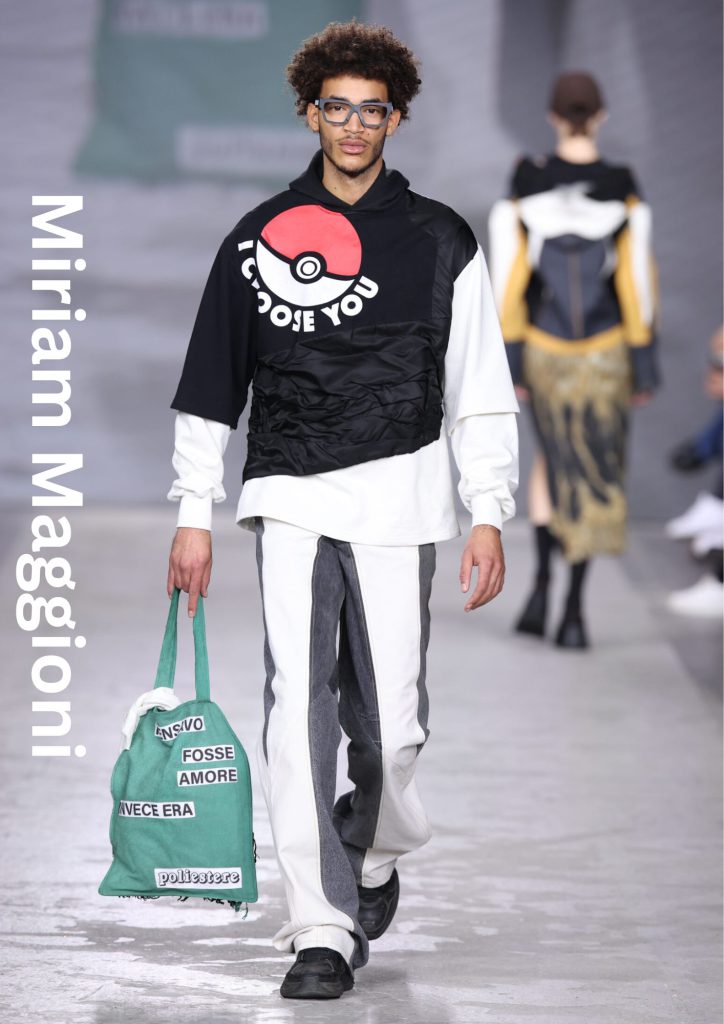
Miriam Maggioni. Collection “Essere non è da me”
Miriam Maggioni’s capsule, “Essere non è da me” (Being is not for me), is a profound reflection on the necessity of discussing identity in a world dominated by stereotypes. Rejecting the idea that humans must be static or singular, Maggioni’s collection embraces a "multifaceted and incoherent style" designed to represent the various, often hidden, aspects of a single personality. It is a celebration of personal evolution—an invitation to be proud of who we have become without ever denying our origins. This conceptual depth was mirrored in her technical approach; she deliberately moved away from "spectacular" or abstract fashion to create an everyday, straightforward wardrobe that functions with the logical precision of a thesis.
The strength of Maggioni’s work lies in its "active nihilism"—a philosophical influence she draws from Umberto Galimberti to challenge absolute realities and traditional values. On the runway, this translated into garments that prioritized "knowing how to make clothes" as a social tool. By combining heritage with contemporary, versatile silhouettes, Maggioni proved that wearable fashion can be a sophisticated medium for self-discovery. Her collection wasn't just a display of skill, but a relatable manifesto for the modern individual: a reminder that we are allowed to be complex, inconsistent, and ultimately, ourselves.
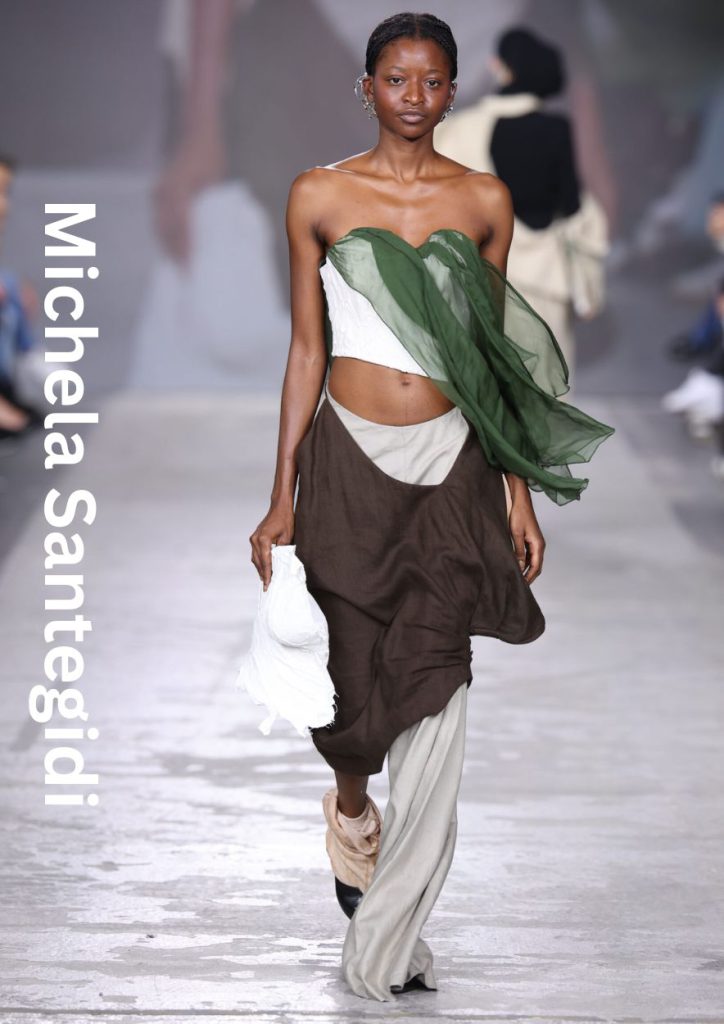
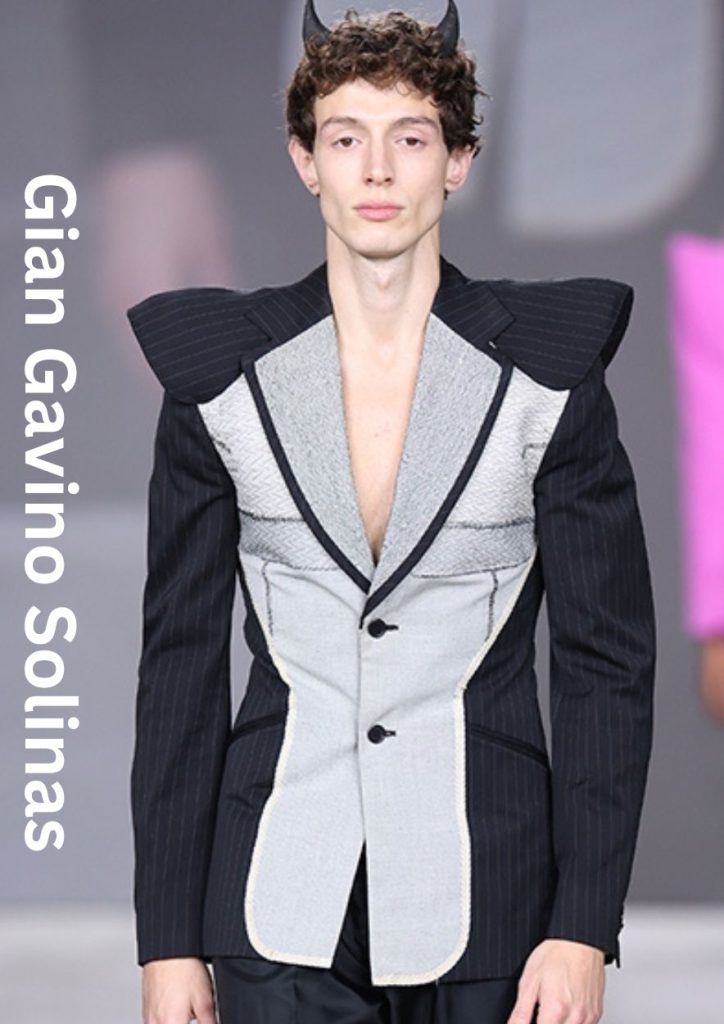
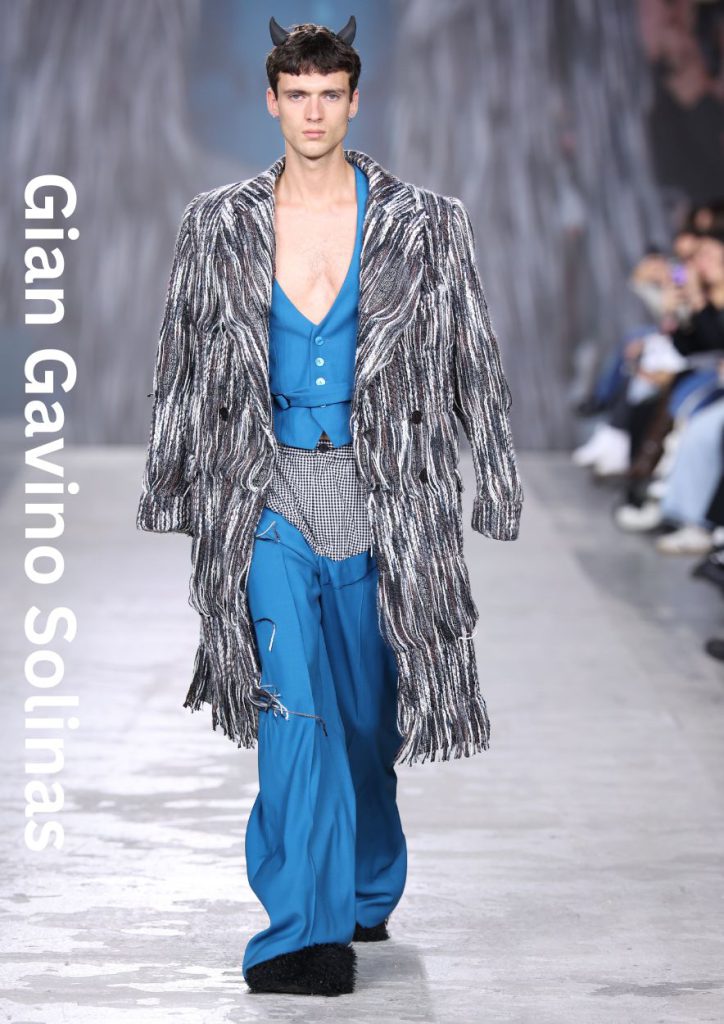
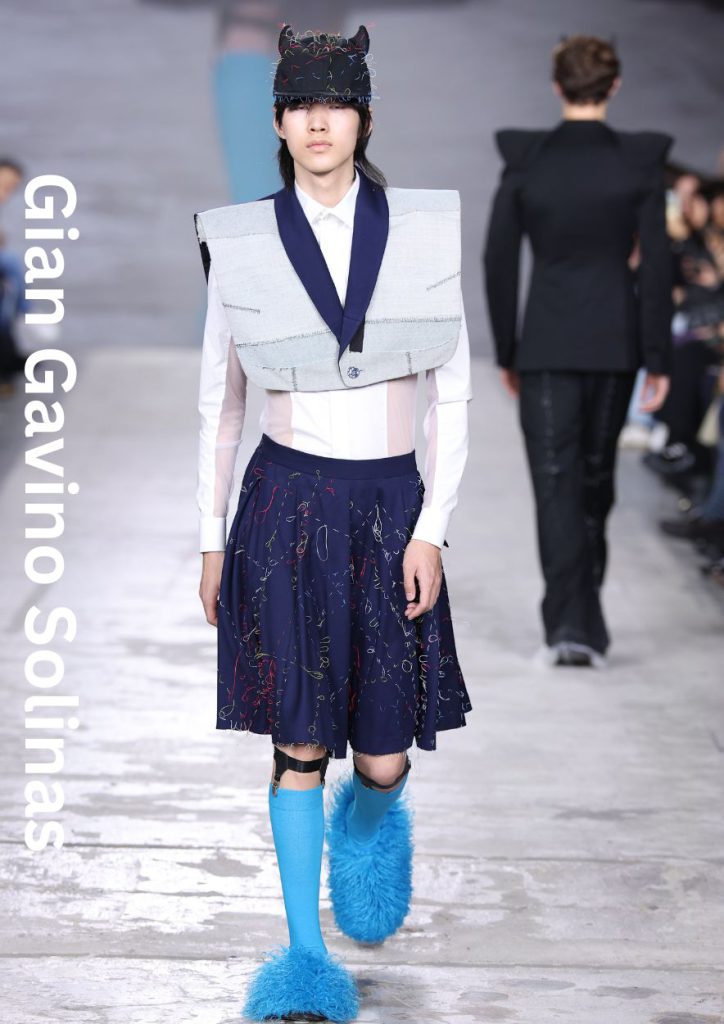
Gian Gavino Solinas. Collection “The End of Westminster,”
In his collection “The End of Westminster,” Gian Gavino Solinas delivered a brilliant subversion of the rigid codes governing the British upper class. Drawing inspiration from the sartorial "unwritten rules" of 1920s and 30s London, Solinas took the heavy, authoritative silhouettes of traditional British tailoring and reimagined them through a lens of irony and modern lightness. The result was a collection that honored the history of the suit while simultaneously dismantling its stuffiness. By playing with exaggerated volumes and deconstructing formal layers, he managed to create a wardrobe that felt historically grounded yet undeniably "cool" and contemporary.
The true triumph of Solinas’ work was his ability to make high-concept, satirical fashion "absurdly wearable." His mastery of pattern cutting allowed for a fluid transition from the stiff traditions of Westminster to the effortless aesthetic required by today’s luxury market. Each piece served as a testament to the "Made in Italy" skill set—taking a foreign influence and refining it with Italian finesse and precision. Solinas proved that fashion can be a sharp social commentary without losing its commercial appeal, cementing his place as one of the most relatable and marketable talents to emerge from this year’s graduate show.