

DATE: 24th June 2025. PLACE: IFM Campus. TIME: 18.00
W:Maximiliano Dubois
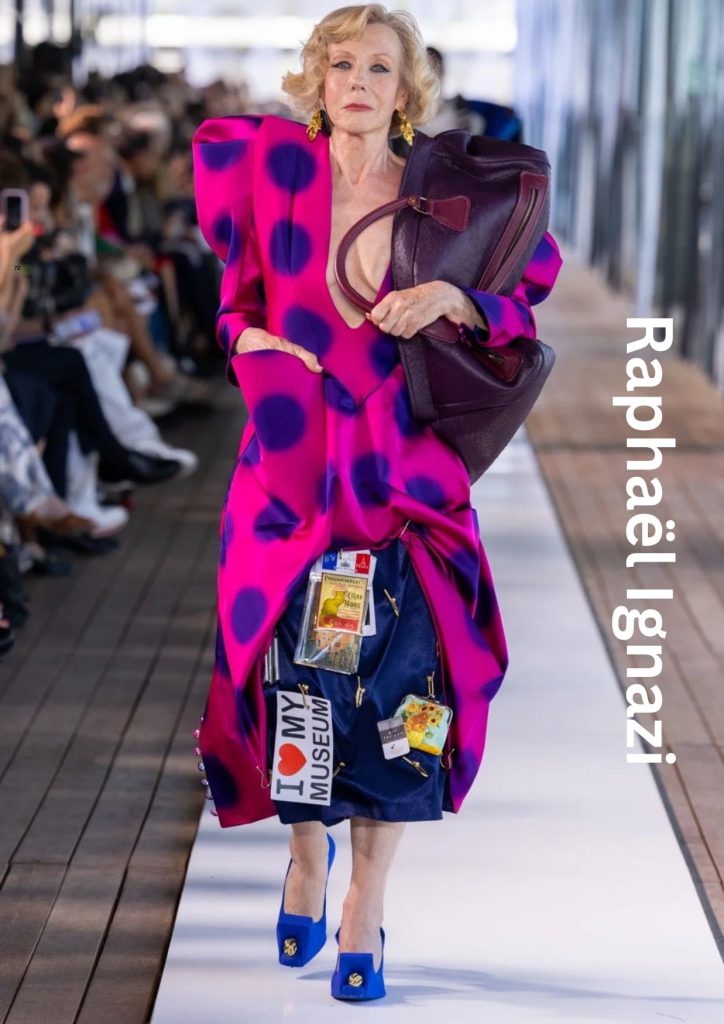
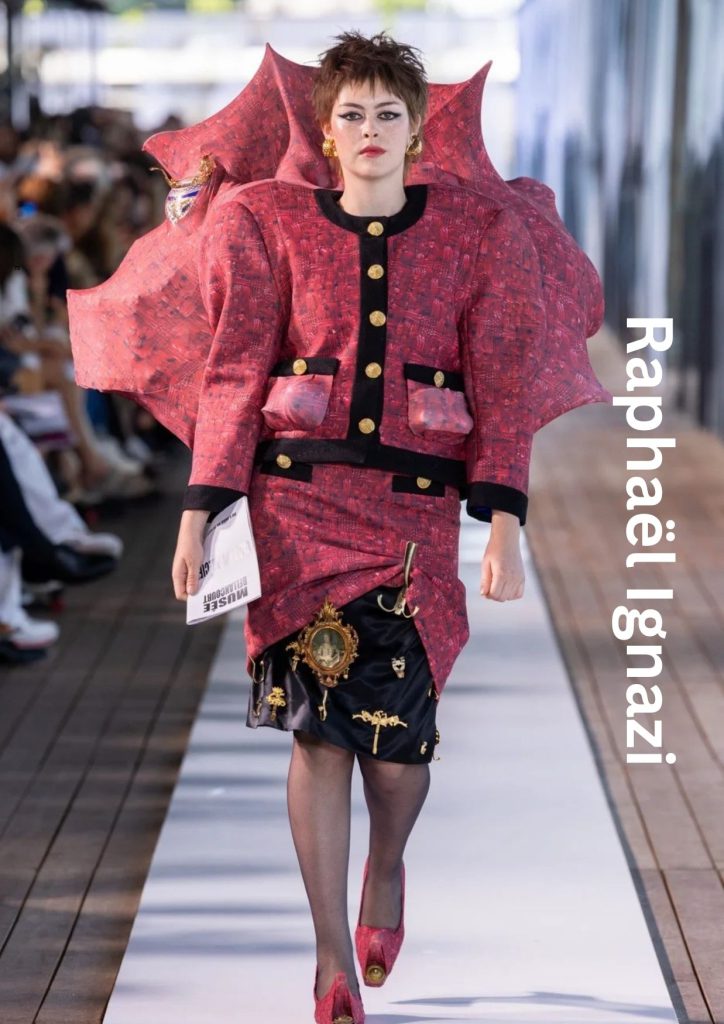
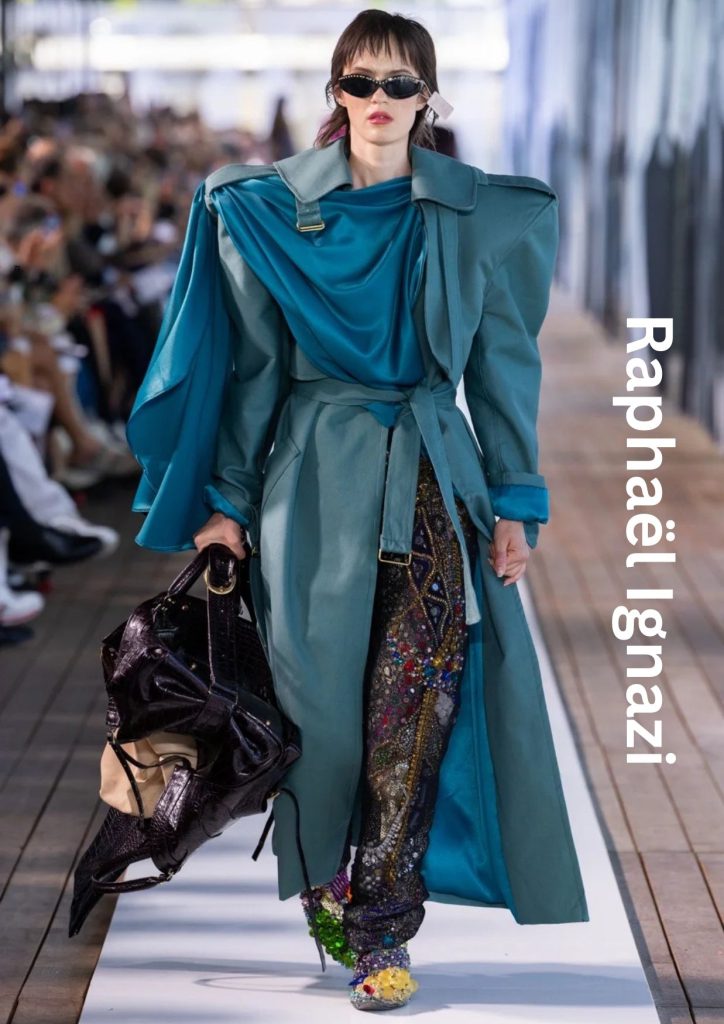
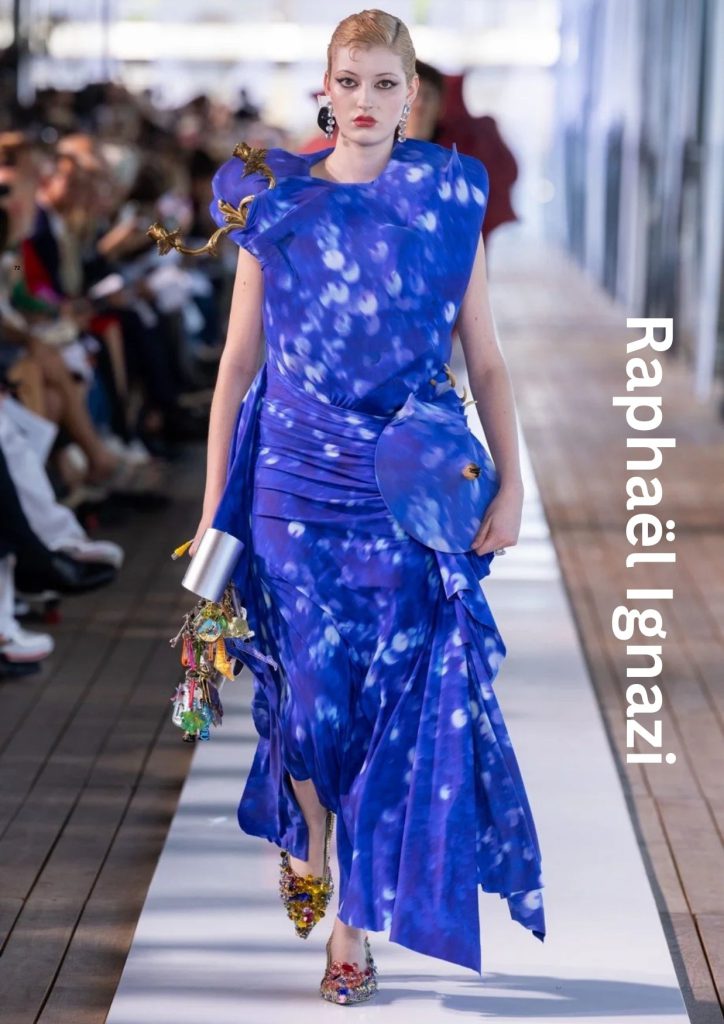
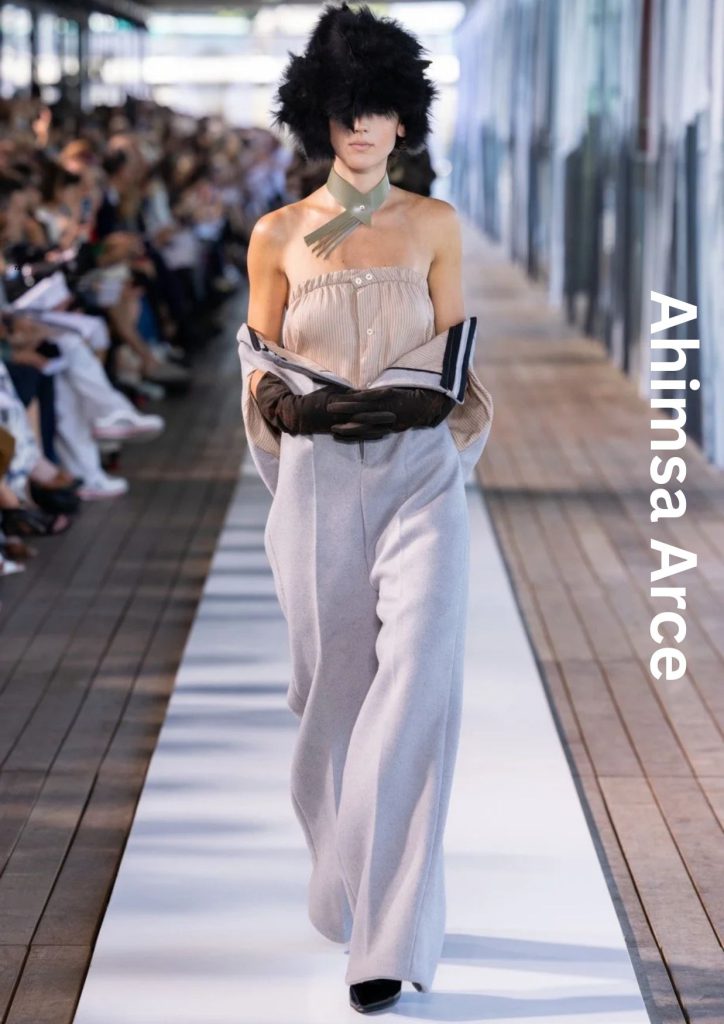
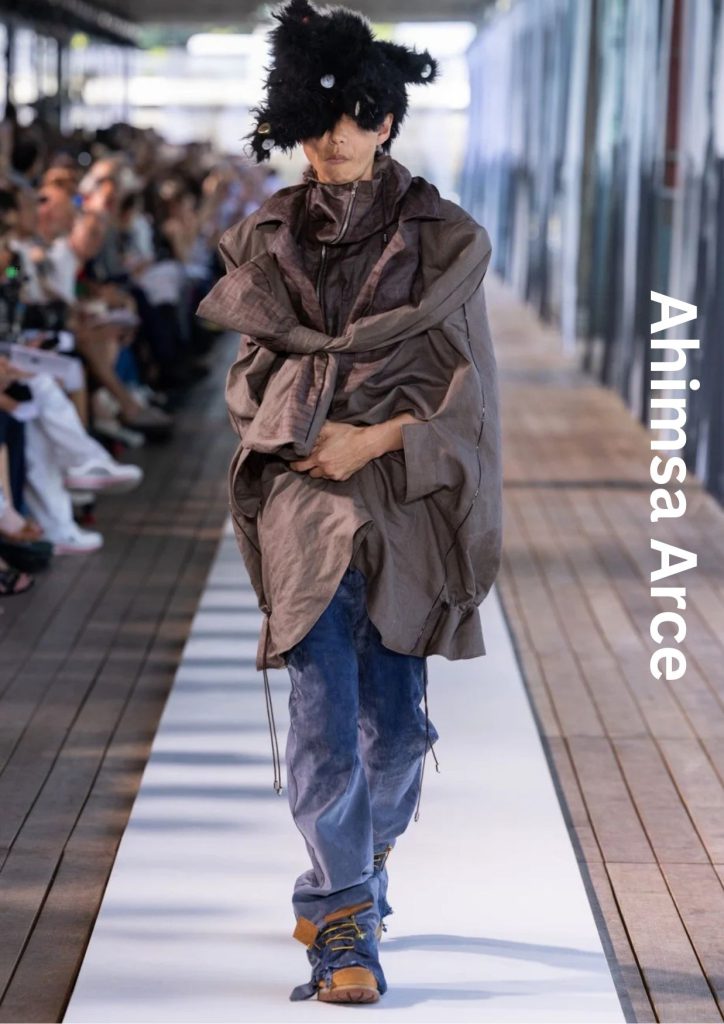
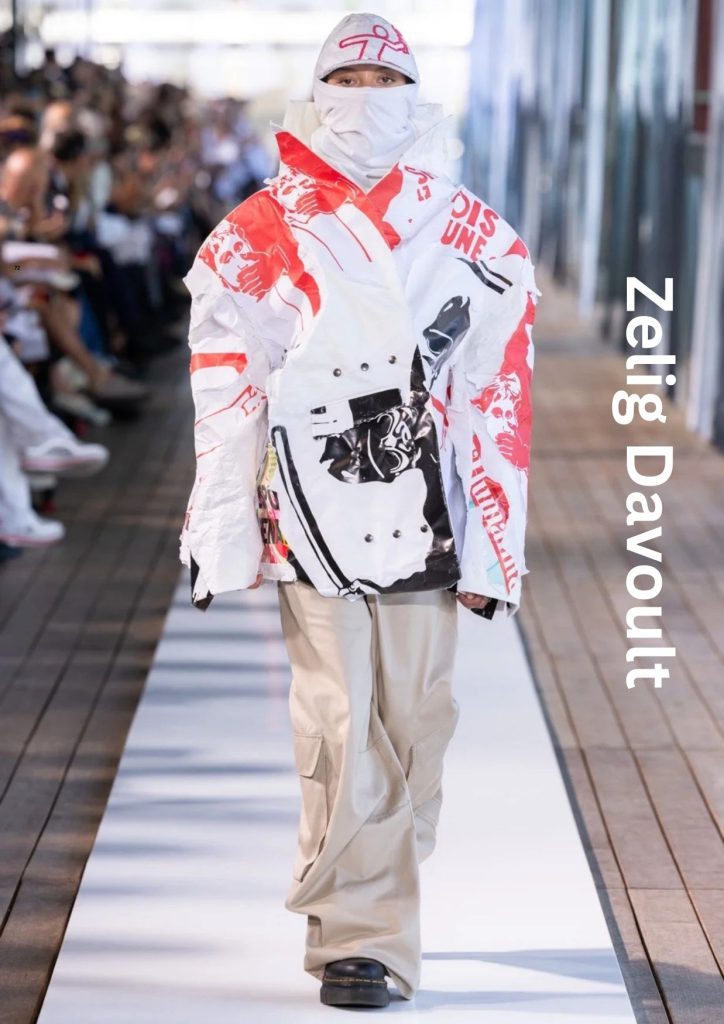
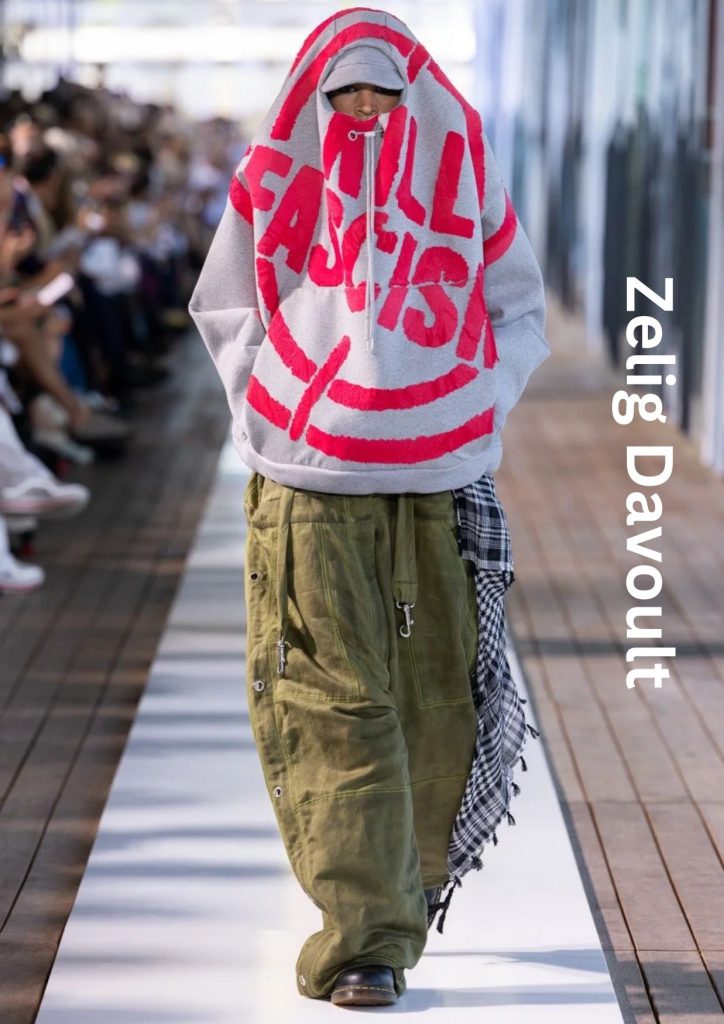
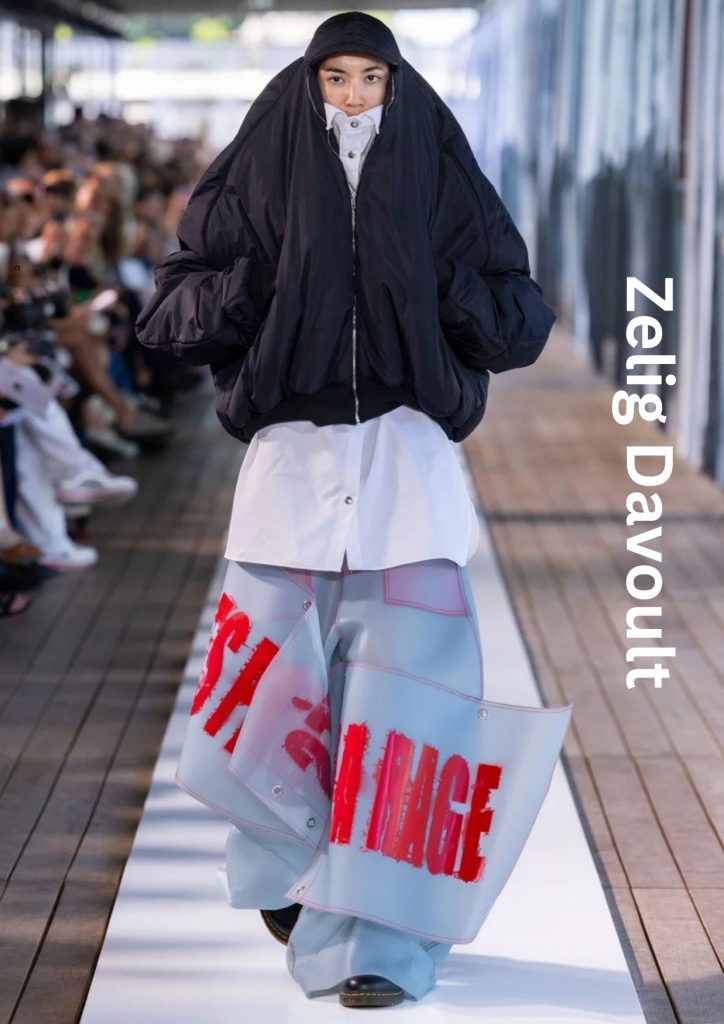
Opening Paris Fashion Week Menswear in June 2025, the Institut Français de la Mode (IFM) BA Graduate Show discarded traditional commercial templates in favour of what the cohort termed "Clothes as Biography." The runway, featuring 30 selected designers, served as a visceral exploration of personal and political identity, moving far beyond mere garment construction into the realm of social manifesto. Standout collections included Raphaël Ignazi’s "Les Voleuses," which channelled a cinematic, "cunning utility" inspired by art thieves, and Zelig Davoult’s investigation into the transition from the uninhibited child to the socially rigid adult. The atmosphere was one of quiet rebellion, where vulnerability was worn as armour and the traditional codes of menswear were systematically dismantled through high-concept storytelling.
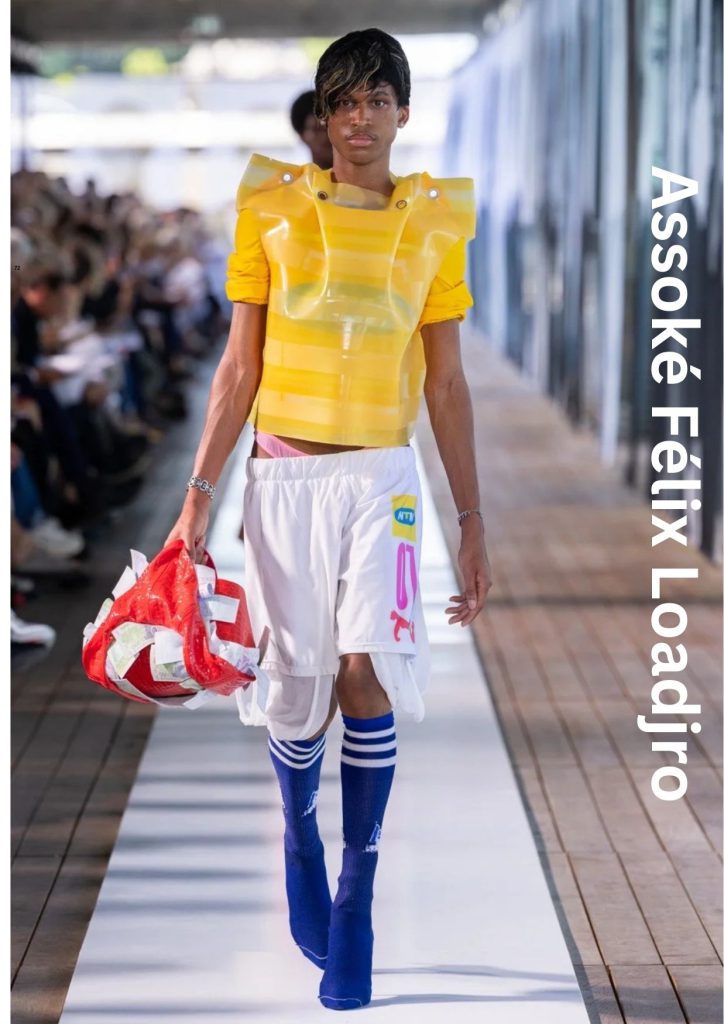
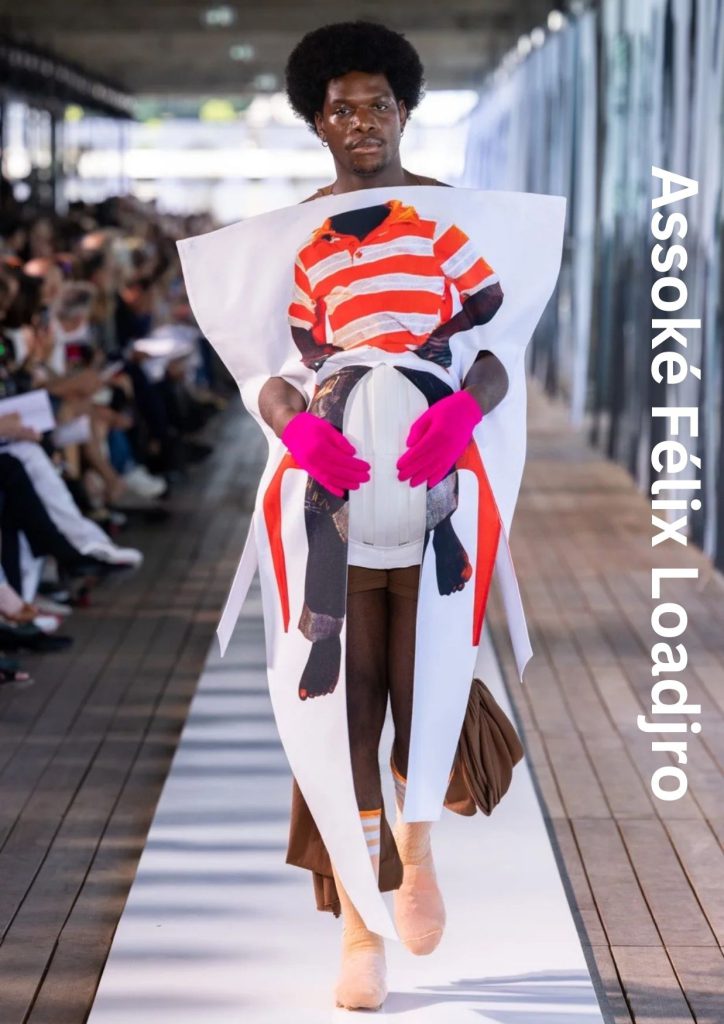
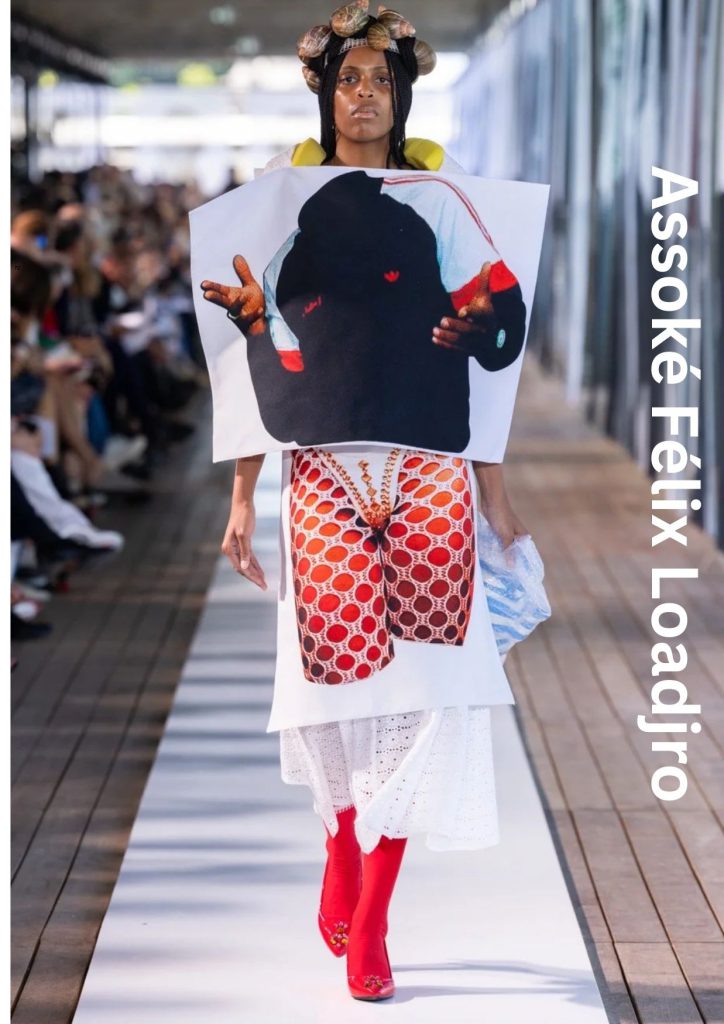
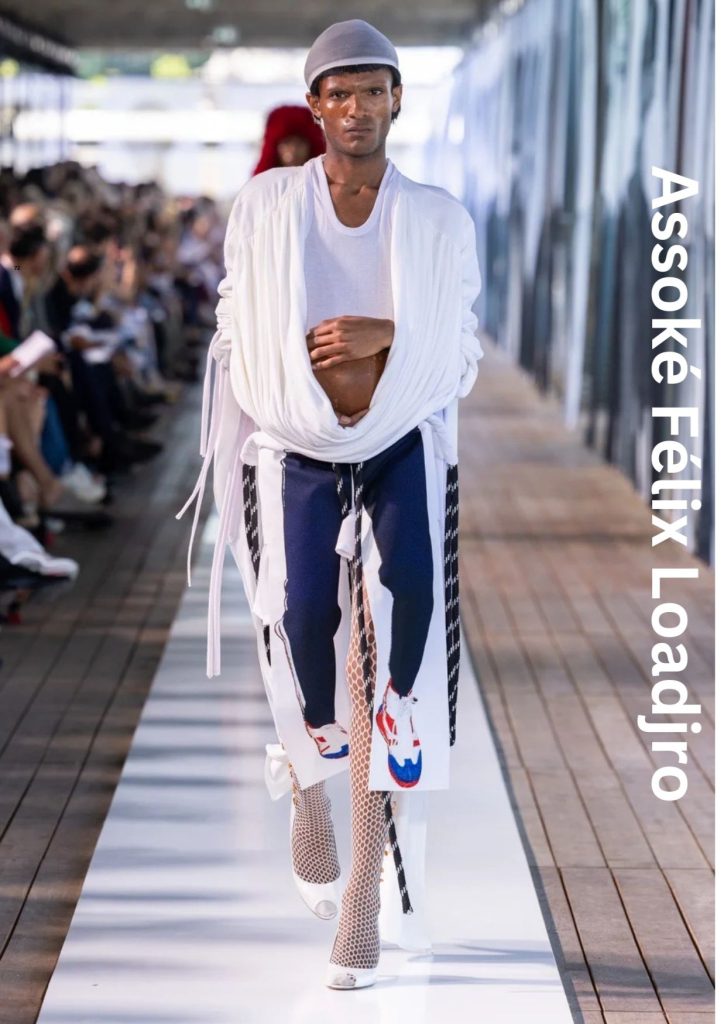
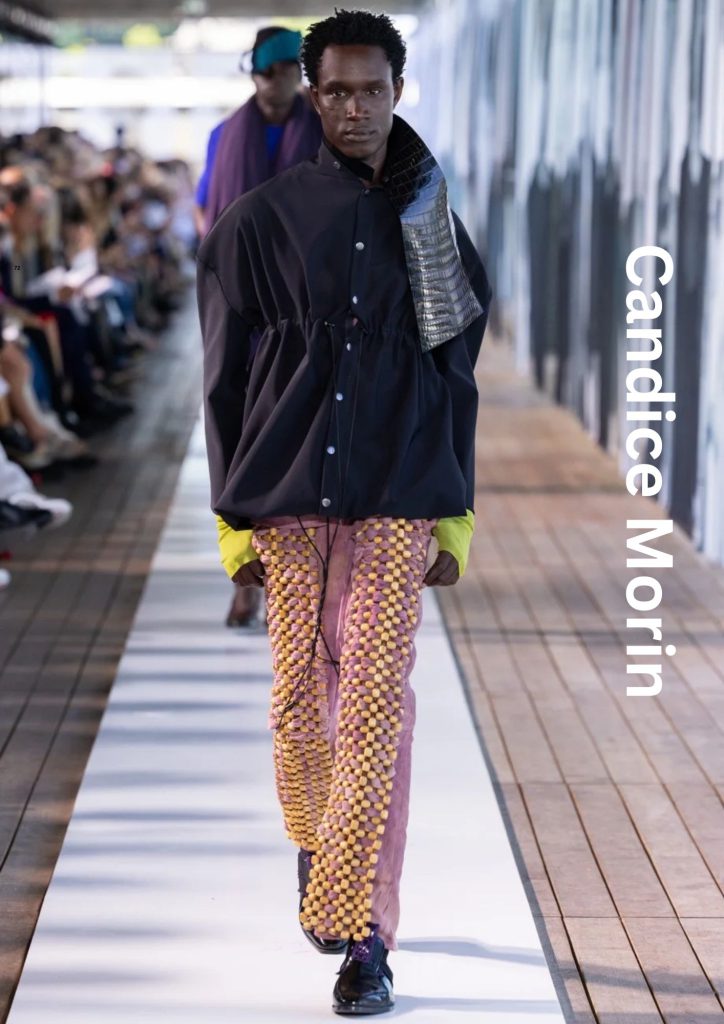
Technically, the show was a masterclass in material resourcefulness and experimental craft, with students turning found objects and industrial scraps into luxury statements. From Assoke Felix Loadjro’s "BABI," which utilized oxidized metal and rusted textures to capture the electric energy of Abidjan, to Victoire Pédron’s sculptural use of heirloom lace and porcelain, the collections proved that the next generation of designers views sustainability as a foundational instinct rather than a trend. The aesthetic was refreshingly "un-briefed" and raw, blending 3D printing and digital precision with the imperfect beauty of handmade gestures. It was a definitive statement that for the Class of 2025, fashion is no longer about dressing a body, but about archiving a soul.
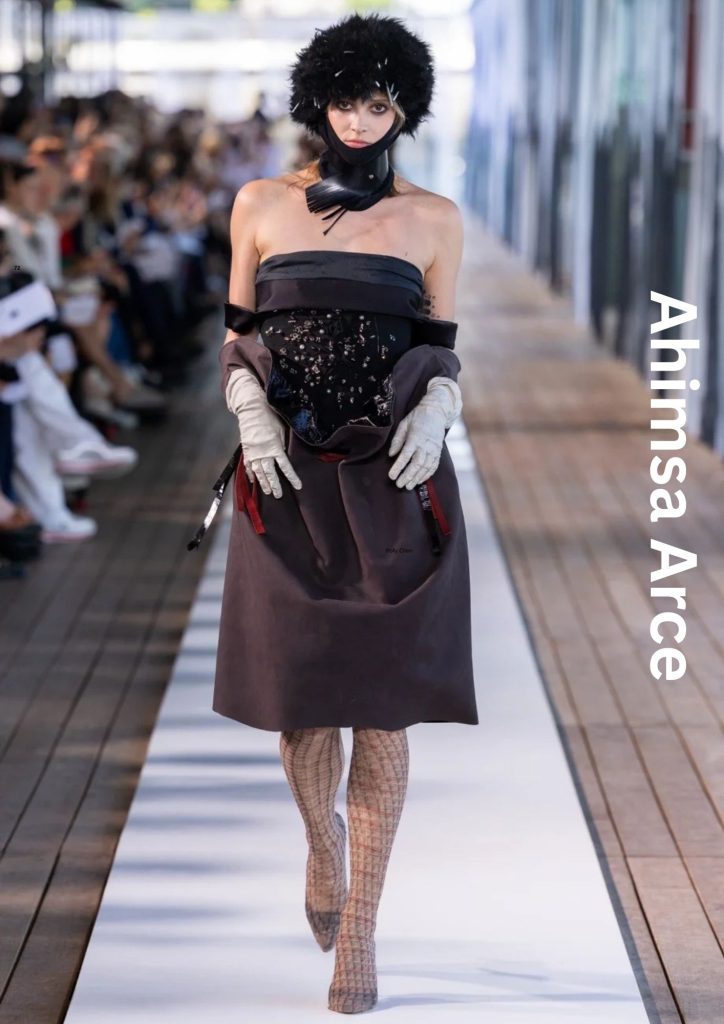
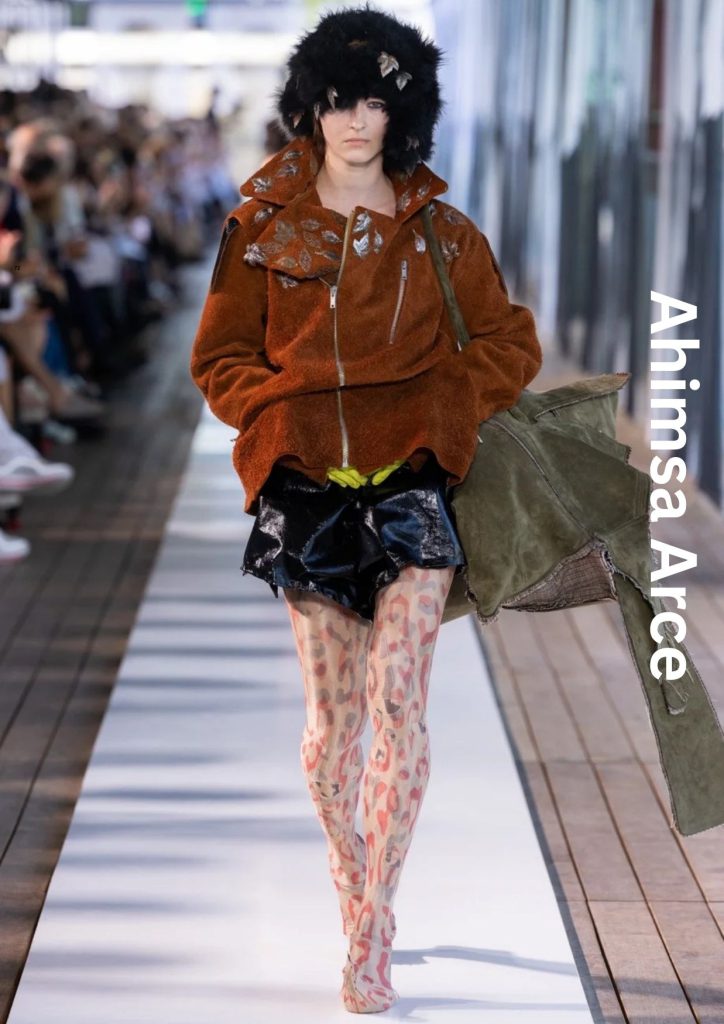
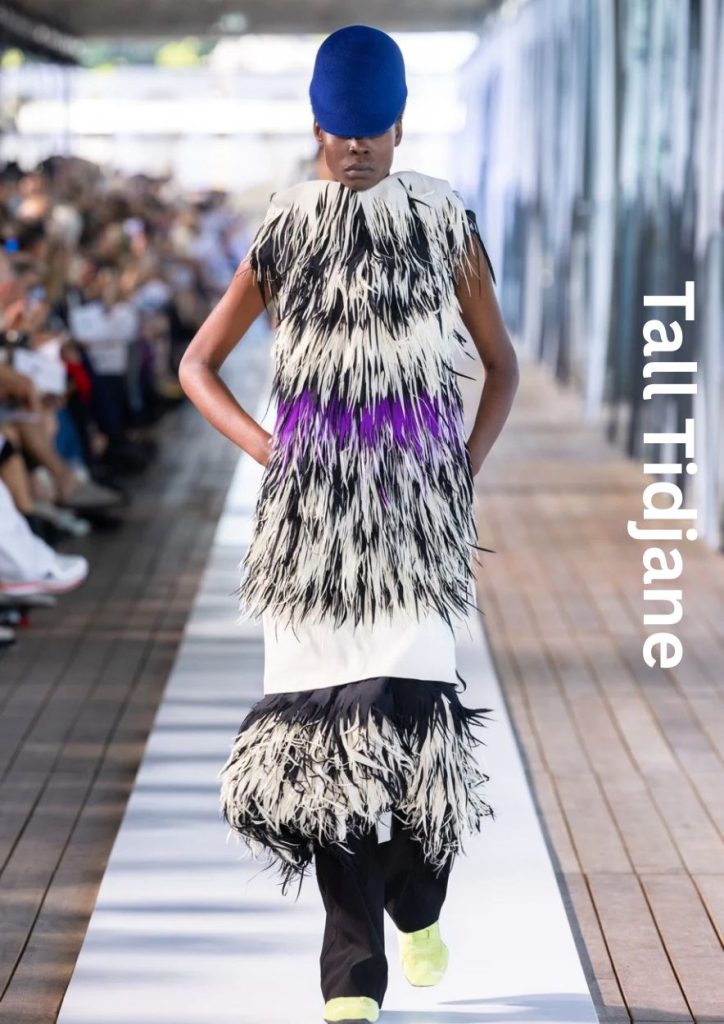
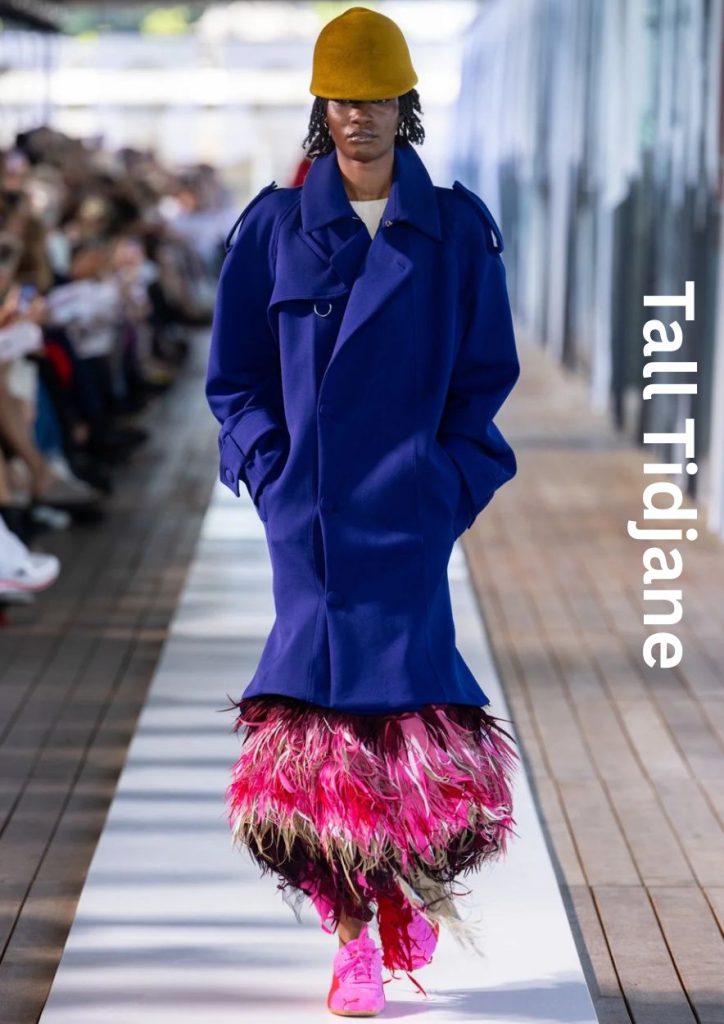
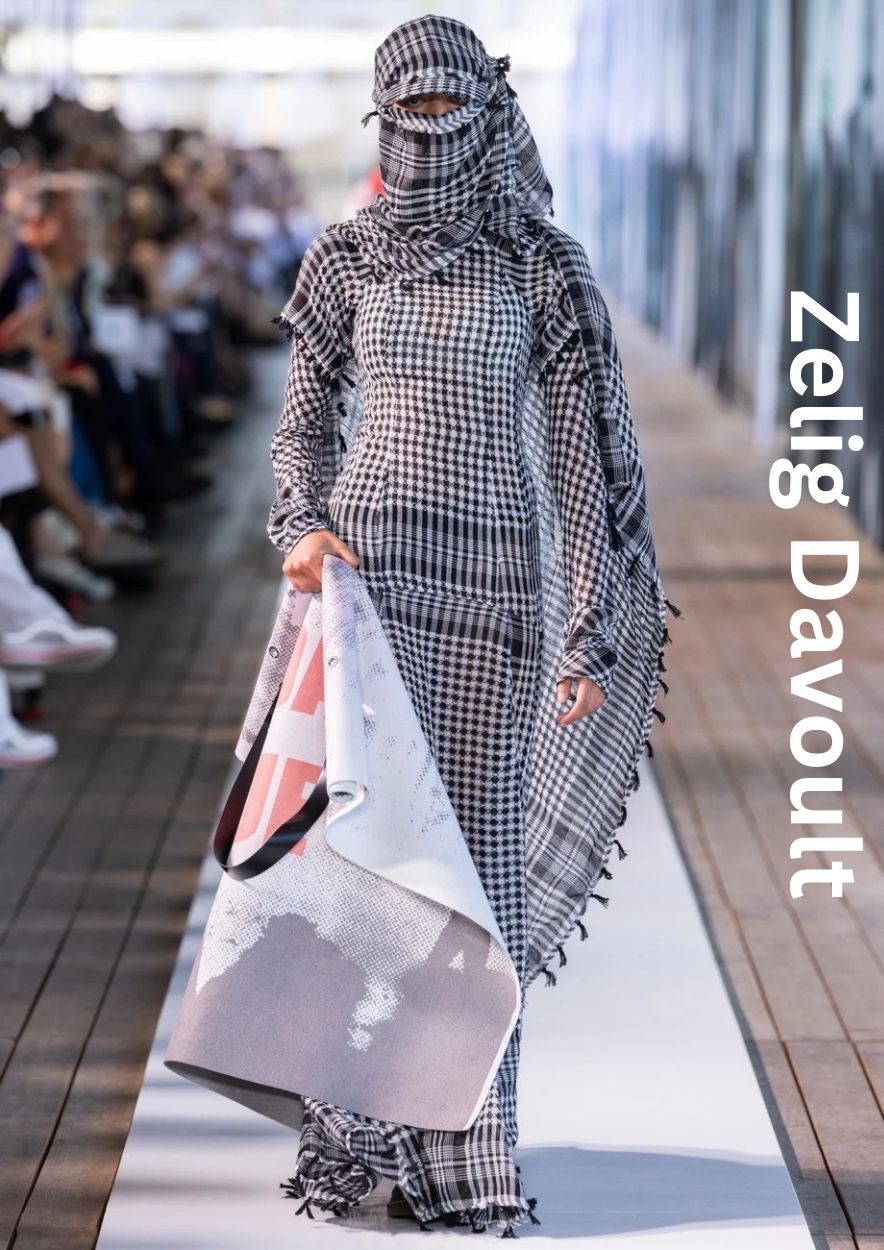
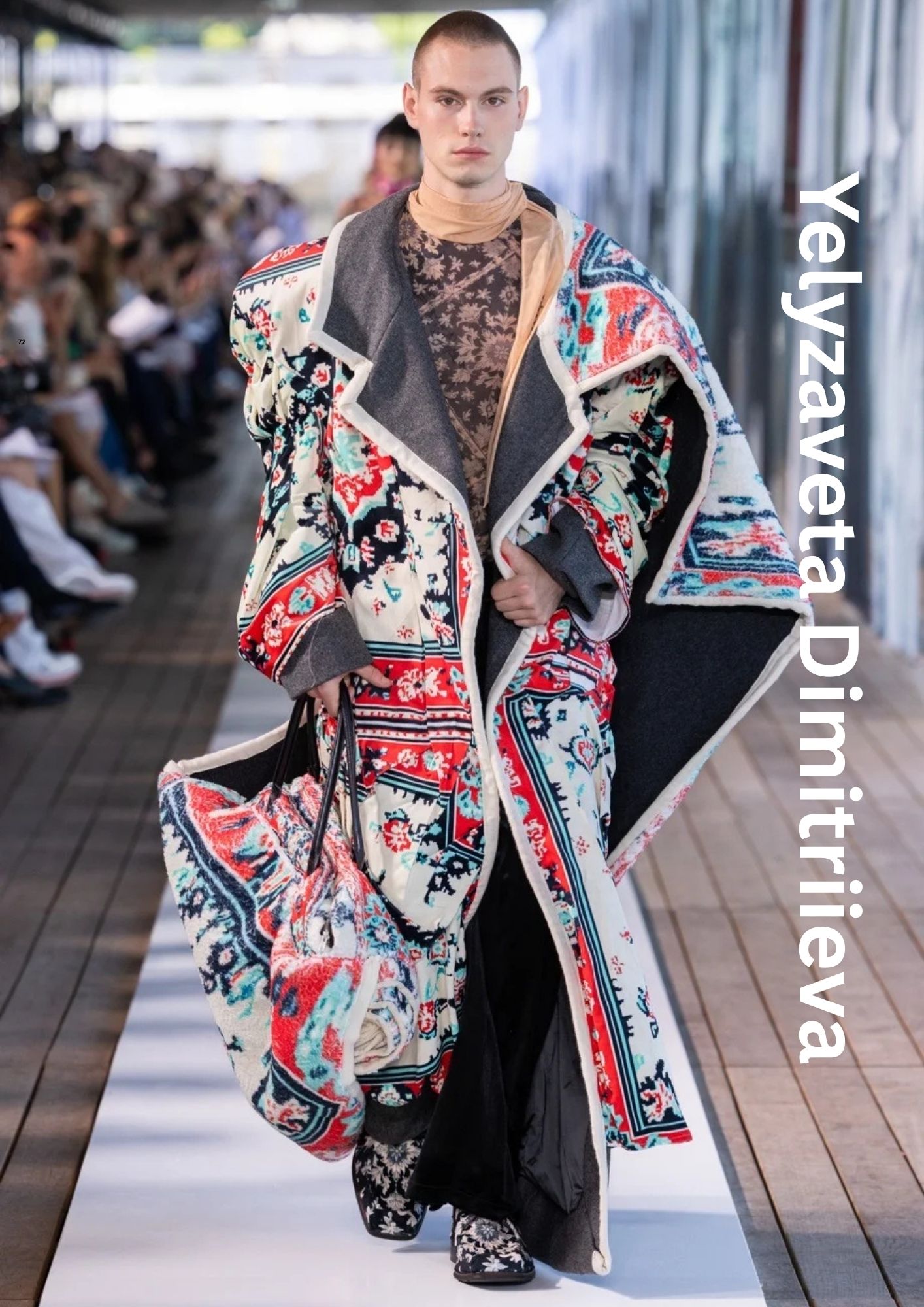
Eastern Promises draws from the post-Soviet visual and emotional landscape of the 1990s and 2000s, reimagined with irony and affection. Symbols of everyday life – wall carpets, mosaics, knockoff sportswear – are juxtaposed with the ornate detail of Ukrainian folk craftsmanship. The collection is both a reflection and a reinterpretation: a commentary on cultural identity, memory, and transformation.
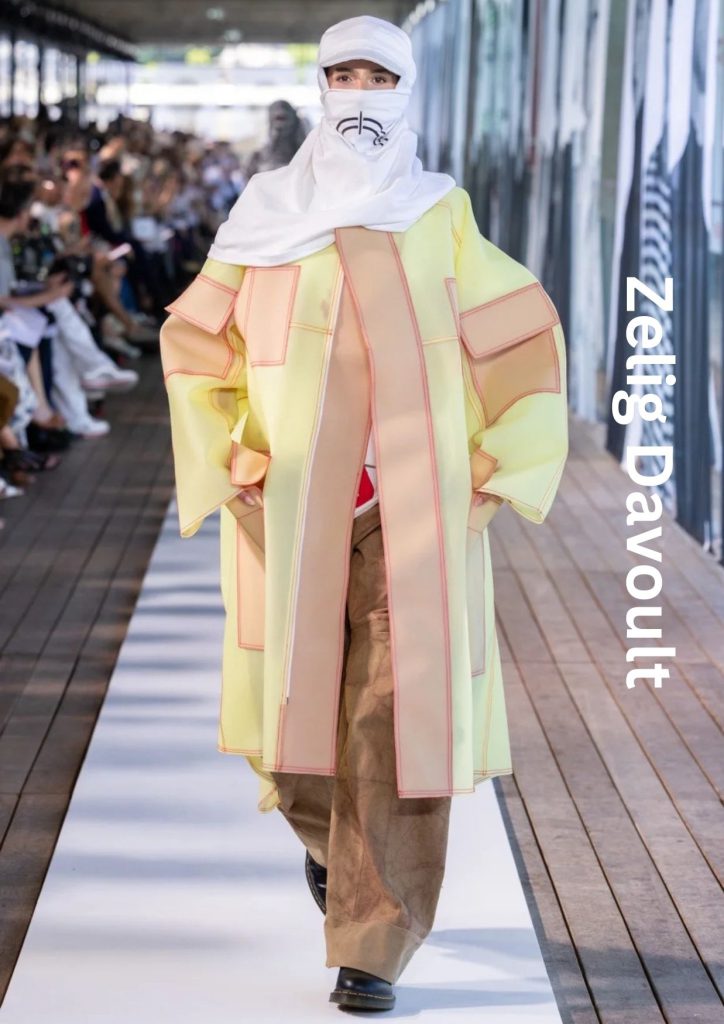
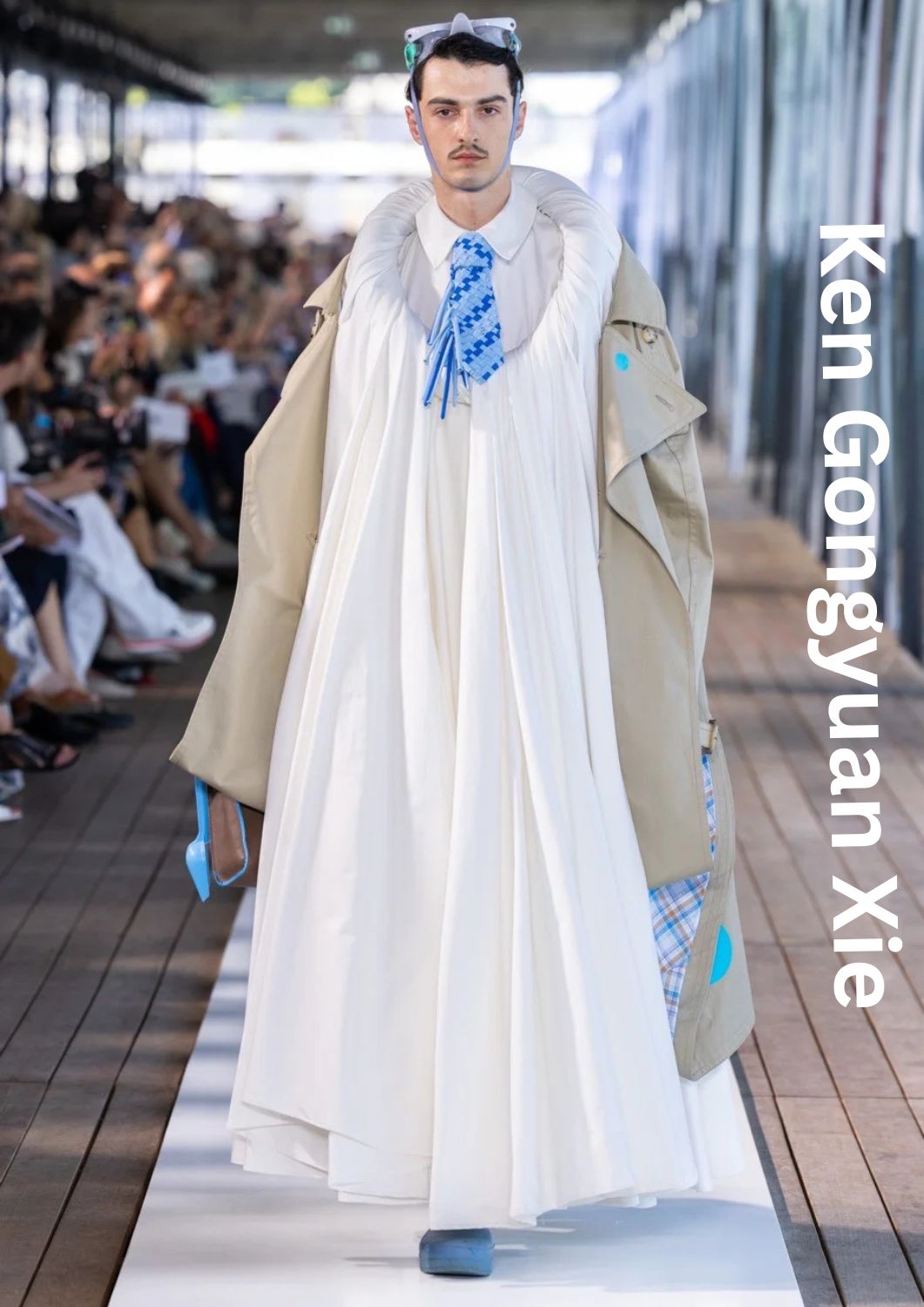
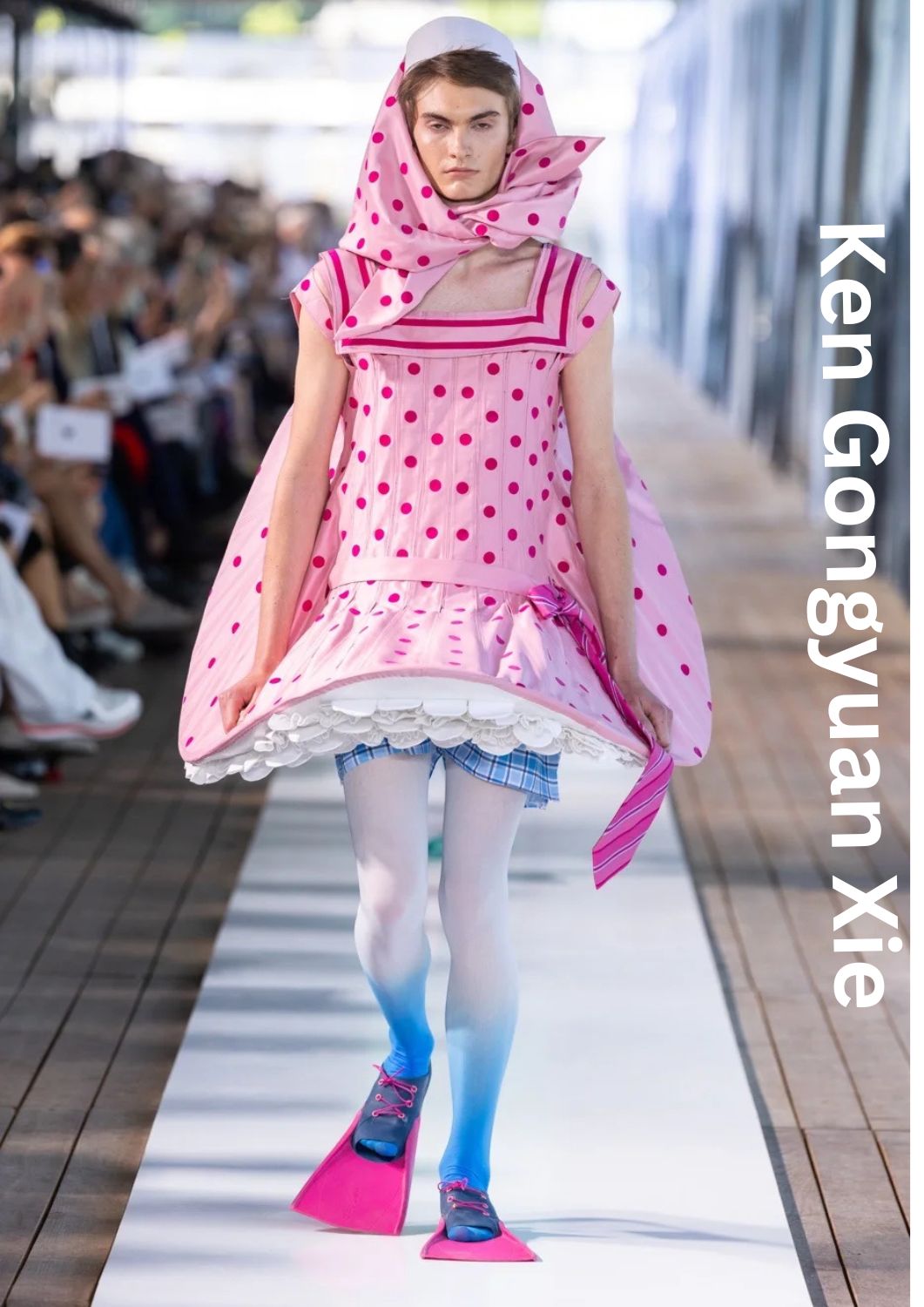
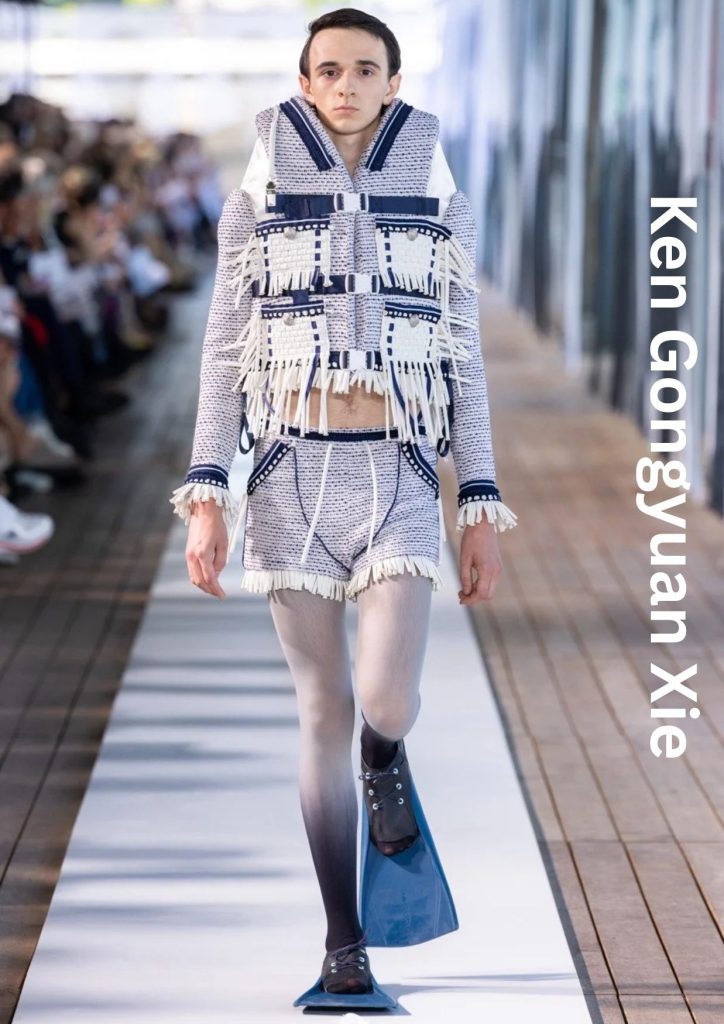
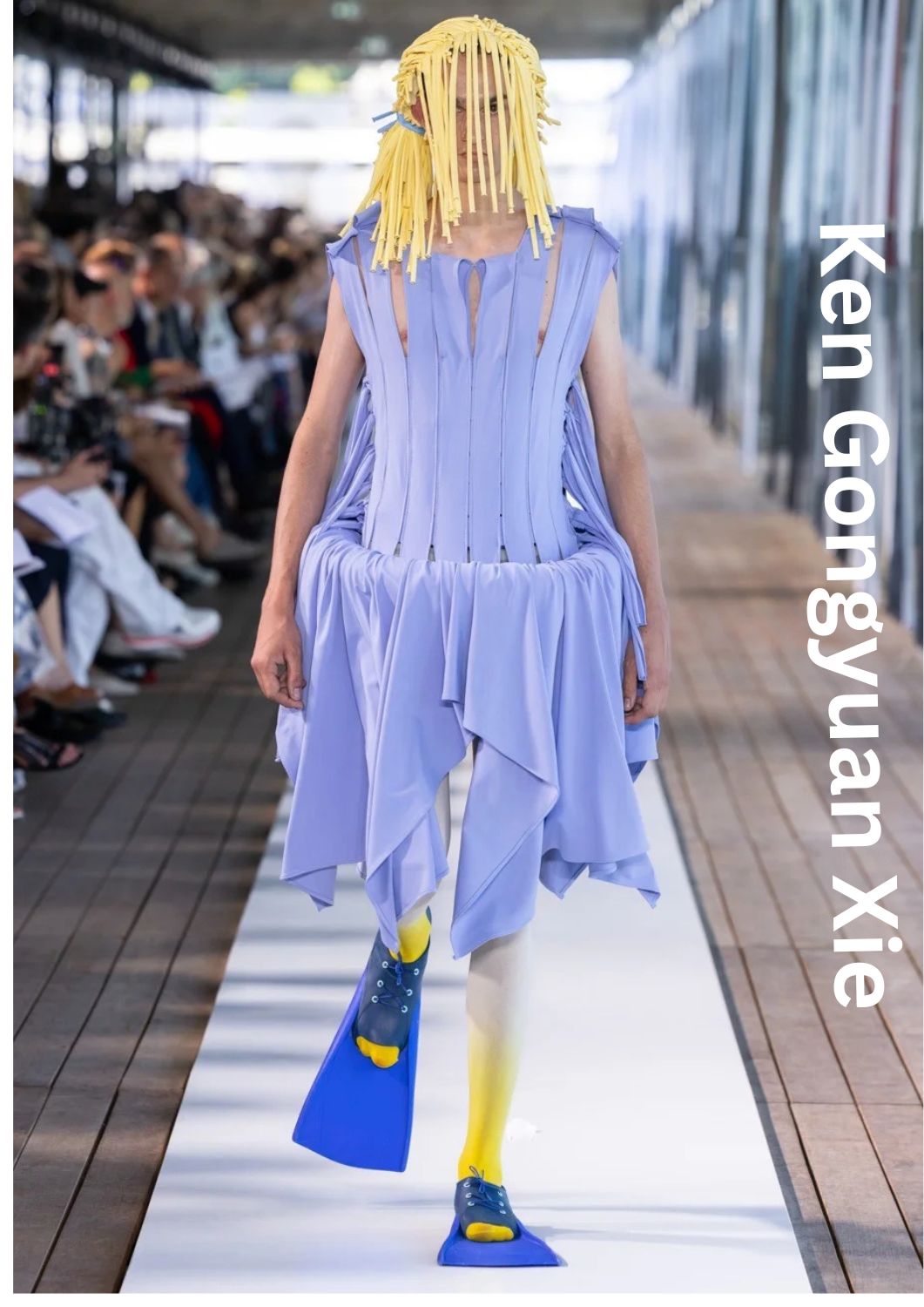
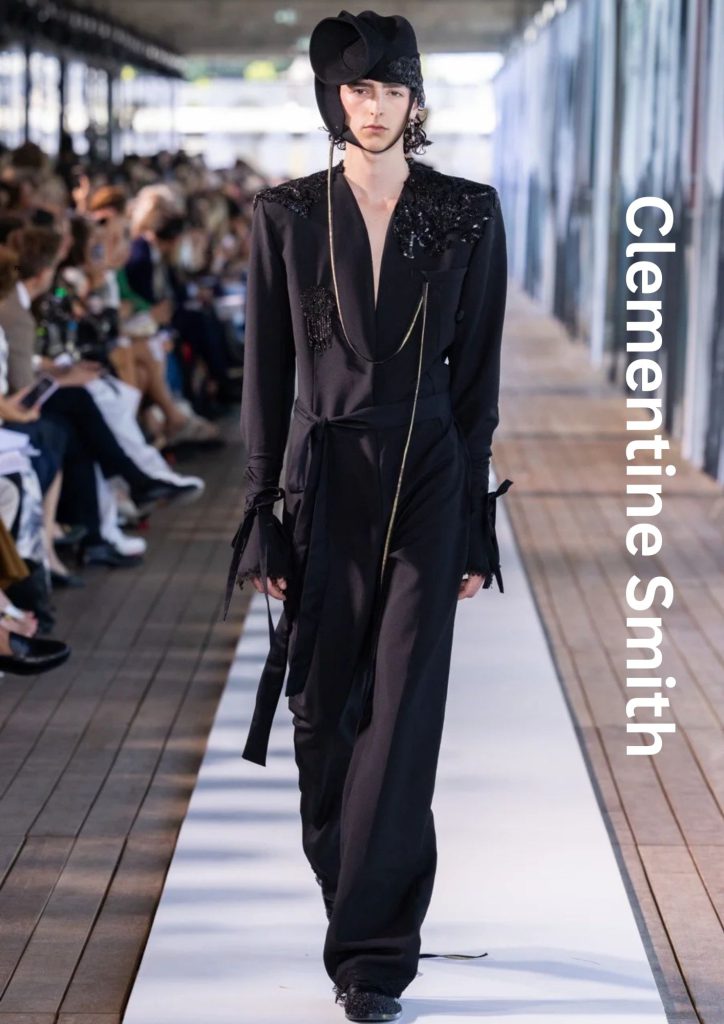
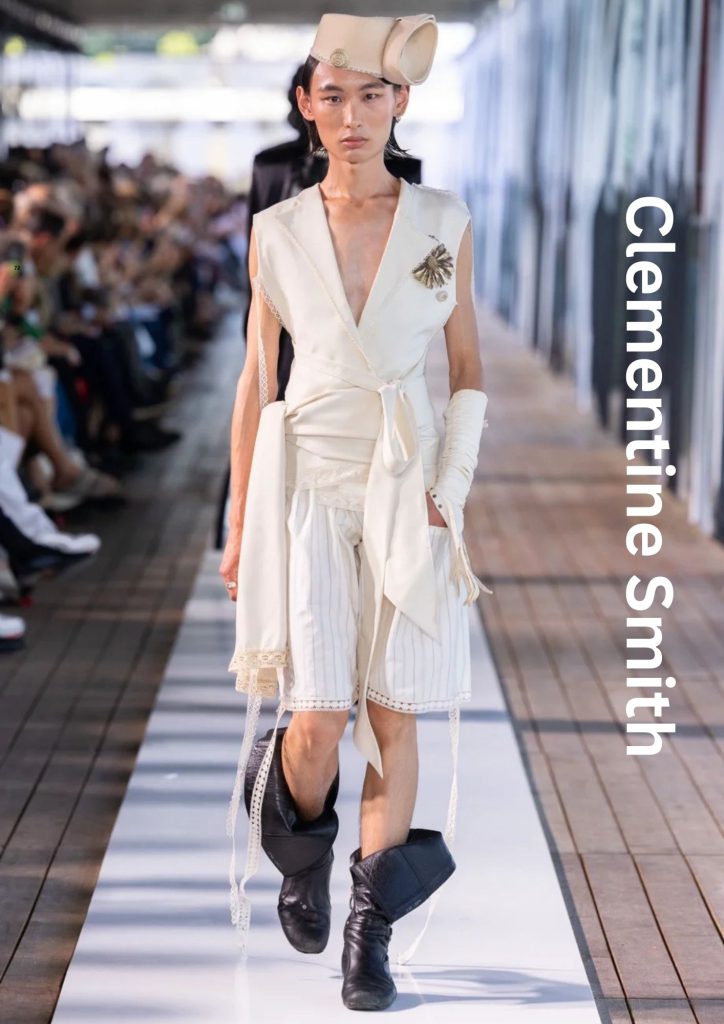
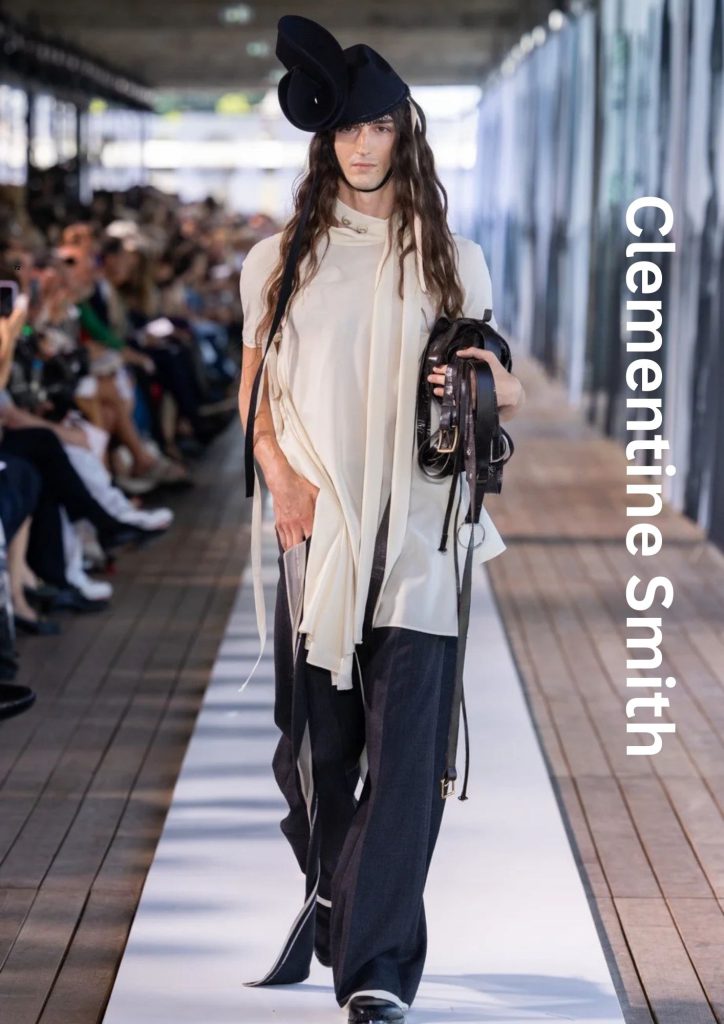
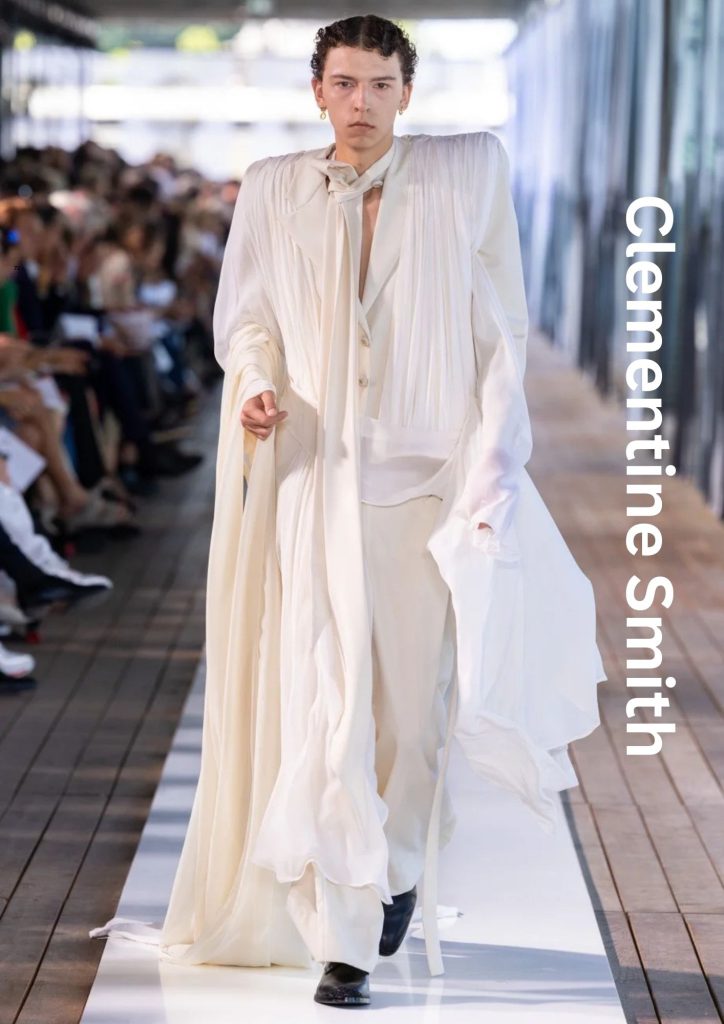
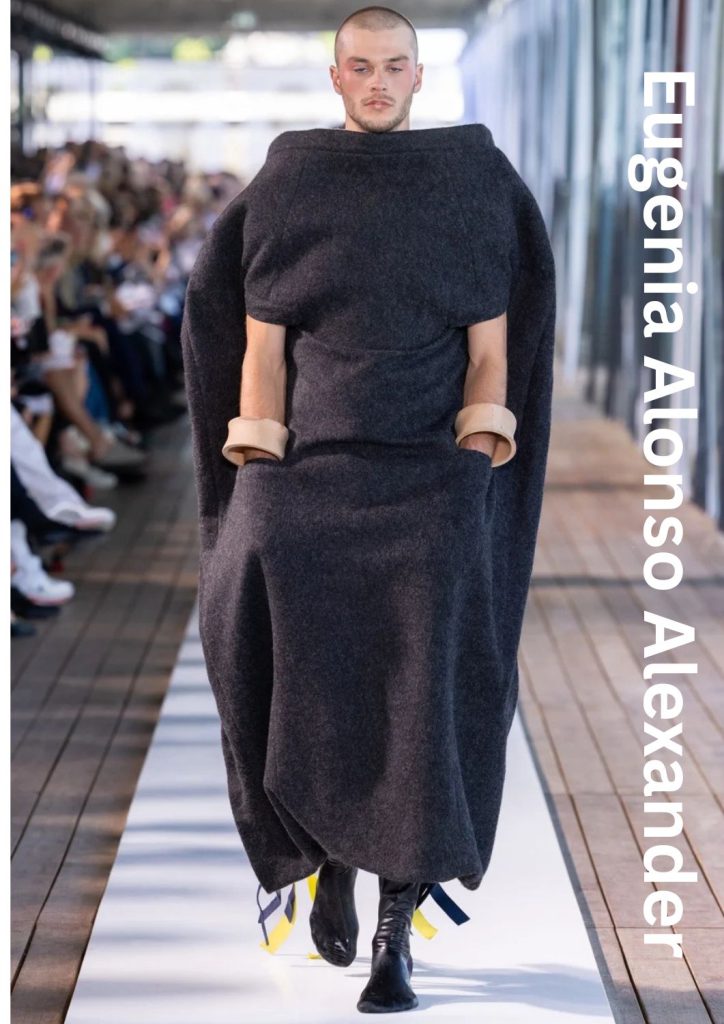
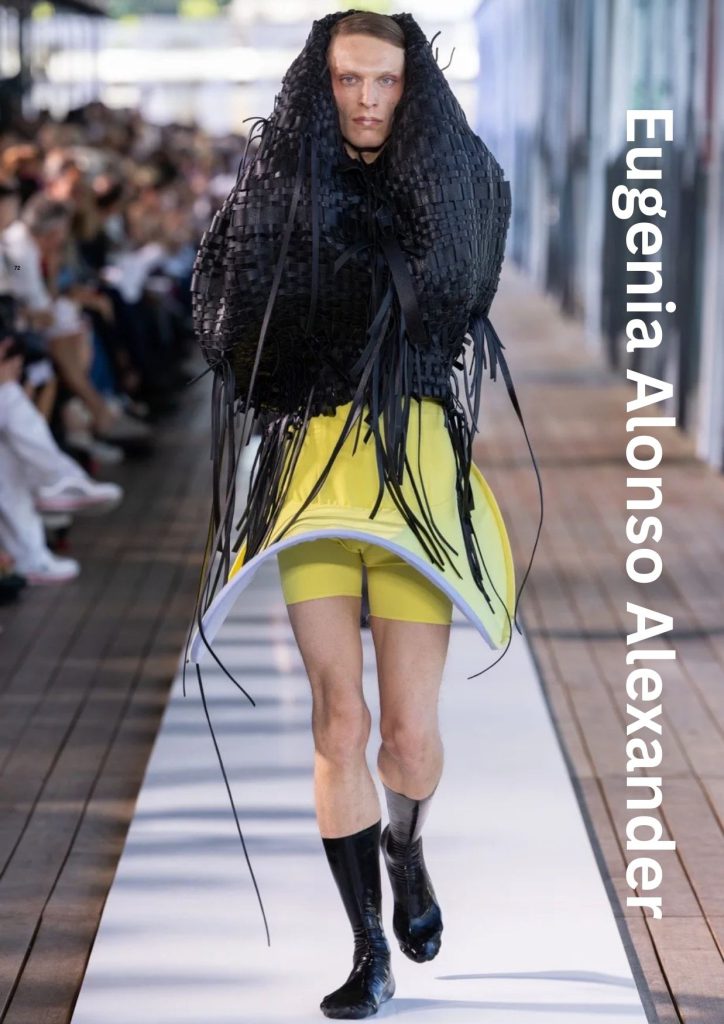
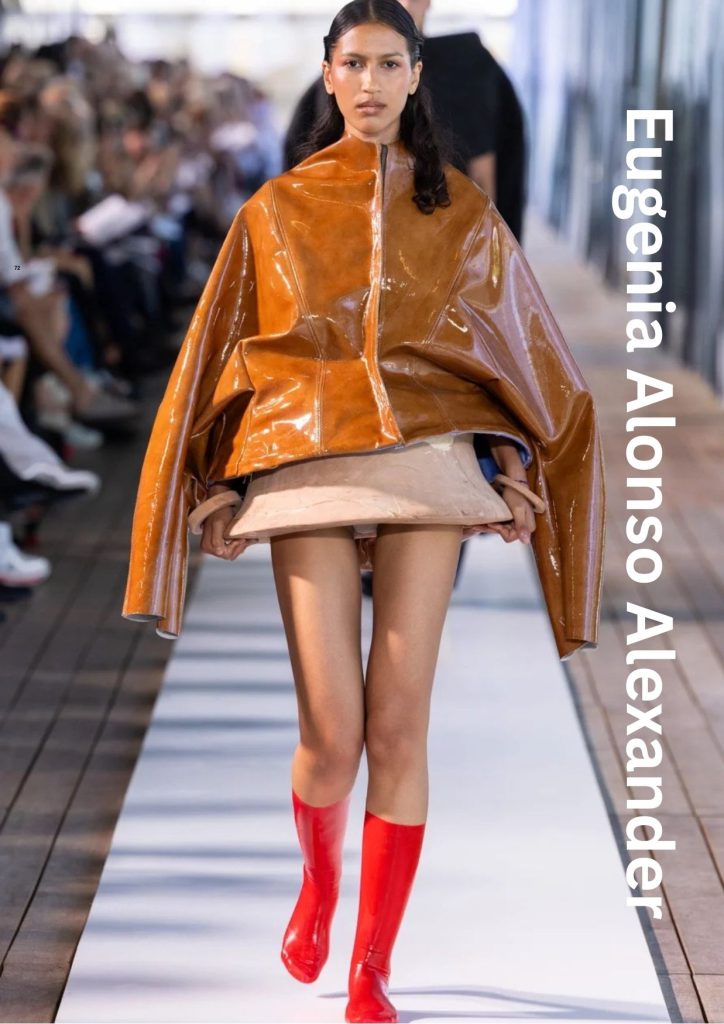
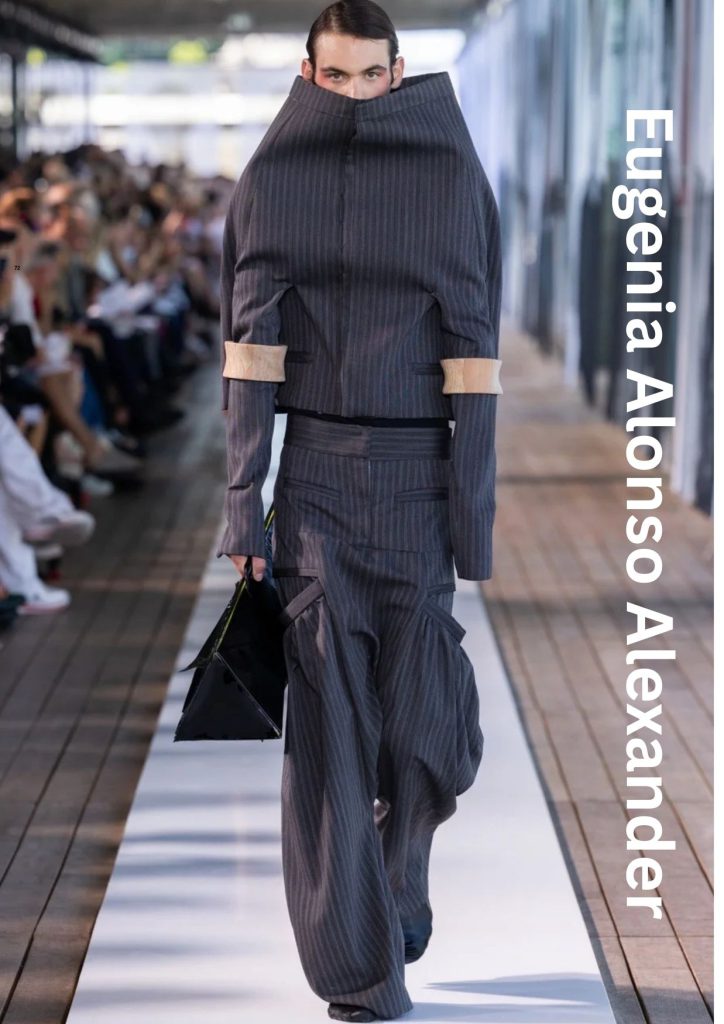
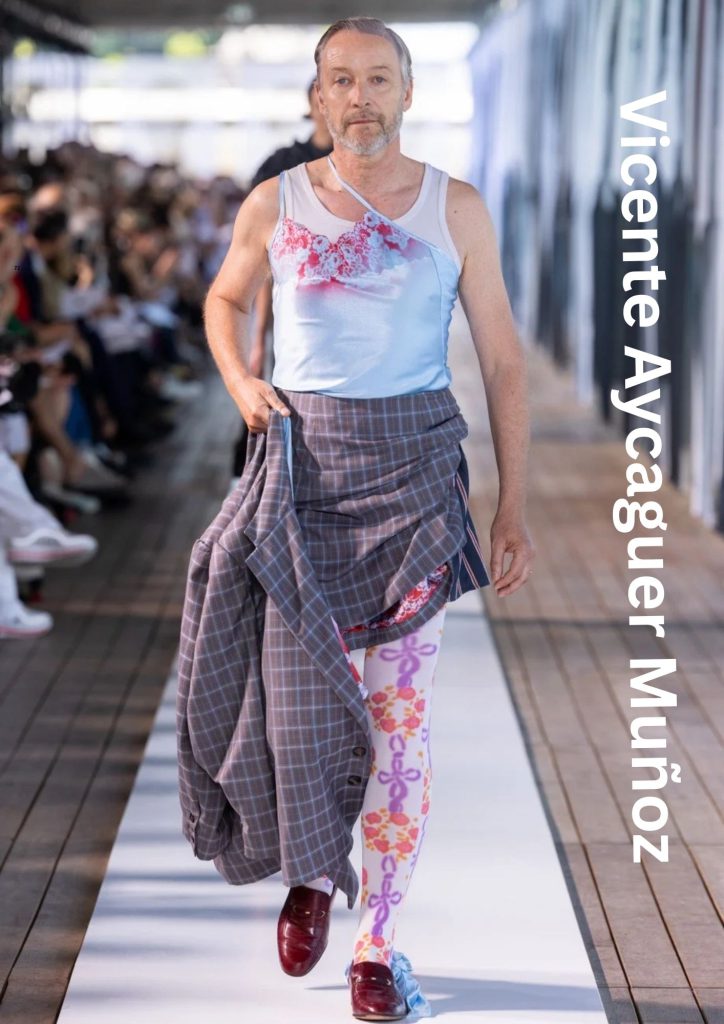
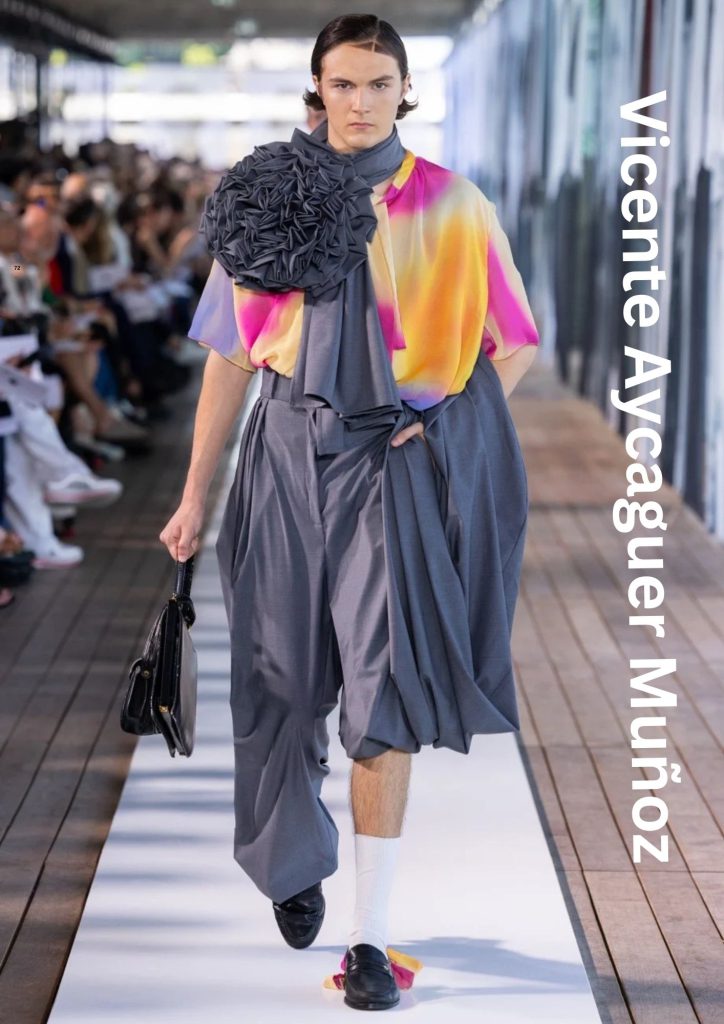
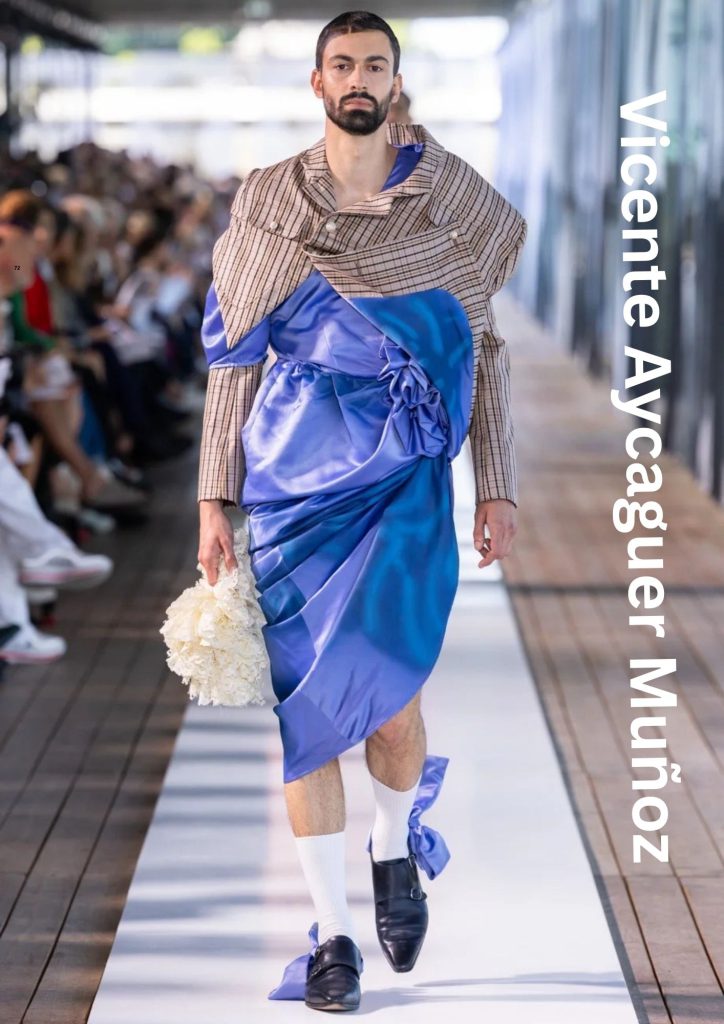
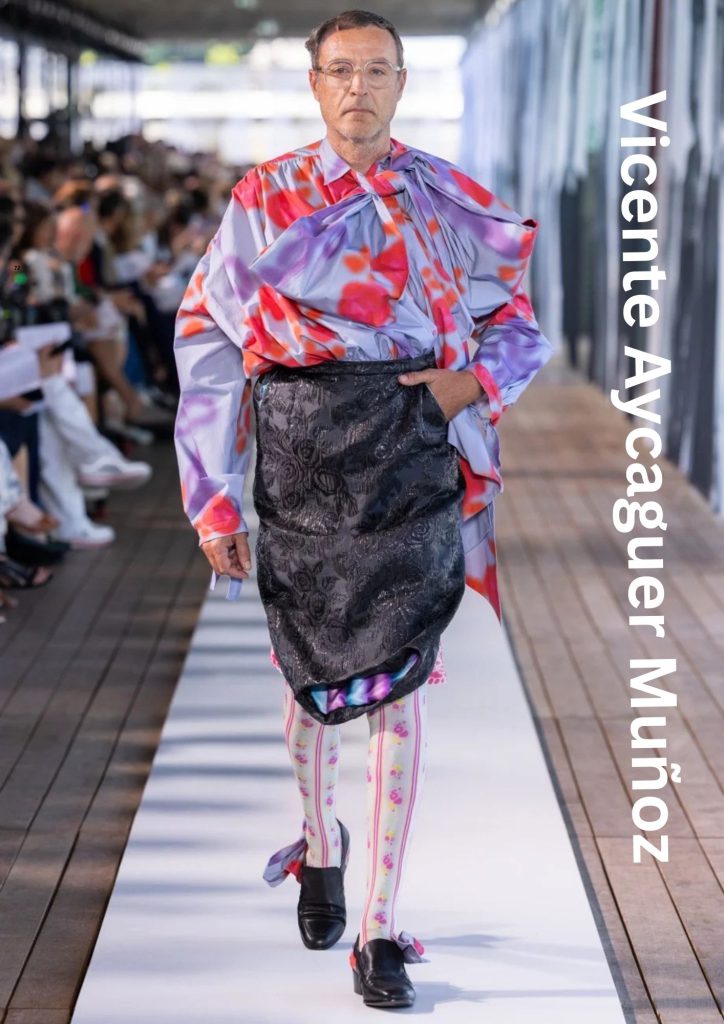
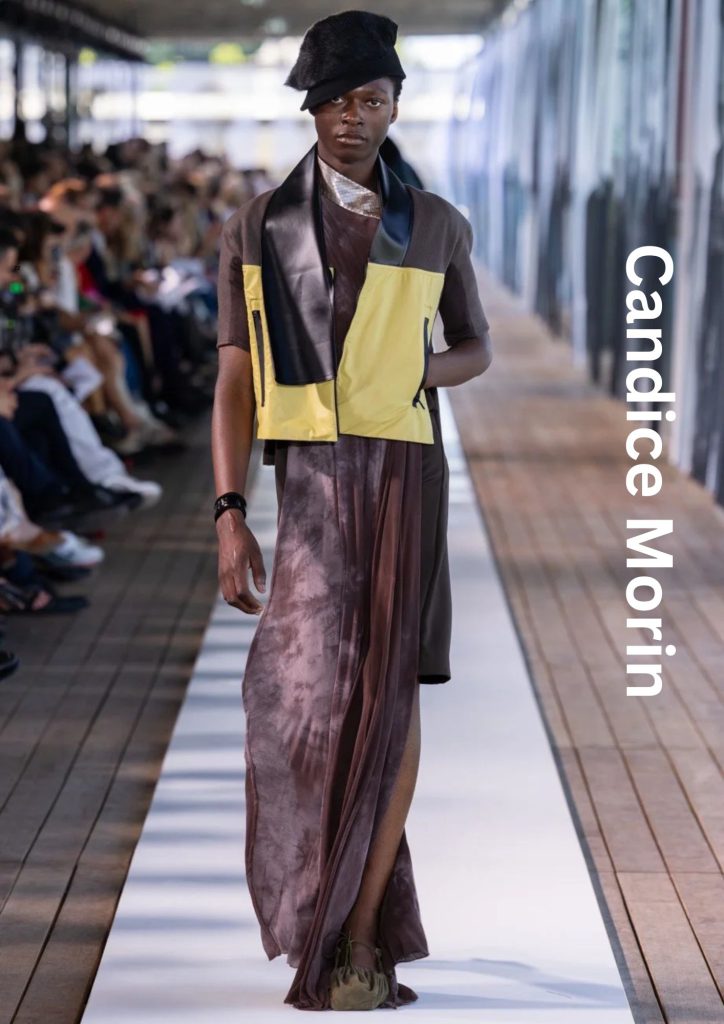
My collection draws from Casa Susanna, a photobook and documentary about a house where men – who led typically heteronormative lives – would gather to dress and live as women. What struck me was how the rigid concepts of gender dissolved in that space. I wanted to explore the in-between: imagining the first moment someone tries on women’s clothing, embracing the so-called “mistakes” that come with discovery and self-expression.
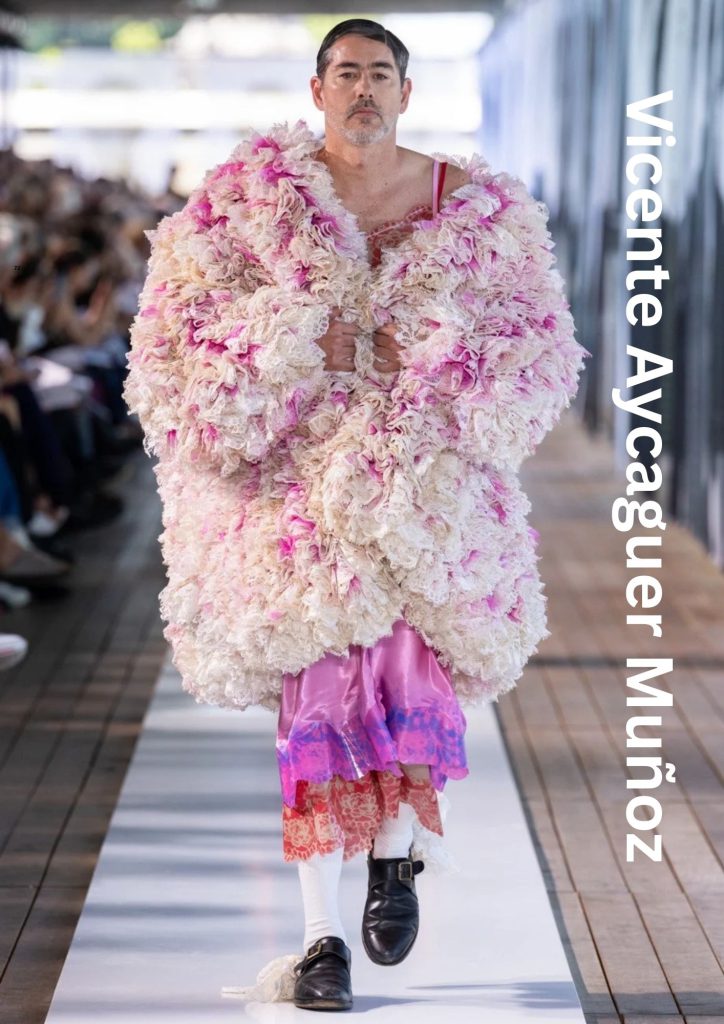
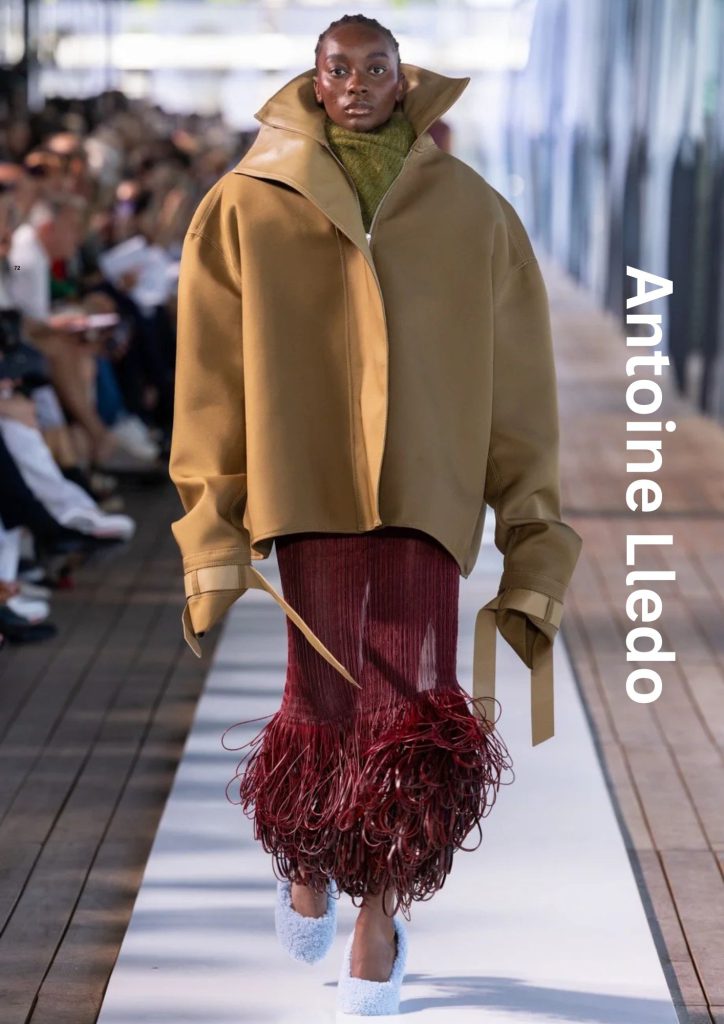
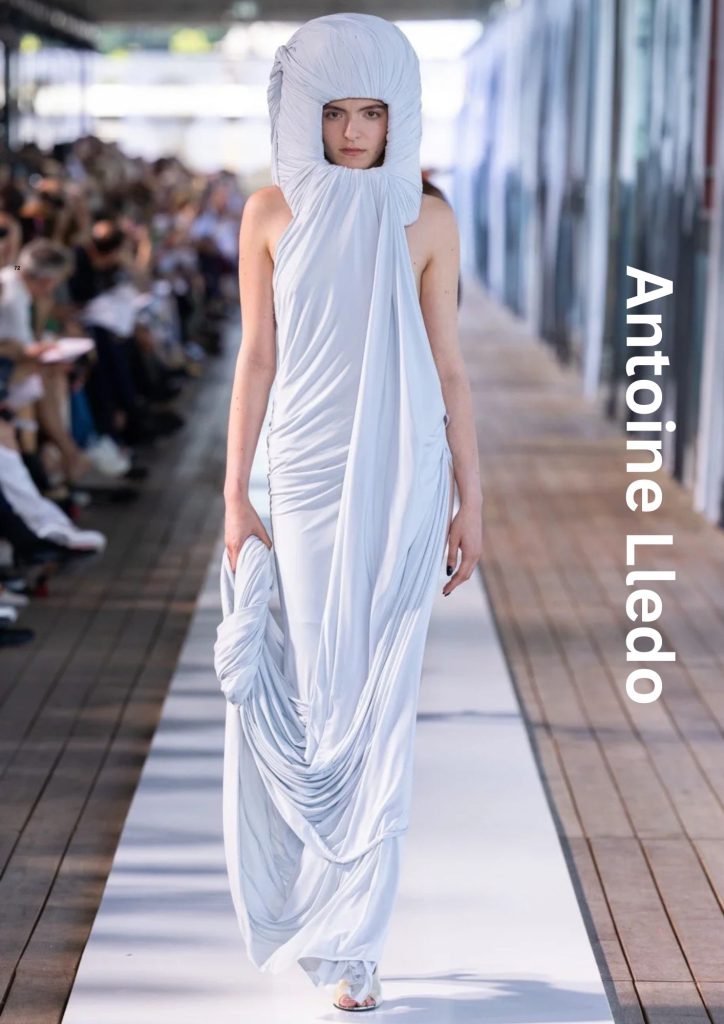
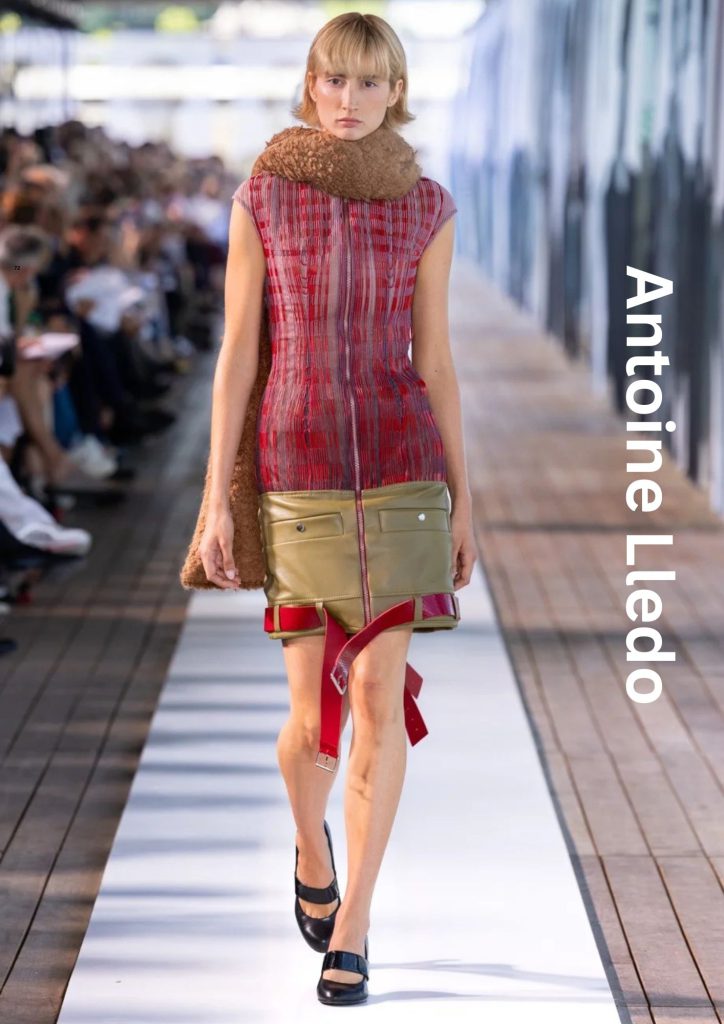
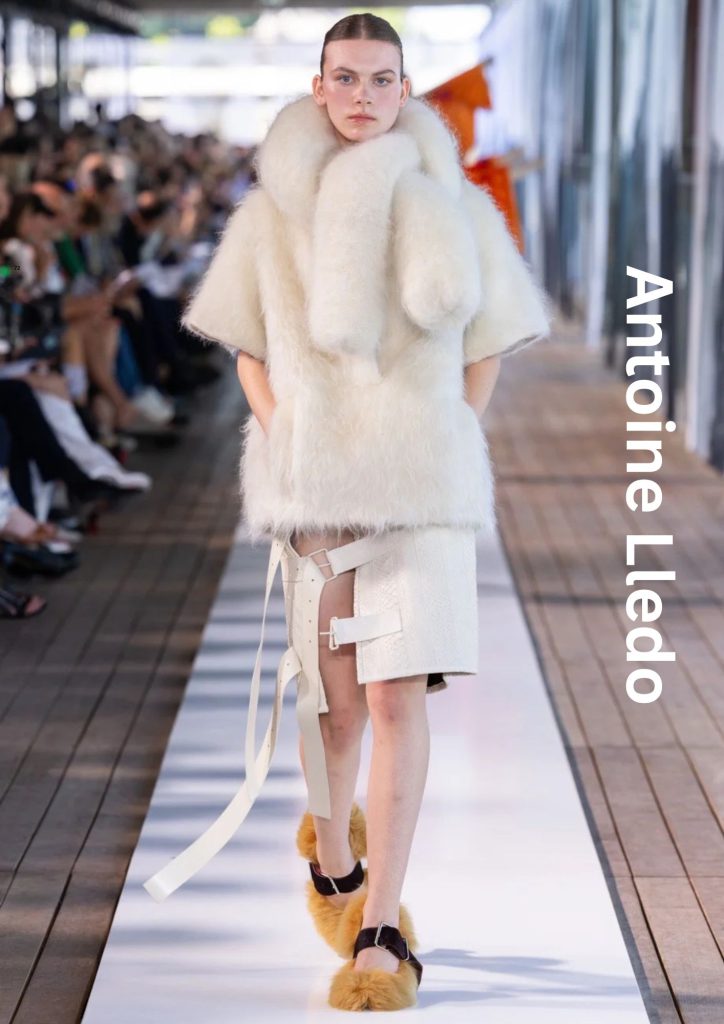
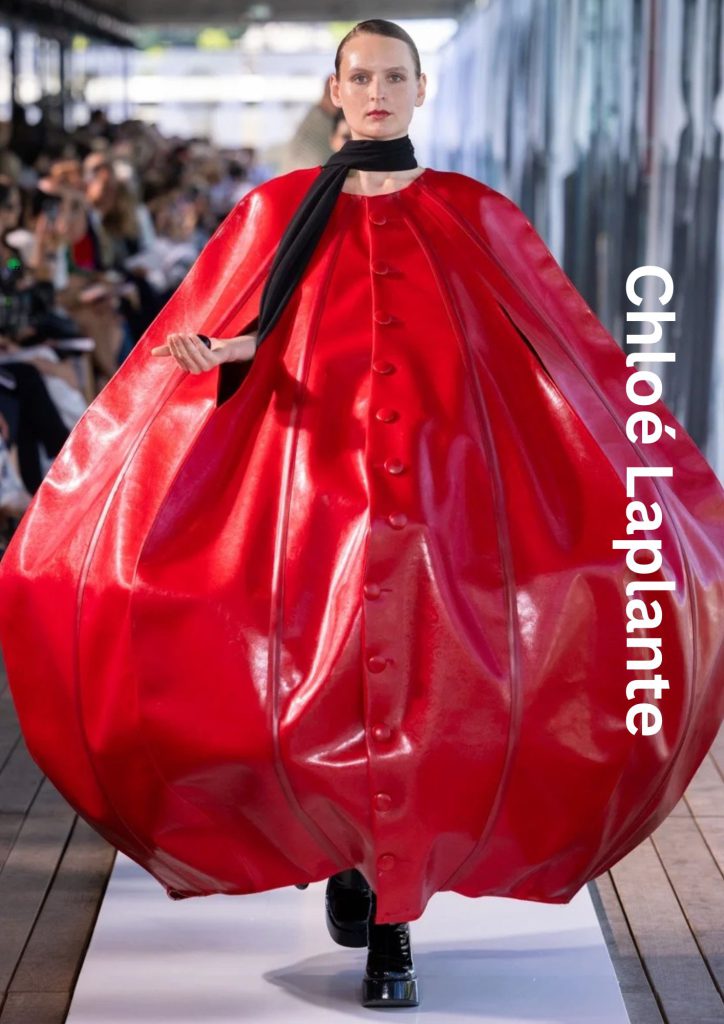
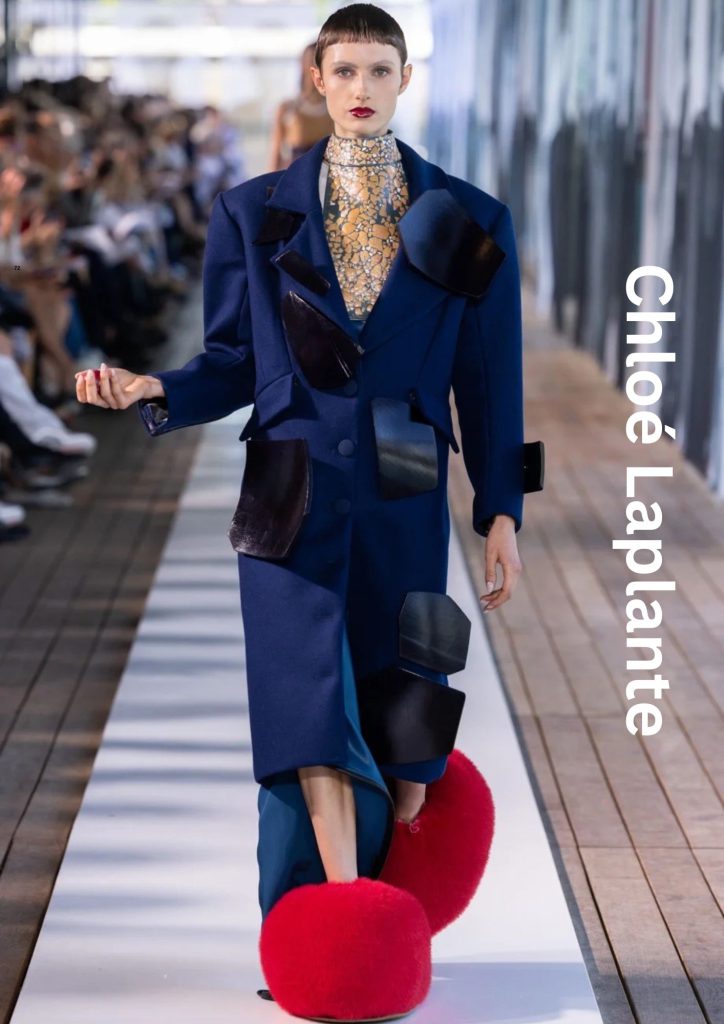
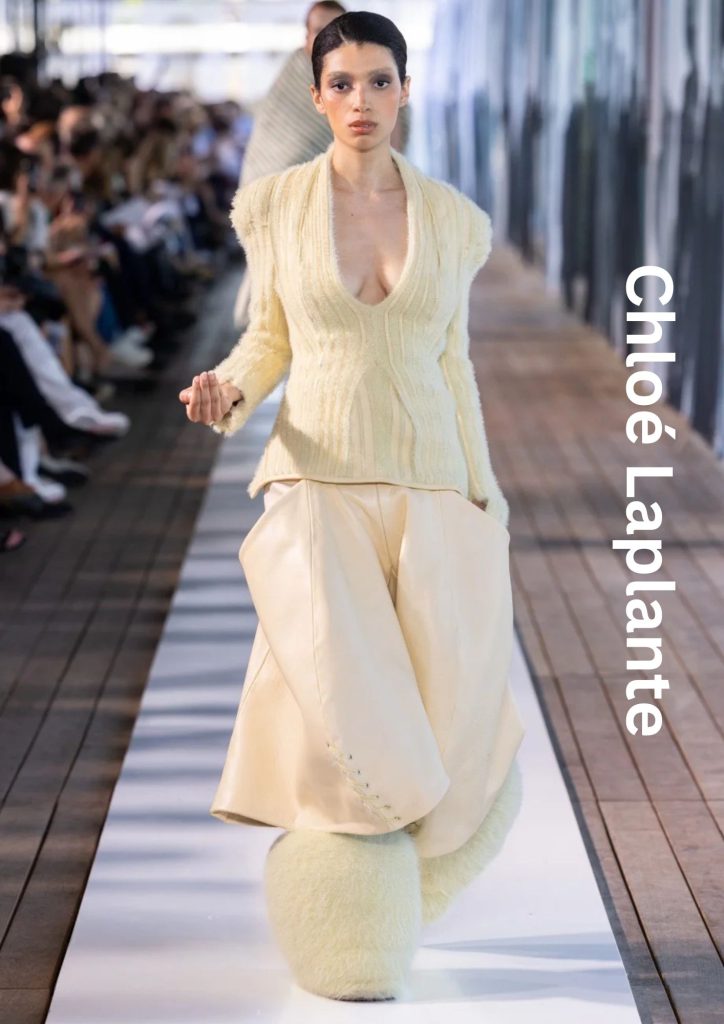
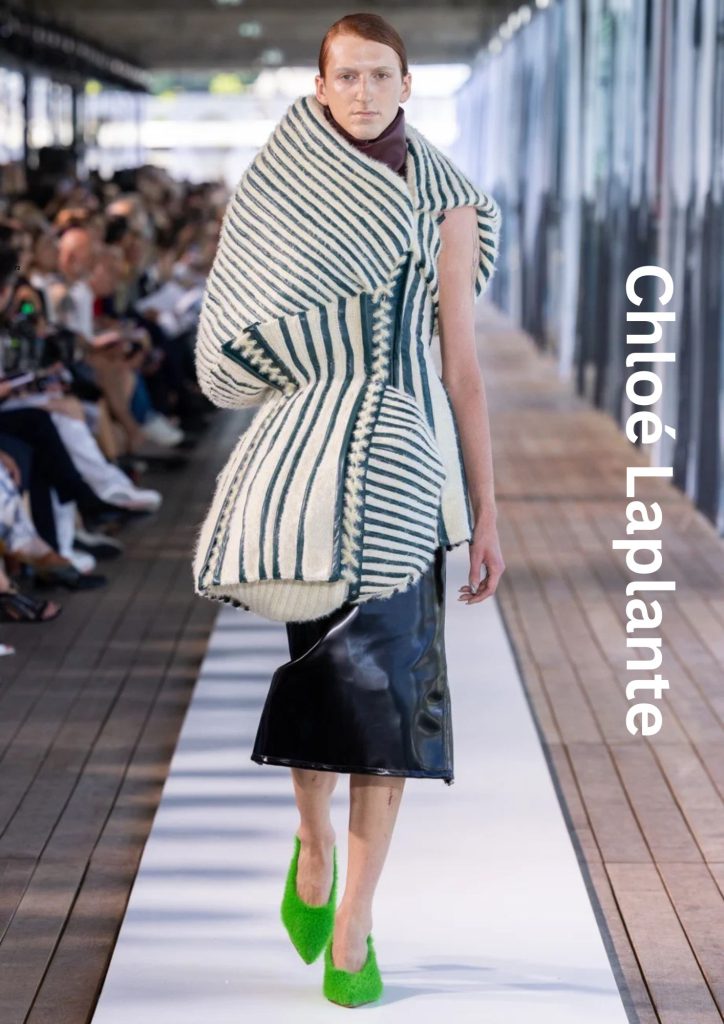
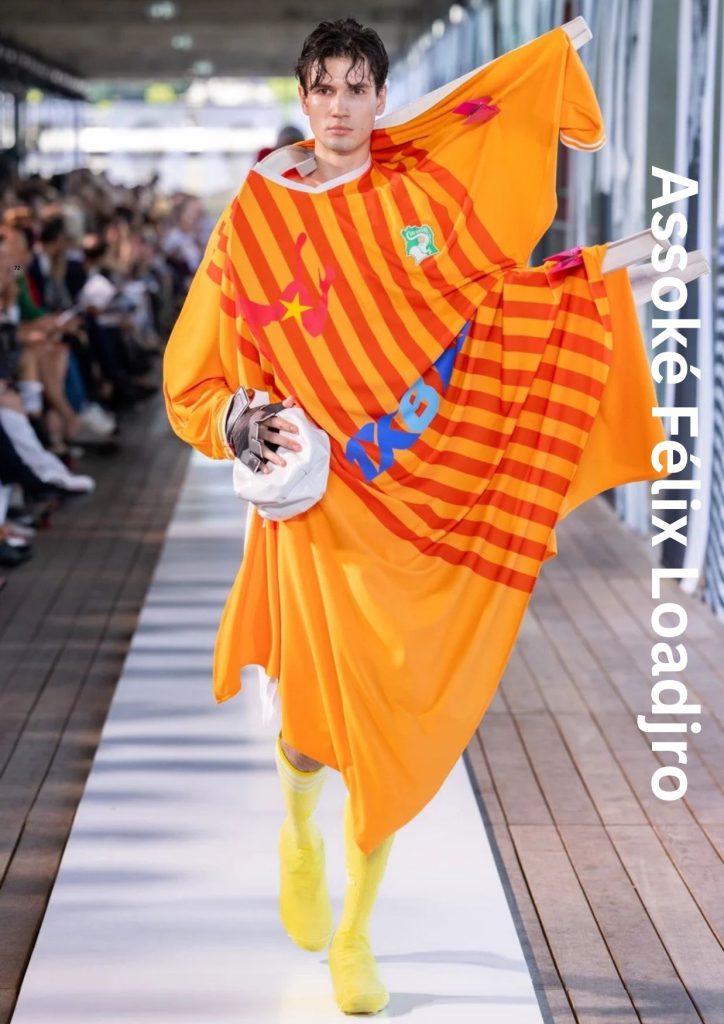
This collection is a tribute to Abidjan, the vibrant capital of Côte d’Ivoire. It celebrates the street as a runway, sport as a universal language, and the Ivorian people as a generative creative force. Each look embodies a character – a fragmented identity shaped by a city where fashion, sport, and digital imagery blur into one.
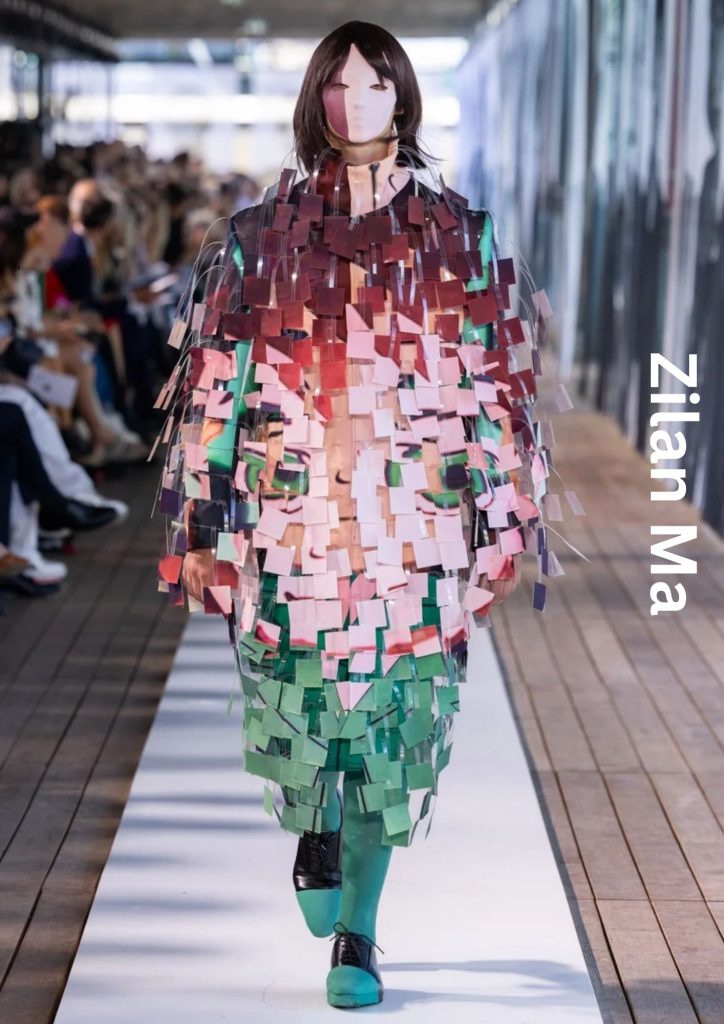
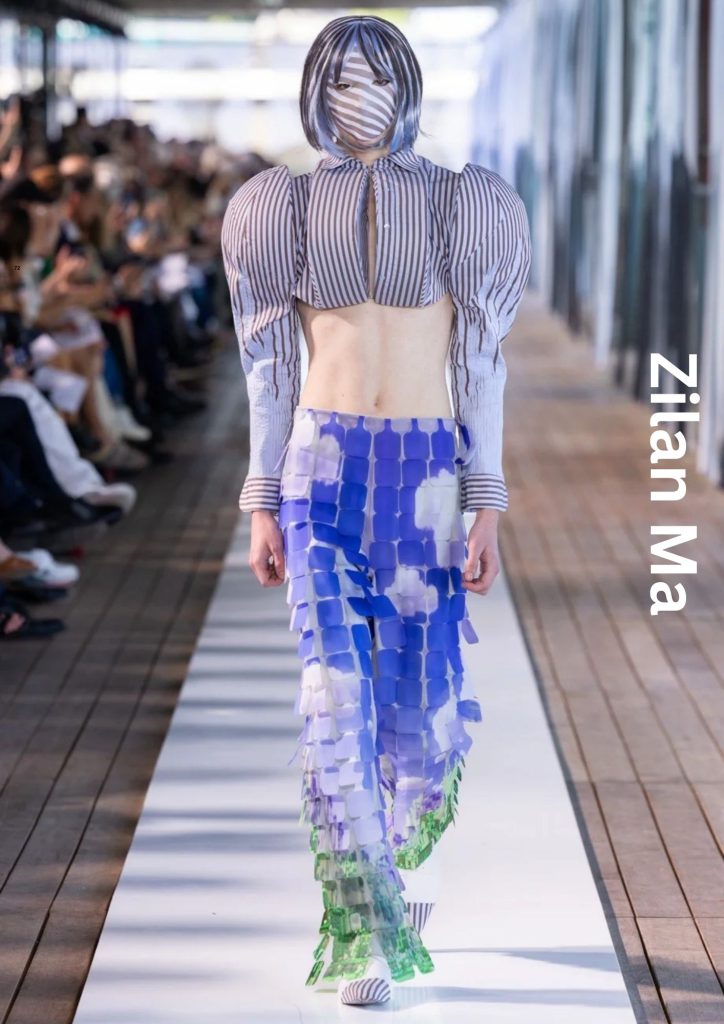
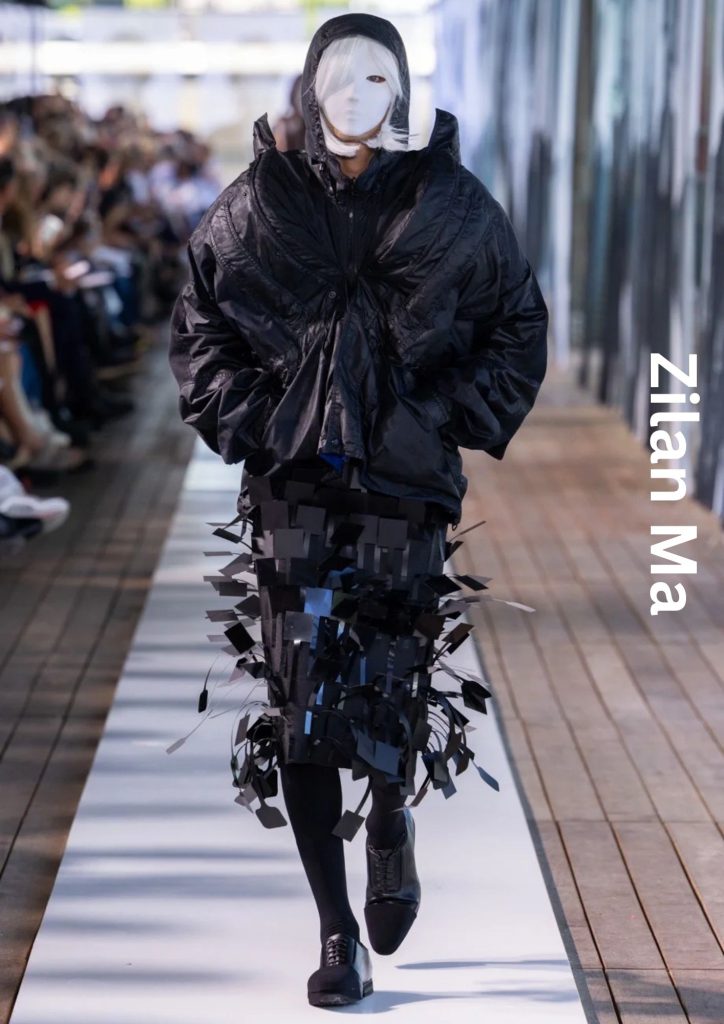
The tension between authenticity and artifice, the human and the mask, runs throughout. BABI is my way of translating Abidjan’s plurality – its many faces, its kinetic energy – which has always pulsed through my creative practice.
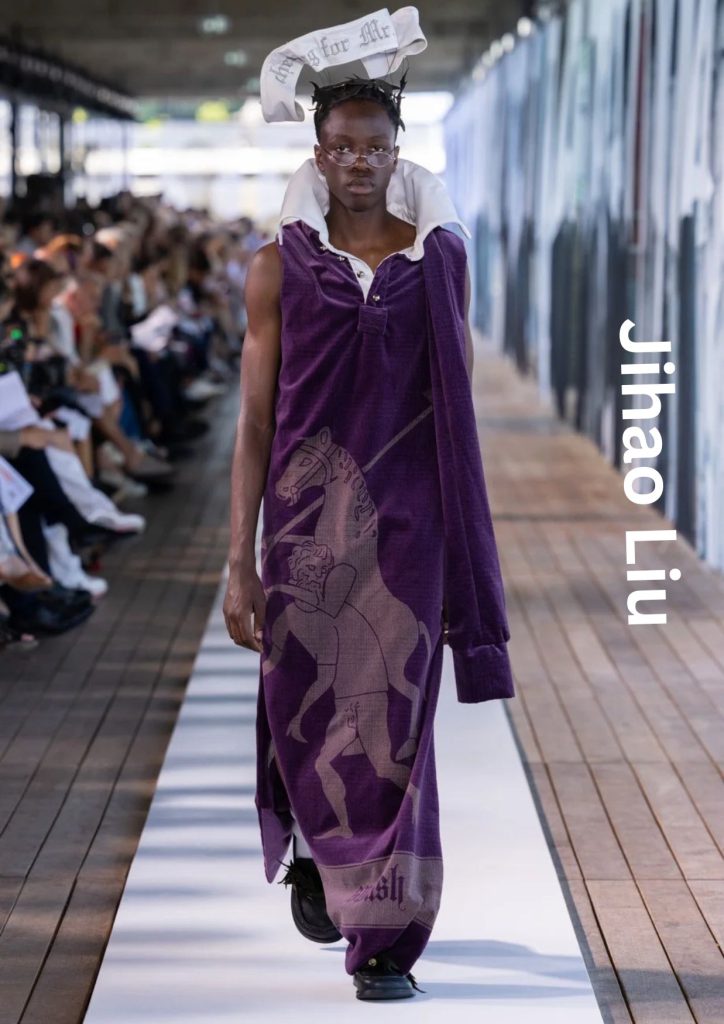
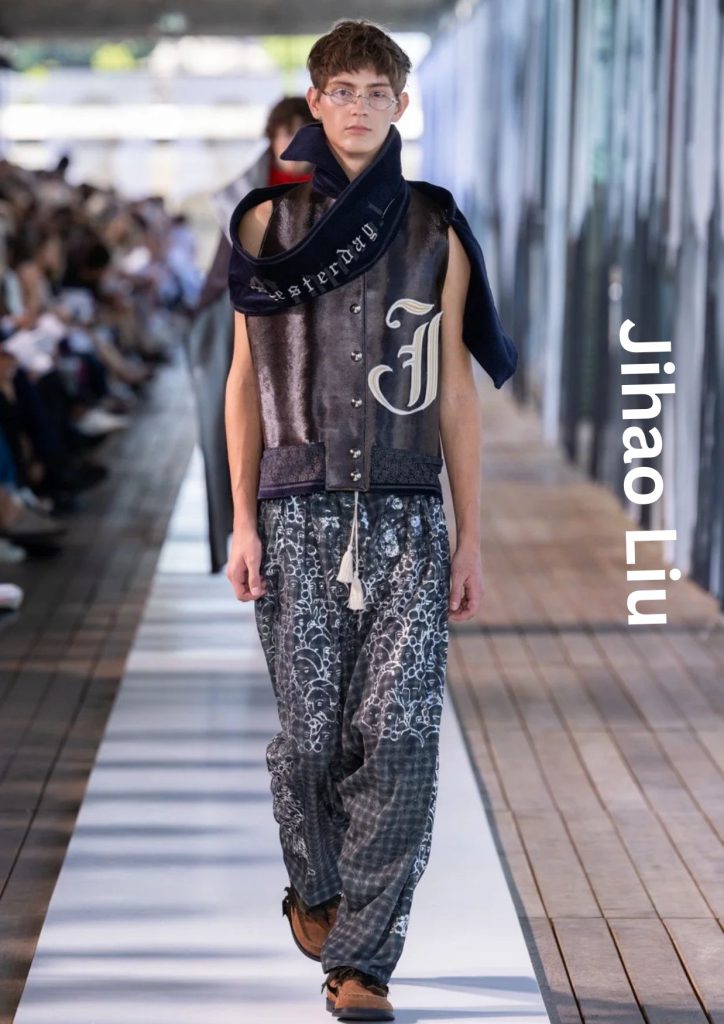
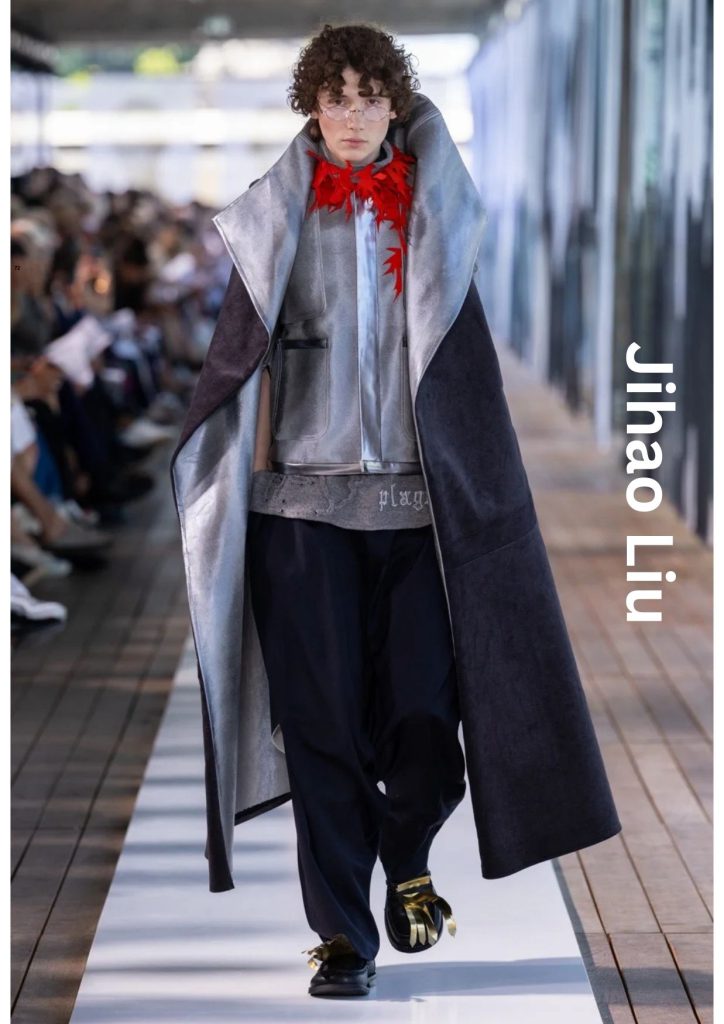
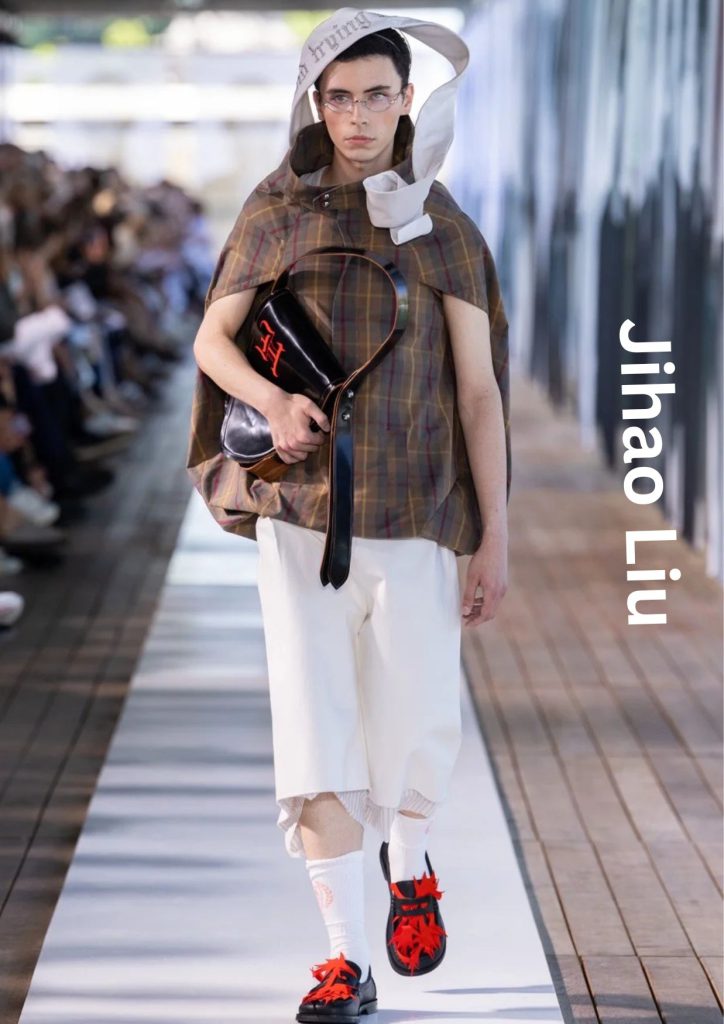
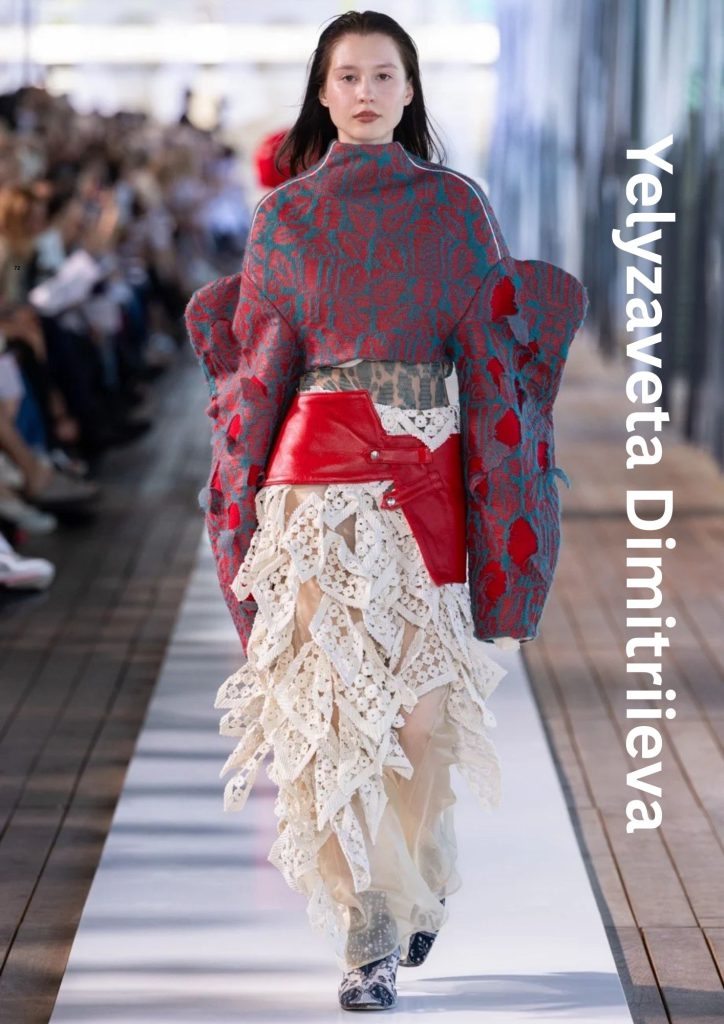
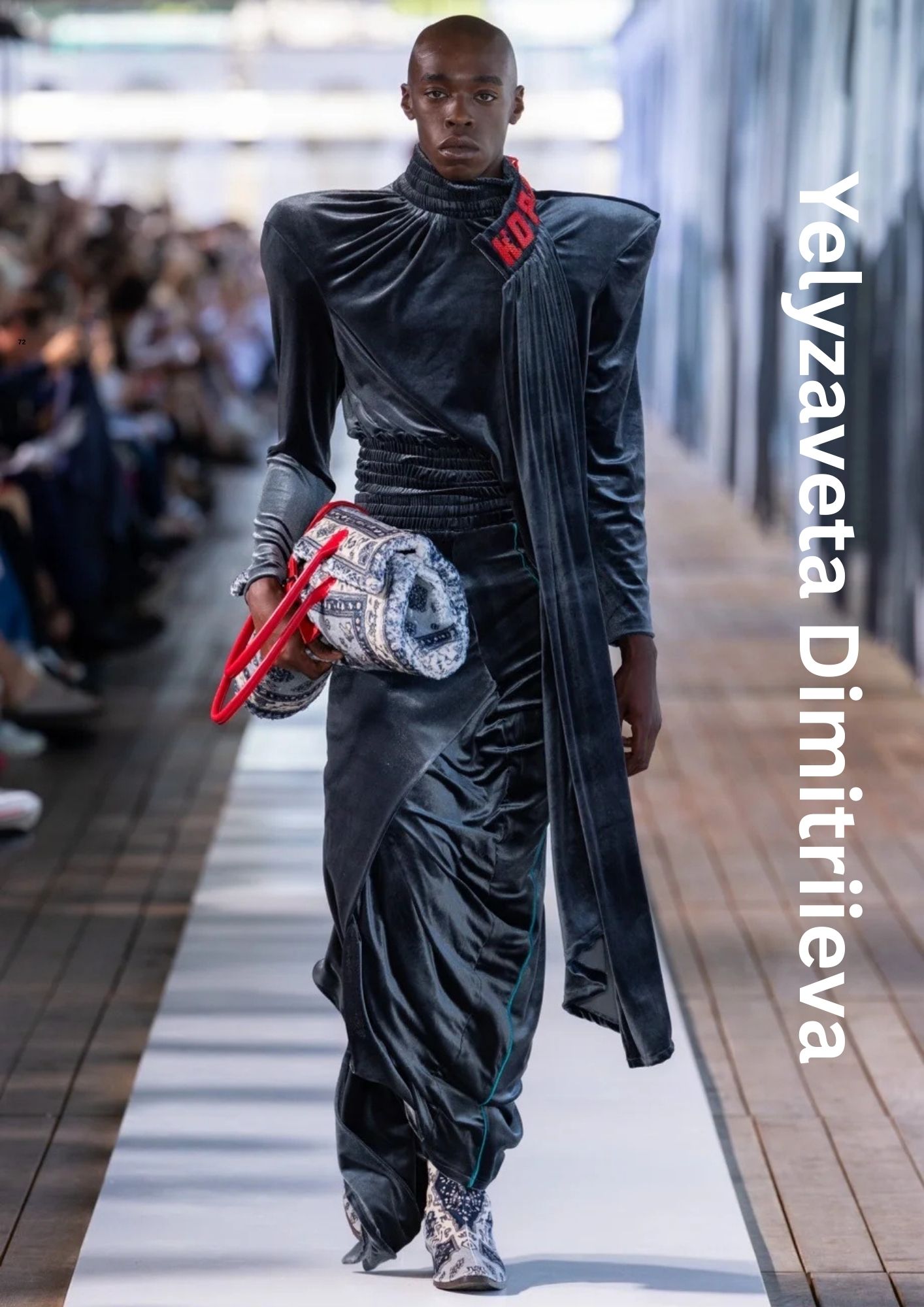
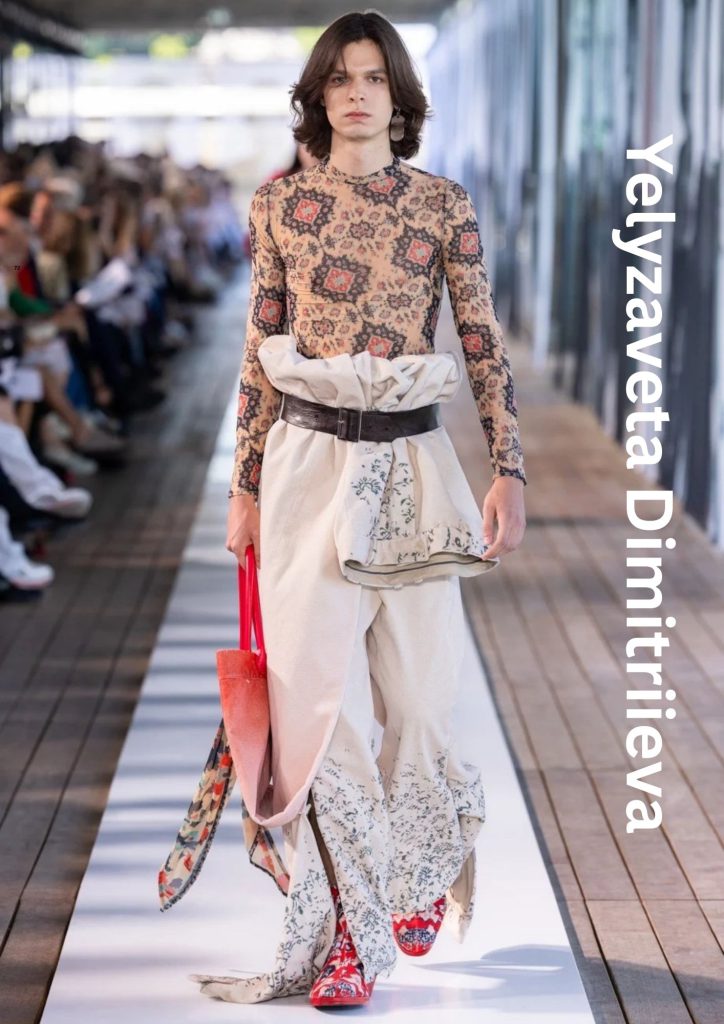
This collection lives in the liminal static between Superliminal’s warped dimensions and Minecraft’s looping logic – a sartorial rebellion against the scripts we are coded to repeat. Here, six looks delve into the quiet chaos between truth and fiction. It invites the viewer into a space where the familiar becomes uncanny, and the uncanny becomes a mirror.
Like Magritte’s pipe that is not a pipe, these clothes whisper contradictions: this is real, this is not.
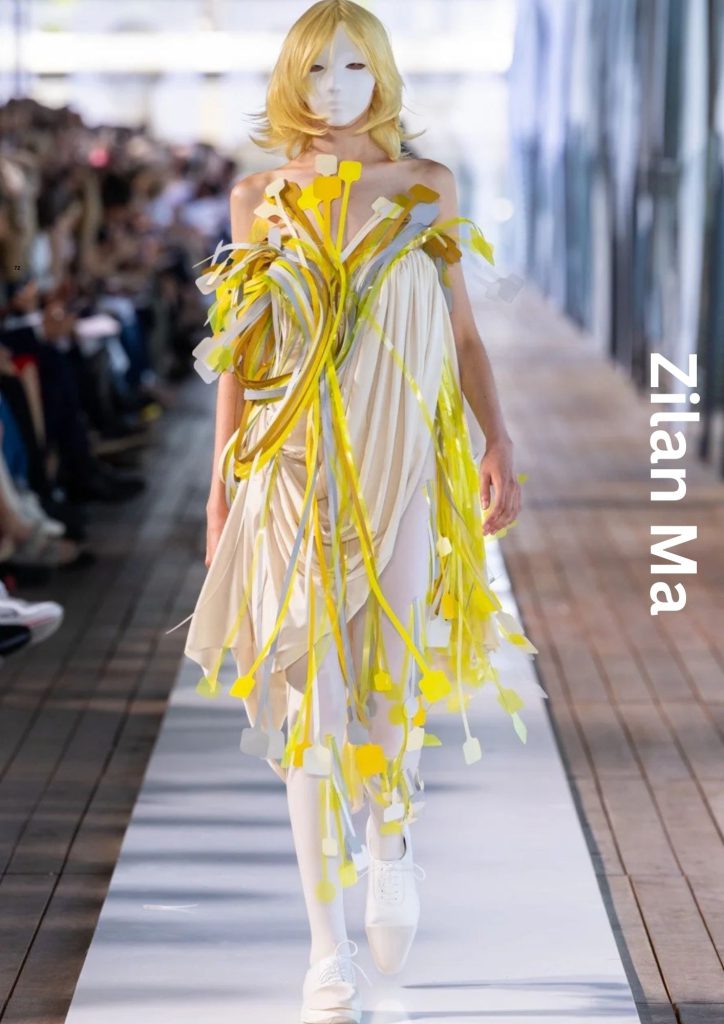
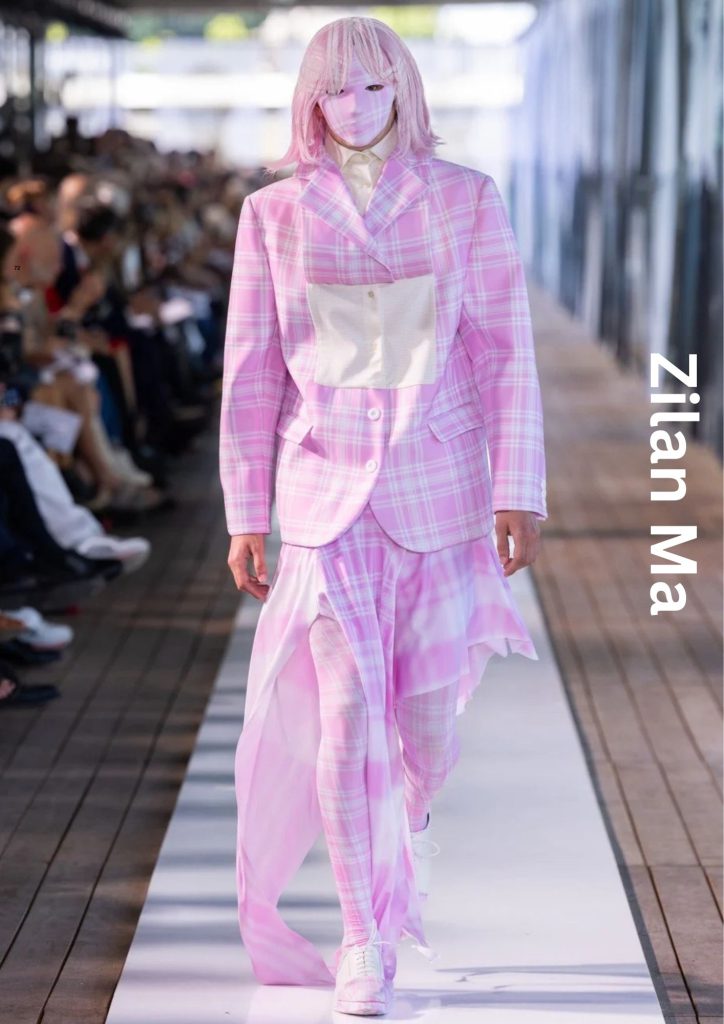
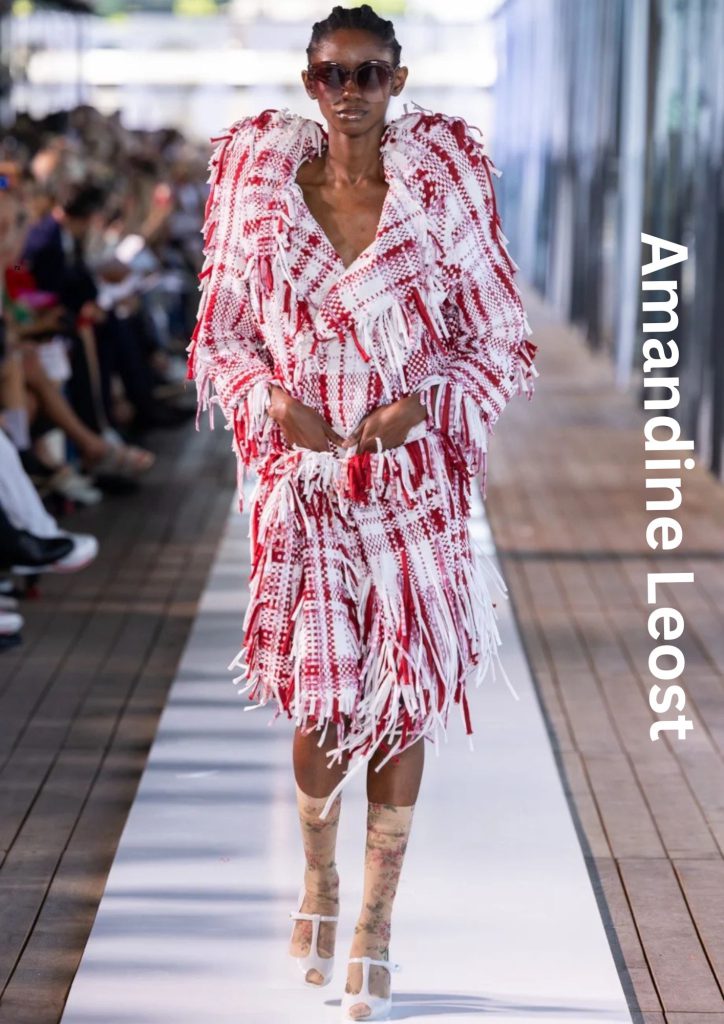
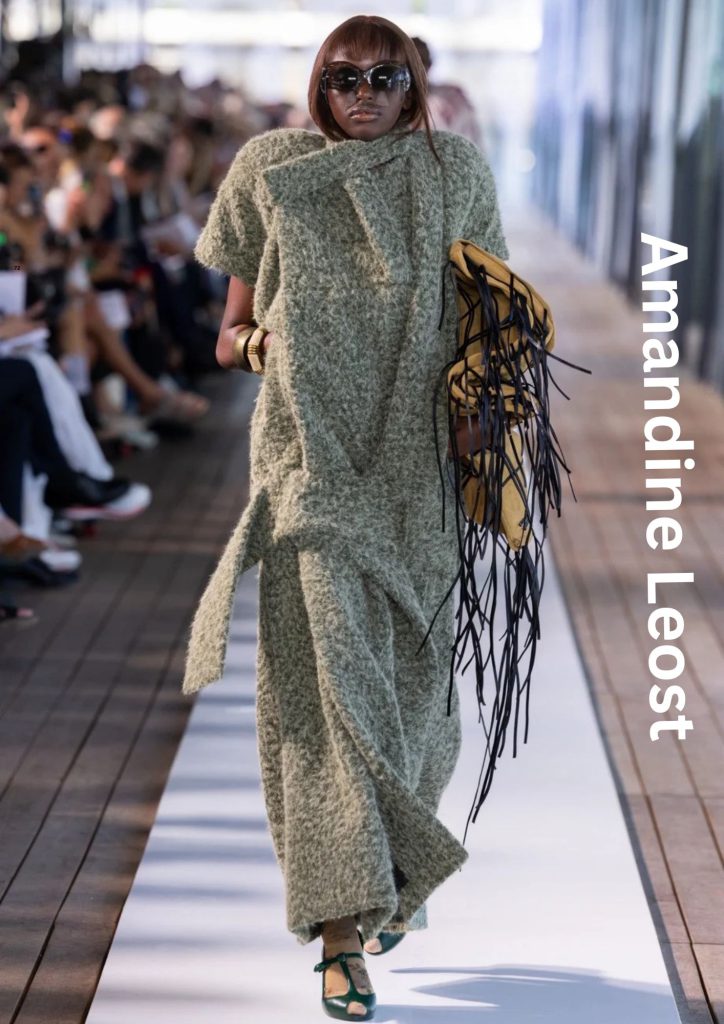
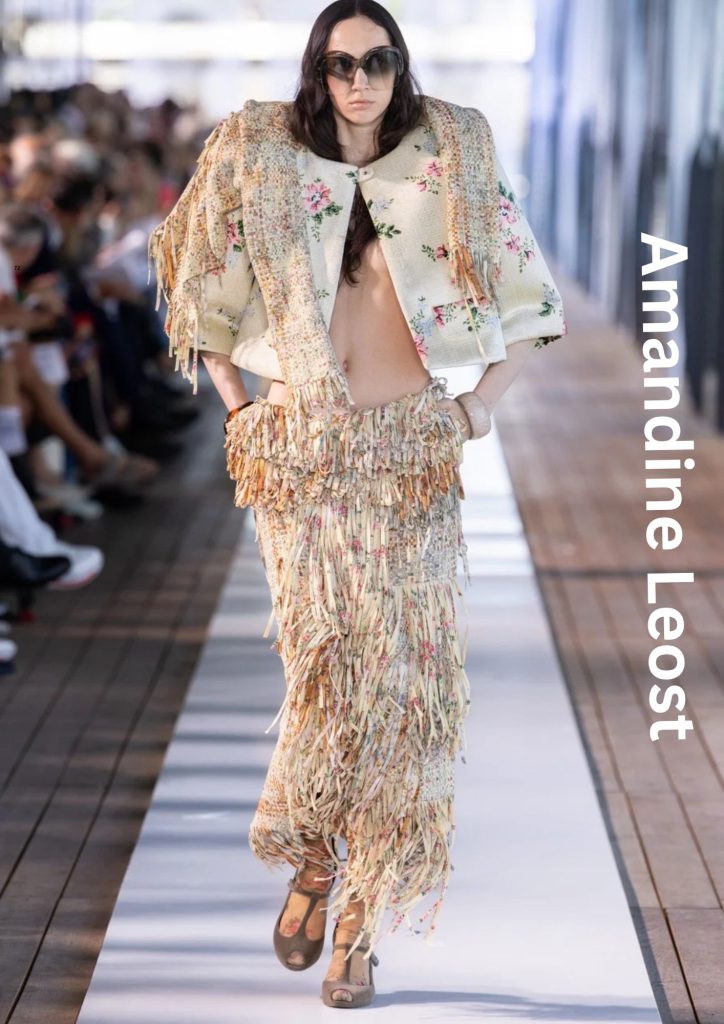
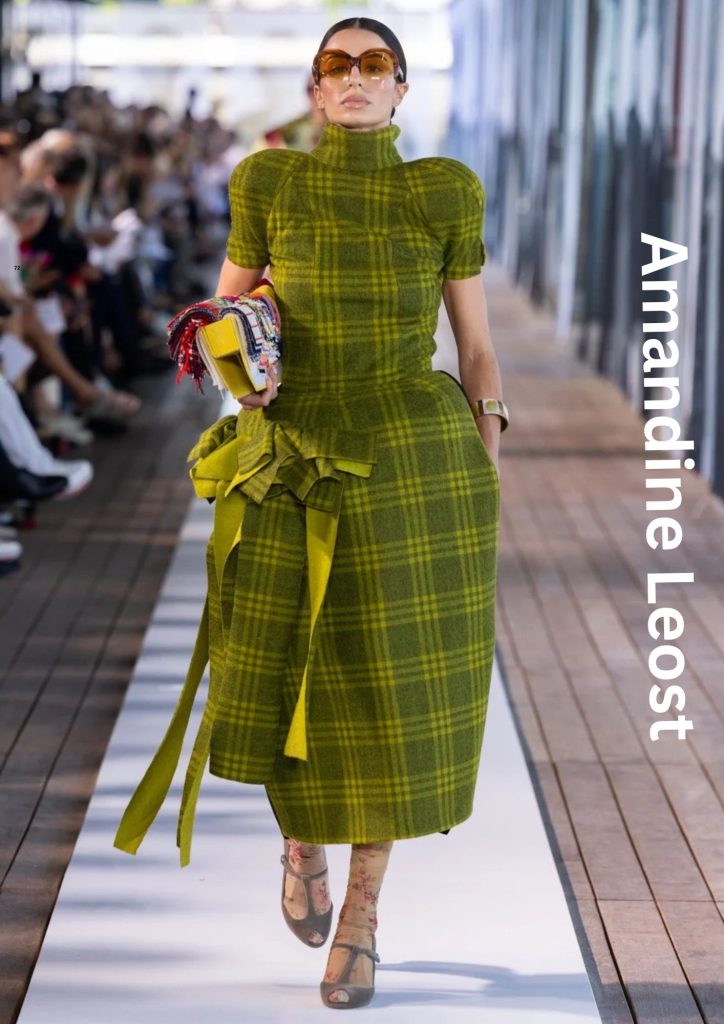
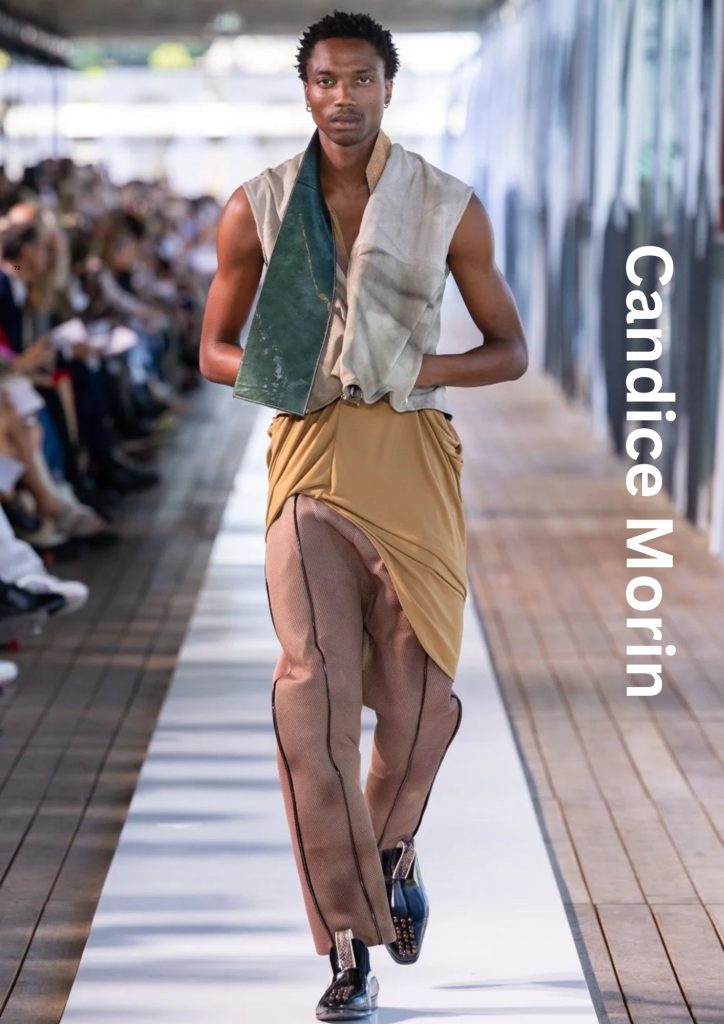
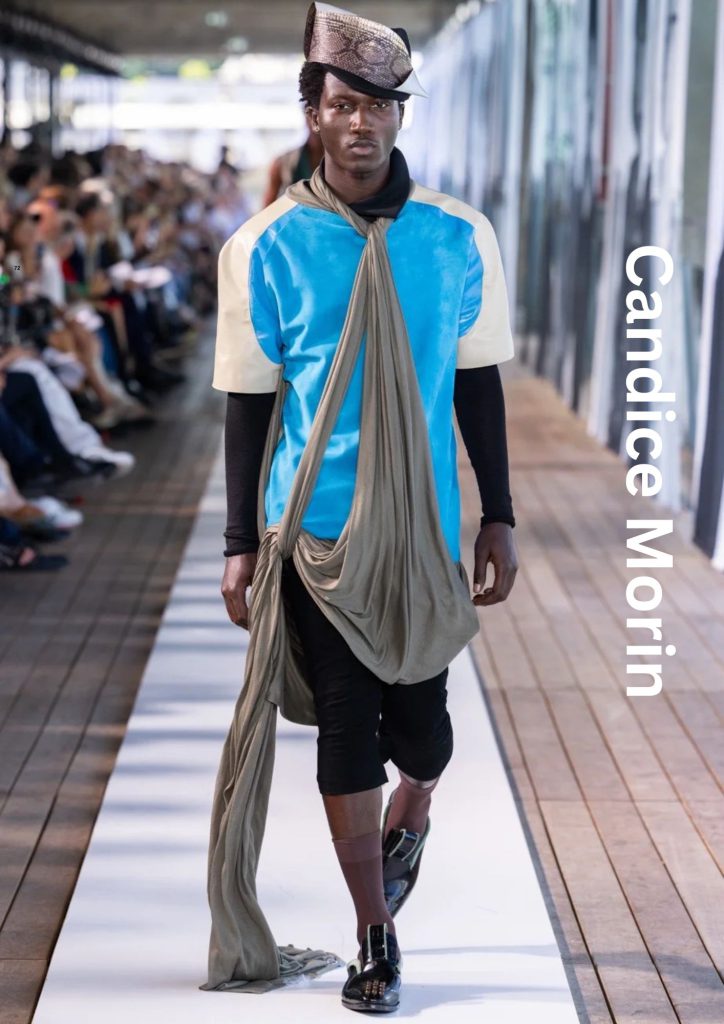
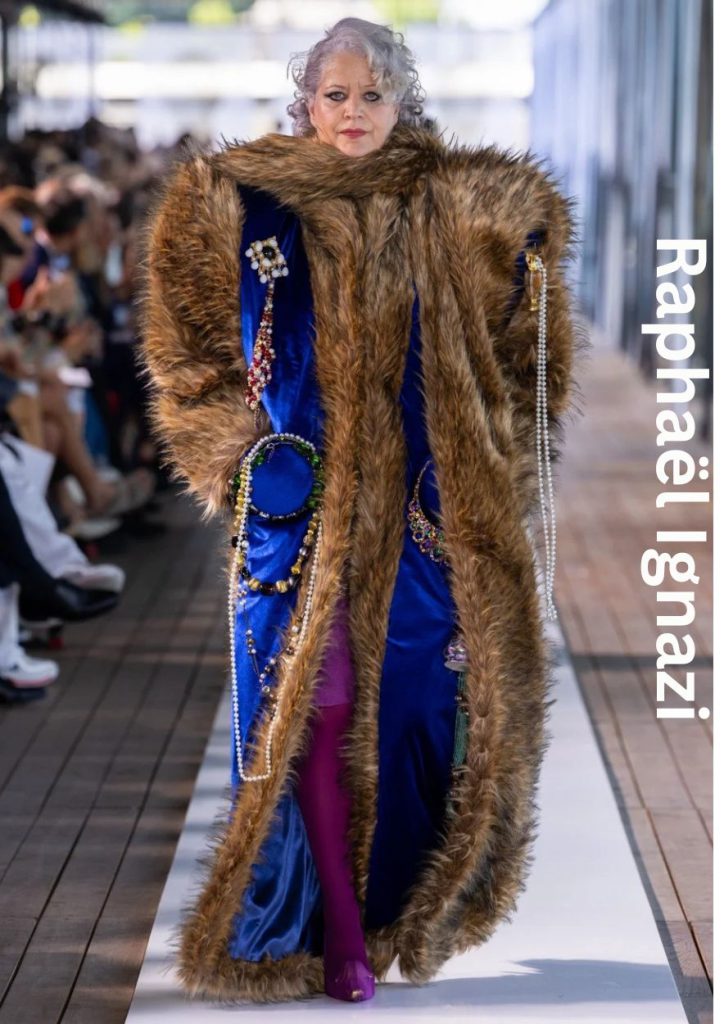
Les Voleuses imagines a group of elegant, thrill-seeking women – bored with their privileged lives – who turn to art theft not for need, but for pleasure. It’s a fantasy of subversion wrapped in wealth, led by an eternal muse: Catherine Deneuve. Her image, equal parts aloof and iconic, helped shape the collection’s refined but mischievous tone.
I wanted to reinterpret the wardrobe of the ultra-wealthy woman with a twist: one eye on elegance, the other on cunning utility.