

W: William J Tell
As the dust settles on London Fashion Week, the Central Saint Martins MA Graduate Fashion Show 2026 has once again solidified its reputation as the industry's premier pressure cooker for raw, unadulterated genius. This year, the runway was less of a traditional catwalk and more of a manifesto—a high-stakes display of how the next generation intends to dismantle and rebuild the fashion system from the ground up.
From the rejection of luxury "fatigue" to the reclamation of post-colonial identities, the class of 2026 proved that fashion is at its best when it's at its most uncomfortable. ASBO Magazine has hand-picked six standout visionaries who defined the pulse of this year’s show, each bringing a distinct, subversive edge to the hallowed halls of CSM.
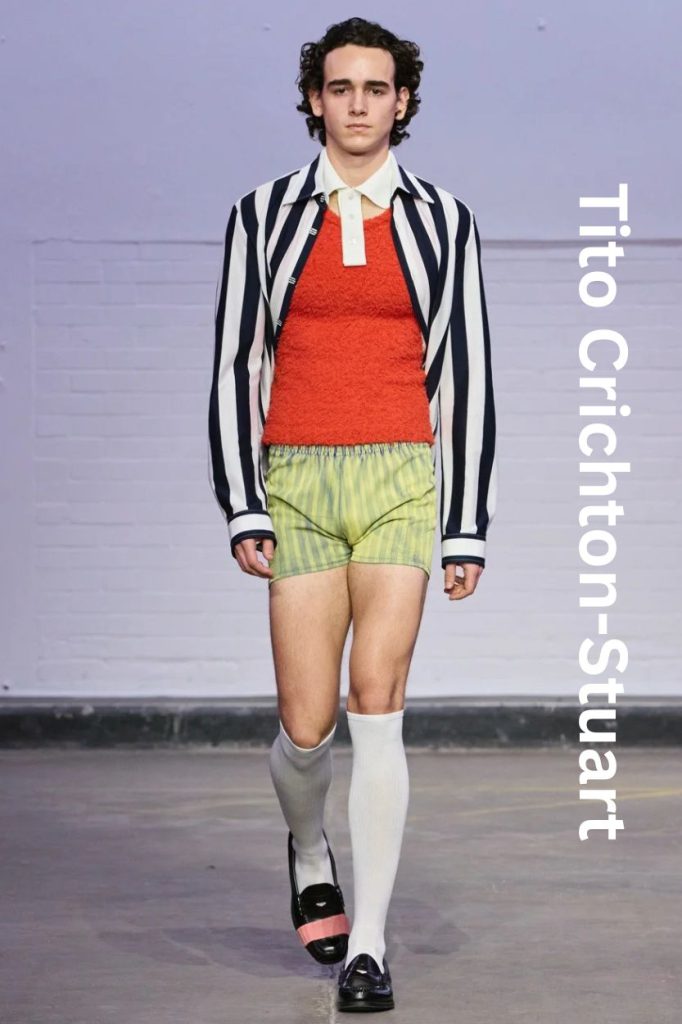
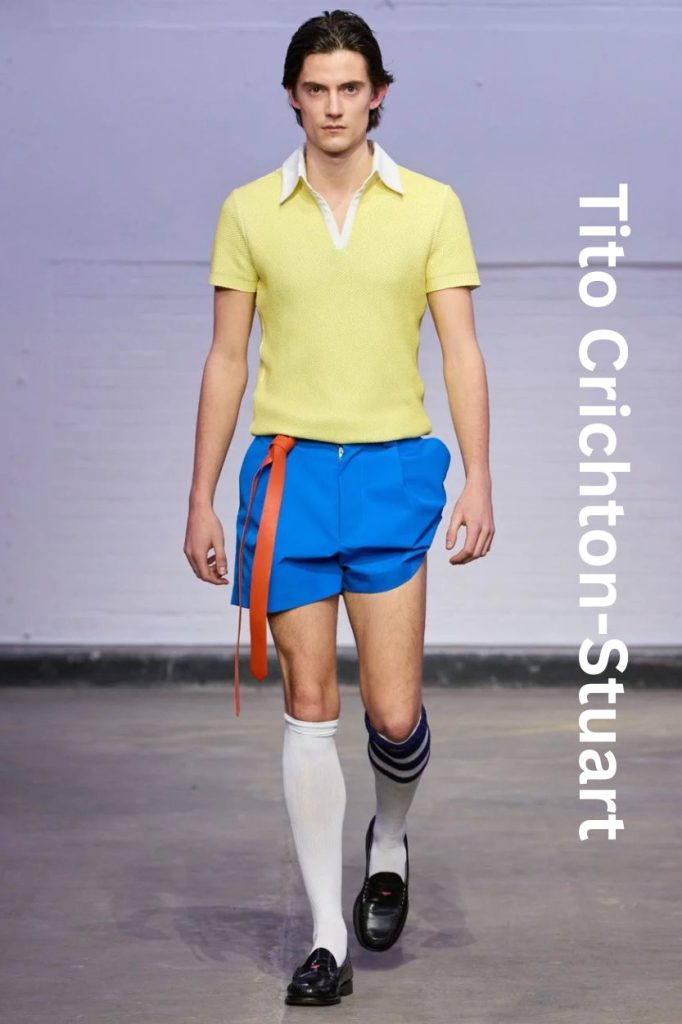
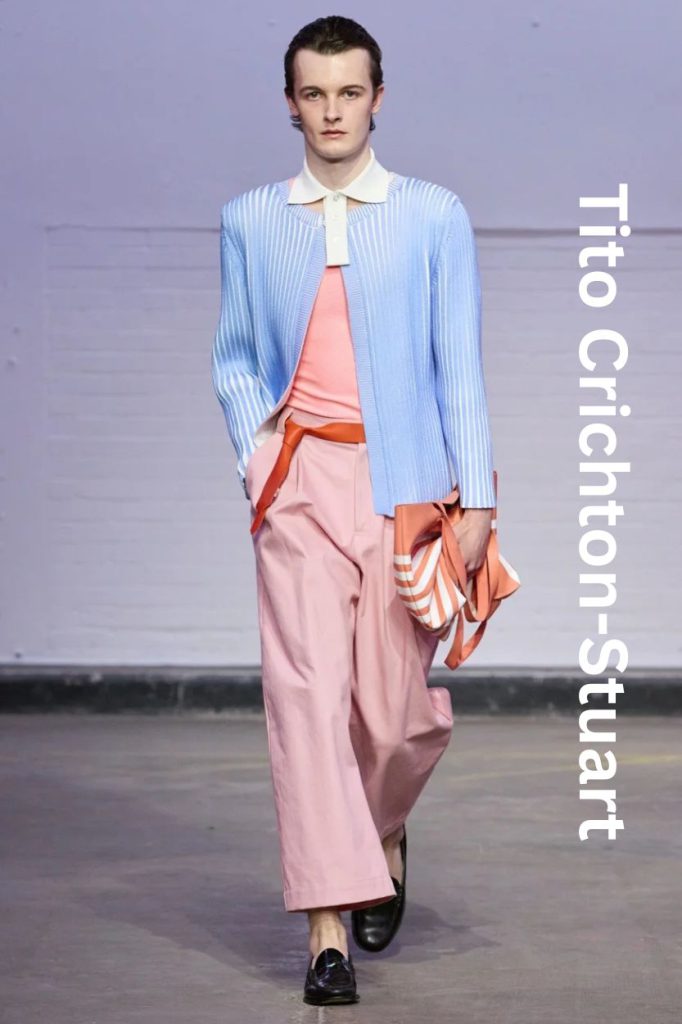
Tito Crichton-Stuart: The deconstructor of Americana, using "American Sissy" to subvert the rigid, conservative codes of prep.
Tito Crichton-Stuart’s Central Saint Martins MA 2026 collection, "American Sissy," navigates the blurred lines between dominance and submission within a subverted preppy fantasy. By exploring the lived experience of the effeminate man, Crichton-Stuart treats clothing as both costume and a high-stakes performance of identity. Drawing on his own history of dressing across the spectrum—from ultra-feminine to rigorously conservative—he deconstructs the rigid pillars of Americana.
The collection’s strength lies in its unsettling, tactile knitwear. Utilizing cables, ribs, and piqué stitches, Crichton-Stuart twists traditional prep codes into a new, expressive language. These aren't just sweaters; they are provocations that question the conservative principles they mimic. As he completes six years of fashion education, Crichton-Stuart emerges ready to challenge the luxury industry. His debut marks a bold transition from academia to the professional stage, proposing a future where "prep" is no longer a shield, but a subversive tool for self-expression.

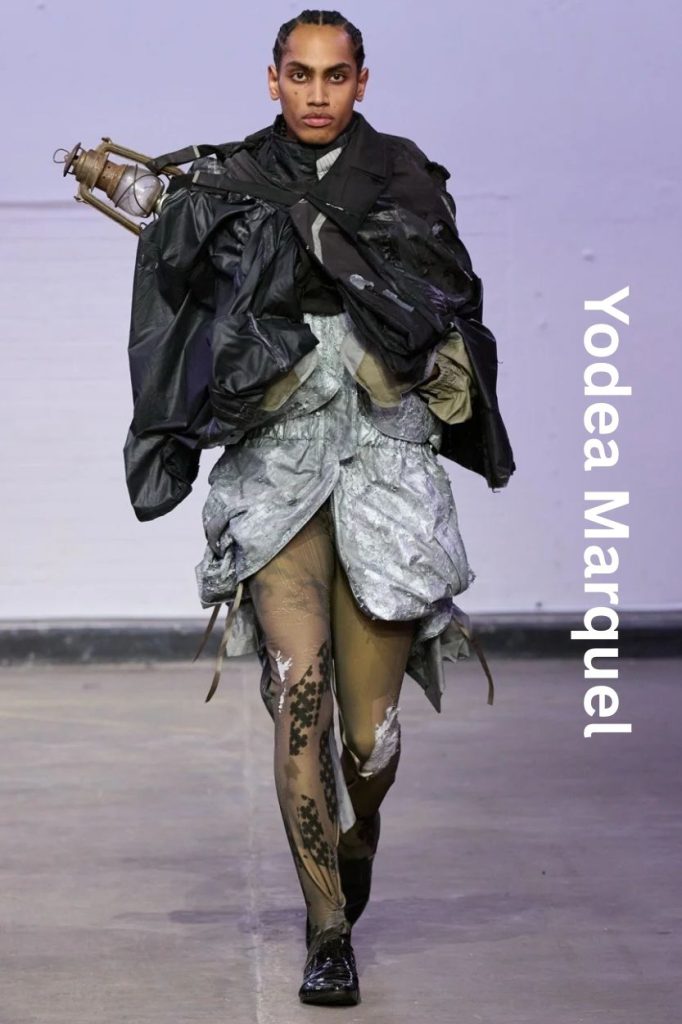
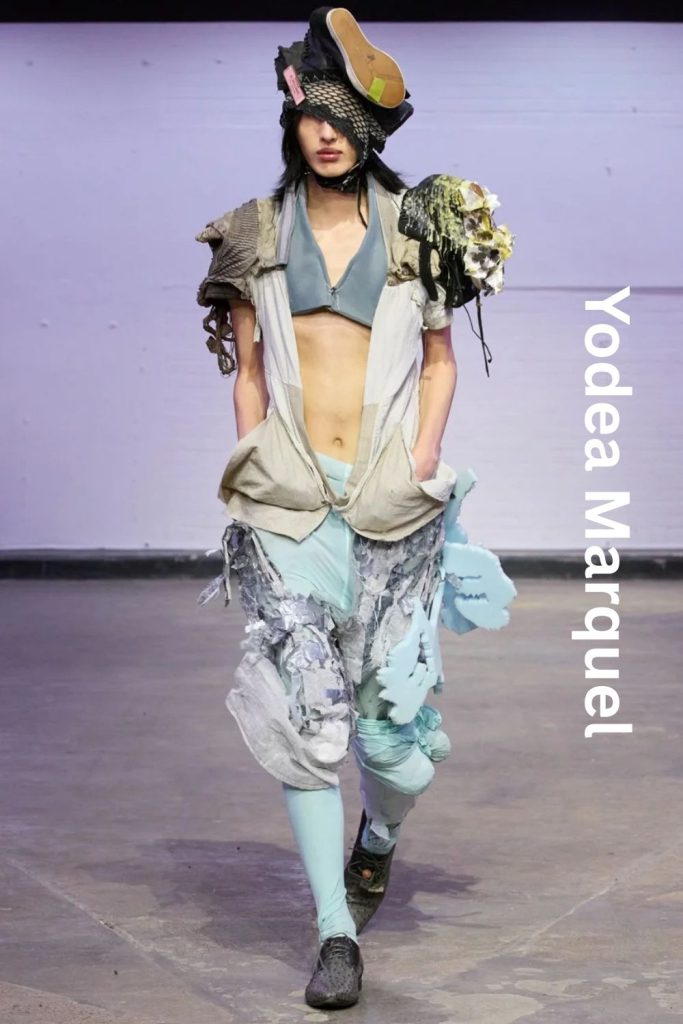
Yodea Marquel: The master of "VIP" parody, turning 17th-century purity into sculptural, space-claiming armour.
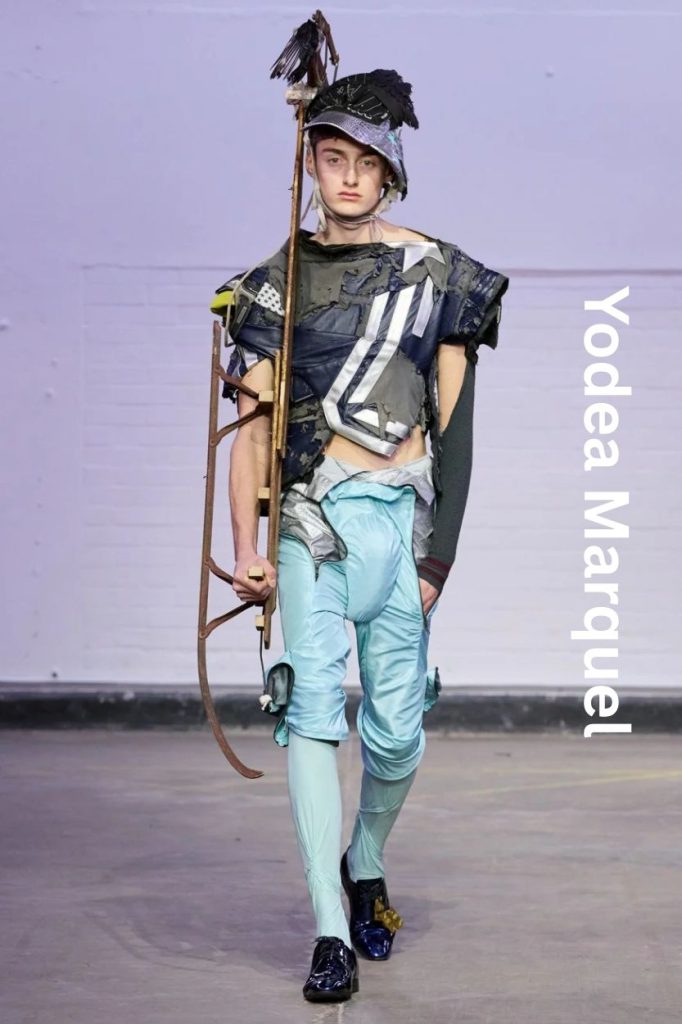
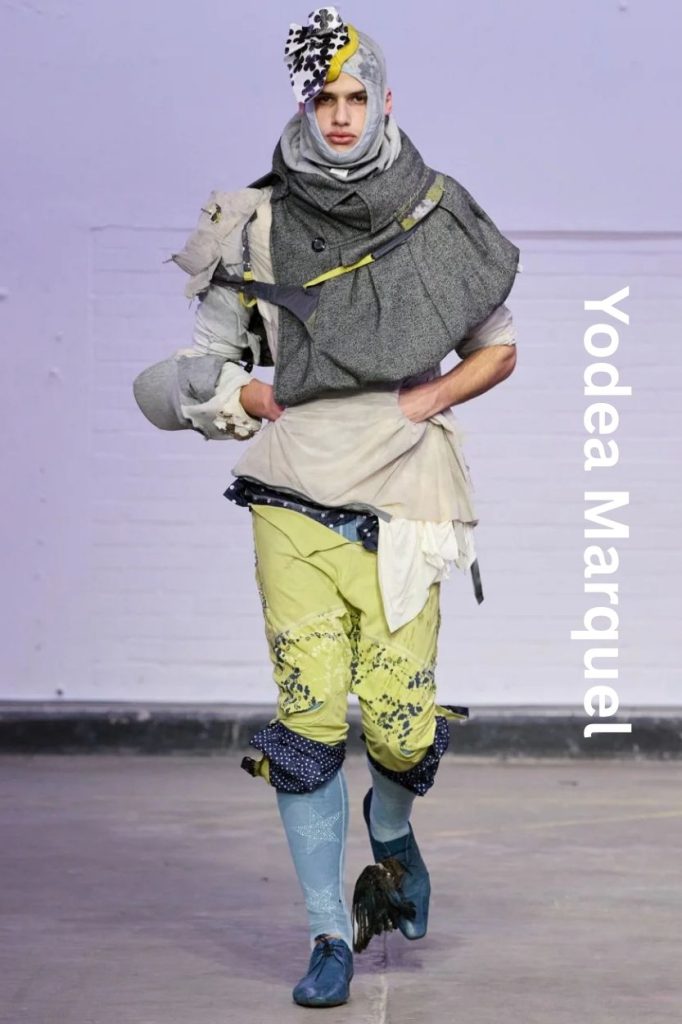
Yodea Marquel’s Central Saint Martins MA 2026 collection was a masterclass in using historical tension to critique modern ego. Exploring the intersection of 1600s purity culture and the contemporary "Very Important Person" obsession, Marquel presented a sculptural dialogue on how we occupy space in a performative world.
The silhouettes were the undeniable stars—exaggerated, distorted, and architectural. By pulling from 17th-century aesthetics, Marquel created "armour" that felt both protective and parodic. These garments utilized high-contrast textures and gravity-defying volumes to symbolize the weight of social expectation.
The inclusion of cheeky branding served as a "pressure valve," injecting humor into an intellectually heavy collection. Marquel successfully proved that fashion can be a rigorous exercise in history and sociology while remaining defiantly playful. This bold debut marked Marquel as a vital, subversive voice in the next generation of design.
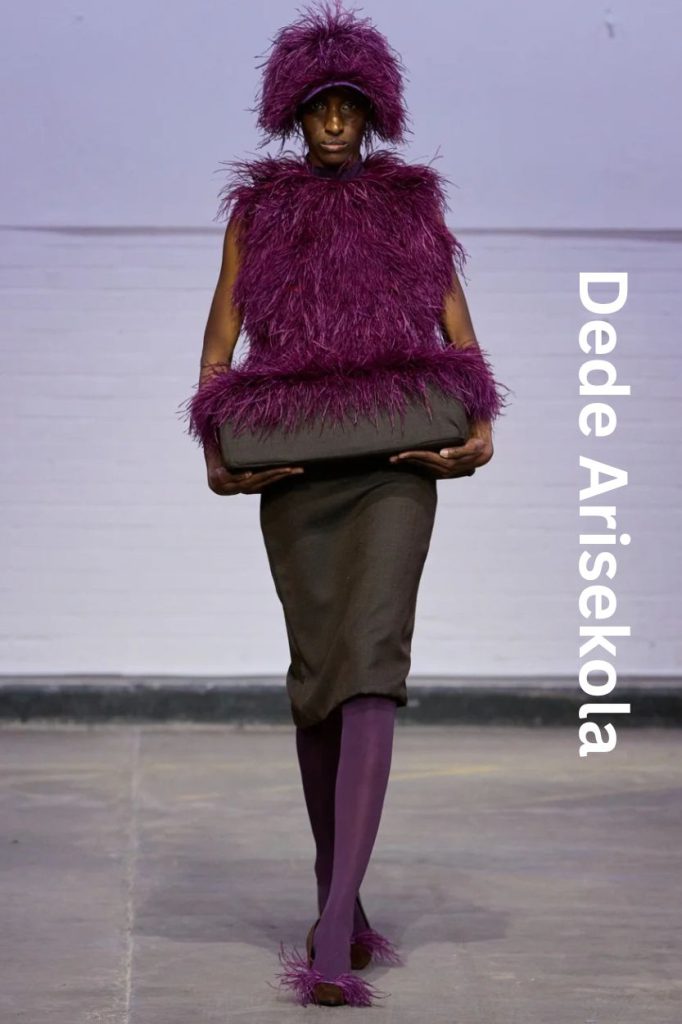
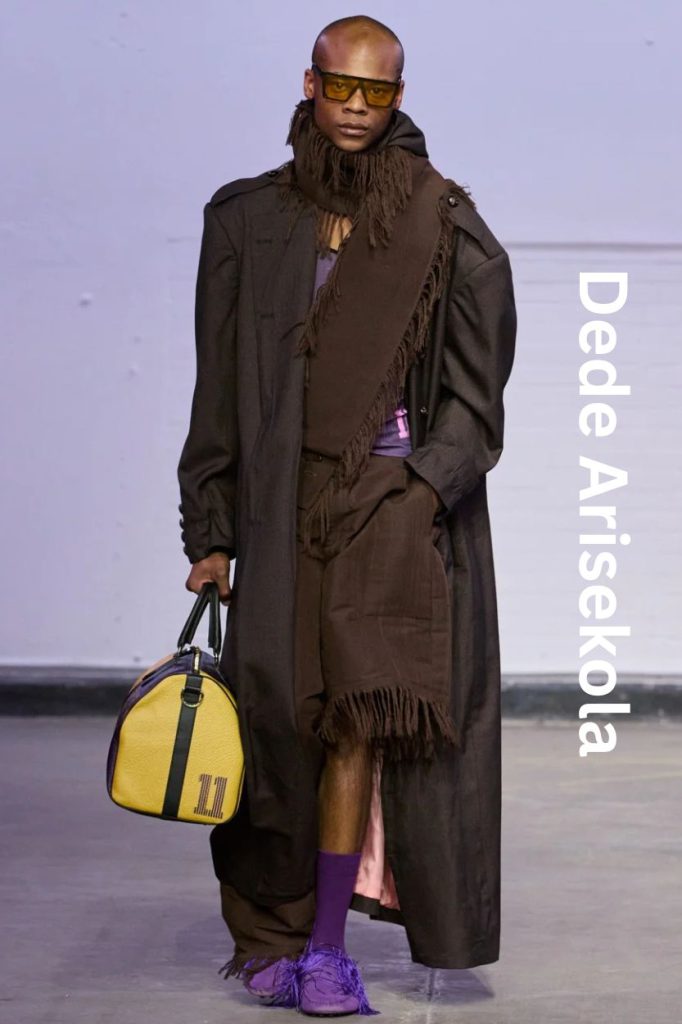
Dede Arisekola: A visionary of Afrofuturism, weaving Pan-African consciousness into the very fabric of modern intimacy.
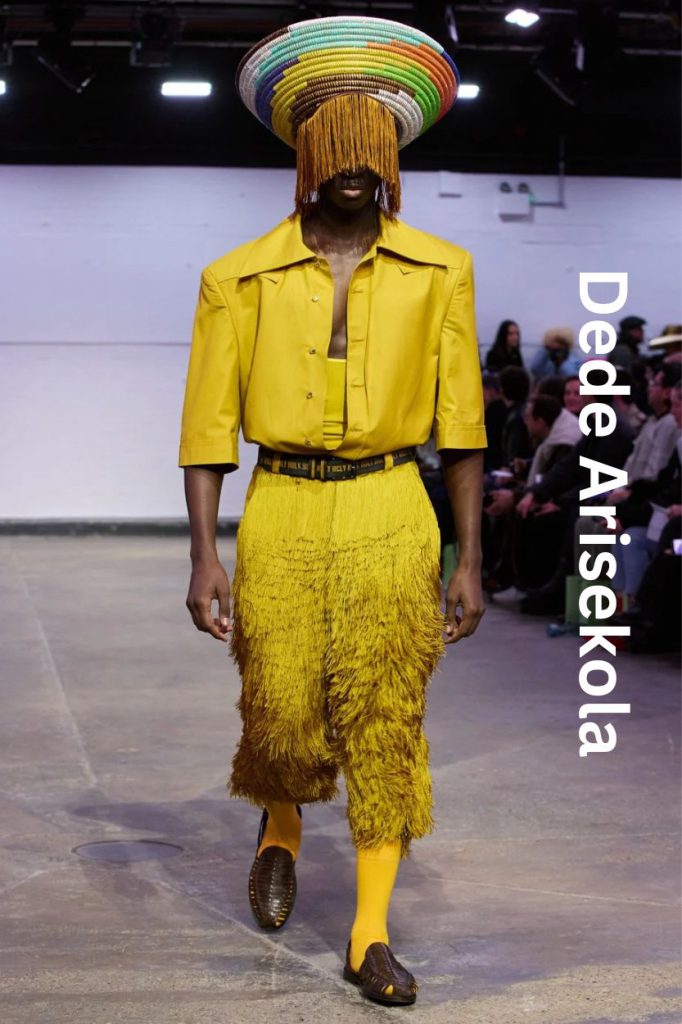
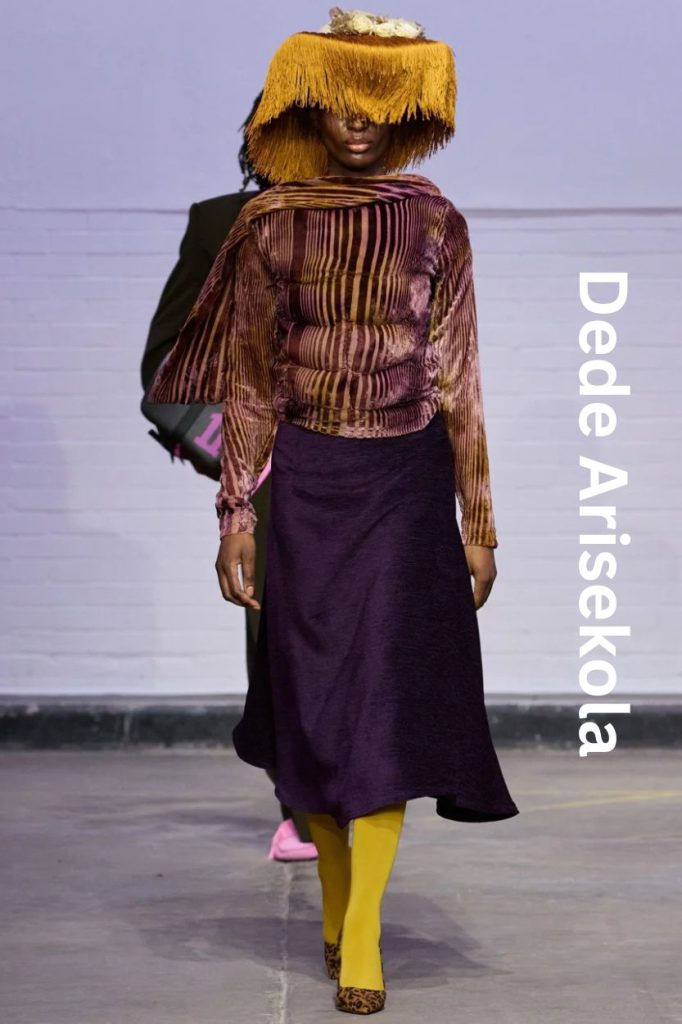
Dede Arisekola’s Central Saint Martins MA 2026 collection unfolds within a brilliant Afrofuturistic universe. The work examines romantic and emotional relationships through the lived experiences of African couples, with each look representing a distinct moment across past, present, and imagined futures. Hand-made textiles, sculptural silhouettes, and intricate headwear embody this emotional transformation.
Rooted in Pan-African consciousness, the collection frames love as both inherited history and speculative possibility. Arisekola’s silhouettes function as a bridge between tradition and the avant-garde, utilizing modernized drapery to tell stories of intimacy.
As she leaves education, Arisekola embraces fashion’s rapid evolution with confidence. Her work proves that authenticity and genuine creativity can still carve a unique space within an oversaturated industry. This debut marks her as a soulful, sophisticated visionary, ensuring that heritage remains a potent, forward-looking force in contemporary design.
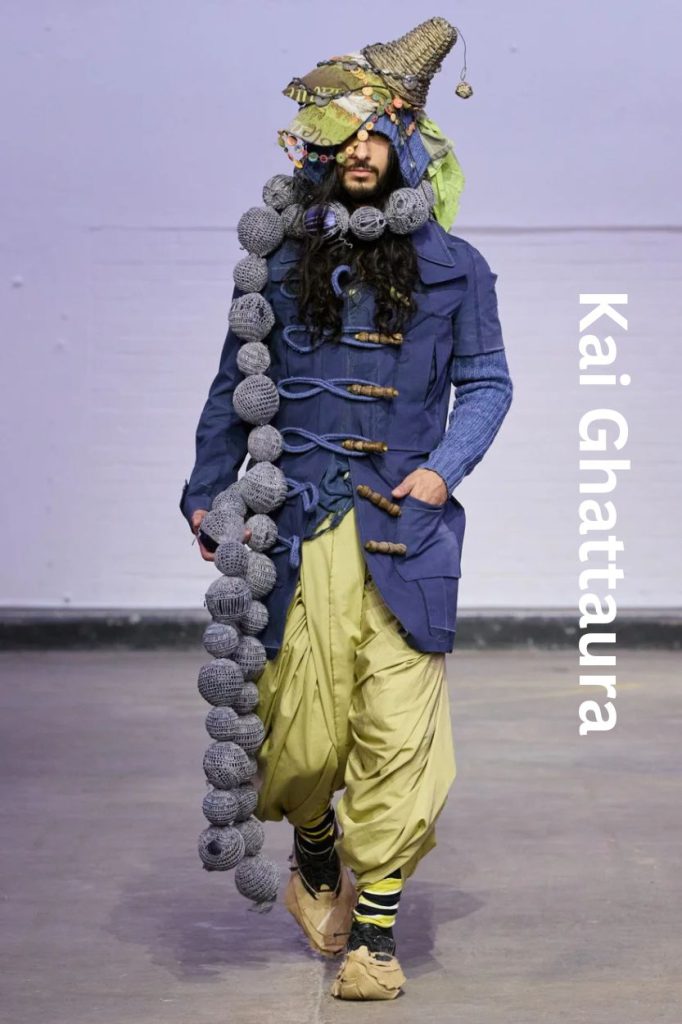
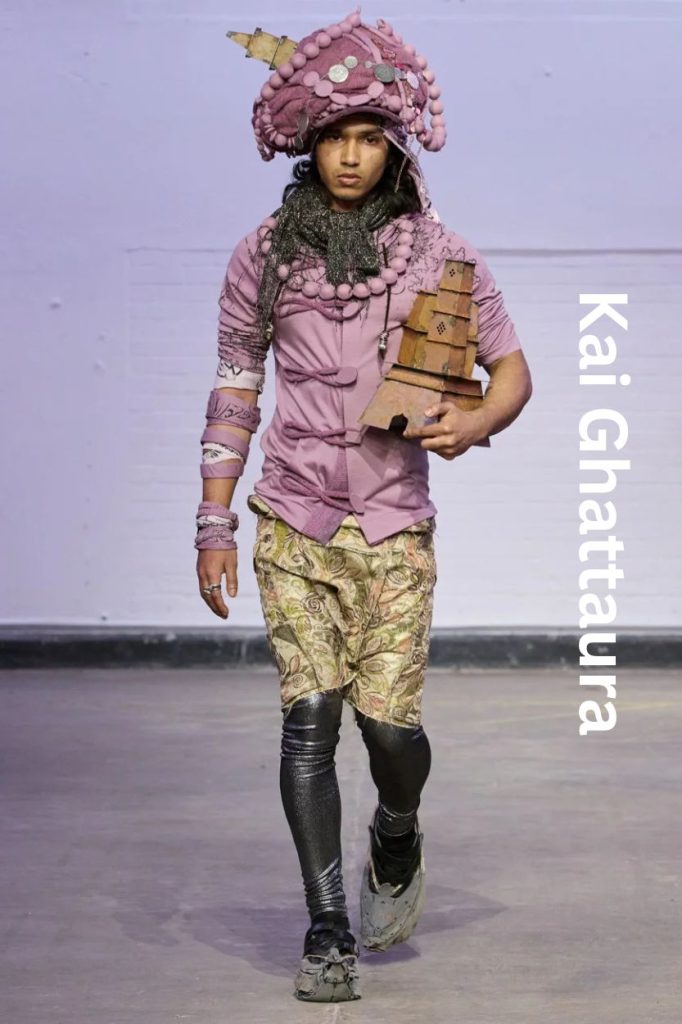
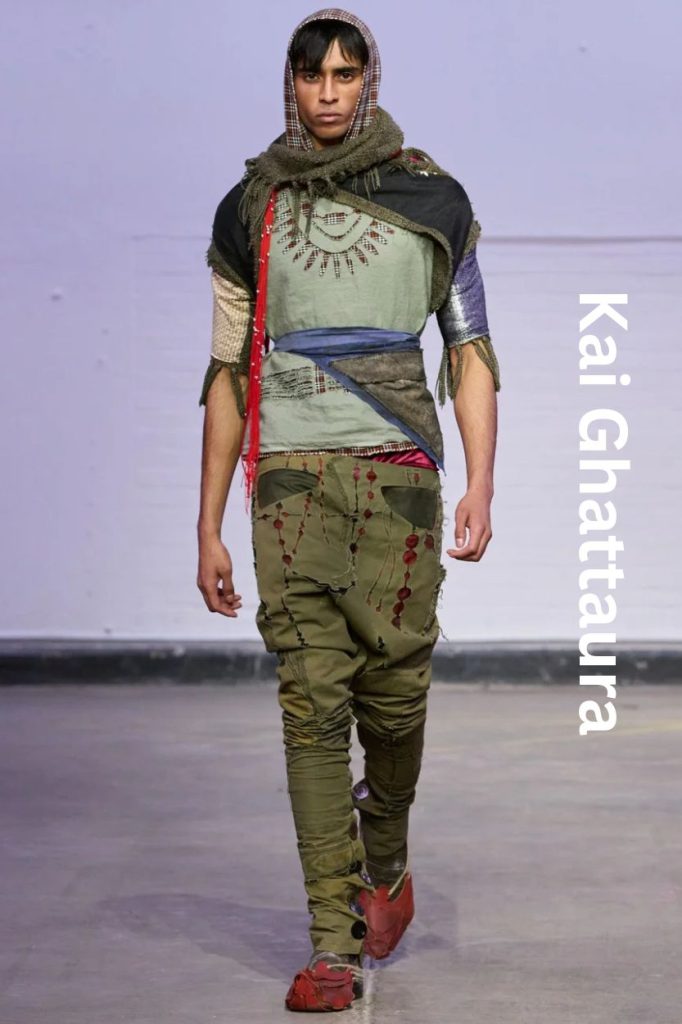
Kai Ghattaura: The king of "recontextualized ruins," transforming Nike Tech Fleece and TRAID rejects into a nomadic, post-colonial dream.
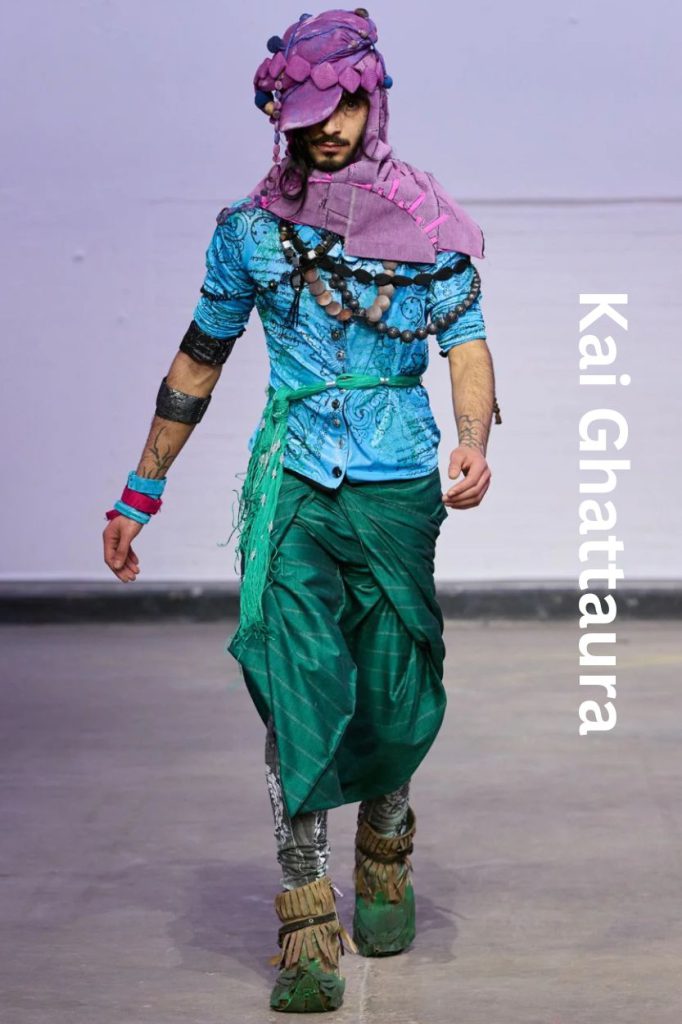
How does clothing transform when stripped of its original context and reborn in the hands of the displaced? Kai Ghattaura’s 2026 collection answers this by imagining a post-colonial India where nomadic communities reclaim the discarded relics of British consumerism—most notably the Nike Tech Fleece—and fuse them with ancestral adornment. This is a subversive act of cultural reclamation, blending his mixed heritage into a vision of "seminomadic" survival.
The collection rejects Western tailoring norms, reinterpreting the dhoti through engineered rectangular constructions that replace zips and flies with intuitive tying systems and antique buttons. Constructed almost entirely from unsellable rejects sourced through the charity TRAID, these silhouettes feel both ancient and futuristic. Ghattaura directly challenges the fatigue of the luxury market, arguing that fashion must move beyond mere aspiration to become something meaningful, visceral, and human again.
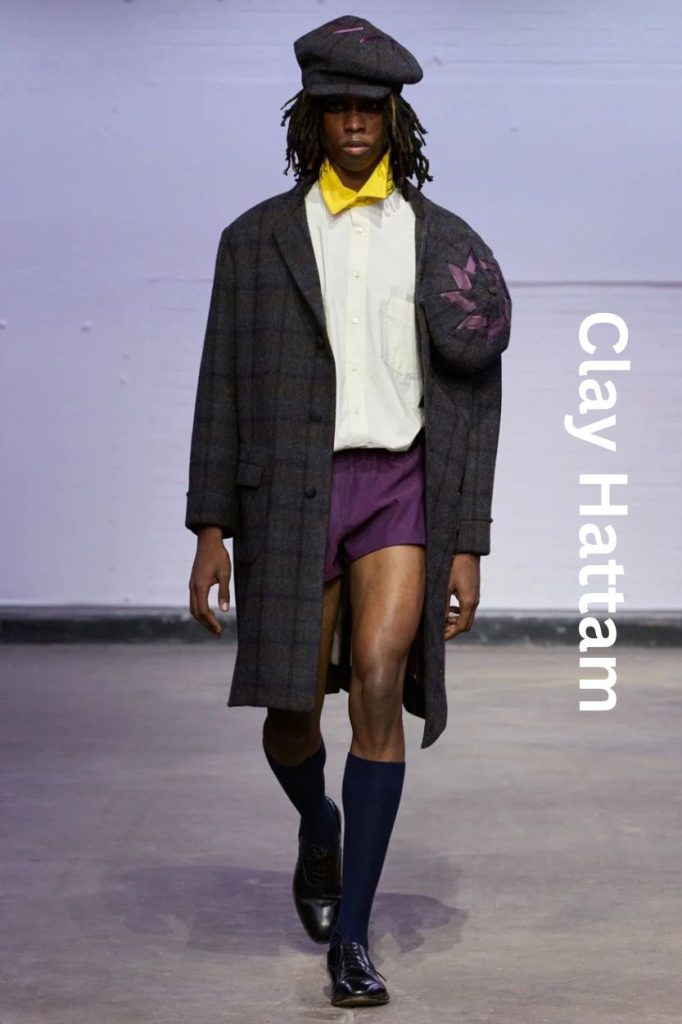
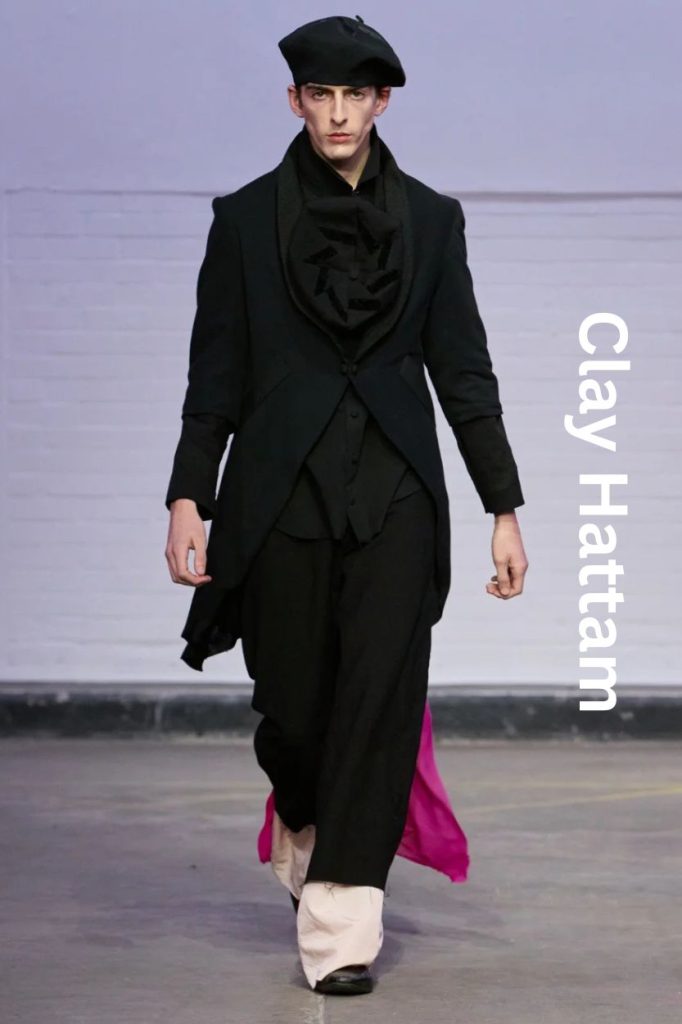
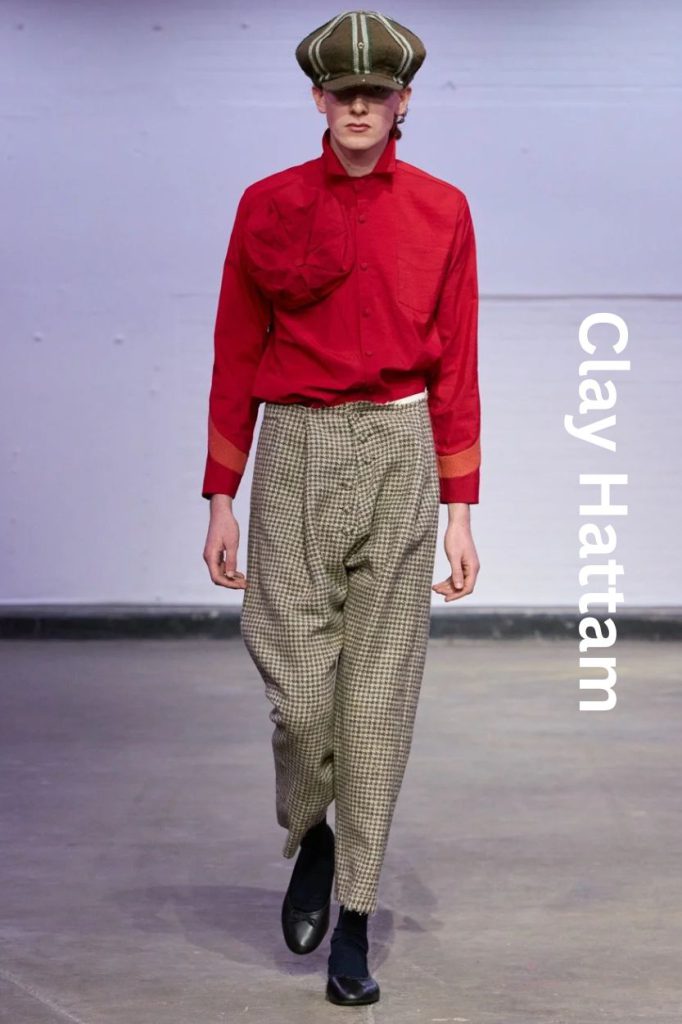
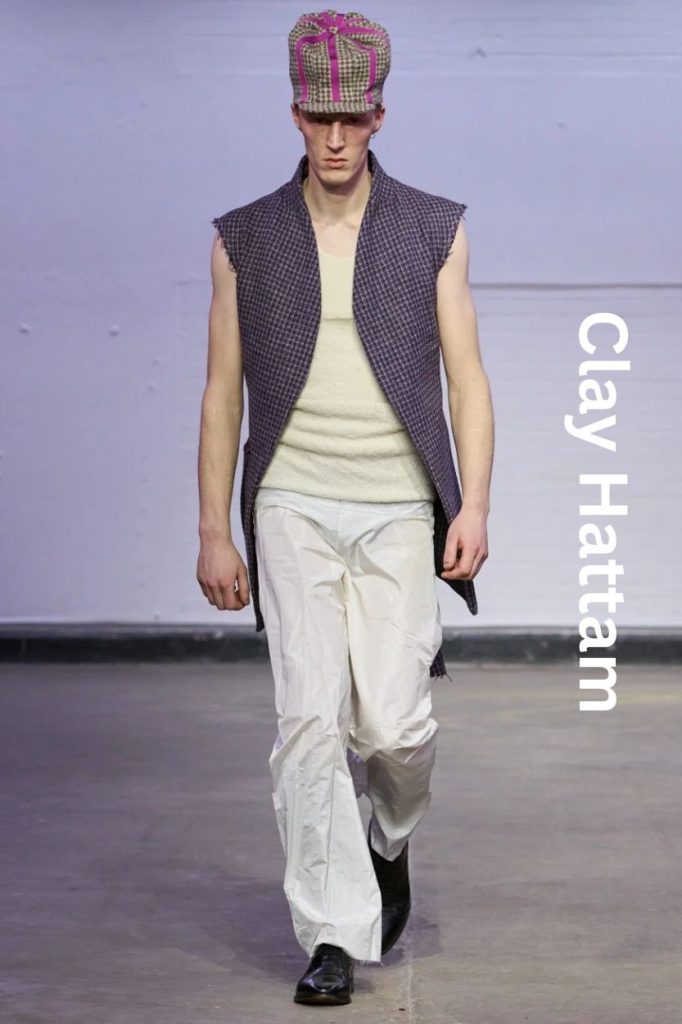
Clay Hattam: A surrealist provocateur, whose "Manhole Cover" collection turned municipal mundanity into a high-fashion shield.
Clay Hattam’s Central Saint Martins MA 2026 collection, "Manhole Cover," utilizes the municipal object as a poignant symbol of both passage and shield. His work preserves human "peccadilloes" within stodgy, heavy cloths, creating a tactile tension between the mundane and the protective. The collection’s awkward, evocative color palettes draw direct inspiration from the visceral works of Australian figurative painters Arthur Boyd and Sidney Nolan.
A standout conceptual element is the hat, which operates as a "McGuffin"—a hollow appendage to the coat, notably lacking a head to fill it. This surrealist touch challenges traditional notions of utility and presence. As Hattam transitions into the industry, he views it as a daunting yet compelling frontier. Eager to explore new possibilities, he remains a fierce advocate for creative freedom, seeking to challenge the status quo and drive meaningful change.