


The CCS graduation collections this year demonstrate a group of designers deeply grounded in personal reference points, ranging from family and place to subculture and mythology. Throughout these diverse bodies of work, the city in which they studied—Detroit—serves as a recurring protagonist. For Athan Hillman, Hayden Brice, Isabella “Izzy” Abohasira, Megan Hotchkiss, and Ryan Putnam, the city’s world-renowned cultural heritage and immense contributions to music, nightlife, and global culture provide a rich, gritty inspiration that permeates their textiles.
Of the garments themselves, there is a distinct, unwavering focus on the integrity of material and the complexity of process. Whether through the rigorous discipline of traditional leatherwork, the technical ingenuity of modular construction, or avant-garde textile experimentation, these five designers showcase a mastery of craft. They bridge the gap between heritage and the future, proving that Detroit’s creative engine is running faster than ever. As they transition from the studio to the industry, these individuals represent a new vanguard where storytelling and technical precision coexist.
The Detroit Factor: While their themes vary, ASBO notes that the city of Detroit serves as the recurring protagonist for all five, providing the "rich, gritty inspiration" that bridges the gap between old-world heritage and the future of the industry.
W: Zoe Harrison

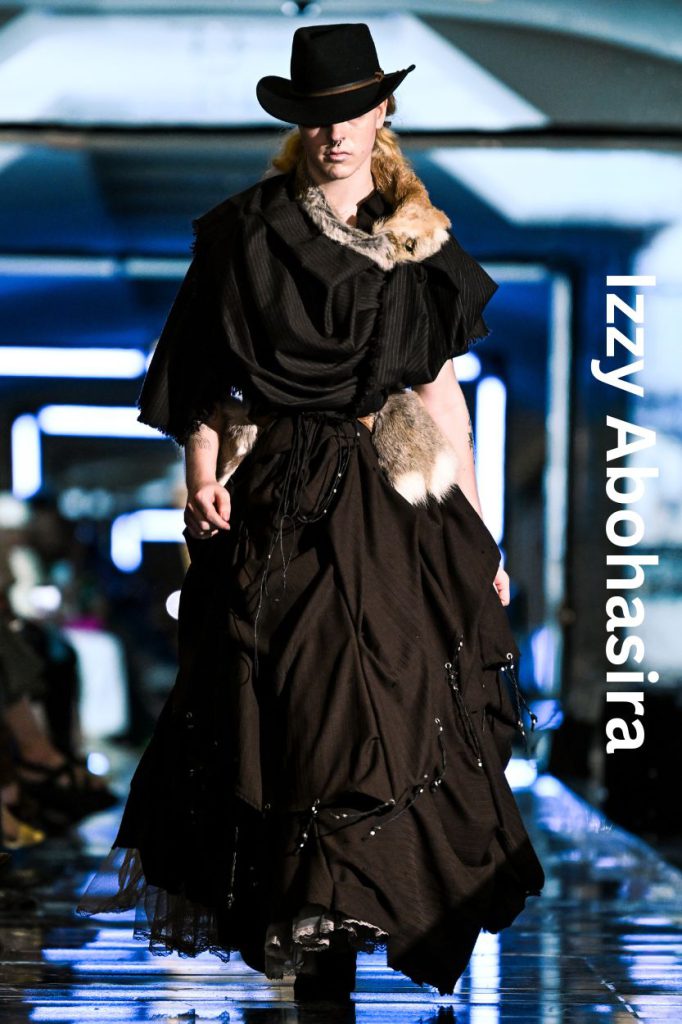

ISSY ABOHASIRA: NO COUNTRY FOR MEN: RECLAIMING THE FRONTIER
Isabella Abohasira’s work is deeply rooted in narrative-driven world-building, using fashion as a vehicle to reframe historical and cultural archetypes through a contemporary lens. Her collection, No Country For Men, draws on Western cinema to imagine the frontier as a space reclaimed by women. Set in the late 1800s, it follows a posse of outlaw women forging autonomy on their own terms. Silhouettes reference saddlery, traditional menswear, drapery, and late Victorian dress. Materials remain grounded in the period—wools, denim, fur-on cowhide, embossed and vegetable-tanned leathers, alongside rabbit and reindeer fur—whilst the construction introduces a more contemporary edge. As she enters the industry, Abohasira is both critical and cautiously optimistic. She points to the persistent male dominance underpinning fashion’s canon, despite its outward focus on womenswear, as a structural imbalance that continues to shape opportunity. At the same time, she perceives a broader shift toward healthier, less toxic working environments, hoping to contribute to a future that prioritises genuine equity and creative integrity.
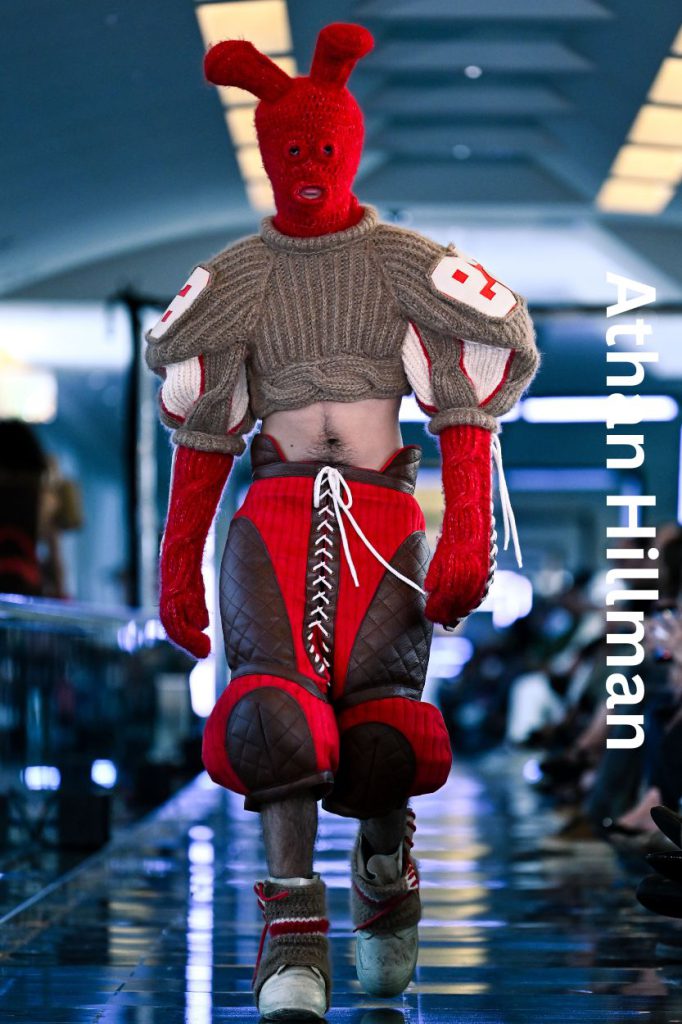
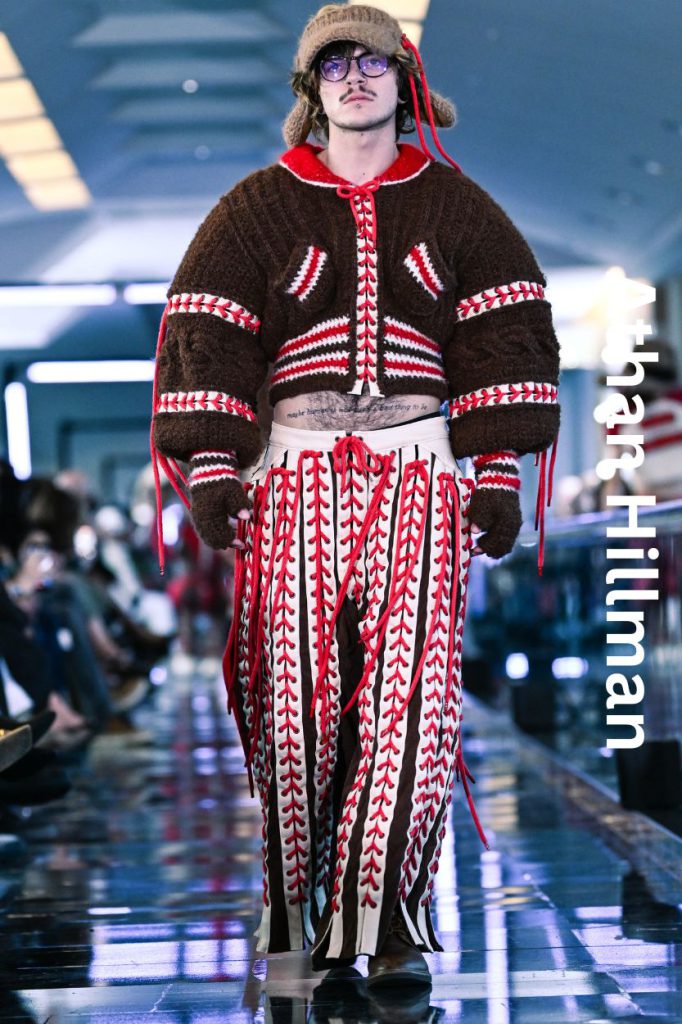
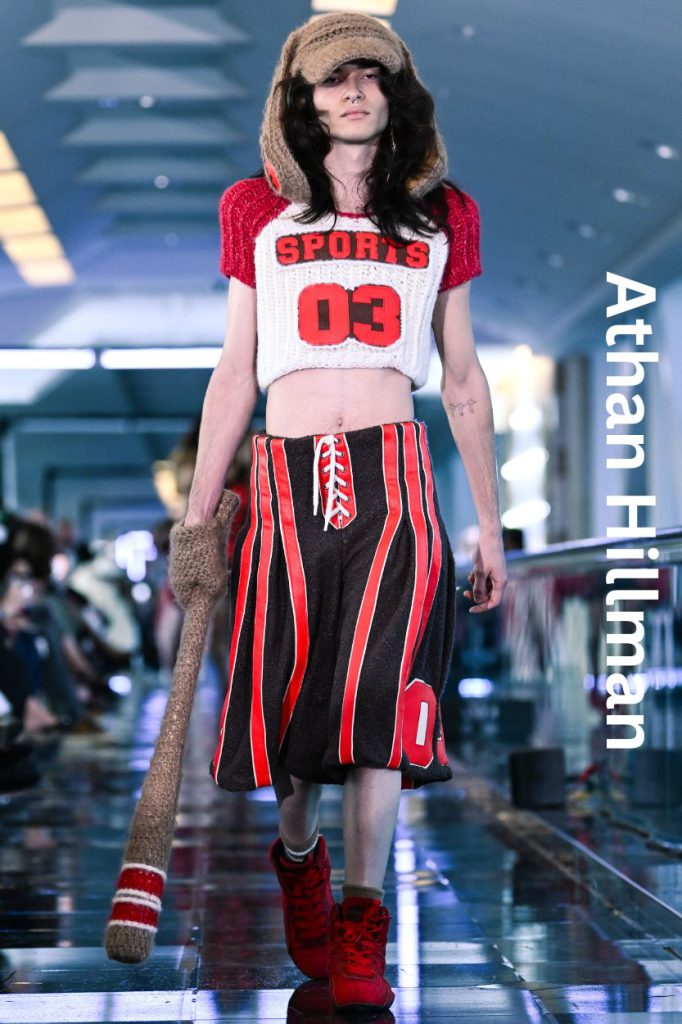
ATHANS HILLMAN: Bromosexual: A Distortion of the Archetype
Athans Hillman’s Bromosexual exists in the friction between queerness and traditional masculinity. Born from the feeling of "failing" to perform masculinity correctly, the collection weaponizes the visual language of vintage American sportswear. By redirecting the judgmental gaze, Hillman forces the hypermasculine ideal to answer for the exclusion it creates. Through a clash of hand-crochet and rugged leather, the collection explores the duality of pride and shame. Here, silhouettes are warped by corsetry and exaggerated padding, distorting the masculine form until the inherent discomfort of the queer experience becomes a universal reckoning.
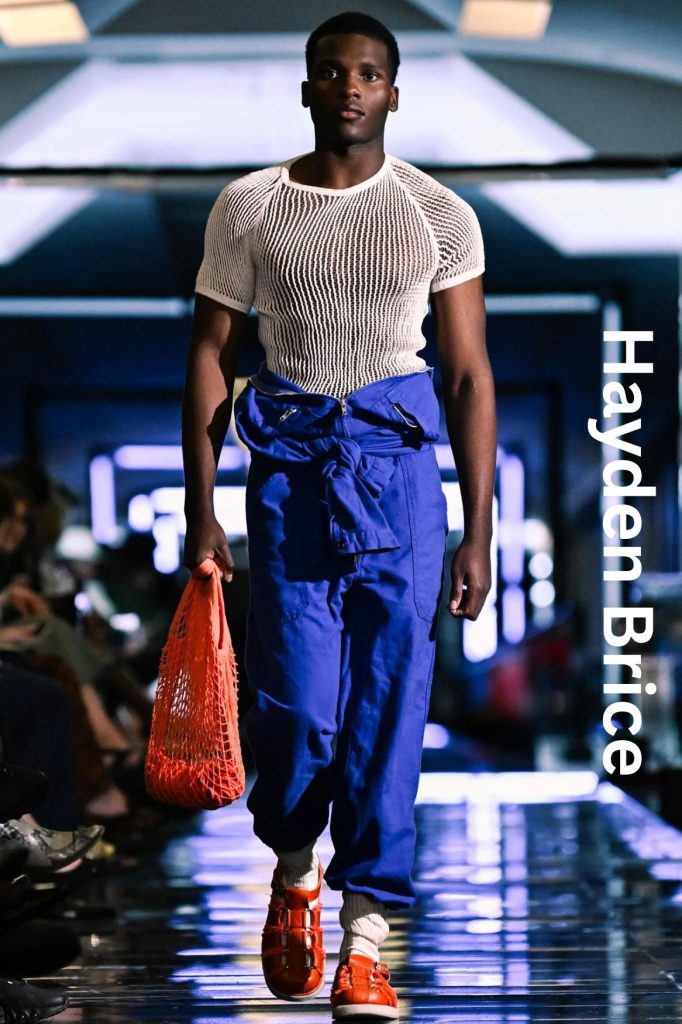
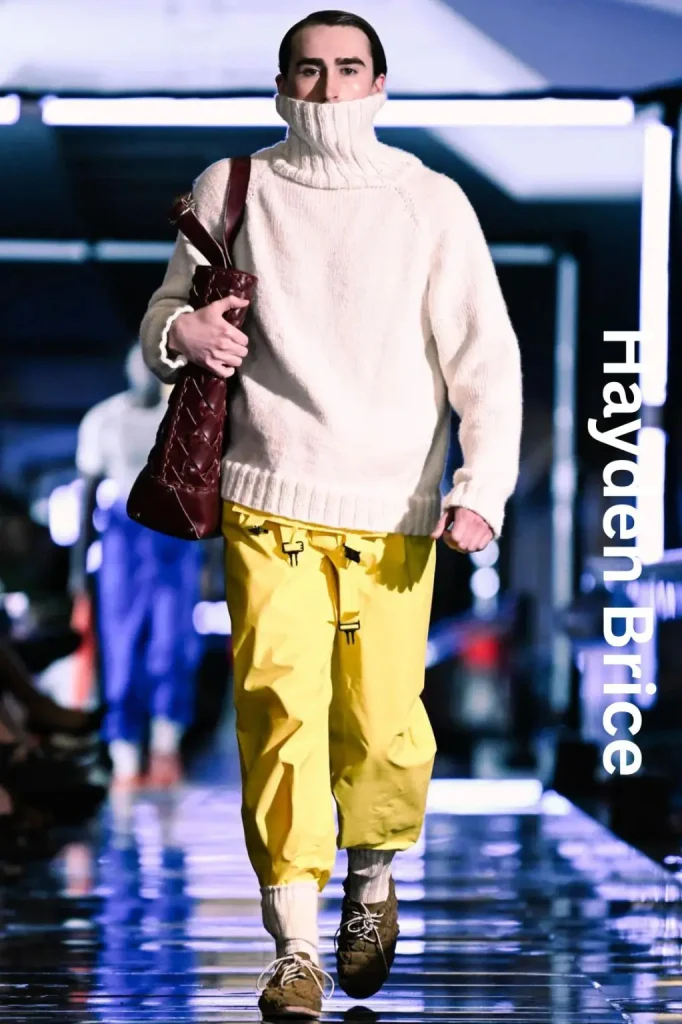

HAYDEN BRICE: HARBORLANDS: NAVIGATING HERITAGE FROM CANAL TO COAST
Harborlands, a men’s ready-to-wear accessories collection by Hayden Brice, exists in the space between London’s canal boat culture and the rugged landscapes of Northern Michigan. By drawing on nautical details and classic American heritage silhouettes, the work reflects a waterside lifestyle defined by utility and traditional craftsmanship. The collection focuses on translating familiar forms through specific materials and textures that bridge these two distinct environments. As he enters the industry as a leather goods design apprentice, Brice is curious about the impending shift in his creative process. Having managed every singular stage of development during his university studies, he is now considering how a more defined, professional role will shape his input. He is particularly interested in exploring the boundary where his personal design vision ends and where the collaborative manufacturing process begins within a larger, industrial system. This transition marks a pivotal evolution from solo artisan to a disciplined contributor within the broader world of high-end accessories and heritage-driven design.
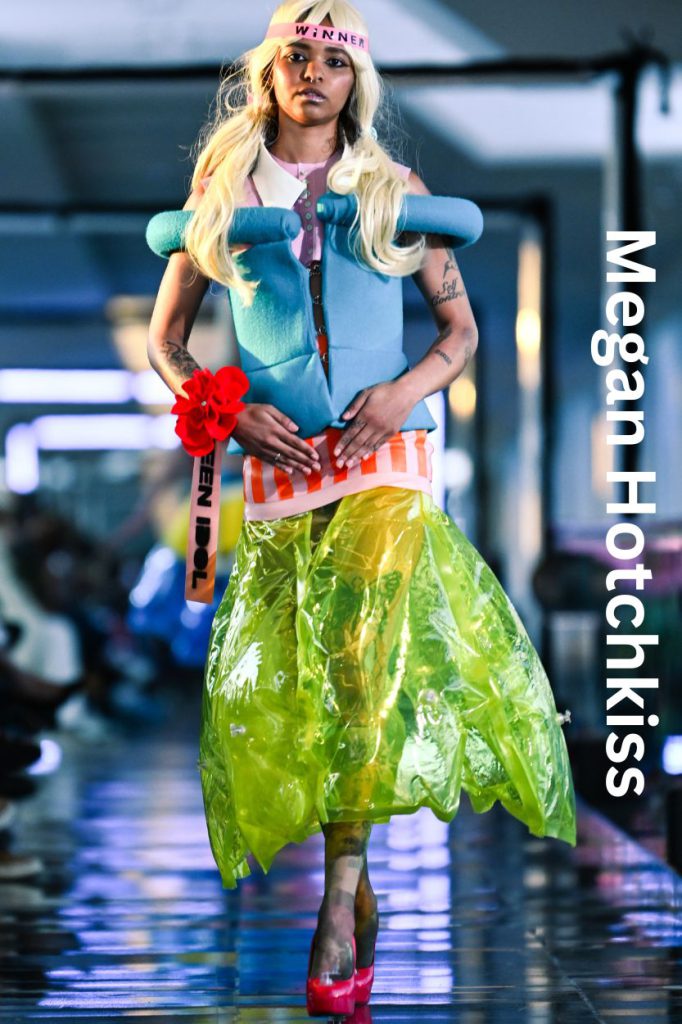
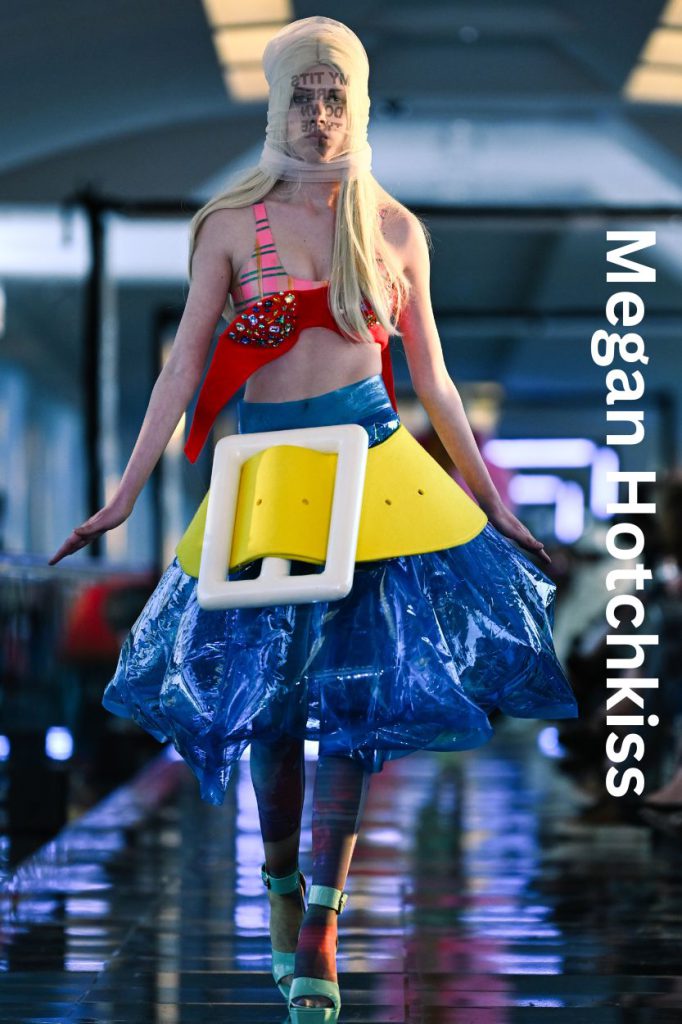
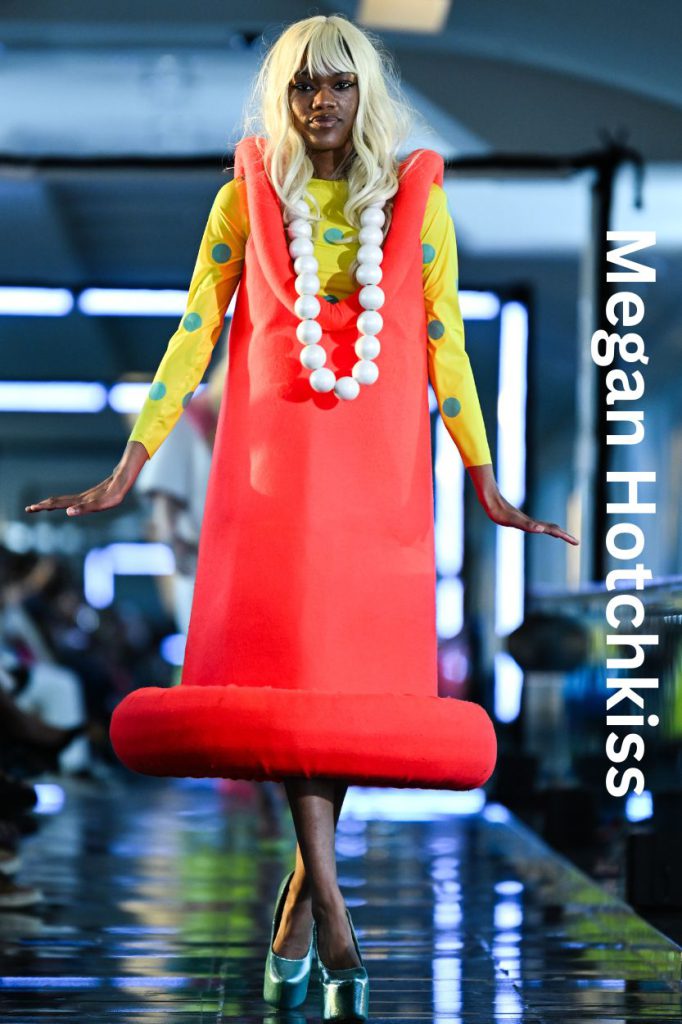
MEGAN HOTCHKISS: YOU LET THE BLEACH GO TO YOUR HEAD
Megan Hotchkiss’s graduate collection is a visceral critique of the American "girlhood-to-womanhood" pipeline. It dissects a system that prioritizes plasticity over personhood and preaches a gospel of unachievable perfection. Using Prom as its primary lens—the ultimate, cutthroat ritual of teenage competition—the collection explores the hollow victory of the plastic crown and the false promise of a kingdom that doesn't exist. Through a jarring mix of fragile, inflatable PVC and distorted felt structures, Hotchkiss explores the tension between exaggerated "truths" and the delicate, manufactured facade of the idealized American girl.
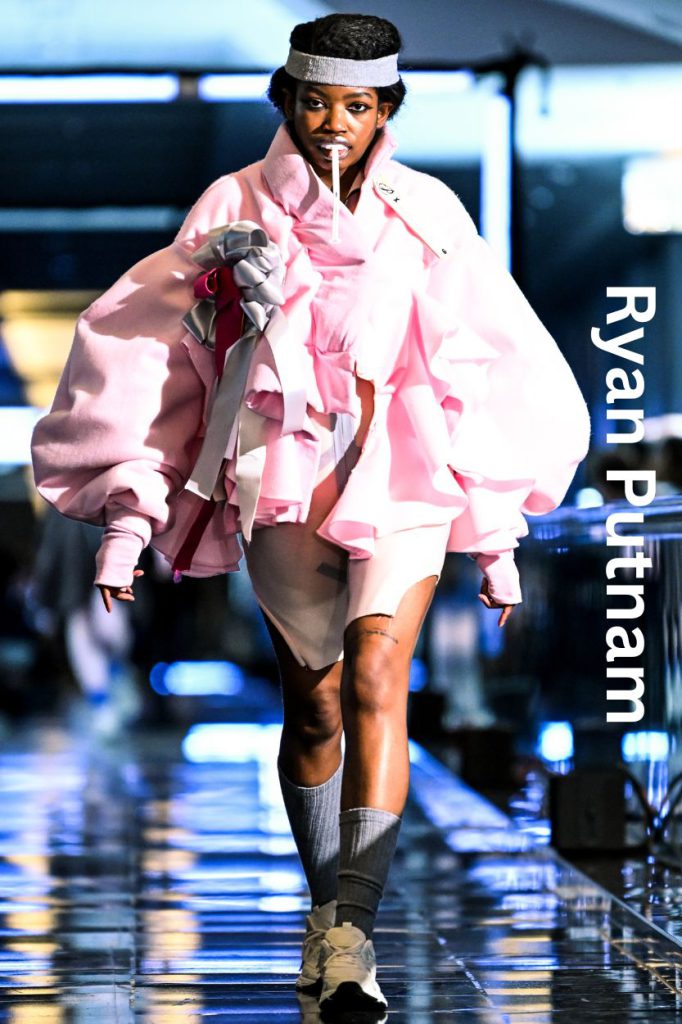
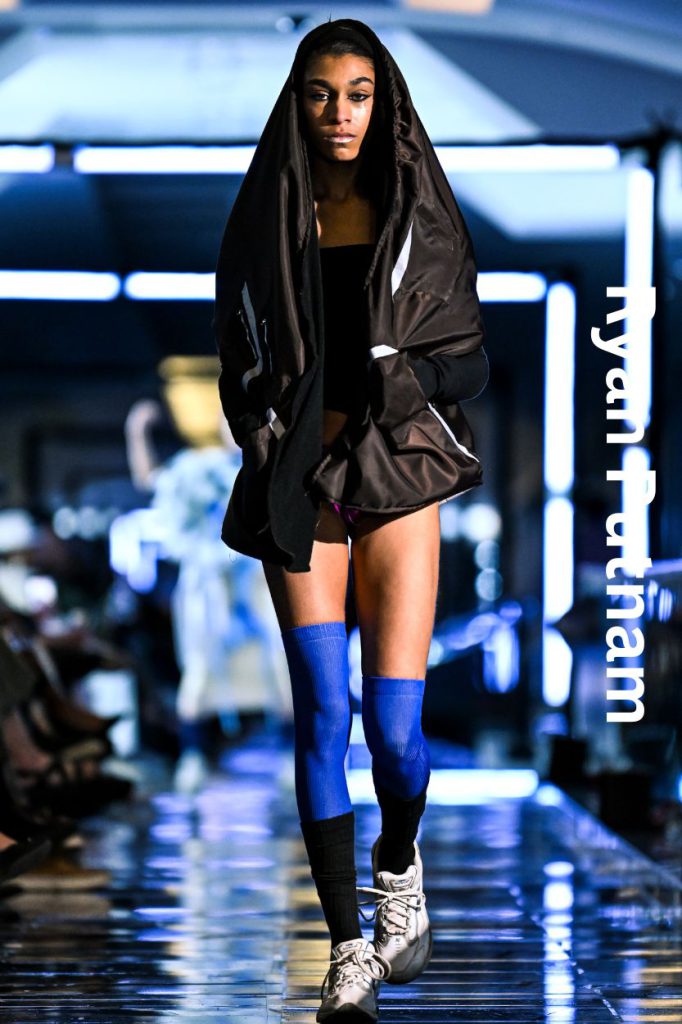
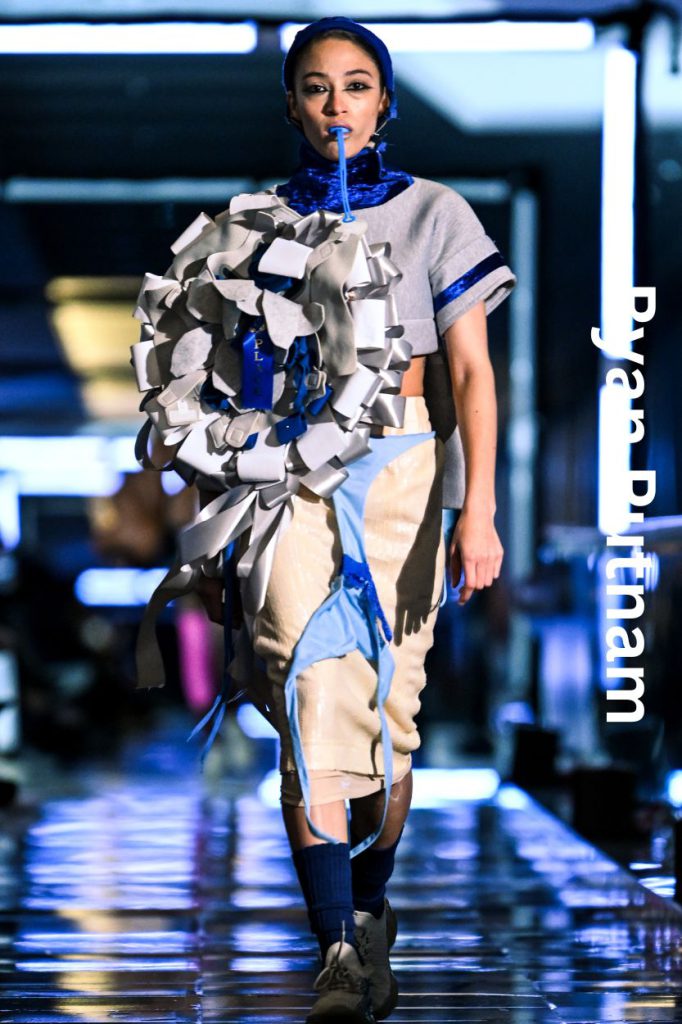
RYAN PUTNAM: ROUND 2: WHERE ATHLETICISM MEETS INTIMACY
The practice of Ryan Putnam—working under the brand name PTMN—sits at the intersection of identity, image, and cultural reference, translating personal and regional influences into a contemporary fashion language. Their graduate collection, Round 2, explores the provocative crossover between sex and sport. Drawing on a diverse range of icons, from Pamela Anderson’s tenure in Baywatch to Princess Diana’s off-duty leisurewear, the work expertly combines unconventional sportswear codes with delicate lingerie materials. As they enter the industry, Putnam expresses both ambition and concern. They cite labels such as Carhartt, Eckhaus Latta, Marc Jacobs, Lacoste, and Sacai as key inspirations, particularly regarding silhouette, colour, and construction. However, they remain wary of the barriers facing emerging designers, especially the hyper-competitive job market and the reliance on unpaid internships. Putnam believes these hurdles limit access for those unable to relocate or work without pay. Despite these challenges, they remain committed to contributing to the industry, emphasising the vital importance of new perspectives in sustaining its long-term evolution.