

Forget commercial compromise. At Florence's Manifattura Campus, the Polimoda 2026 graduate showcase—steered by the razor-sharp creative vision of Jil Sander’s Luke and Lucie Meier—proved that the next generation isn't here to tweak the classic wardrobe. They are here to completely dismantle it.
Ditching rigid gender codes in favour of raw subversion, historical rebellion, and pure emotional gravity, these six standout designers delivered the ultimate blueprint for the future of menswear.
The Polimoda Class of 2026 has made one thing entirely clear: the future of menswear belongs to the subversive. Through history, heritage, and uncompromising honesty, these six designers are rewriting what it means to dress like a man.
W: Max-Pierre Pearson I: Polimoda Institute
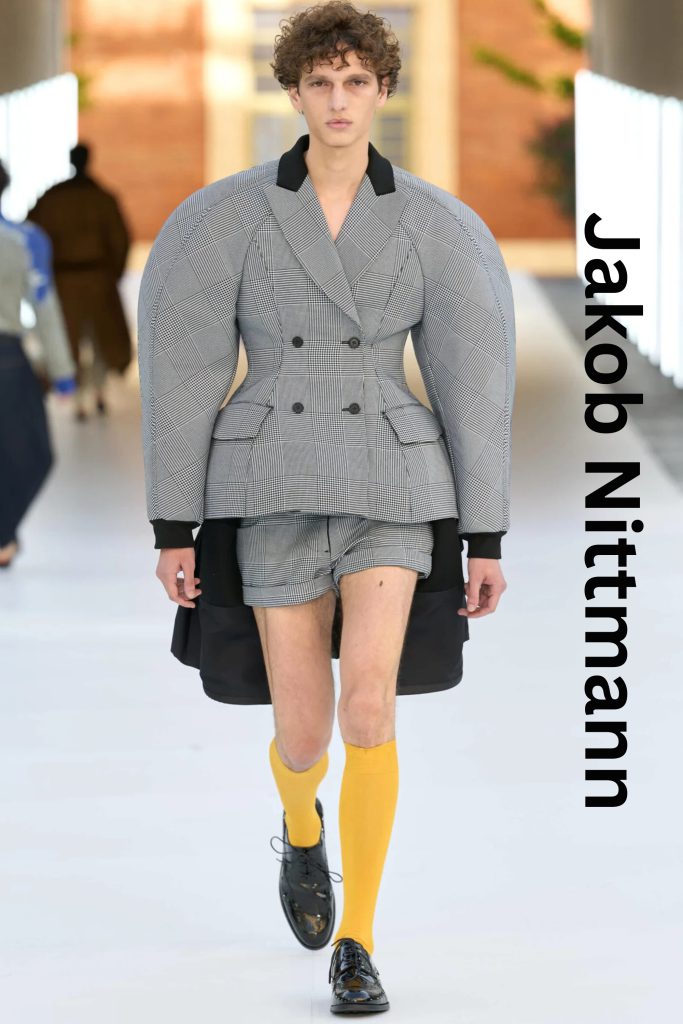
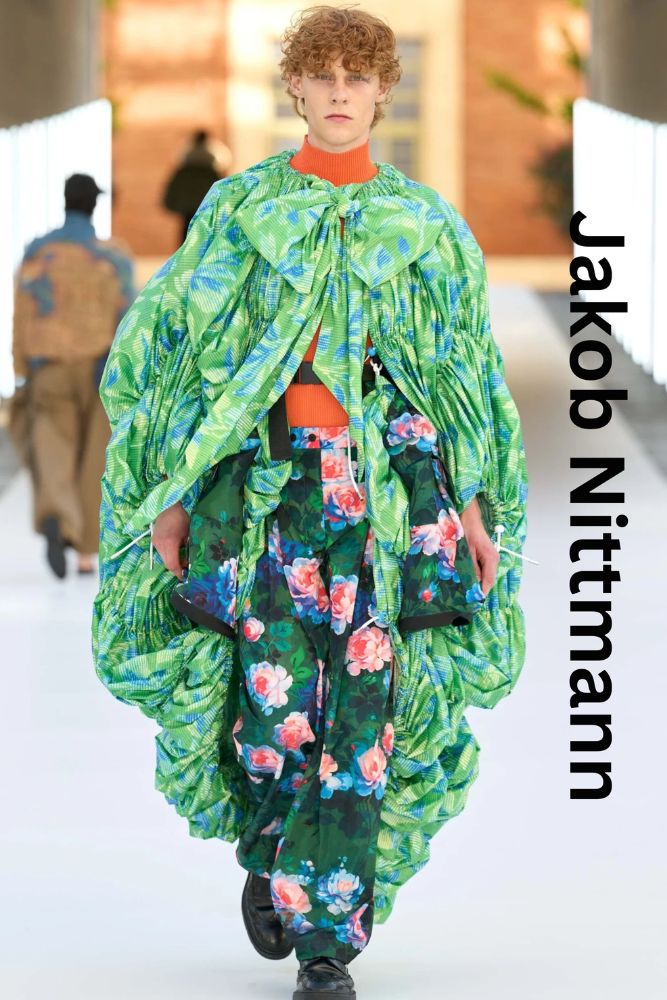
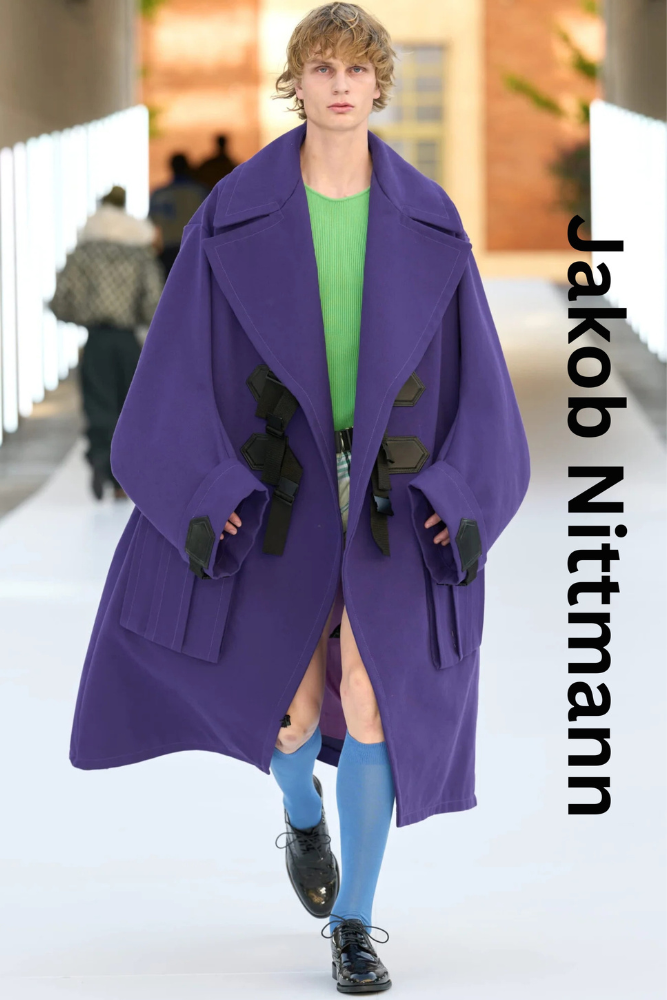
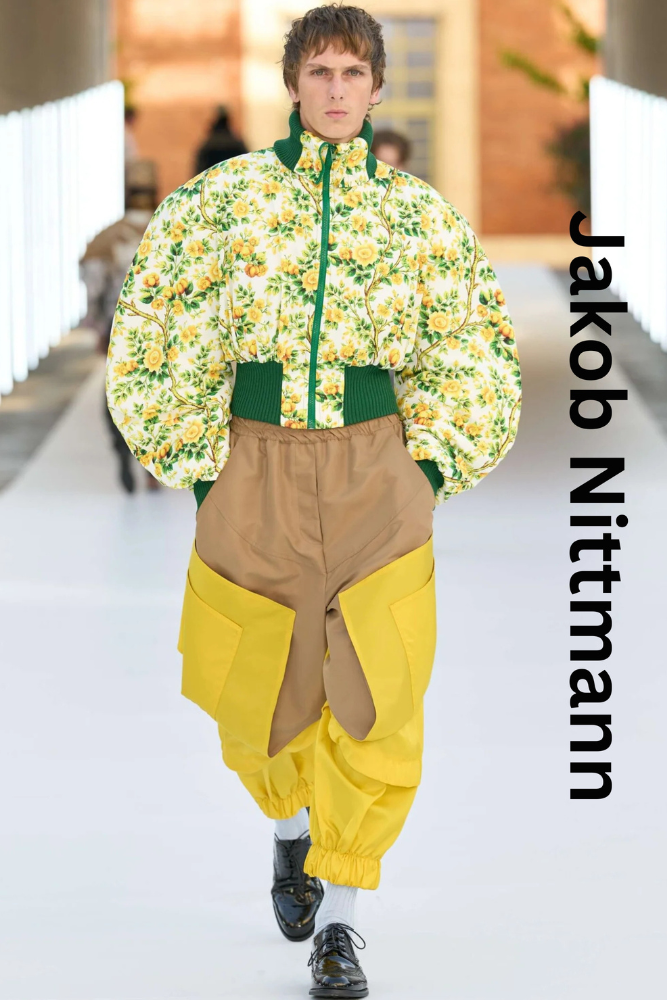
Unlearning Neutral is a loud, middle-finger salute to the boring, muted codes of modern menswear. Instead of blending into the background, designer Jakob Nittmann is throwing it back to the 18th century—a time when men’s fashion wasn't afraid of a little main-character energy. Before bourgeois restraint stripped guys of their color confidence, the nobility used vibrant palettes as a massive, deliberate flex. Nittmann is reclaiming that visual literacy and dropping it straight into the modern underground, using three distinct silhouettes ripped directly from historical coat patterns.
But don't expect a period drama. Nittmann completely disrupts the archive by injecting aggressive, modern subcultural staples like tactical nylon, heavy mesh, industrial buckles, and heavy-duty backpack strapping. Upcycled vintage garments are completely reimagined and loaded with intricate embroidery, bringing pure craft into the mix without turning the past into cheap nostalgia.
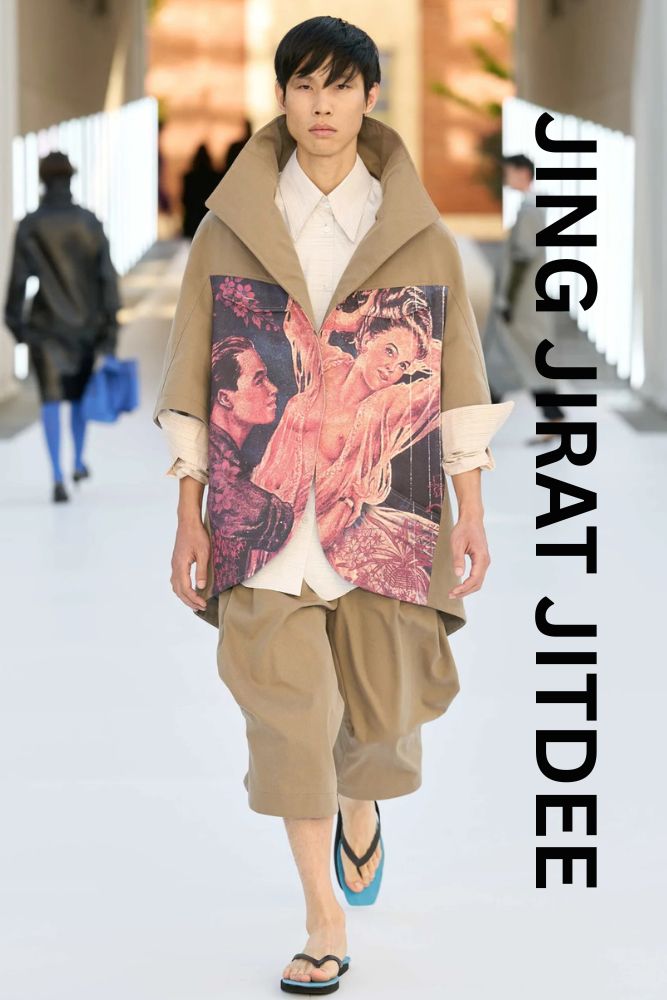
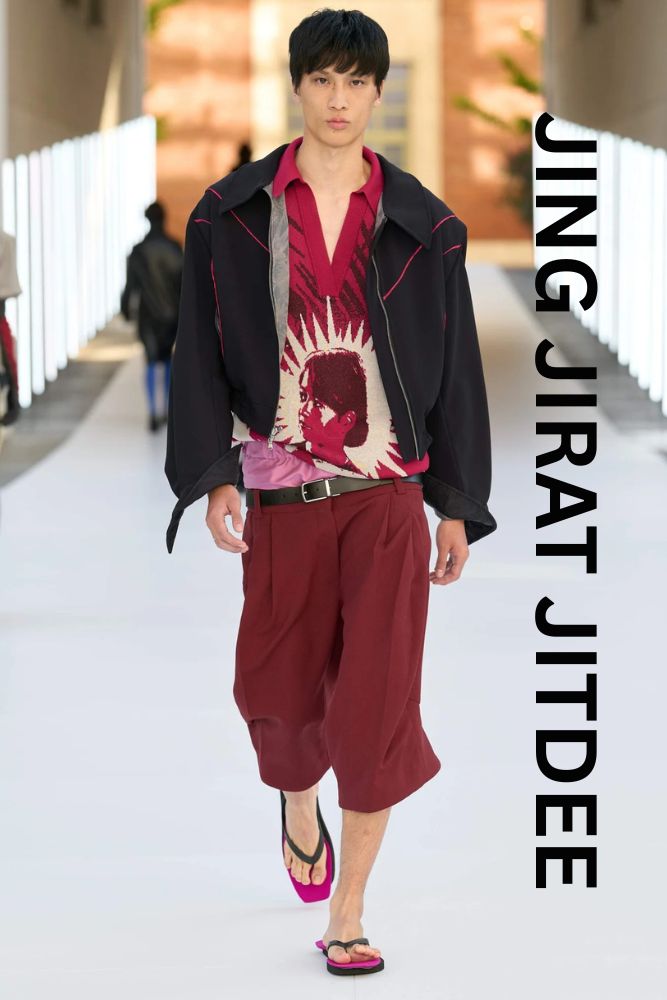
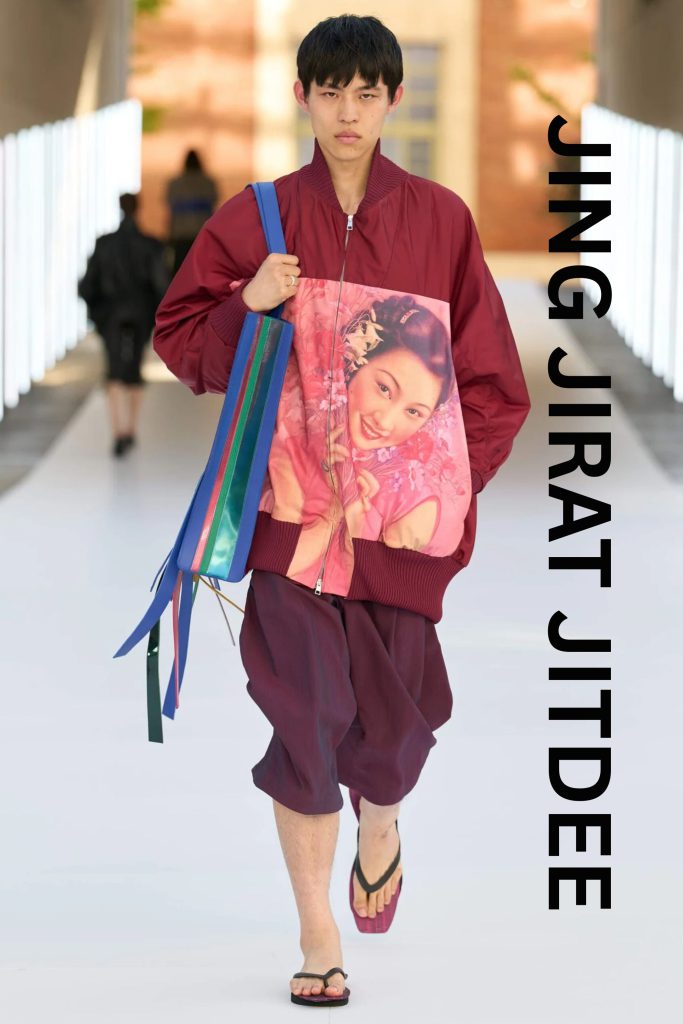
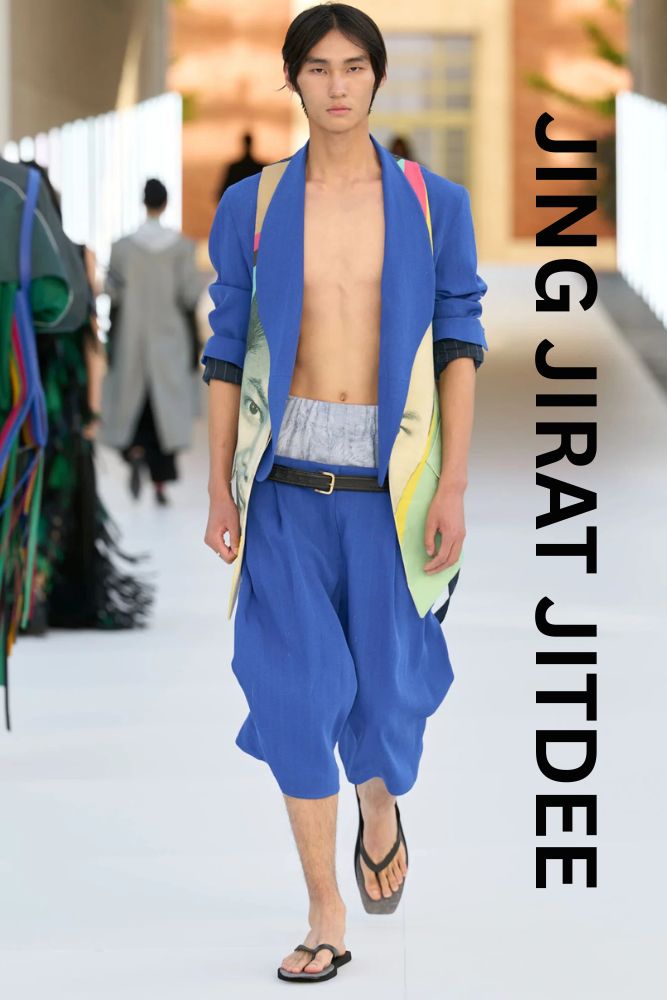
Jing Jirat Jitdee’s new collection follows a group of small-town boys leaving the countryside for Bangkok, chasing big-city dreams with an unapologetic sense of style heavily shaped by the nostalgic pop culture they grew up watching. Their unique idea of what looks cool is proudly out of sync with the fast-paced metropolis around them. Bangkok may have moved on to sleek modernity, but these boys arrive confidently dressed for another era entirely, standing out in their own beautifully strange, defiant way. The garments bring this cinematic narrative to life through striking, physical details. Vintage artworks are meticulously engineered into custom prints, and iconic vintage posters are completely transformed into rich jacquard knitwear. Structured selvedge pattern cutting sits boldly alongside a brilliant mix of heavily constructed and relaxed, unconstructed tailoring, blending raw heritage with a vivid, romanticized underground energy.
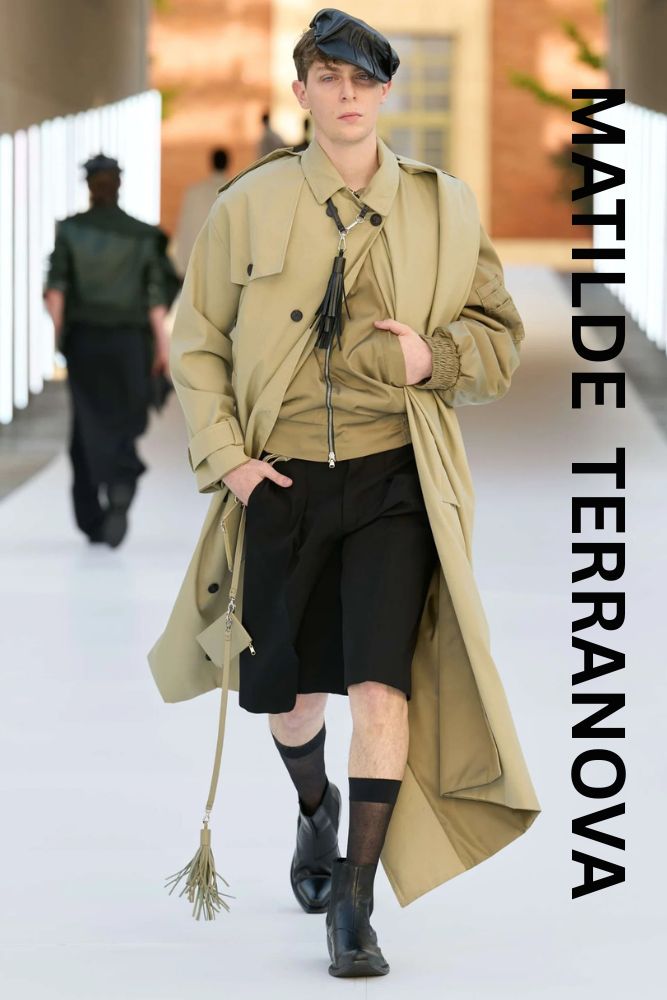
Boys growing up in slow, empty places sit at the absolute centre of Matilde Terranova’s narrative collection. Powerfully inspired by the gritty cult classic film The Warriors (1979), the raw work looks closely at how youthful identity is actively built through shared aesthetics, belonging, and defiant attitude, and how childhood play or imitation can gradually transform into sharp self-awareness. Elements of traditional workwear, contemporary streetwear, structured uniforms, and sharp tailoring are seamlessly fused together: rugged bombers meet classic trench coats, shirts are cleverly integrated directly into jackets, and denim is brought into an intimate conversation with sophisticated tailored construction. The striking silhouettes are slim and highly elongated, meticulously crafted from washed denim, dry wool, worn leather, and technical nylon. Charcoal black, military green, dirty beige, off-white, and dusty grey give the collection its distinctively worn, beautifully restrained atmosphere.
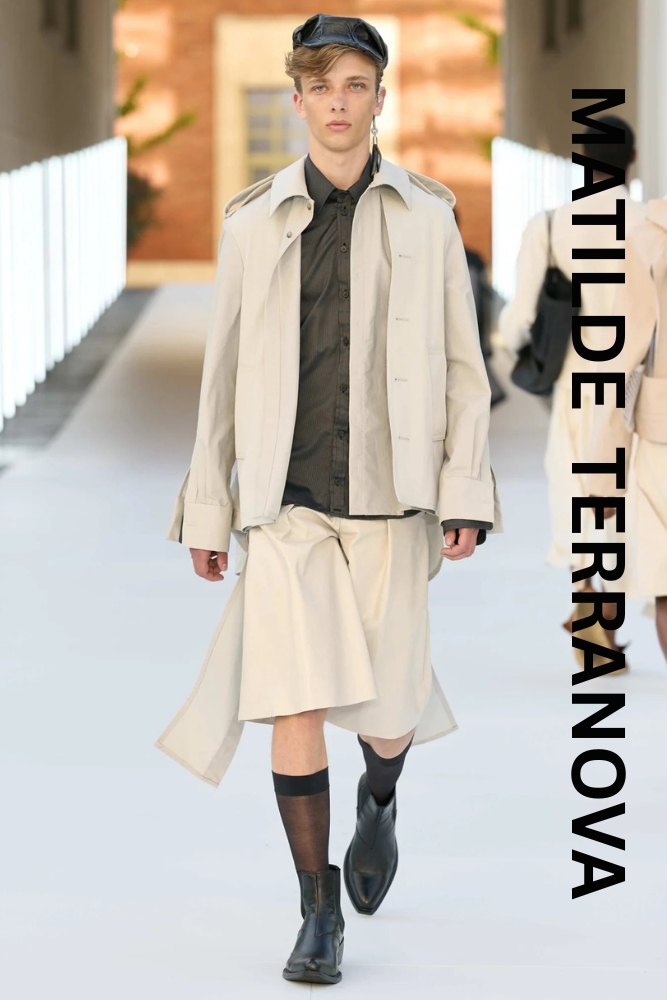
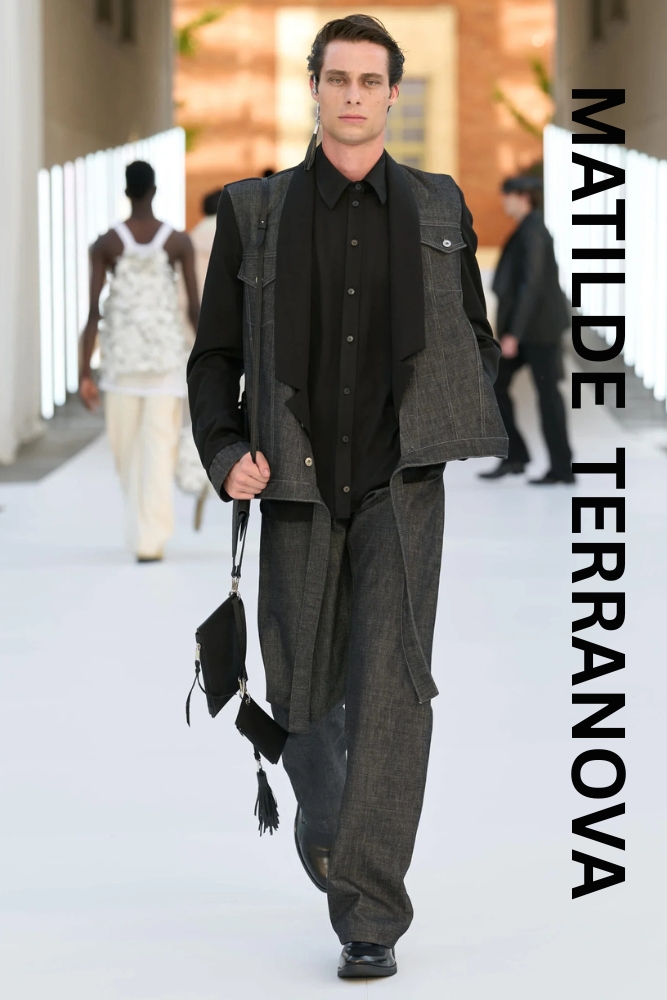
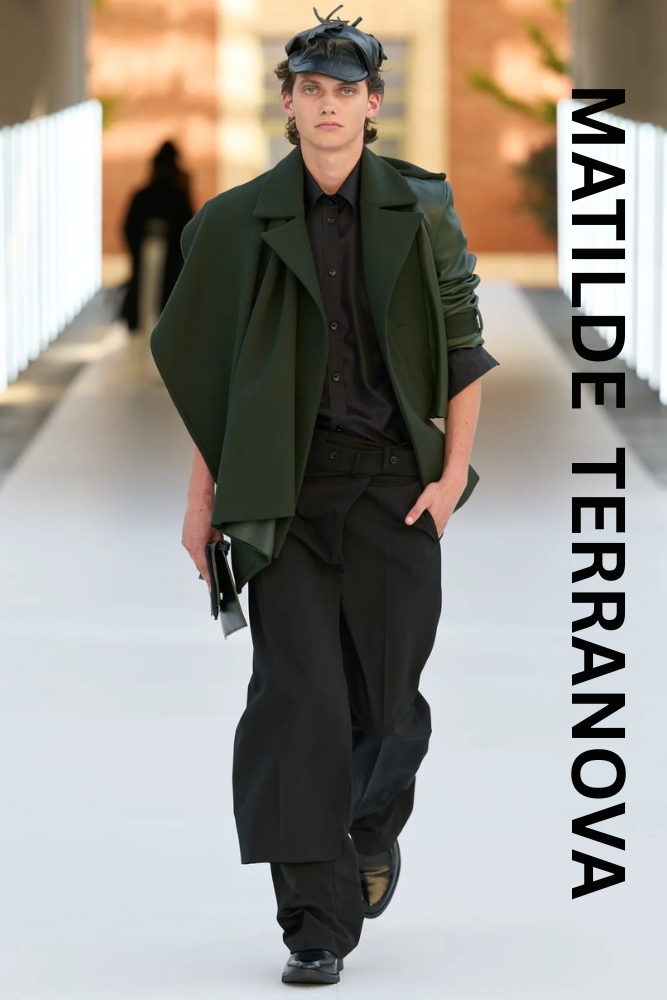
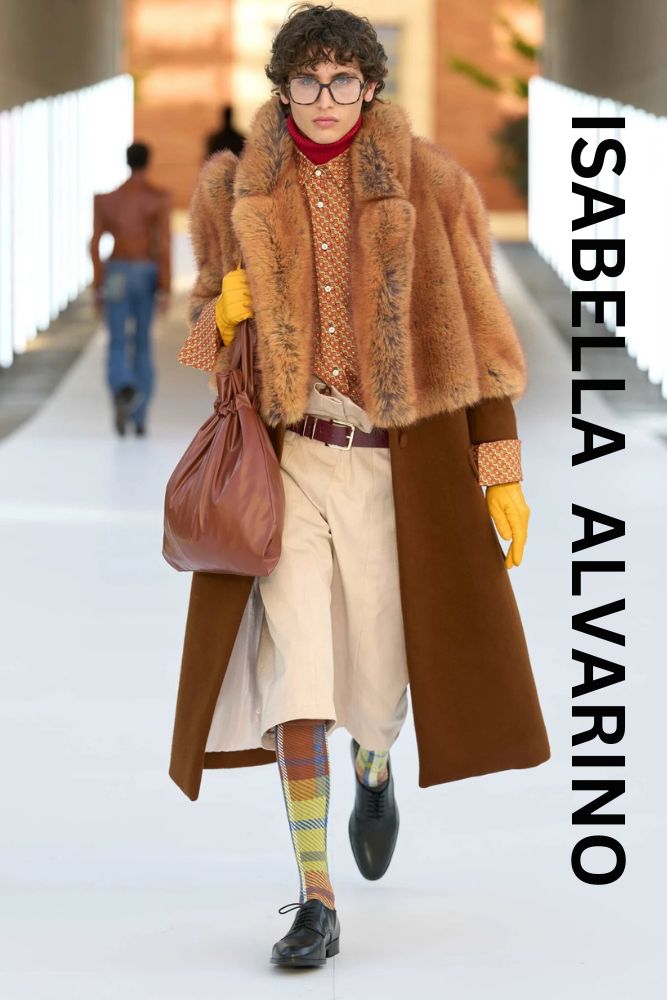
Hot Nerds is deeply inspired by Isabella Alvarino’s late friend Jay and the raw, beautiful rebellion of queer adolescence. The vibrant fashion collection completely reimagines the stereotypical nerd as fiercely confident, highly desirable, and unapologetically expressive, using sharp tailoring as a powerful visual way to think about personal transformation. Drawing heavily on iconic 1960s and 1970s design patterns, Alvarino brings rigid structure into direct contact with playful humour, carefreeness, and protective irony. The biological phenomenon of natural moulting also runs through the garments, with textured faux fur and complex layered details beautifully suggesting the emotional process of shedding heavy societal expectations in order to fully become oneself. Ultimately, this raw underground work stands as an authentic celebration of profound friendship, ongoing self-discovery, human contradiction, and the pure, ecstatic pleasure of refusing to fit neatly into what others expect.
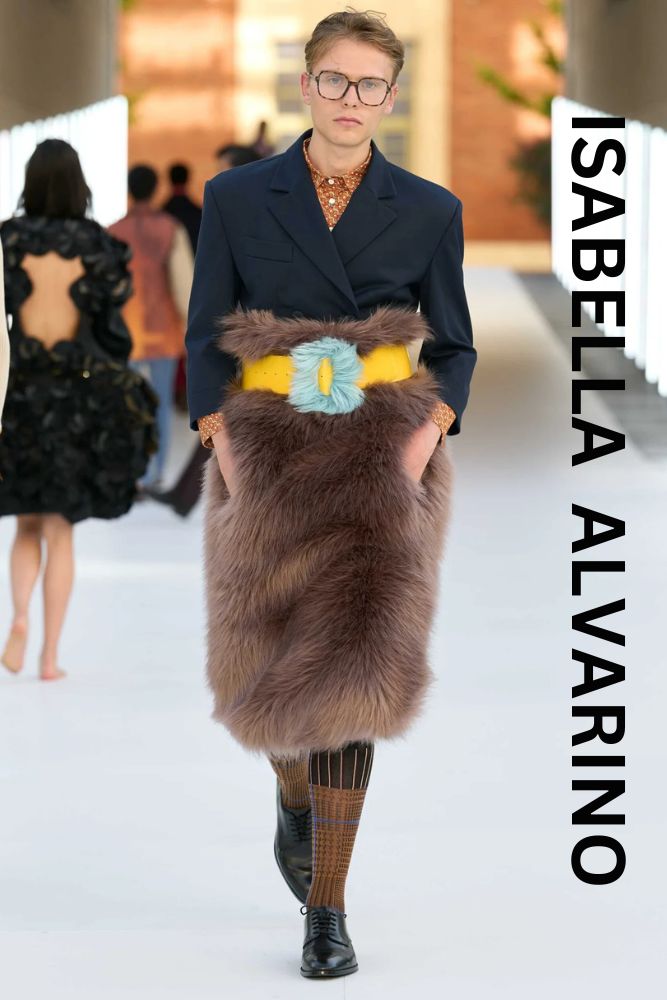
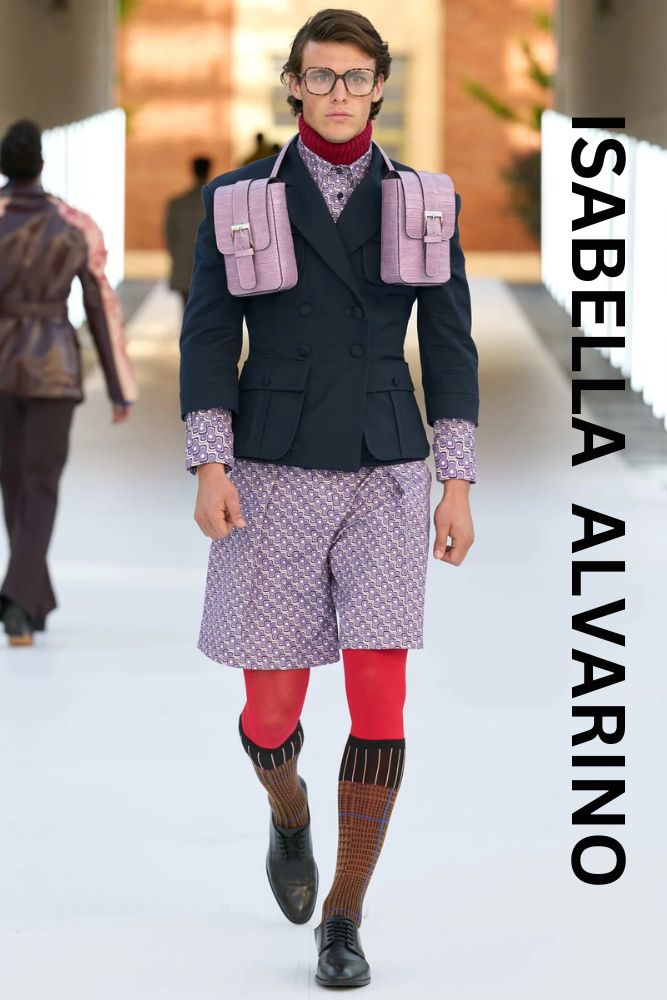
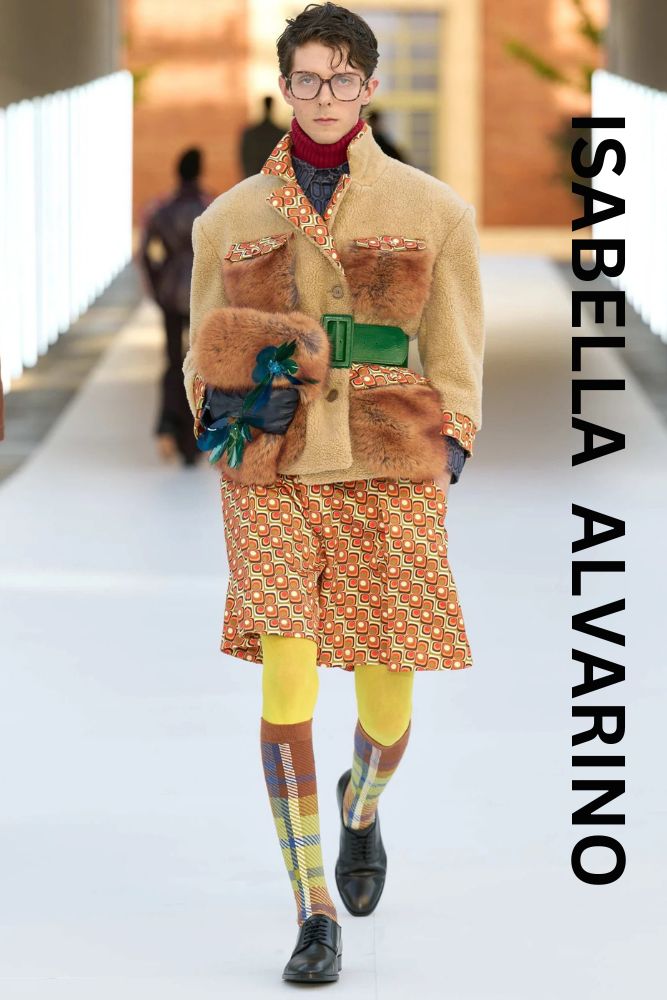
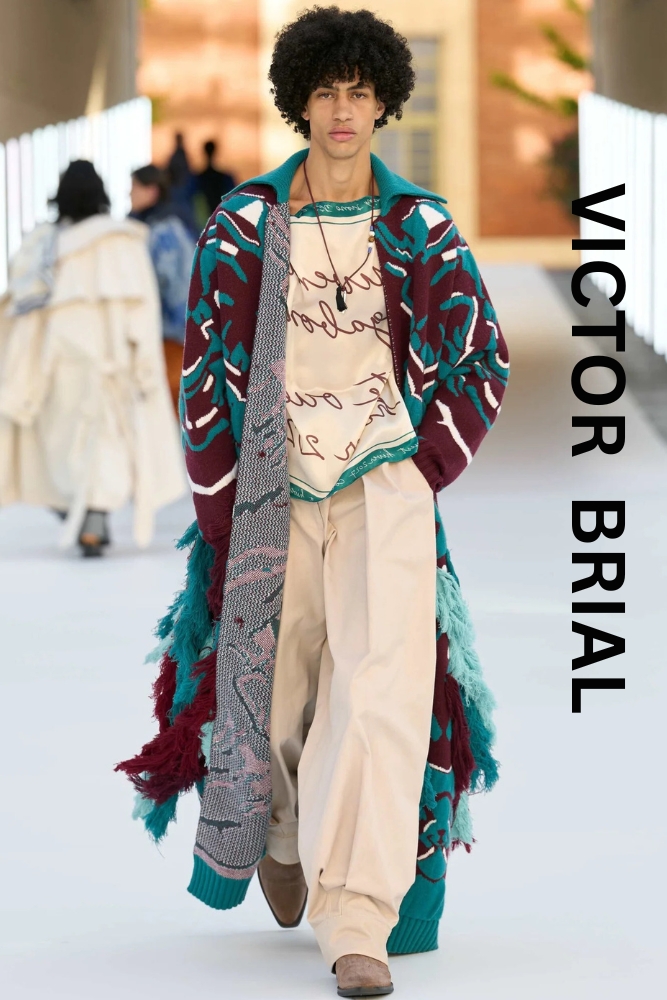
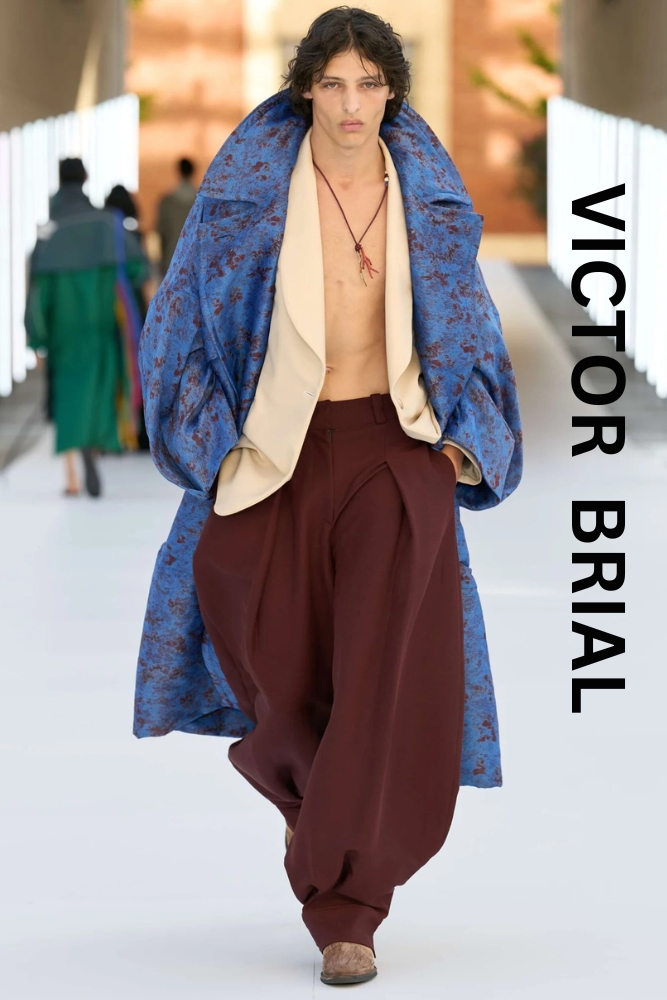
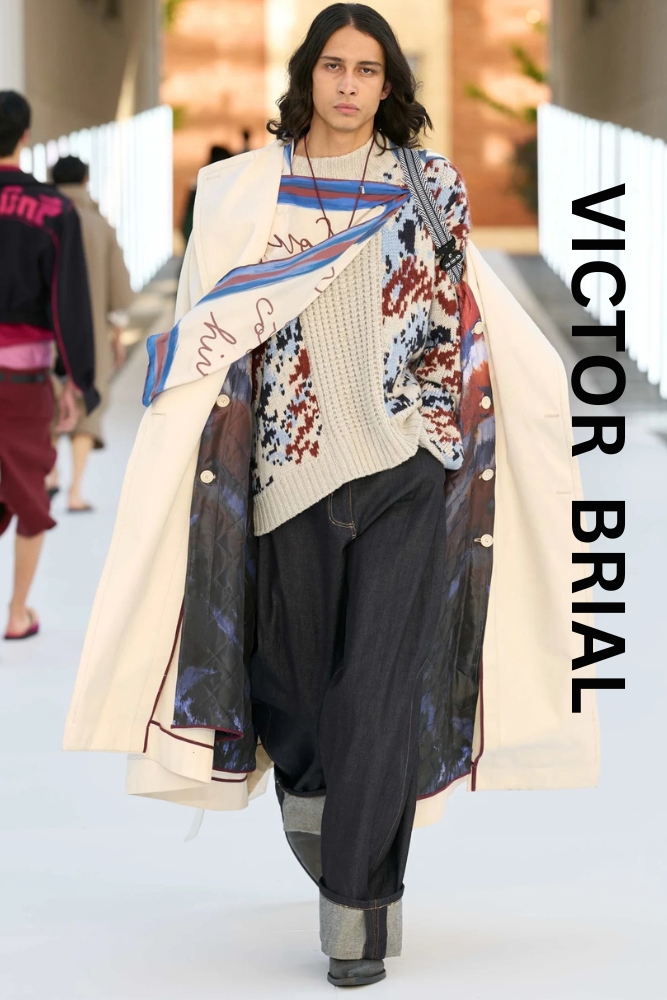
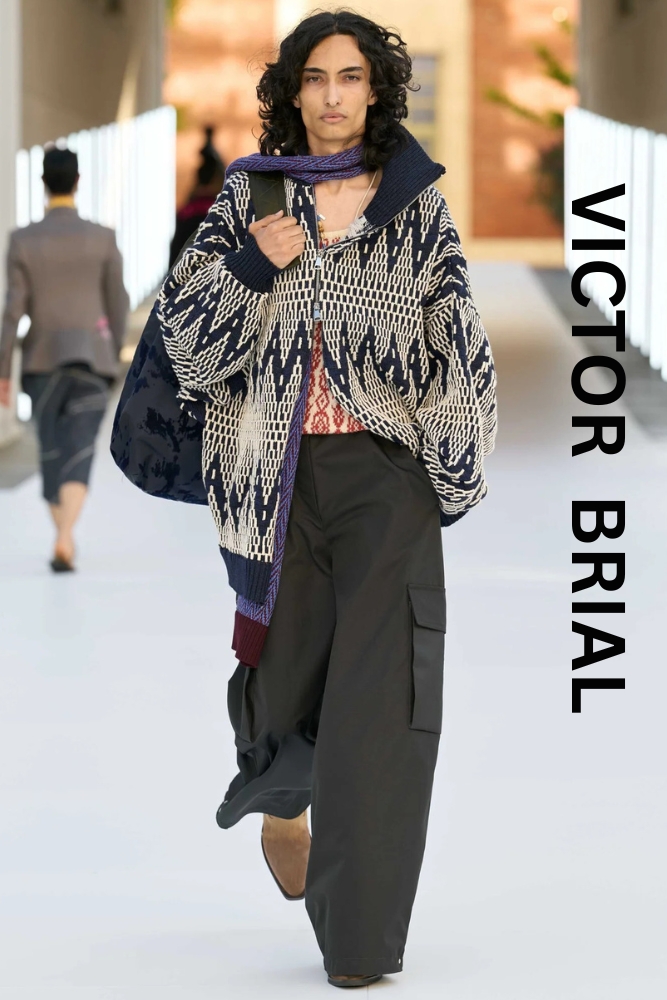
Victor Brial’s narrative collection follows an imagined young man completely overwhelmed by modern social media, who decisively leaves his smartphone at home and sets off travelling. He eventually arrives in Brial’s beautiful hometown of Réunion, where the entire point is to exist fully present without a single digital distraction. Instead of constantly recording everything through a tiny glowing screen, he intentionally preserves his tangible memories by physically collecting local objects and unique souvenirs to bring back home. Once back, his personal way of dressing dramatically begins to shift, seamlessly absorbing the rich textures and relaxed silhouettes from the far-flung places he has passed through. Highly embellished textiles and intricate, tactile knitwear are layered alongside more technical, highly practical fabrics, successfully turning the final wardrobe into a beautifully eclectic, living record of physical travel, deep memory, and focused attention.
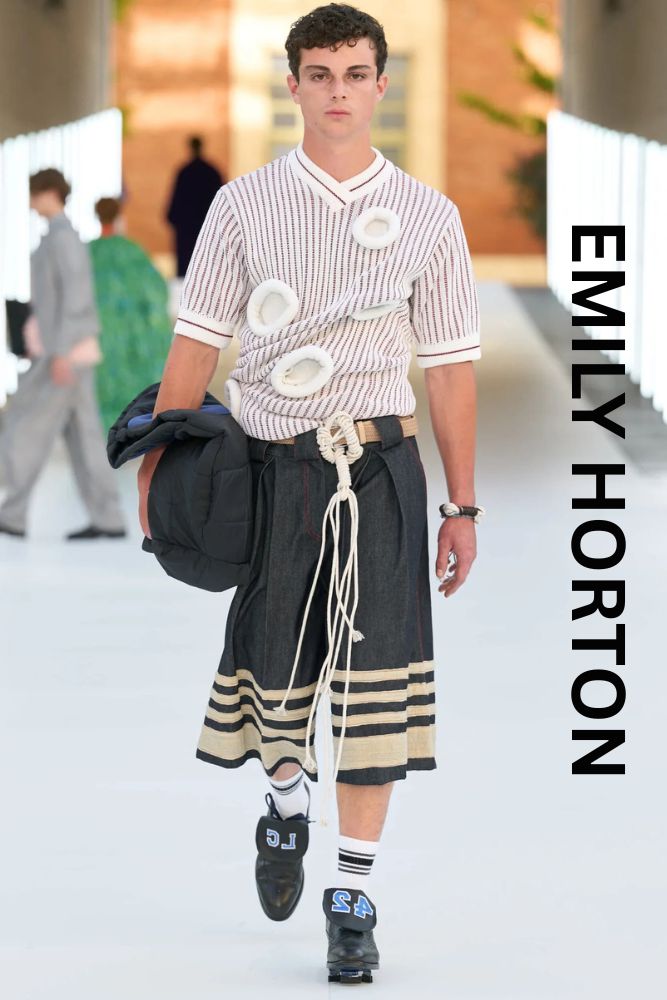
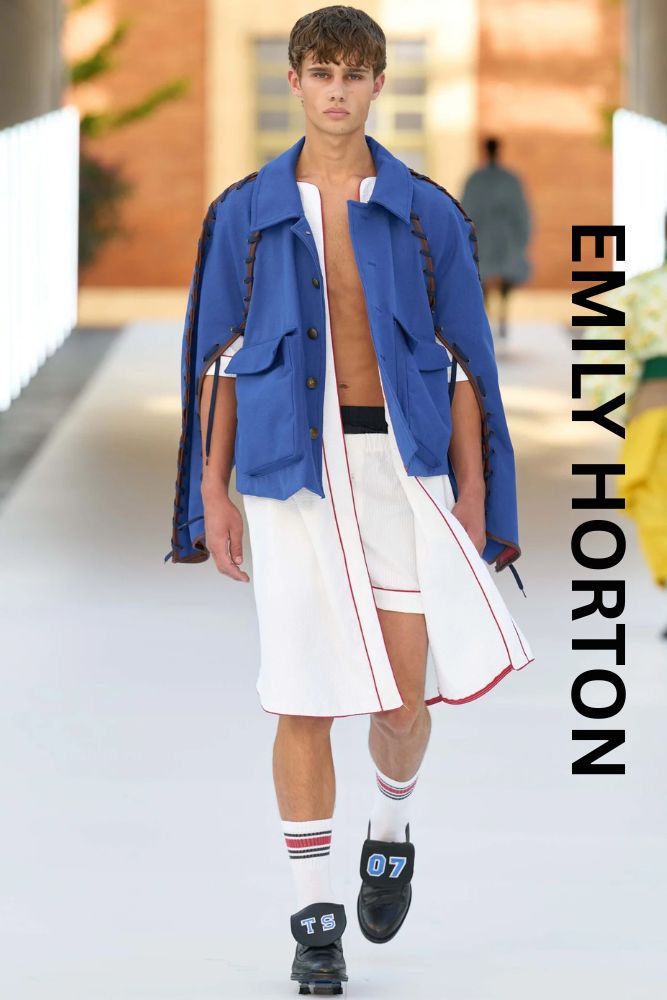
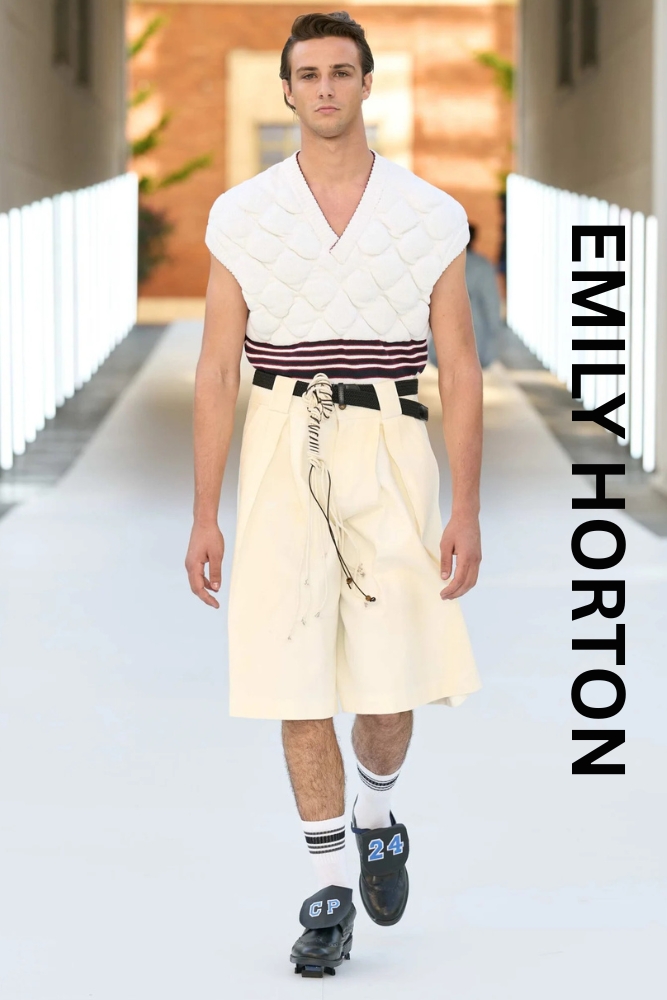
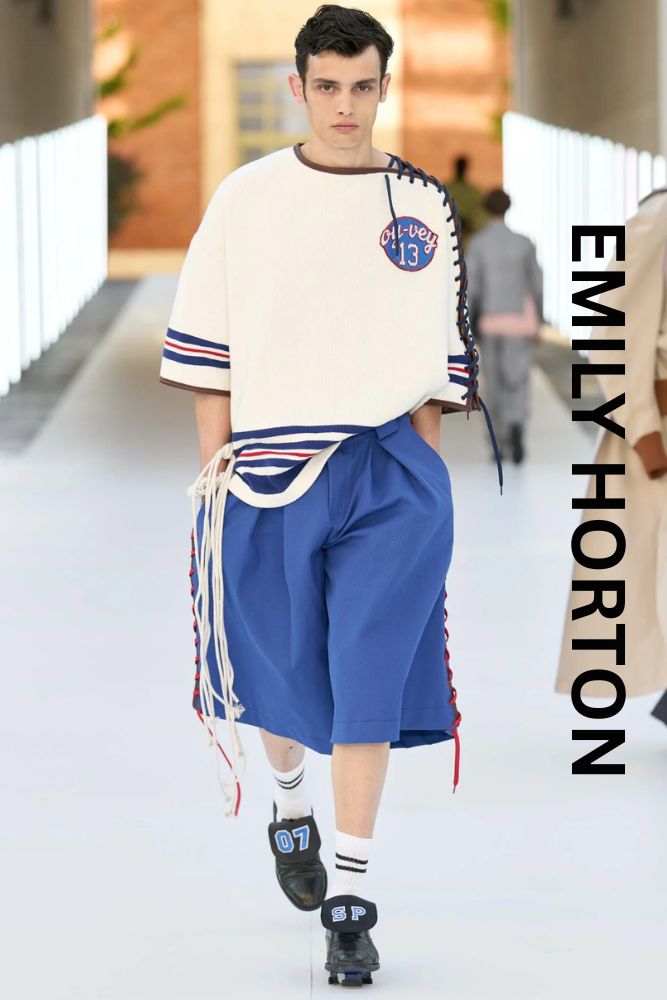
Baseball becomes a powerful way of thinking about belonging in Emily Horton’s evocative collection. Growing up Jewish in the United States with only one Jewish parent, Horton often felt painfully caught between complex identities, entirely unsure whether she was truly Jewish enough. The nostalgic sport offered a therapeutic way to look at modern community differently: diverse people from completely different backgrounds brought together by a shared passion, physical ritual, vibrant colour, and fierce team allegiance. Her deeply personal collection brings traditional, sacred Jewish cultural references into direct contact with the heavily exaggerated colours, oversized silhouettes, and distinct visual language of classic American baseball. Intricate knitwear sits at the absolute centre of the entire work, allowing Horton to thoroughly explore complex identity through rich texture, graphic pattern, and the warm, comforting feeling of being part of something much larger.