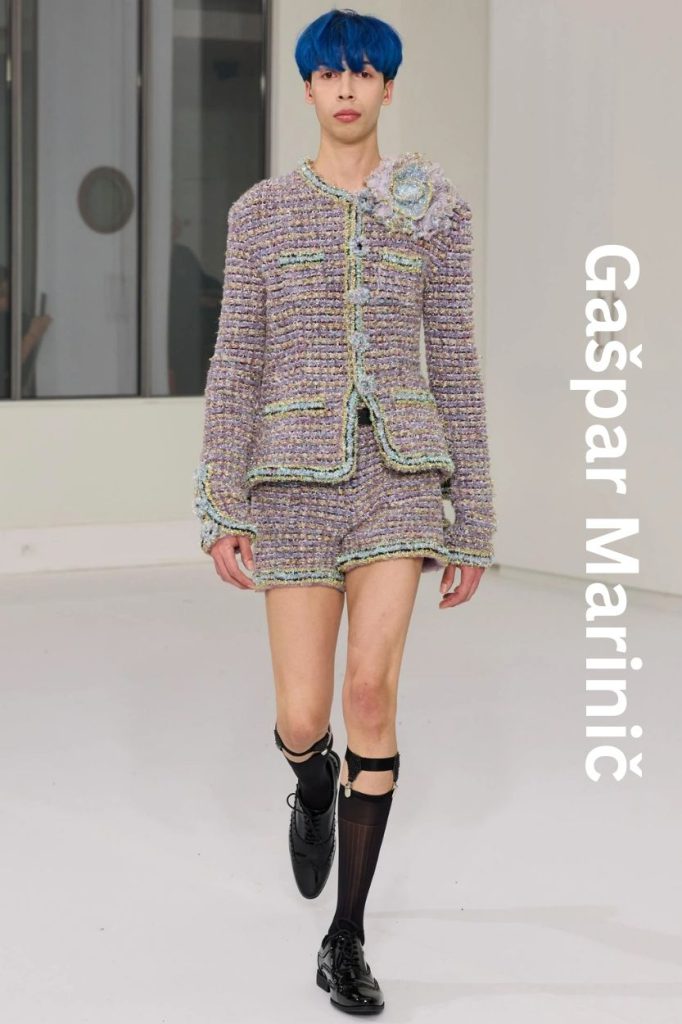


Name: Gašpar Marinič
Institution: Central St Martins
Theme: "The Last Dance with the Departed."
In a political climate where progress feels under siege, Gašpar Marinič’s 2026 Graduate Collection arrives not as a silent vigil, but as a defiant, high-fashion riot. Entitled "The Last Dance with the Departed," this collection serves as a visceral "funeral procession" for the rights and cultural spaces currently facing erasure.
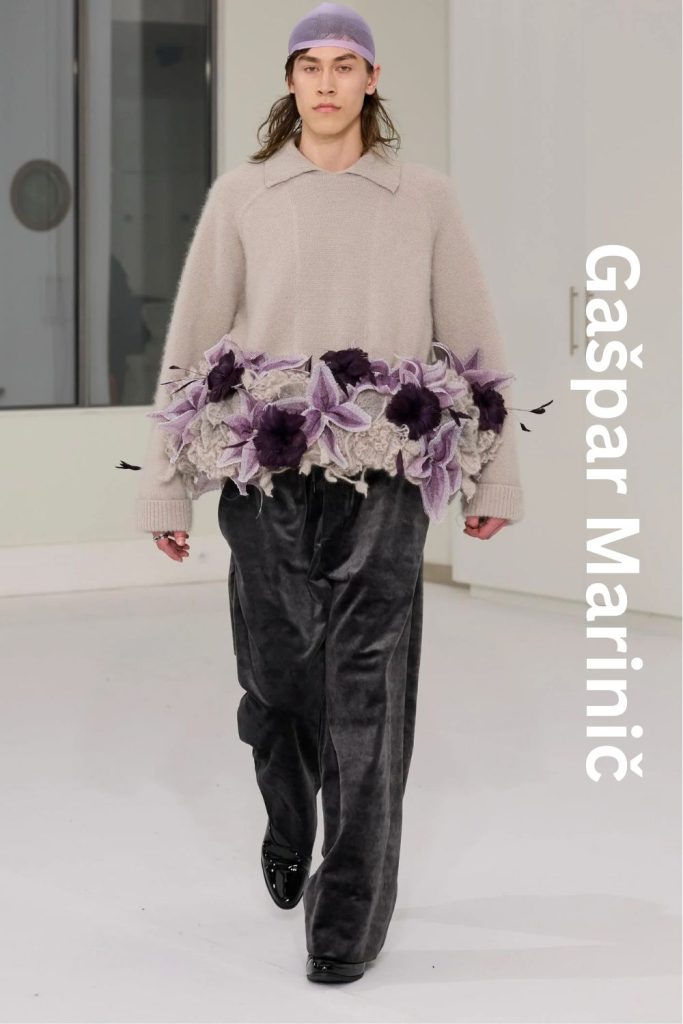
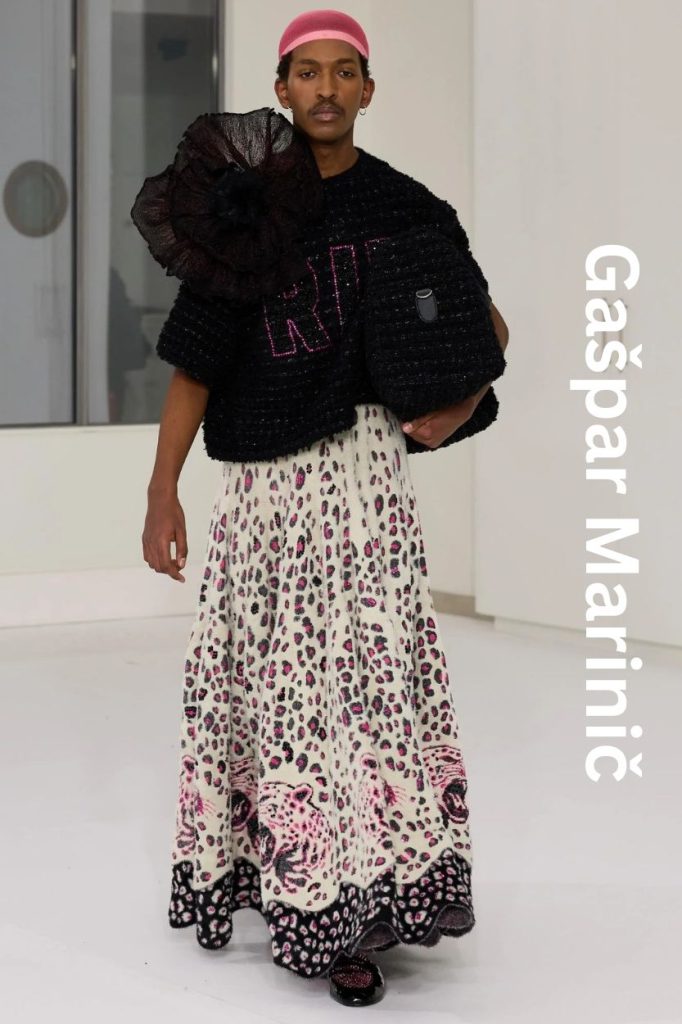
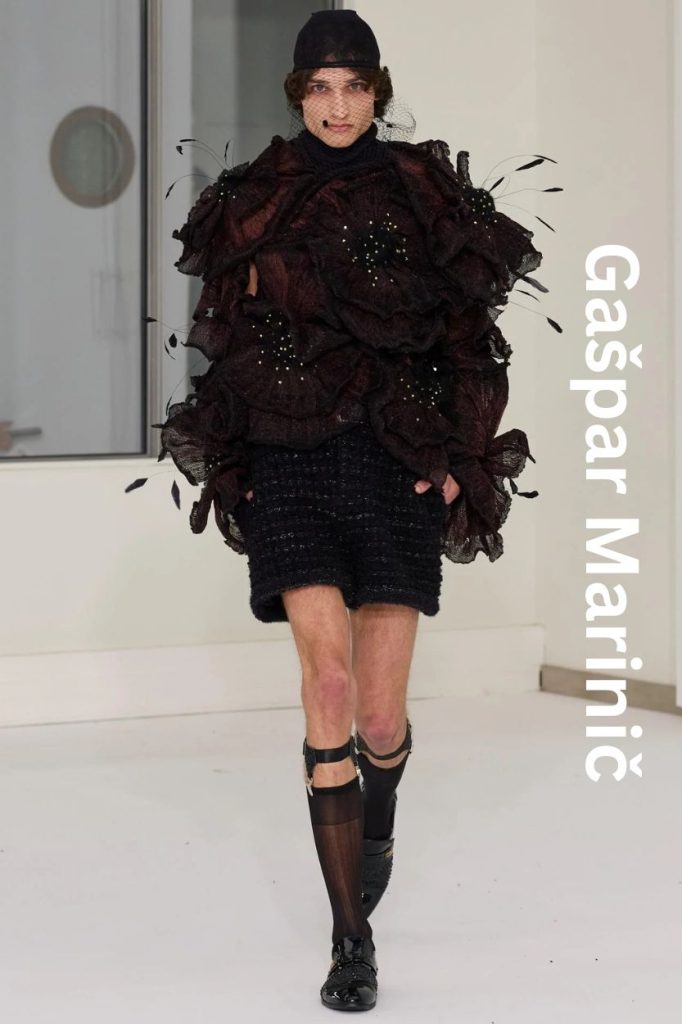
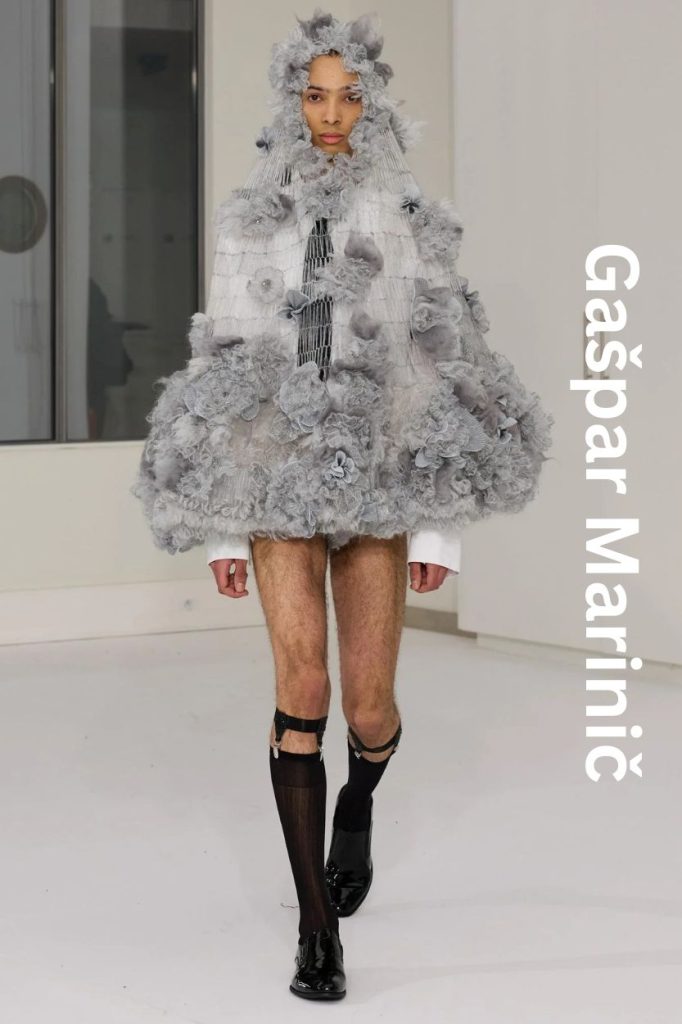
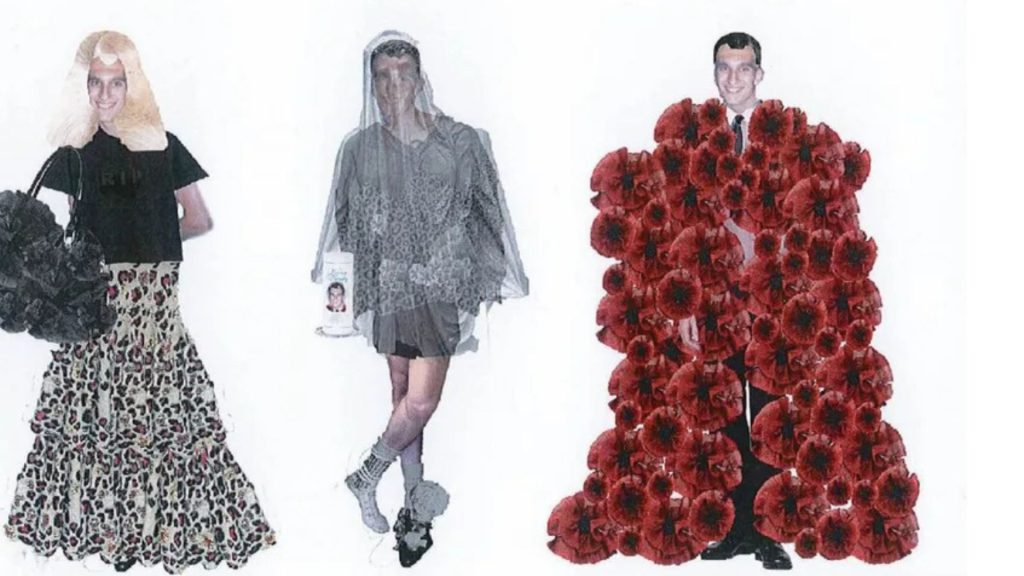
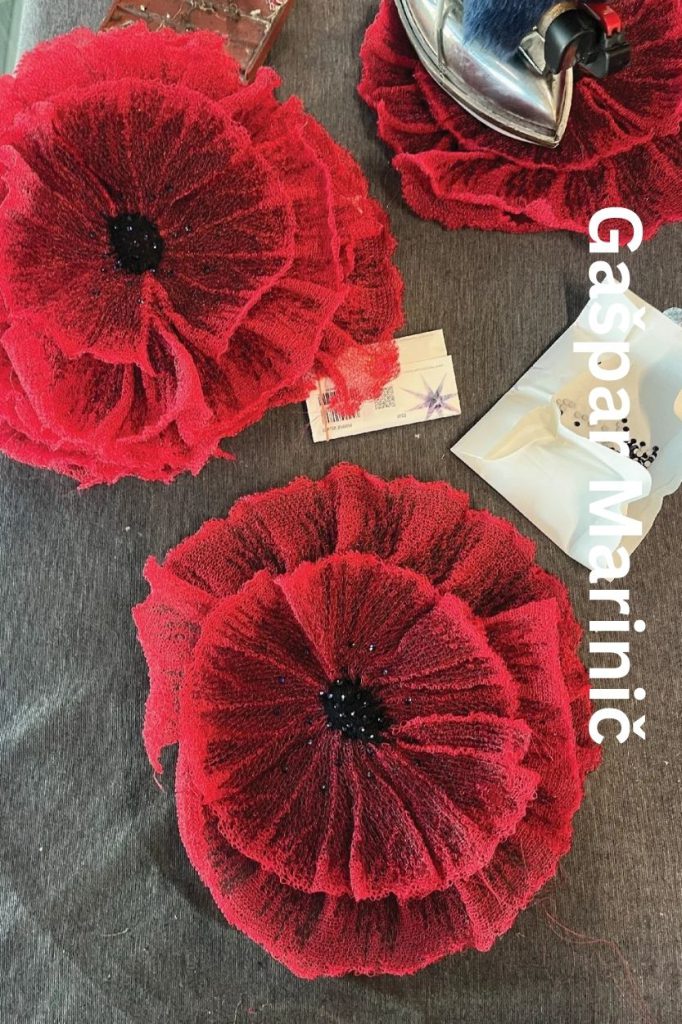
By masterfully splicing the sombre, rigid codes of Victorian mourning attire with the vibrant, coded survivalism of queer history, Marinič crafts a wardrobe of resilience. From knits that bloom with reclaimed slurs to "memorial poppies" honouring those who paved the way, the collection is a tactile reminder that the queer spirit is cyclical: it may be suppressed, but it will always rise from the dead—stronger, louder, and infinitely more fabulous. This is fashion as a manifesto—a march forward that transforms grief into an indestructible suit of armour.
The Sketchbook
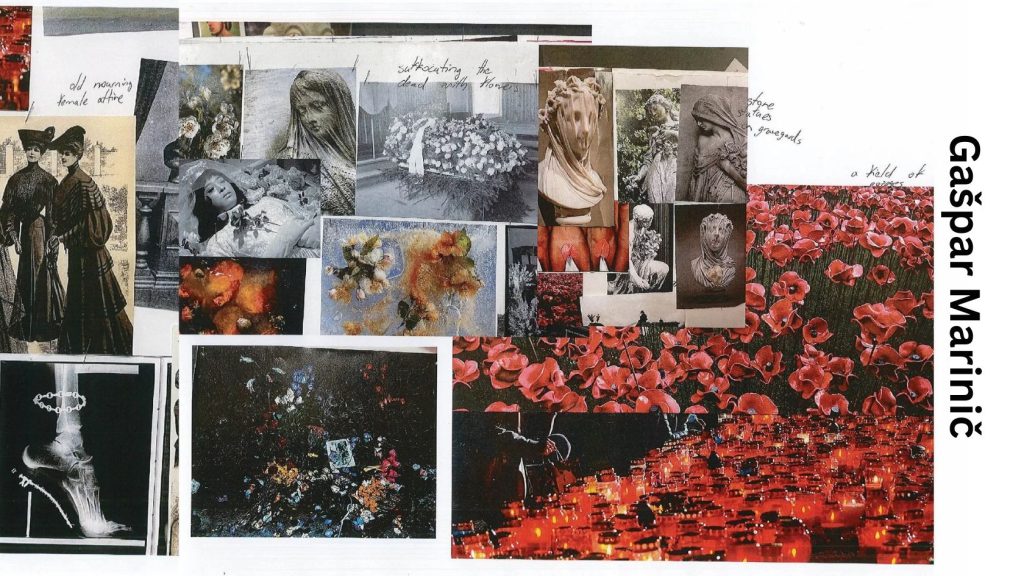
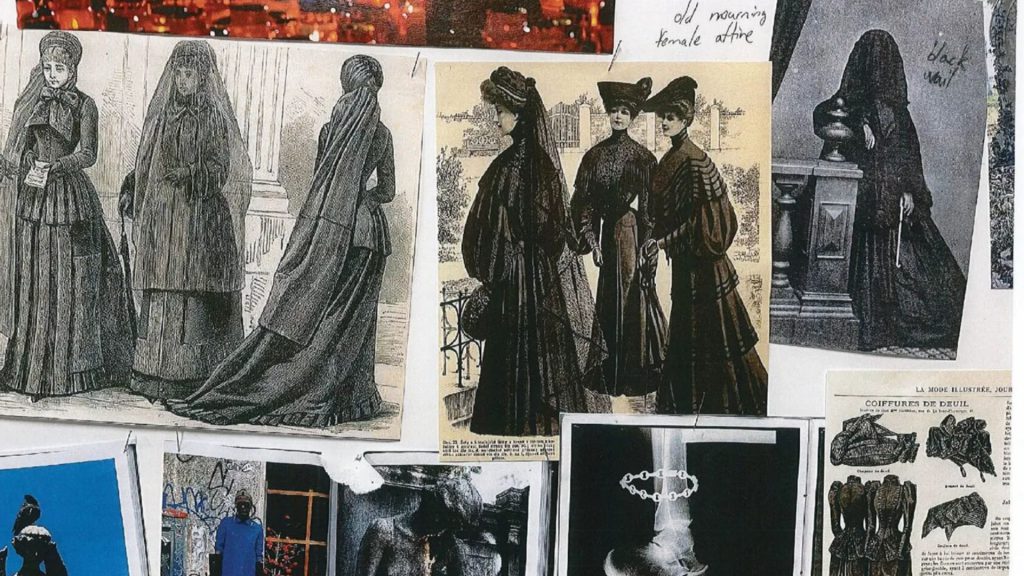
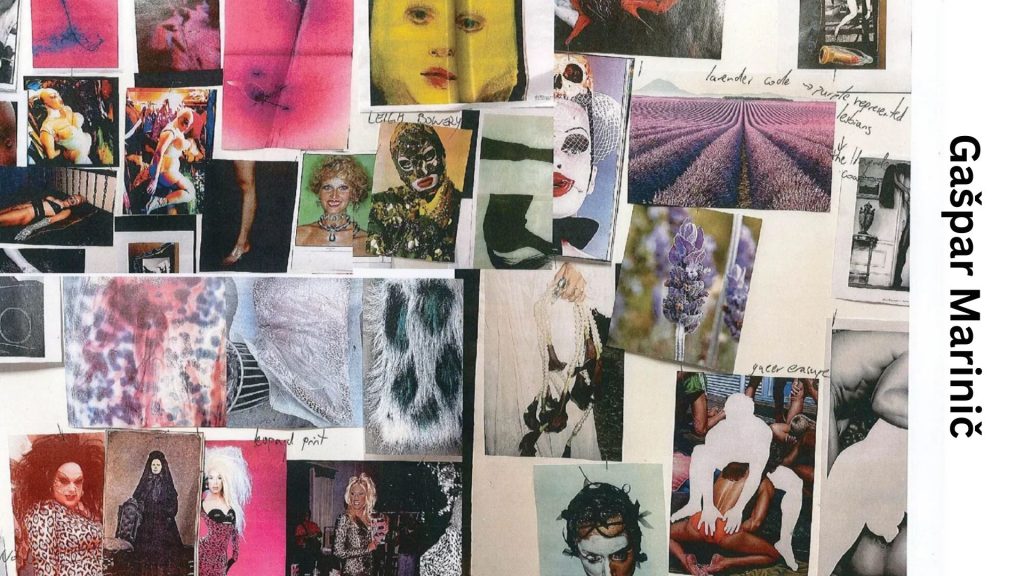
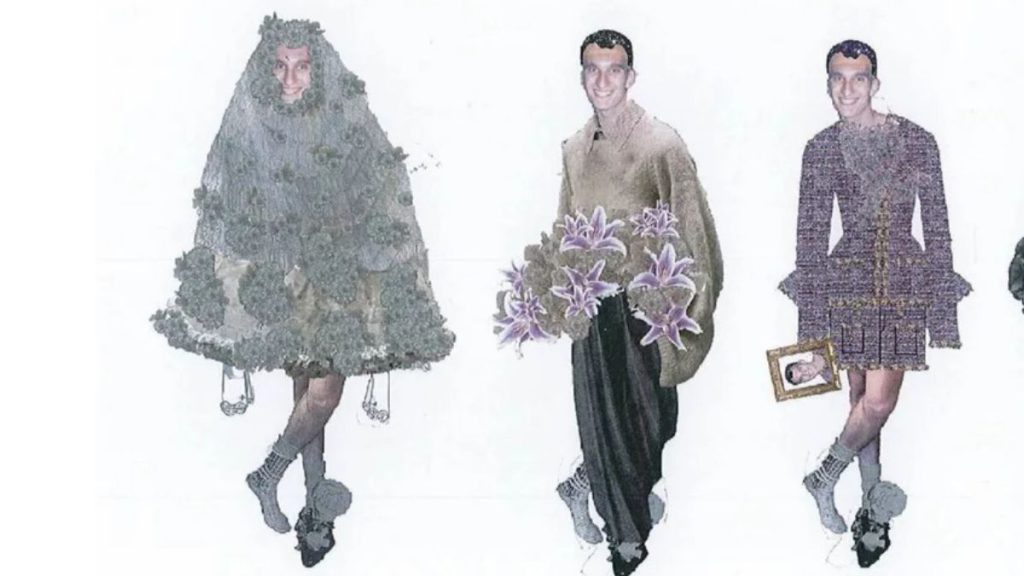
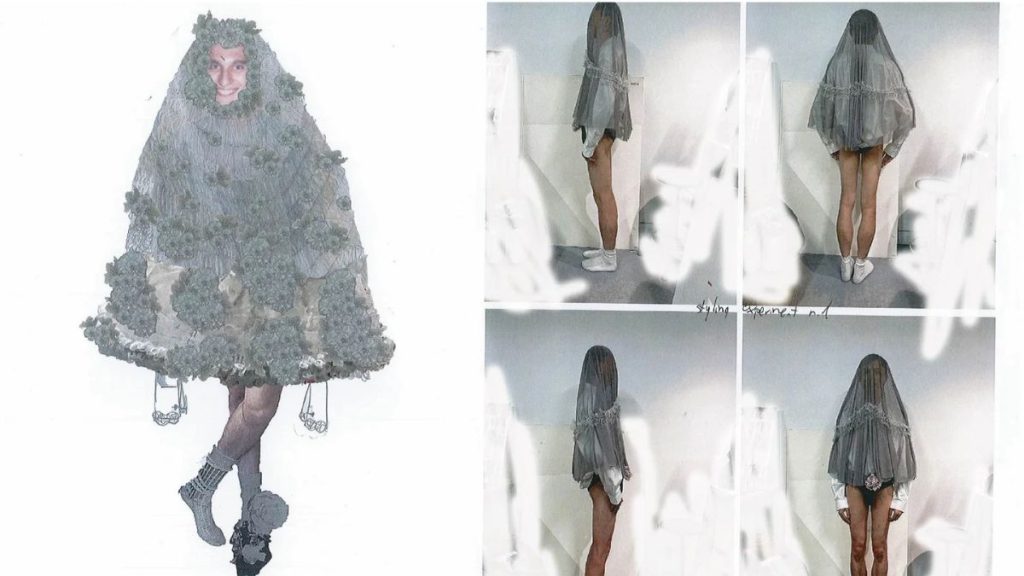
The pages of Gašpar’s sketchbook are a haunting dialogue between the 19th and 21st centuries. Here, the heavy drapes of Victorian widowhood meet the sharp, unapologetic silhouettes of modern queer identity. Initial sketches don't just focus on form; they are annotated with a "secret language" of flora:
- Pansies: Sketched in bold, aggressive strokes to reclaim homophobic slurs.
- Lavender: Delicate washes of color representing the "Lavender Lesbians" and the essential, hidden codes of survival.
- Wreaths & Poppies: Intricate charcoal drawings of funeral flora that symbolize both what has been lost and the memorialization of those who fell during the struggle.
The Fabrication
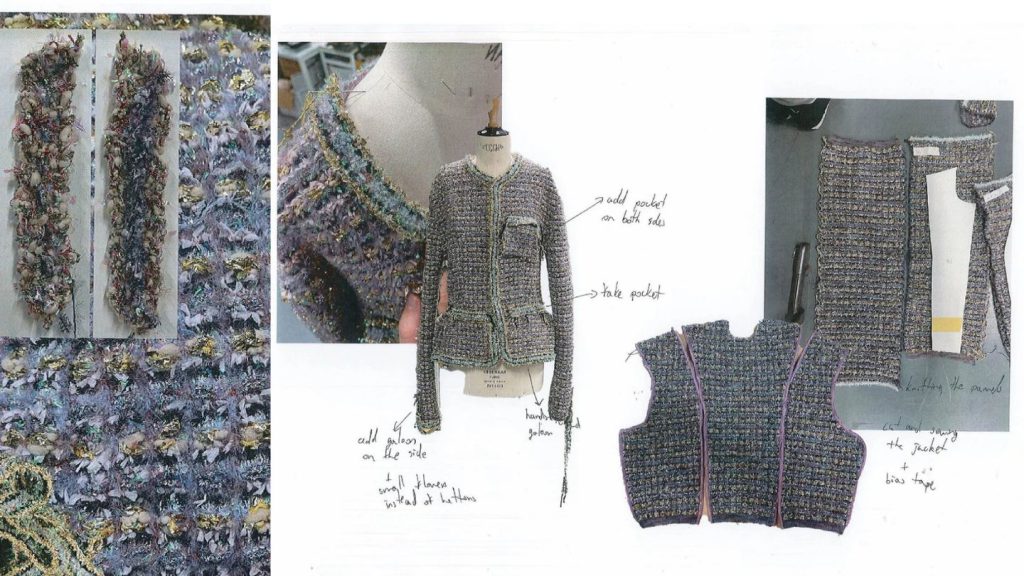
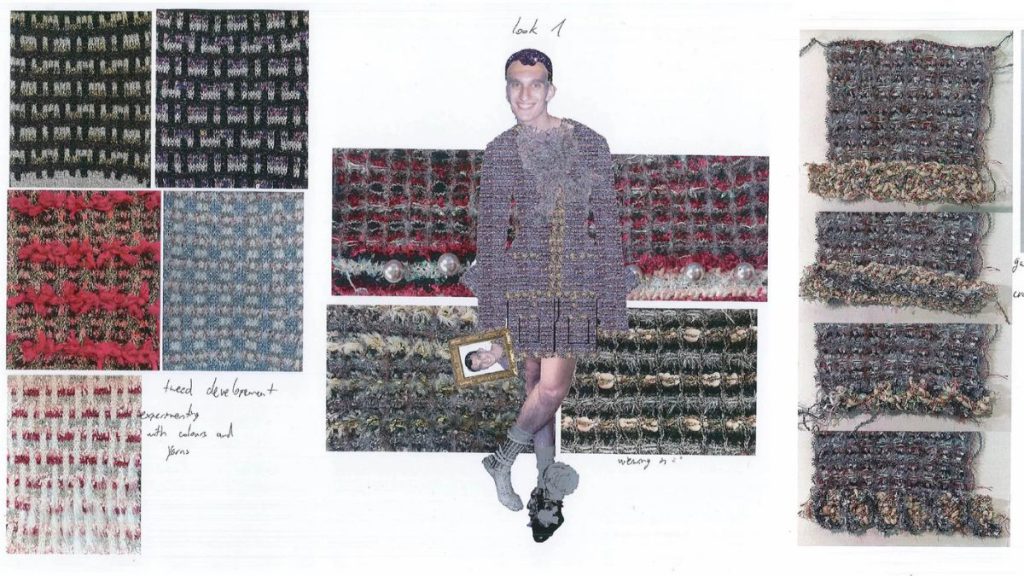
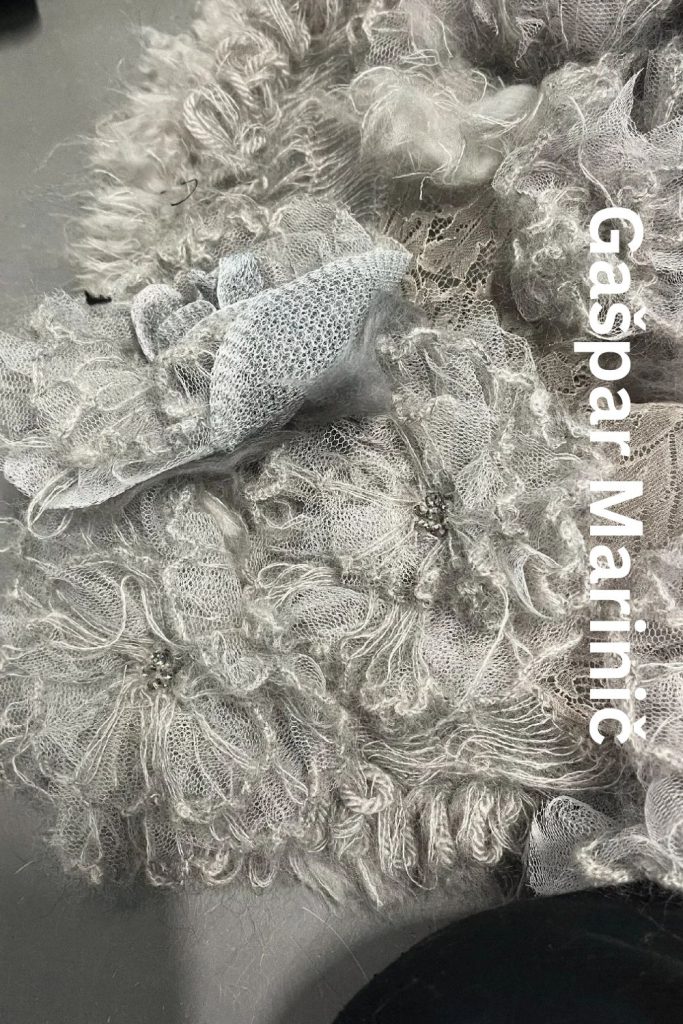
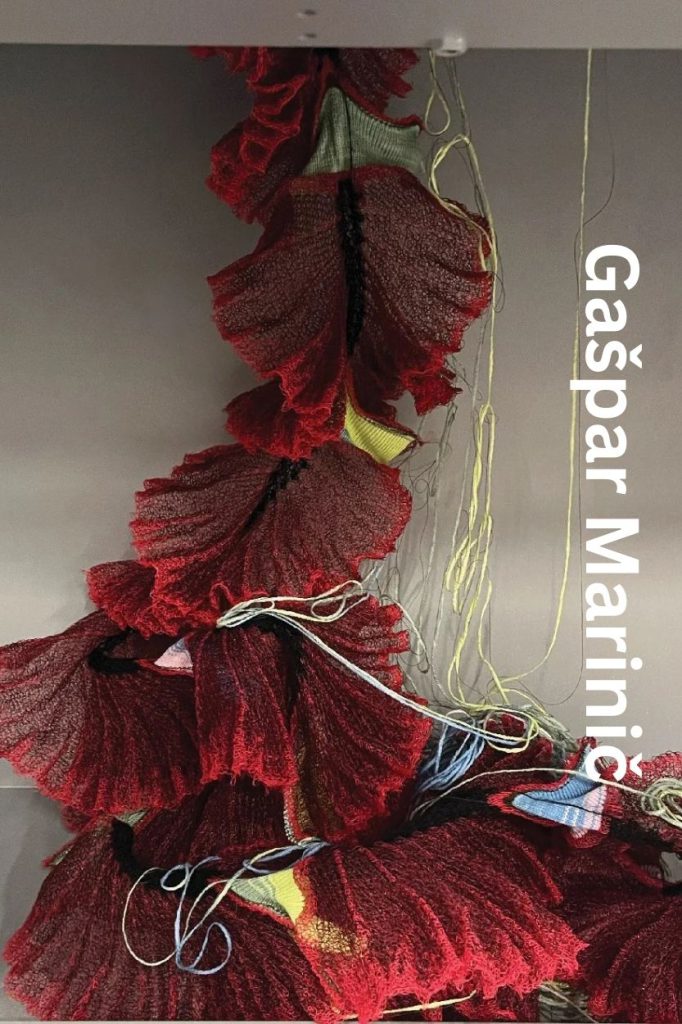
In the studio, the political becomes tactile. Marinič uses knitwear as a metaphor for struggle. These aren't just garments; they are intricate textures of memory.
The fabrication process involves weaving "memorial poppies" into the fabric to honor fallen ancestors of the movement. The Victorian influence manifests in heavy blacks, stiff silks, and intricate lacework, but it is disrupted by the "codes and symbols of queer culture." The tension in the textiles reflects the tension of the era—a somber black veil draped over a body that refuses to be silenced. Every stitch is a deliberate act of "marching forward, proud and resilient."
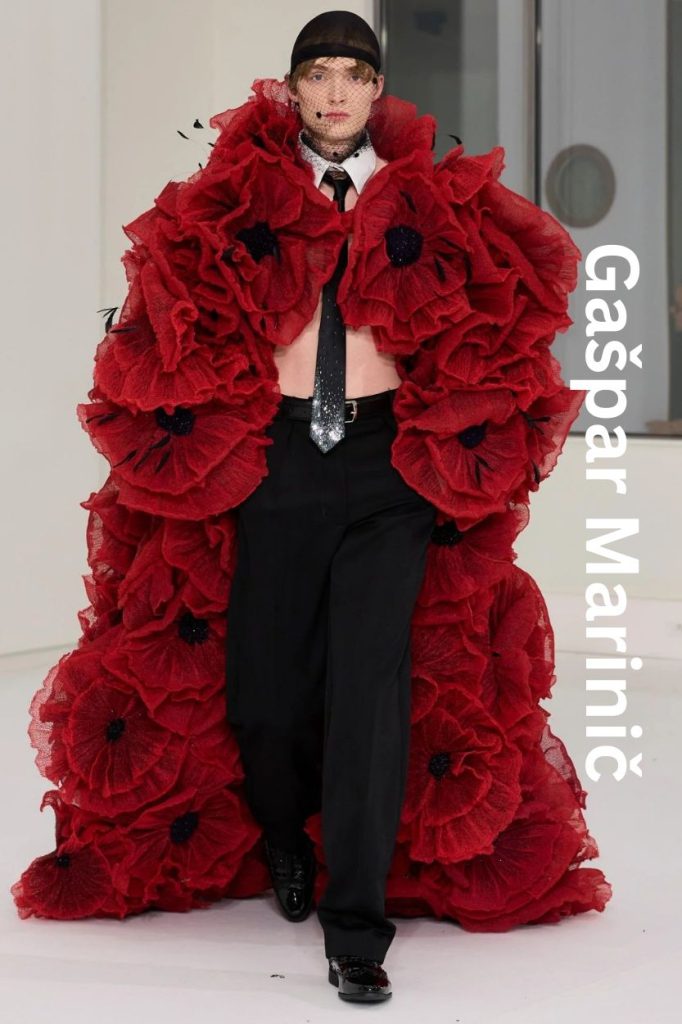
The Catwalk. The Final Reveal
The atmosphere is somber yet electric. This isn't a standard walk; it’s a procession. As the models emerge, they carry the weight of the "queer family" mourning their culture, yet their gait is defiant.
The lighting mimics a Victorian twilight, casting long shadows that highlight the 3D floral knits—the pansies and wreaths appearing like organic growths on the garments. The music is a haunting blend of funeral dirges and underground club beats, signifying that even in mourning, the queer community finds its rhythm. The catwalk serves as the ultimate proof of Gašpar’s philosophy: We will never stay buried; we always rise from the dead.
As the last look leaves the stage, the narrative shifts from the art to the artist. The final reveal isn't just the clothes; it’s Gašpar’s fearless outlook on the industry itself.
While others fear the transition from the "limitless creativity" of university to the commercial realities of a fashion house, Marinič embraces it. He views the industry not as a cage, but as a professional masterclass. To him, a "creative break" from his own vision is a strategic move—a chance to learn how a brand functions from the inside and to reevaluate his perspective. He leaves the graduate stage not just as a designer with a powerful message, but as a professional ready to evolve, learn new skills, and return "stronger and ever more fabulous."