

W: THEO THOMPSON I: CHLO PARKINSON
Despite decades of subtle progress, the electronic music industry remains marked by male dominance, where women, queer and gender-diverse artists are too often underrepresented, side lined or tokenised. In response, a new generation of trailblazers are reshaping dancefloors into spaces of resistance, care and radical inclusivity. Jungyals and Gays, Amen Gyaldem and Bad B!tch Dubz exemplify this shift: each born from frustration with exclusion yet fuelled by community-driven creativity, they are not merely demanding space within the industry but actively remodelling its structures. Their work challenges entrenched hierarchies of gender, race and clout, centring safety, authenticity and collective joy over commercial gain. Together, they illuminate how grassroots initiatives can contest systemic inequities while offering a transformative vision for the future of rave culture.
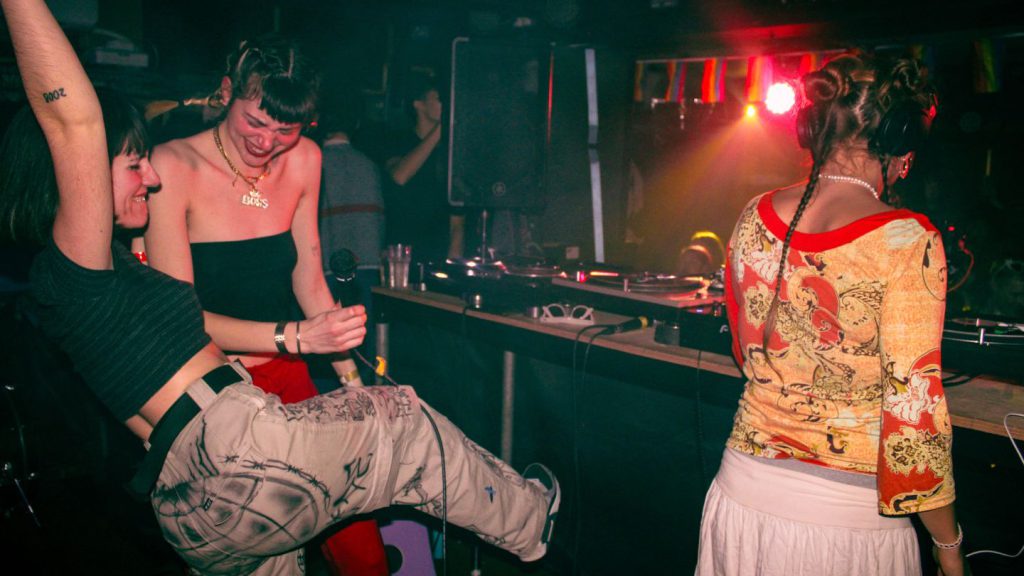
Emerging from the intersection of academic inquiry and lived experience, Jungyals and Gays (JGNG) stands as a powerful testament to the transformative potential of grassroots creativity. Co-founded by Chloe and long-time rave partner Daya, the collective began as part of Chloe’s final-year fashion promotion project but quickly evolved into something far greater. Now a vital force in London’s underground scene, JGNG is committed to carving out safer, more inclusive spaces for queer and female ravers too often side lined in mainstream club culture.
Rooted in Chloe’s dissertation on the darker undercurrents of rave culture, notably sexual harassment, spiking and exclusion within queer communities, JGNG began humbly as a garage house party livestreamed on TikTok and Instagram. Chloe recalls, “I was very much aware of sexual harassment, the spiking, all of these issues as I was researching it along with it having happened to me personally.” What followed was a passionate response: to cultivate an environment where “everyone feels comfortable and safe together,” breaking away from the norm.
The collective’s debut at Dalston Den in June 2023 exceeded all expectations, drawing well over 100 attendees despite no more than a fifth of that being anticipated. Since then, JGNG has blossomed into a family-like community where artists and ravers alike thrive. Daya reflects with warmth: “We always talk, we have sleepovers, we're all very much a family and we all hang out with each other, completely outside of the rave scene, all the time.”
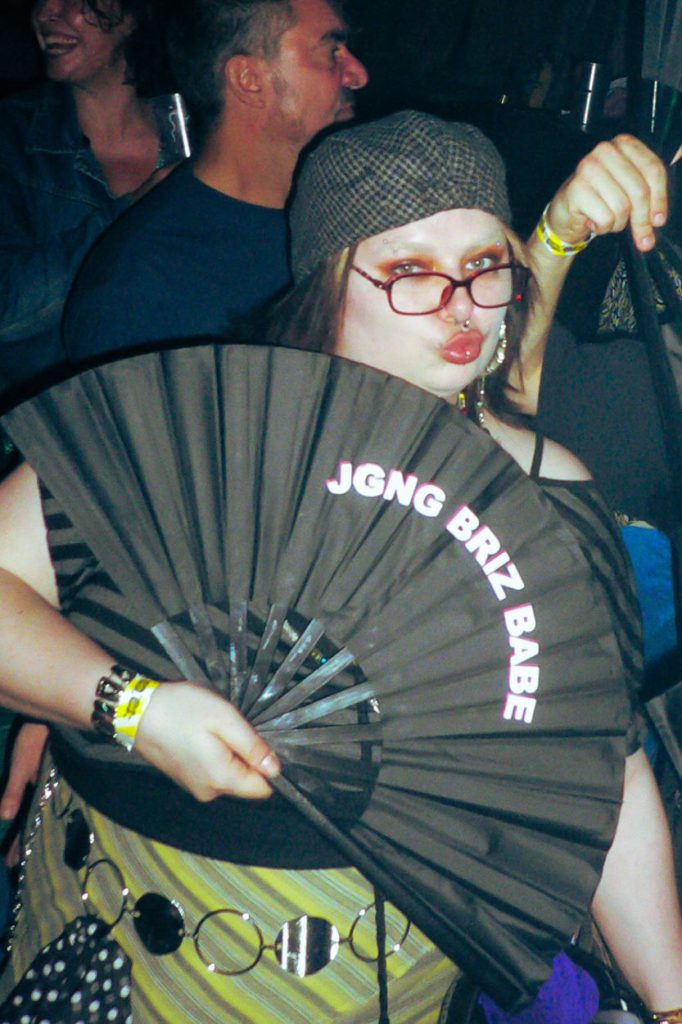
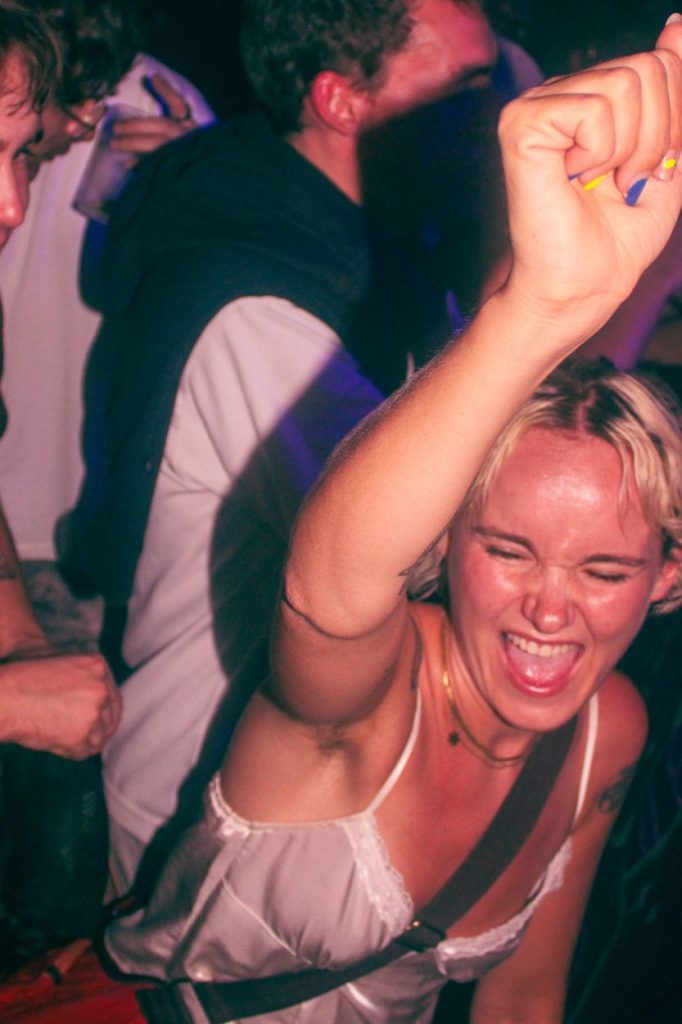
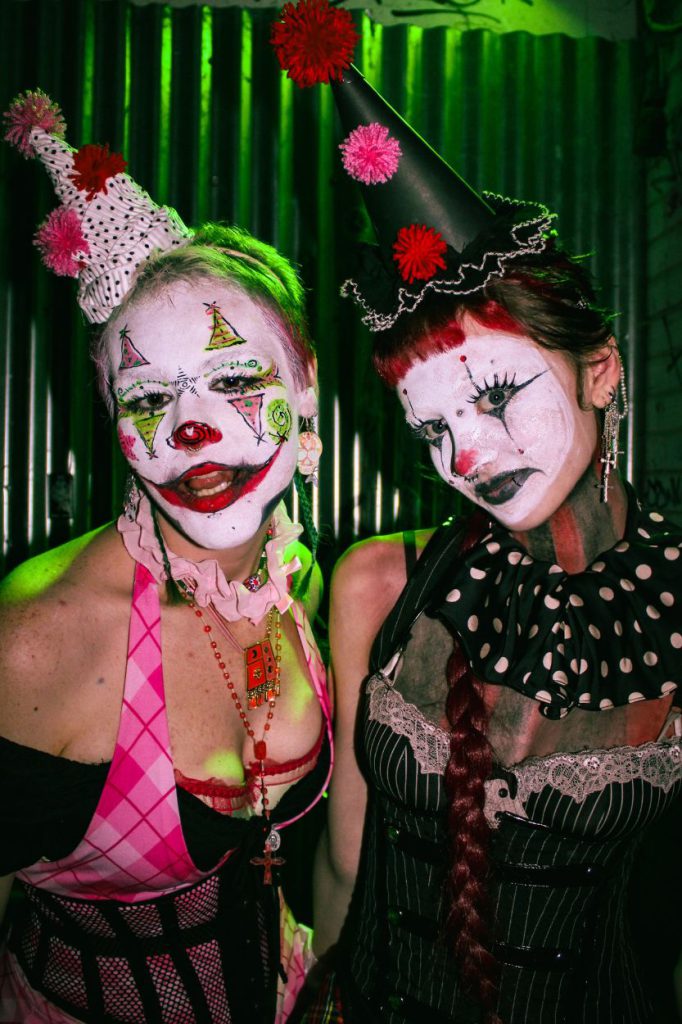
JGNG’s ethos is a direct response to the systemic limitations embedded in much of the mainstream electronic music scene, where lineups often mirror the same hierarchies, exclusions and commercial pressures seen across the wider industry. Chloe and Daya's approach challenges this norm by centring artistic merit, energy, and community impact over metrics like social media clout or institutional backing. “There are a plethora of women and queer artists in every single genre,” Chloe asserts. “You’re just not looking hard enough to find them.” By paying all artists flat rates, eschewing ‘ranked’ booking and focusing on emerging talent selected for vibe and skill rather than social media clout, the collective disrupts traditional industry patterns. Yet even with growing recognition, Daya remains candid about the challenges of tokenism: “Sometimes we are booked as what feels to be the token queer group… and while I’m always thankful to be playing to a new audience, I do sometimes wonder. Are you only booking me because I’m your token queer?” JGNG's model is not just about inclusion. It’s about reshaping the structures themselves, creating a blueprint where diversity is standard, not symbolic.
Musically, Chloe’s personal evolution mirrors JGNG’s ethos. “I’ve always been a techno girl… DnB was never really my thing... Two years ago, I couldn’t have told you what footwork was. I’ve really learned to love music through this process.” This personal growth reflects the collective’s broader commitment to community over commerce, fostering spaces that are welcoming, “wholesome,” and cross-generational, with “60-year-olds dancing in the back.”
Central to JGNG’s mission is a rigorous commitment to safety and welfare – informed by Chloe and Daya’s professional backgrounds. The collective has experienced incidents of inappropriate behaviour, especially around the booth, prompting new policies such as booth access restrictions and house rules. “You shouldn’t be allowed back here if you’re not on the lineup. Period. We always have welfare. We always have safety protocols. It’s non-negotiable.” The team goes beyond the venue’s minimum requirements, providing cup covers, straws, visible educational materials on spiking and harassment on top of strict booth access controls. For JGNG, “Safe spaces don’t happen by accident, they’re built.”
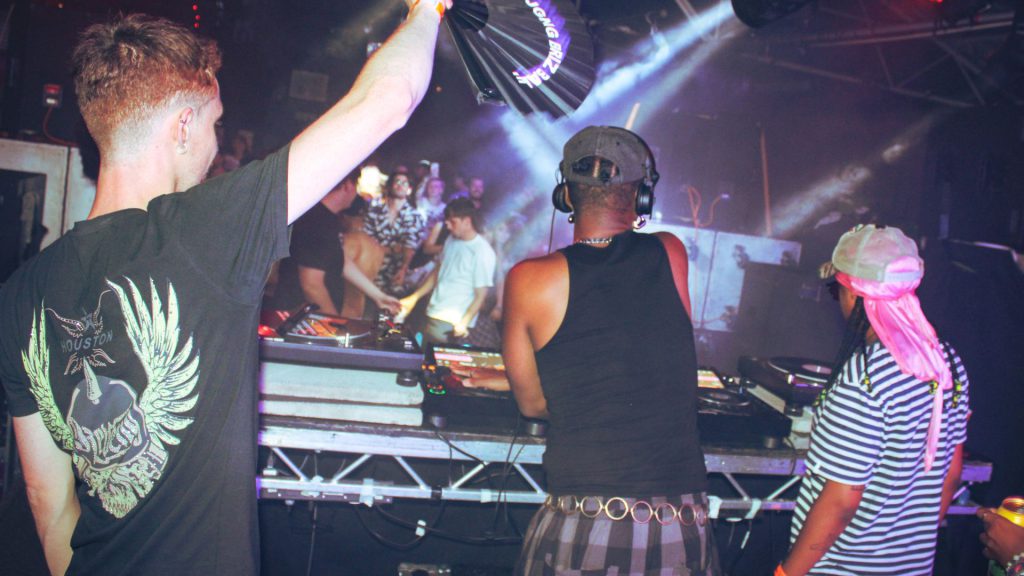
Observing the team's reflections on leadership and collaboration reveal a humility and generosity rare in nightlife. “It’s not discrediting your work to ask for help. If anything, it’s the only way it runs smoothly.” Supported by a trusted team, JGNG ensures contributors are fairly compensated for their work, from welfare to door staff and photographers. “After all the planning, I want to enjoy the fruits of that work.”
Affordability and accessibility sit at the heart of Jungyals and Gays’ ethos, driven by a deep-rooted belief that music and community should never be commodified. “We always release early entry tickets super cheap… tickets start from £3 in London. If someone can’t afford a ticket, we’ll find a way for them to come,” Daya explains. This ethos extends far beyond ticketing. As a non profit venture, JGNG reinvests every penny it generates directly back into the project. “We’re not doing it for the money, we’ve never done it for the money,” Chloe states. “Every single penny that we make from Jungyals goes straight back into it. We don’t take profit. We both have full-time jobs.” From funding studio sessions to supporting resident DJs’ development and ensuring all artists are paid fairly, giving guest DJs 100% of their fee during takeovers, their model resists the extractive logic of the wider nightlife economy. Instead, JGNG sustains itself through care, intention and collective investment.
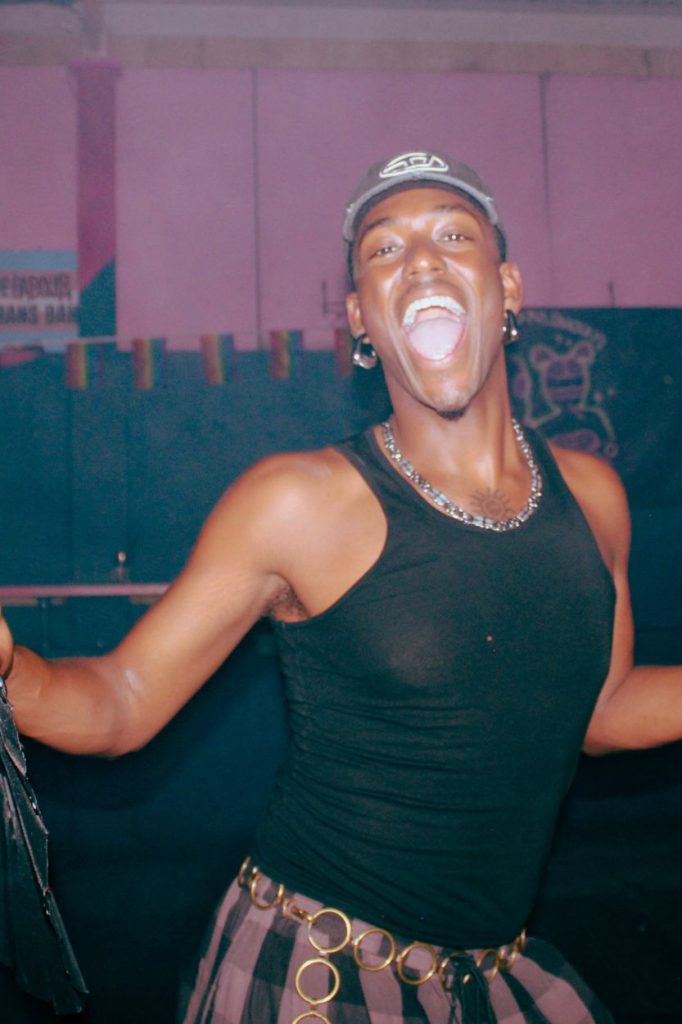
Ultimately, Jungyals and Gays offers a compelling blueprint for change. A model of passion over profit, inclusion over exclusion and safety over complacency. Their story quietly challenges the industry to reflect and reform, reminding us that “if you forget where you came from and your appreciation for the underground, you lose something valuable.”
JGNG is not just an events collective; it is a testament to what can happen when lived experience fuels action and kindness underpins creativity. It is a space built from the ground up to reflect the values of those who felt excluded elsewhere, now offering a blueprint for what inclusive and transformative nightlife can look like. As the two reflect, “What you’re doing for that evening; it’s not just an event, it is a community. You’ve got people there for a few hours, they’re meeting new people, they’re seeing new music… and you just want to make it as enjoyable for everyone really, don’t you? That’s the bottom line of
it.”