


W: Billy Boy
"Wanchana doesn't just design clothes; they curate histories, proving that there is immense beauty in the broken and the old."
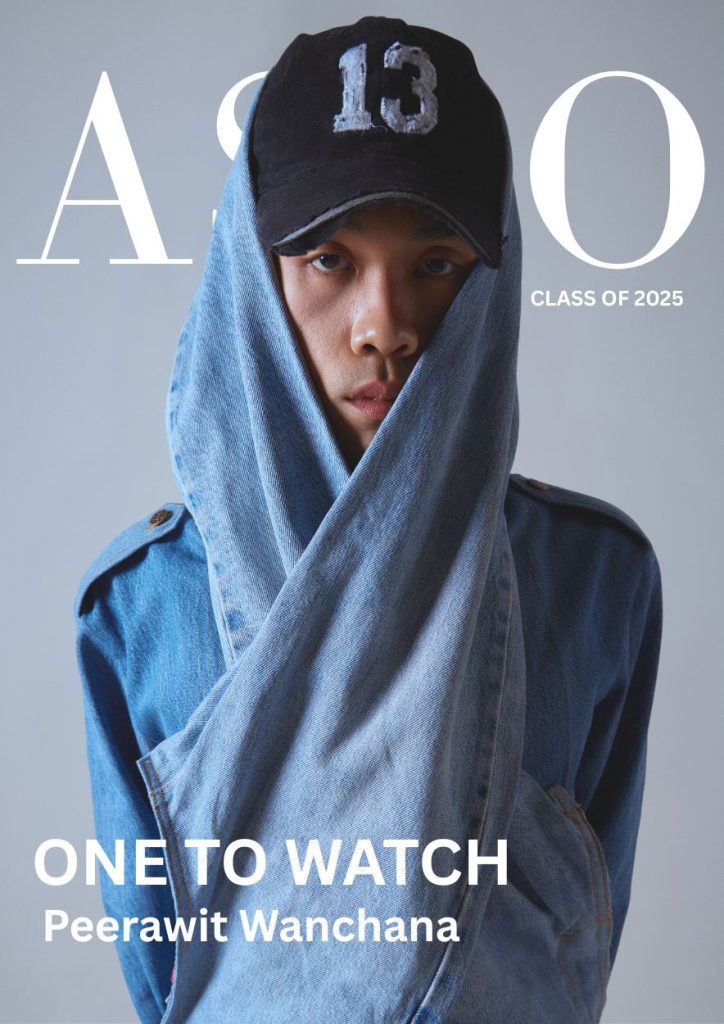
Peerawit Wanchana’s graduate collection, Fragments of the Unseen, is a sophisticated exploration of narrative and sustainability that challenges the traditional boundaries of luxury. By drawing a parallel between the rebellious spirit of 1950s American cinema—specifically Rebel Without a Cause—and the poignant realism of Middle Eastern films like The Song of Sparrows, Wanchana identifies a universal human experience: the struggle of the outsider. This thematic foundation allows the collection to move beyond simple aesthetics, offering instead a profound commentary on generational conflict and societal rejection.
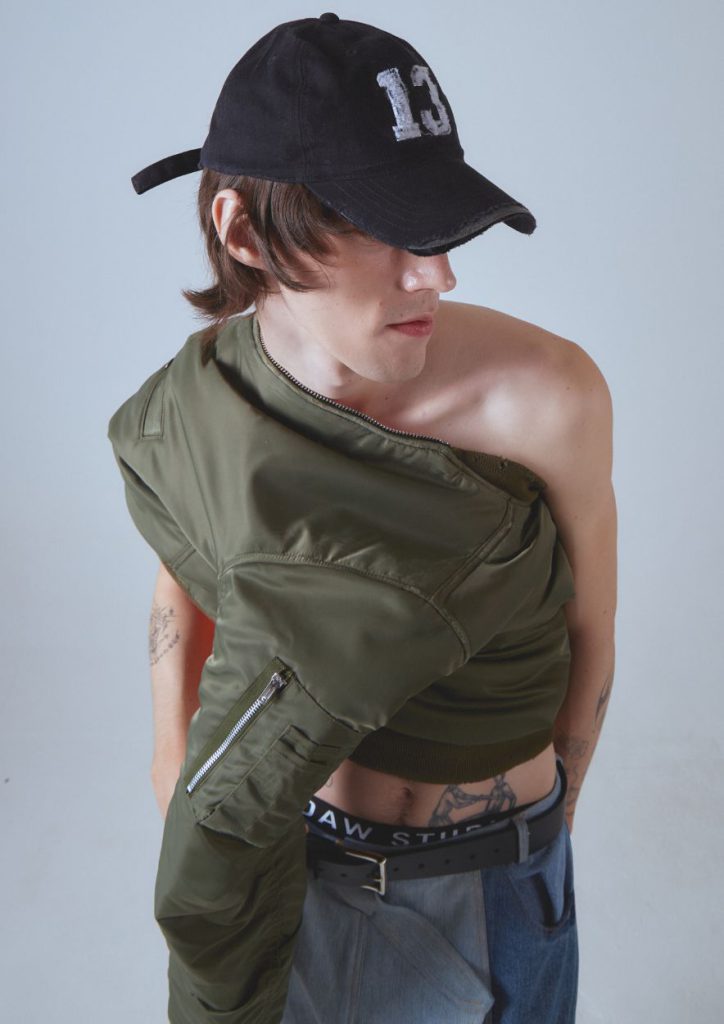
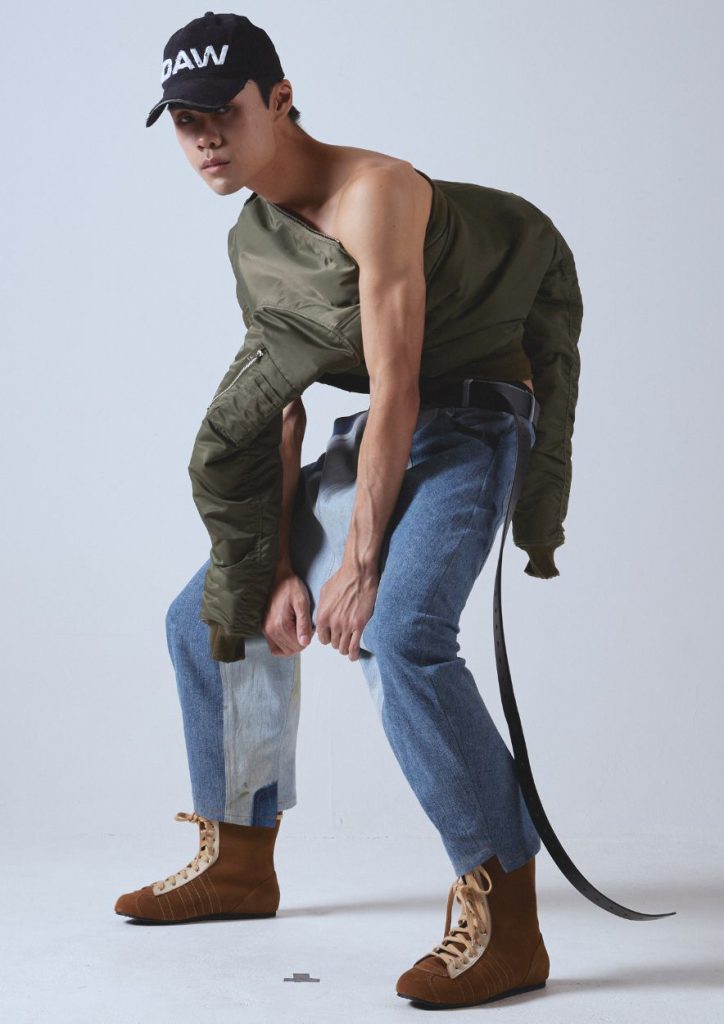
The collection’s most striking feature is its commitment to the "unseen" through the deliberate use of second-hand and flawed materials. In an industry often obsessed with pristine perfection, Wanchana finds beauty in the discarded. By utilizing items that have been overlooked or deemed unaccepted by society, the designer creates a physical manifestation of the characters found in his cinematic inspirations. Each fray, stain, and repair serves as a badge of history, ensuring that every garment carries a sense of soul and character that cannot be replicated by mass production.

Visually, the collection is a masterclass in cultural fusion, successfully blending the iconic silhouettes of mid-century Western rebellion with the draped, utilitarian textures of the Middle East. This synthesis results in garments that feel both nostalgic and entirely modern. The ruggedness of the American "teenager" archetype is softened and complicated by the earthy, resilient aesthetic of Middle Eastern storytelling. The result is a series of pieces that are not just clothes, but artifacts of a shared global narrative.
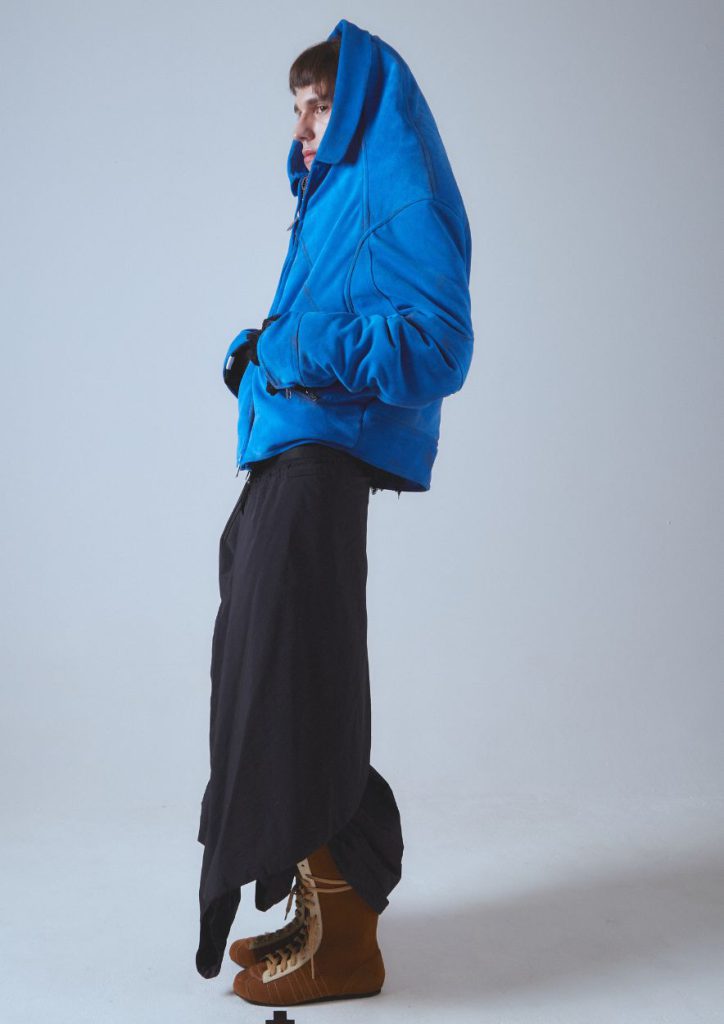
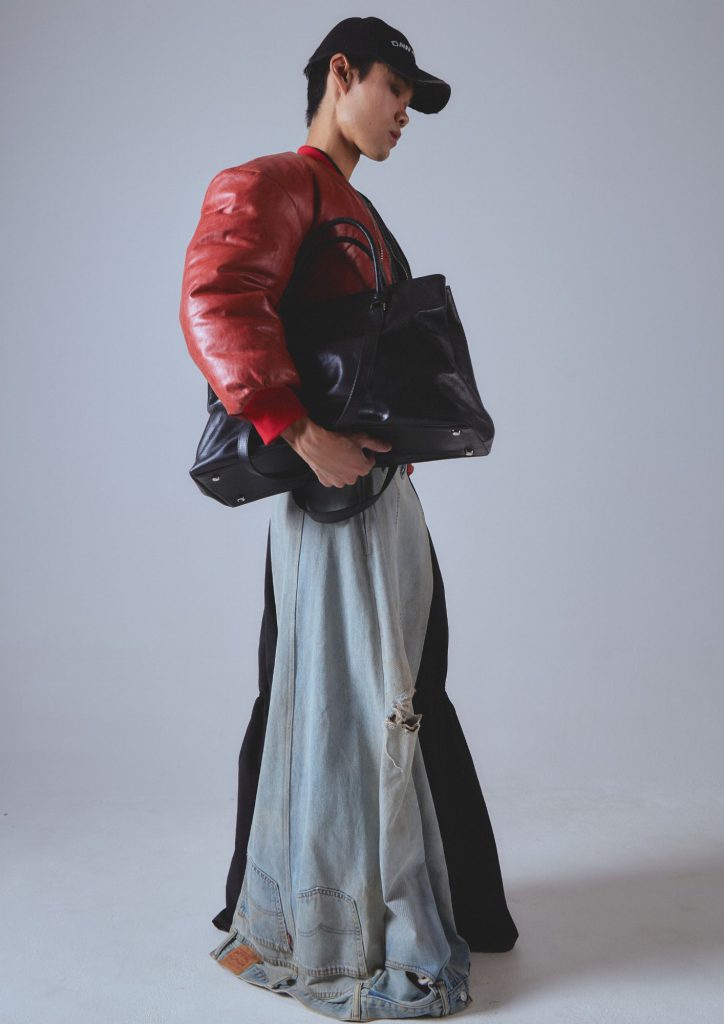
Ultimately, Fragments of the Unseen establishes Peerawit Wanchana as a designer who values intellectual honesty and emotional resonance. The collection serves as a reminder that fashion is at its most powerful when it embraces imperfection. By giving a second life to flawed materials, Wanchana has created a captivating body of work that honours the marginalized and turns the "unacceptable" into something truly extraordinary.