

W: Harry J Knight I: Daniele Venturelli
Presented at BASE Milano on 27 October 2026 under the event theme "Speak Up!", Istituto Marangoni Milano’s showcase at Fashion Graduate Italia 2026 rejected nostalgic pastiche in favour of structural friction. Rather than delivering a homogenous house aesthetic, Programme Leader Antonio Patruno Randolfi’s cohort of 10 emerging designers used the runway to interrogate the human form as an active site of negotiation—shielding, distorting, and rebuilding silhouettes through exacting pattern-cutting and material tension.
Istituto Marangoni’s 2026 graduate showcase refused to treat "emerging talent" as an excuse for rawness or runway gimmickry. Backed by heavyweight Italian mills Ratti and Bonaudo, the cohort delivered razor-sharp cutting, visceral material contrast, and fierce restraint—proving the loudest statements are built into the seams, not printed on a slogan.
Across the 10-designer lineup, the strongest collections embedded their conceptual arguments directly into garment architecture rather than relying on programme notes:
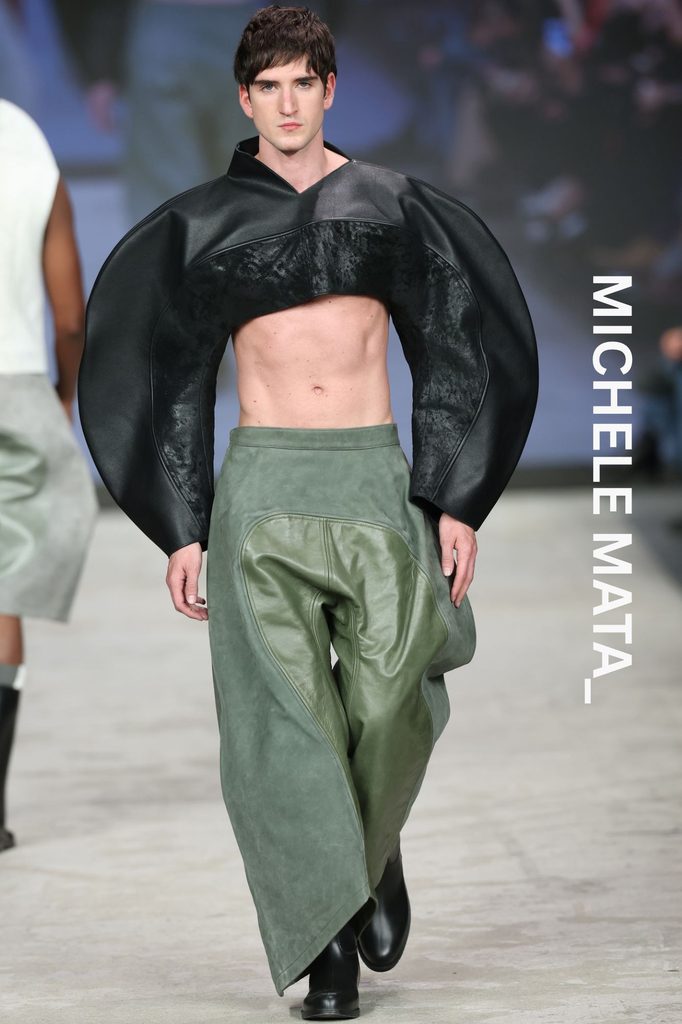
- Michele Matà (RitmoMateria): One of the show's most resolved, architecturally assured propositions. Matà treated pattern-making as three-dimensional spatial composition, where every line and volume counterbalanced the next—allowing the garment's construction to speak entirely for itself without theoretical scaffolding.
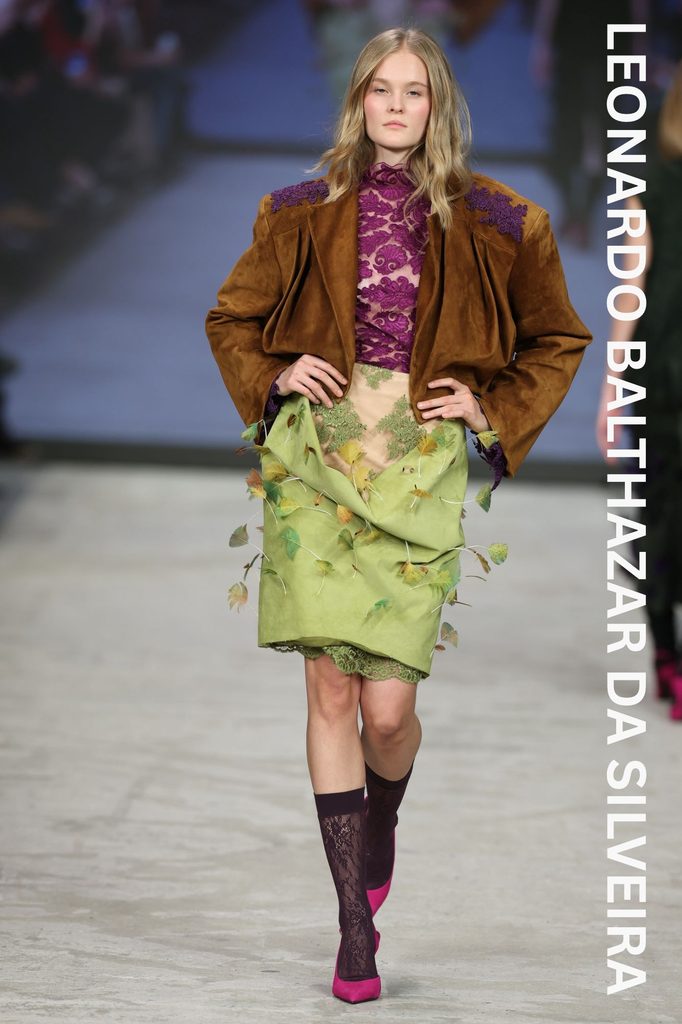
- Leonardo Balthazar da Silveira (SILENZIO): Drawing on Fernando Pessoa and Lucio Fontana, da Silveira paired Bonaudo leather with delicate lace to stage a dialogue between psychological armour and vulnerability. Severe, compact upper-body tailoring gave way to sweeping dark feathers across the lower silhouette—an abrupt, theatrical release of tension.
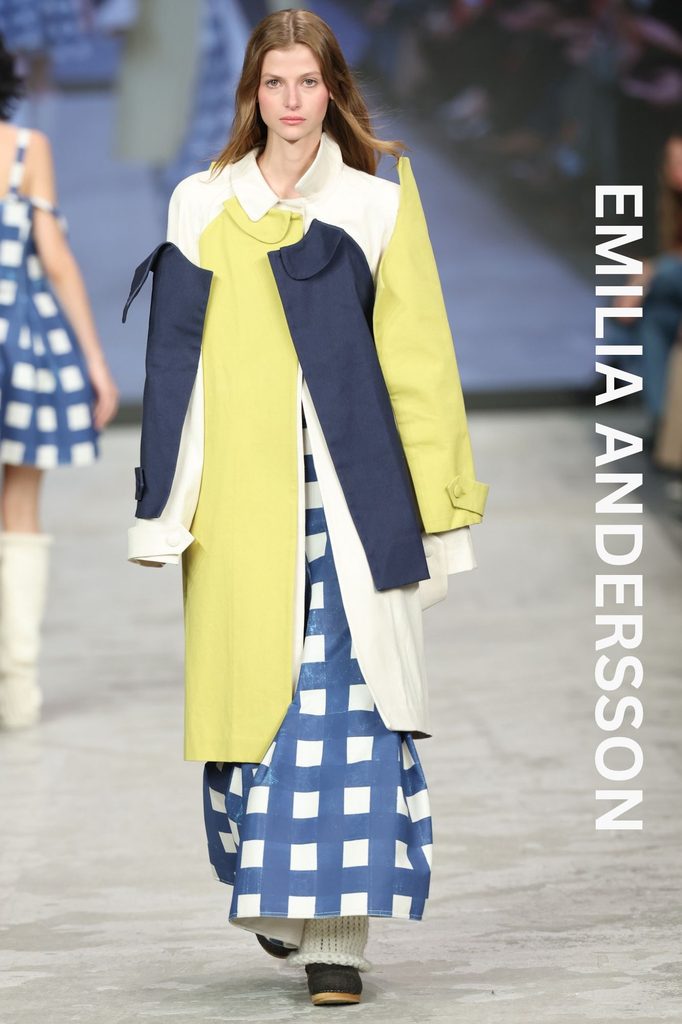
- Emilia Andersson (Indoor Wind): Rooted in Albert Camus’s philosophy of the absurd, Andersson sent out hyper-disciplined, utilitarian uniforms stripped of their original purpose. The precision of the tailoring lent a deadpan, existential wit to garments built for tasks that no longer exist.
- Sonia Leonte (SONDER): Balancing commercial wearability with sculptural presence, Leonte juxtaposed crisp, restrained tailoring against dramatic collars and rich Bonaudo leather, using proportion to visualize personal space and self-protection.
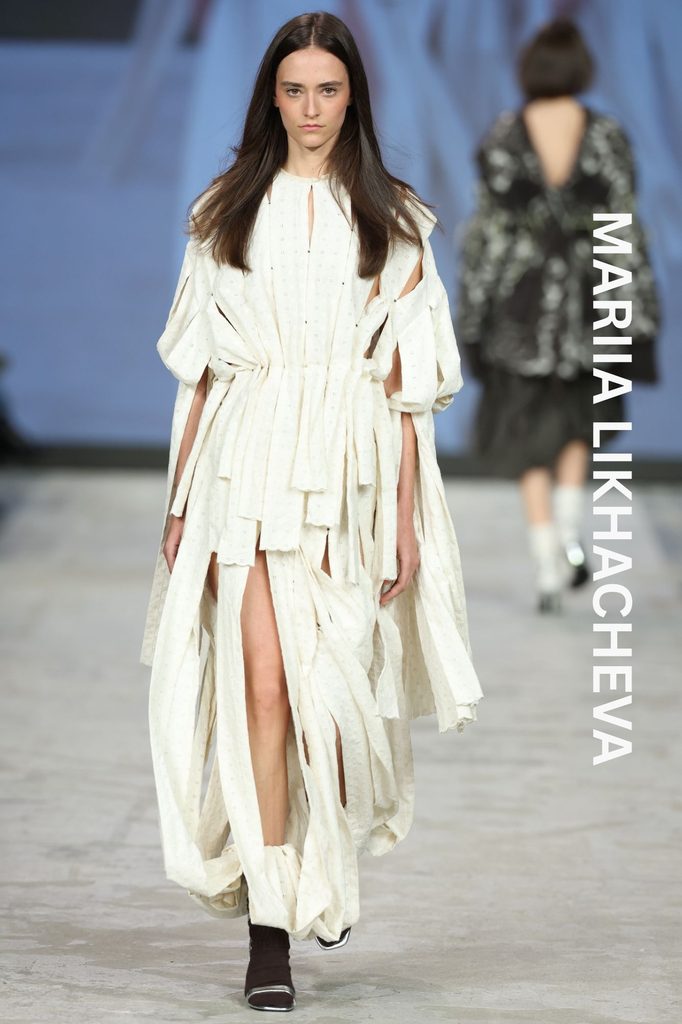
- Mariia Likhacheva (Rodnoe): Translating domestic interiors, architecture, and personal memory into layered textiles, Likhacheva avoided sepia-toned sentimentality in favour of shifting transparencies, competing prints, and kinetic volume.
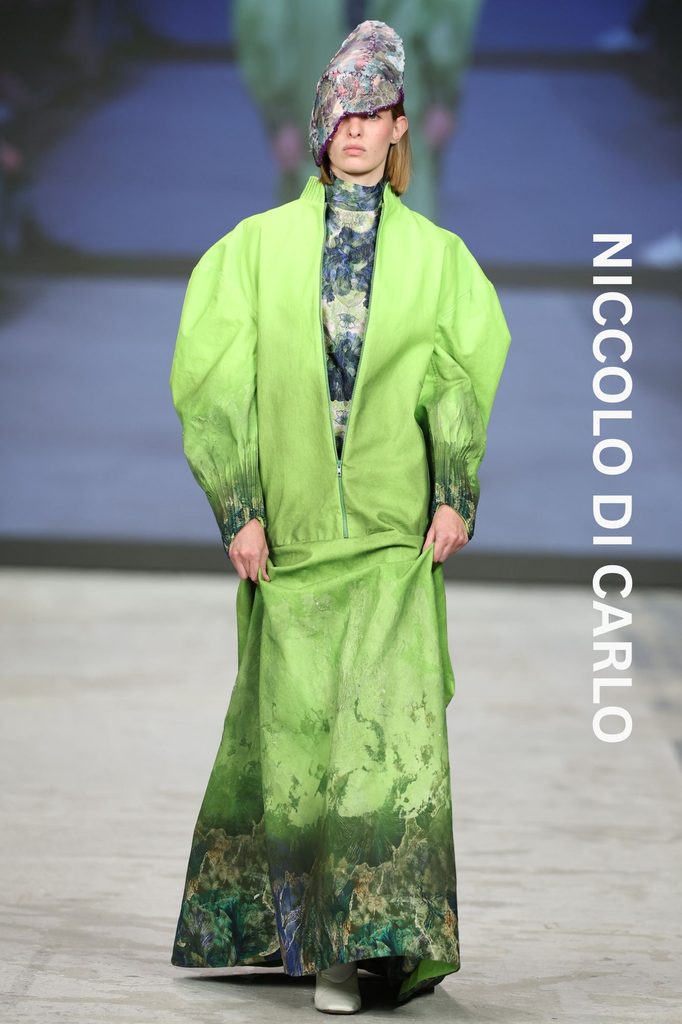
- Niccolò Di Carlo (Vil Pensiero e Corpi Altrui): Delivering one of the runway's most confrontational structural statements, Di Carlo disrupted familiar anatomical outlines so the eye could never settle on a conventional silhouette.
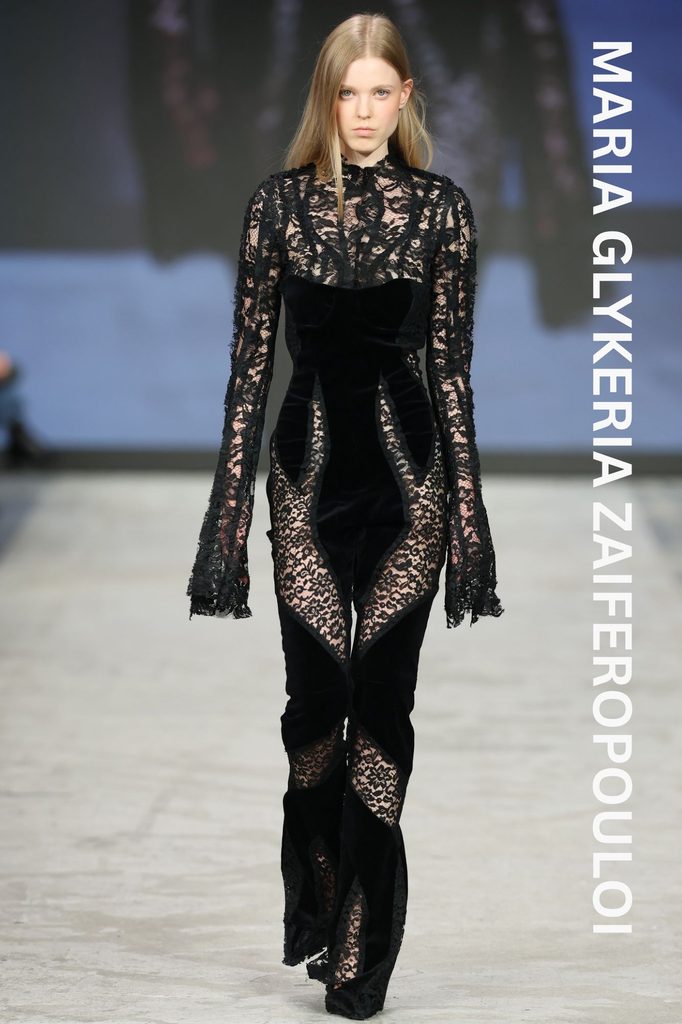
- Maria Glykeria Zafeiropoulou (Dreams Come True): Combining lace, velvet, and leather with exposed seams, raw unresolved edges, and hand-embroidered cross motifs, Zafeiropoulou gave optimism a gritty, tactile weight.
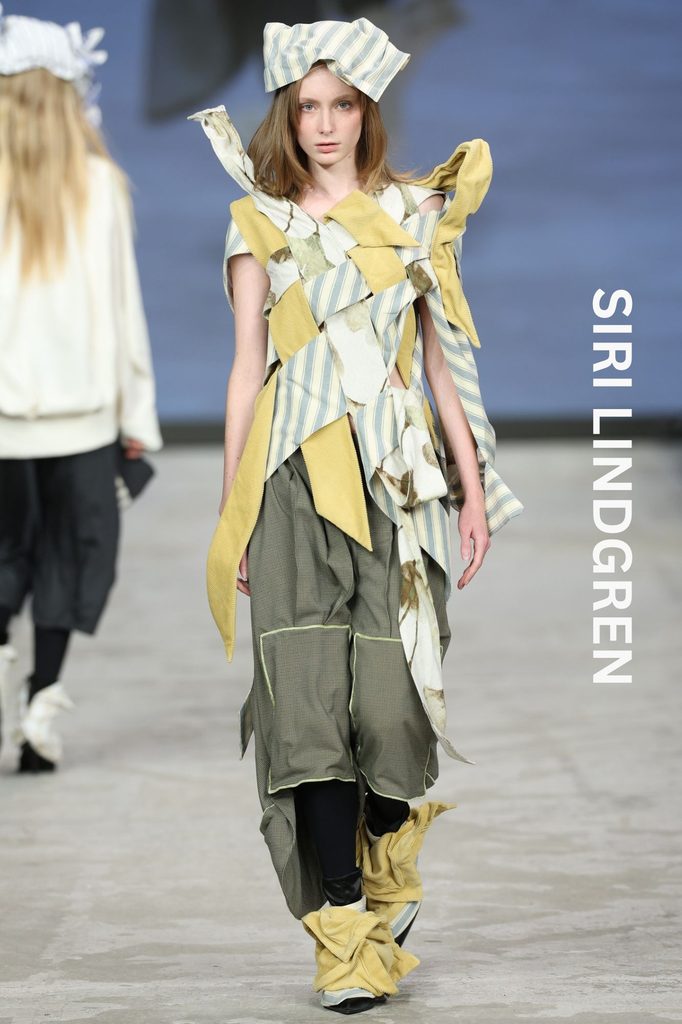
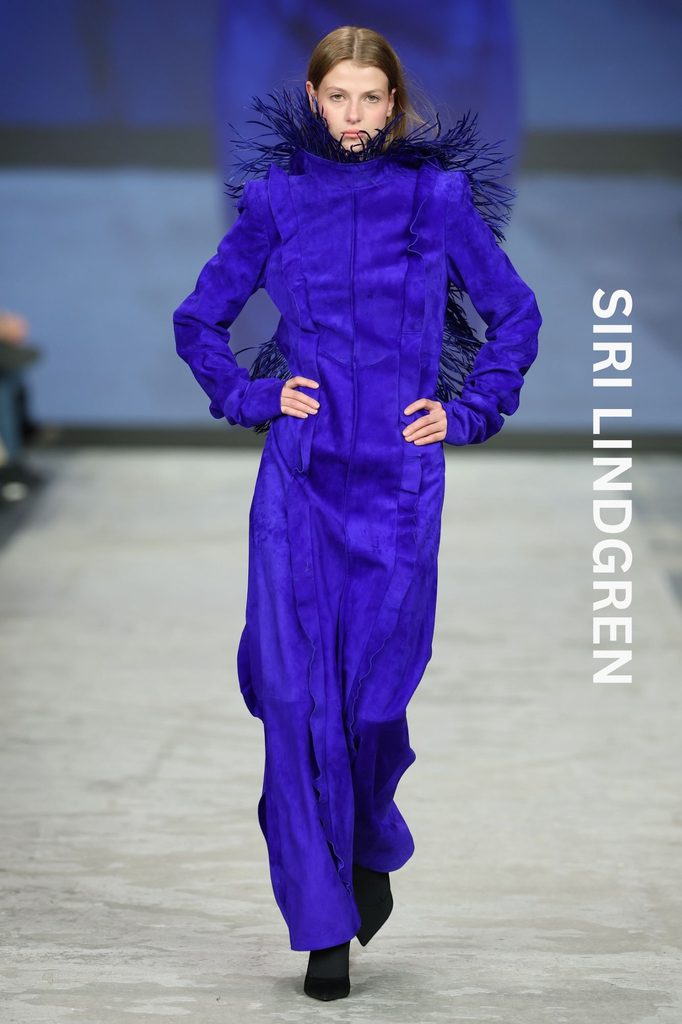
- Siri Lindgren (Anterum): Named after the waiting room before a main event, Lindgren’s controlled silhouettes turned the messy visual codes of public conformity into deliberately cumbersome, thought-provoking outerwear.
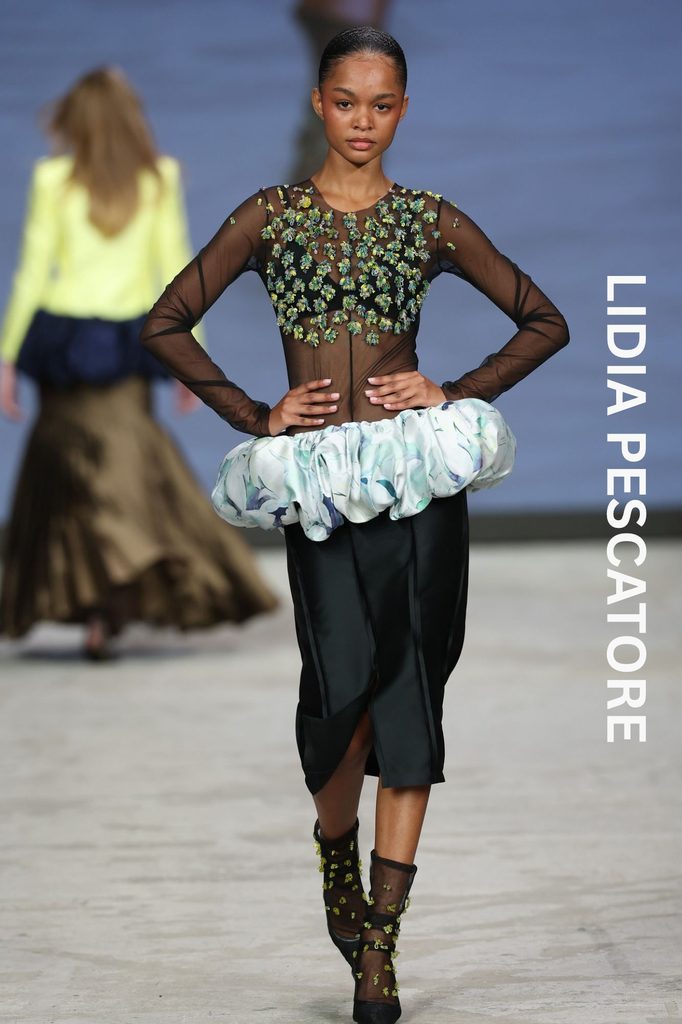
- Lidia Pescatore (L'ultima favola): Playing with scale by pairing 1950s elegance with an Impressionist palette, Pescatore dressed models in garments that looked slightly outgrown—challenging nostalgia rather than merely styling it.
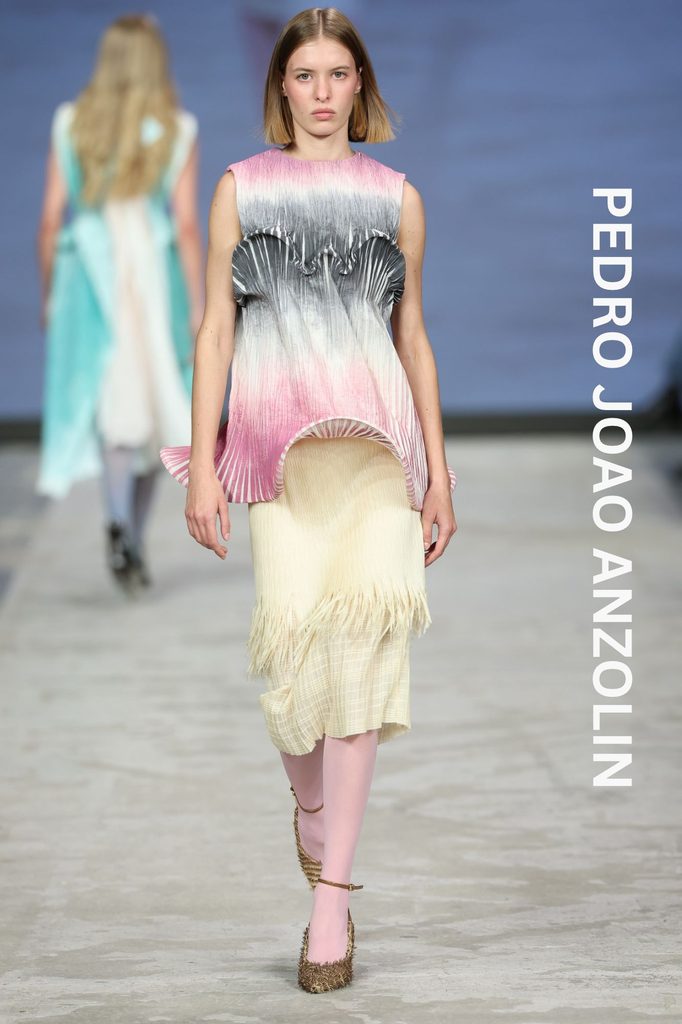
- João Pedro Anzolin (Acquainted): Working with silk fabrics supplied by Ratti, Anzolin used intricate pleating, embroidery, and sheer layering to mimic light refracting across water, rewarding close inspection over instant runway spectacle.
.
.