


W: Jeremy Gordan
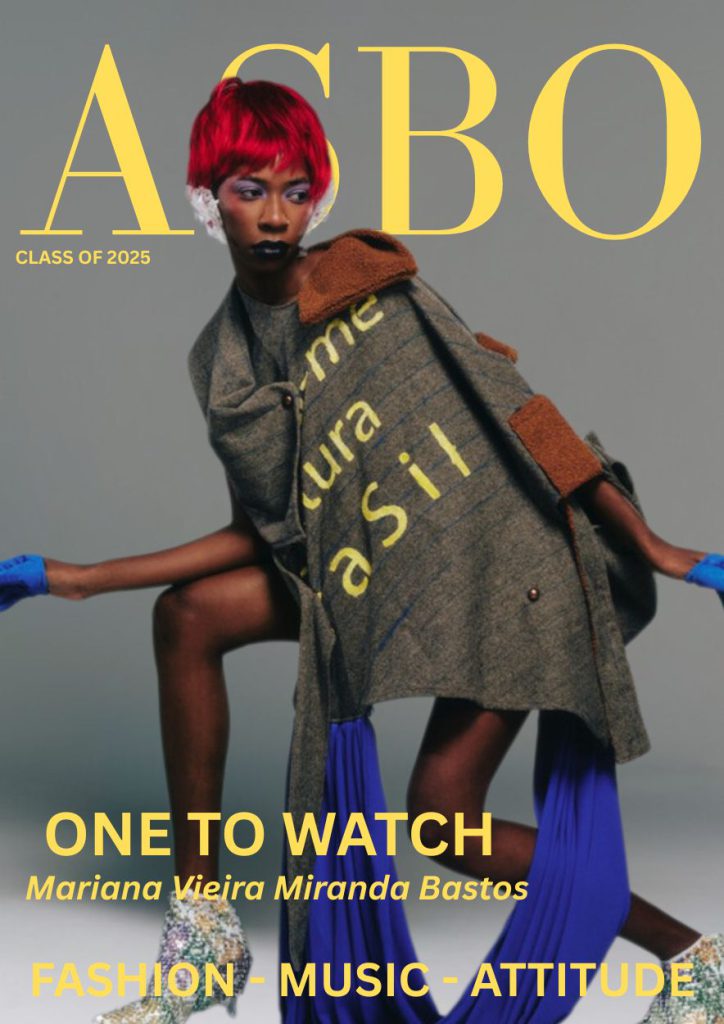
In the landscape of contemporary fashion, few collections manage to bridge the gap between intellectual rigor and sensory delight as seamlessly as “Touching Art.” Designed by Mariana Vieira Miranda Bastos, this capsule collection is a sophisticated exploration of the human experience, rooted in the visceral connection between the wearer and the woven form. By centering the collection on the sense of touch, Bastos moves beyond the visual "image" of fashion to investigate how fabric can become a living, breathing extension of the self.
"The garments are not merely worn; they are activated. Without the body’s movement, the art remains silent
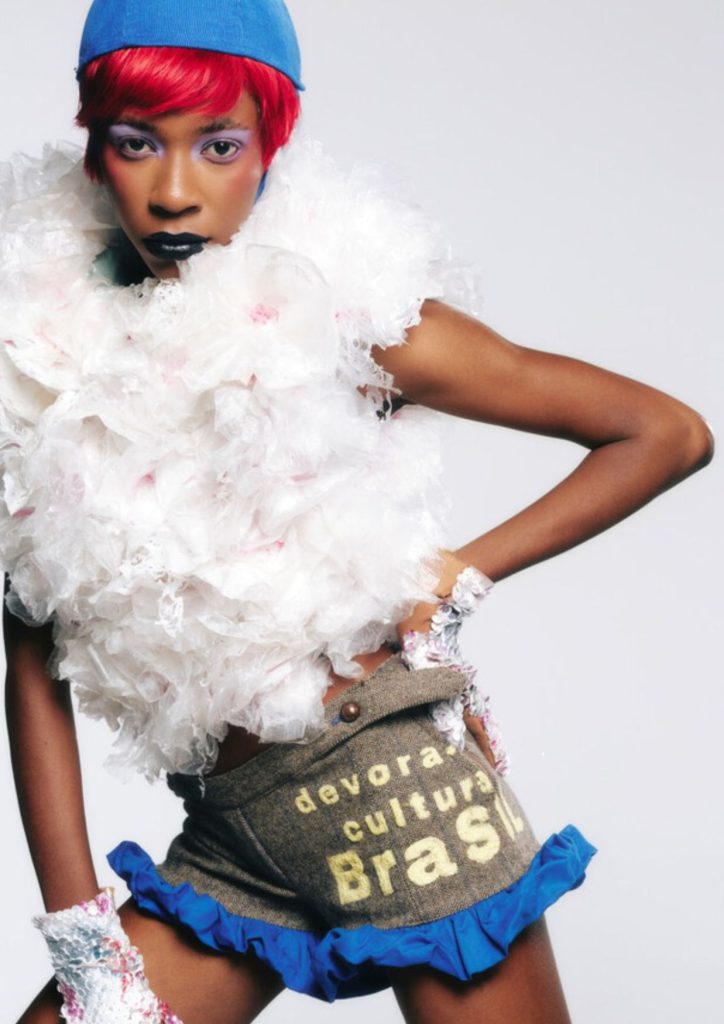
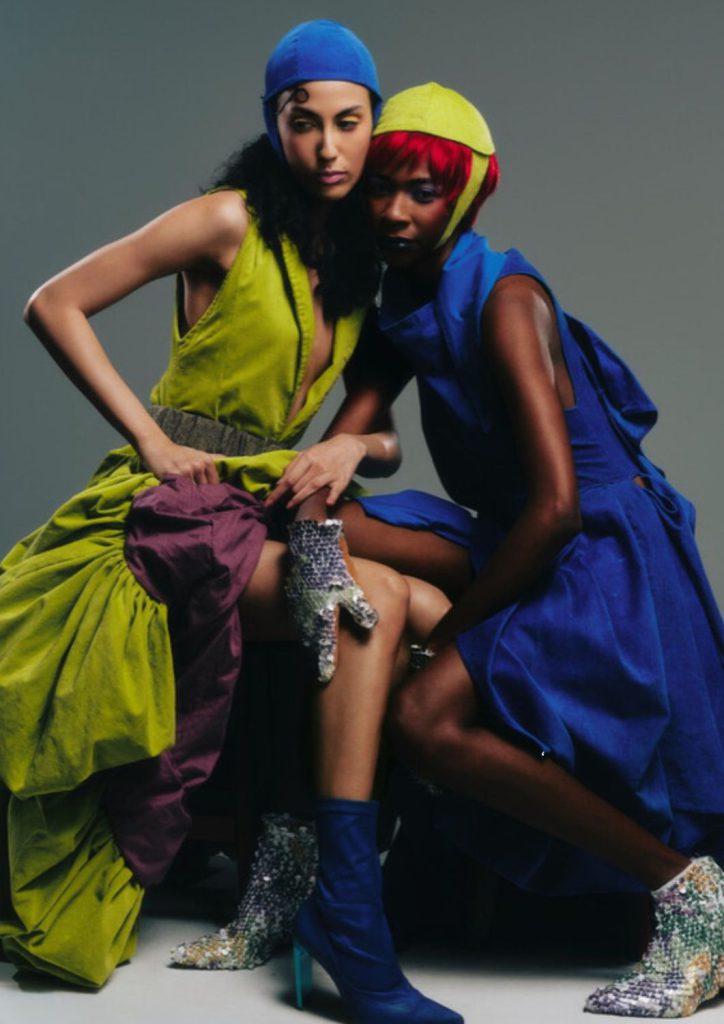
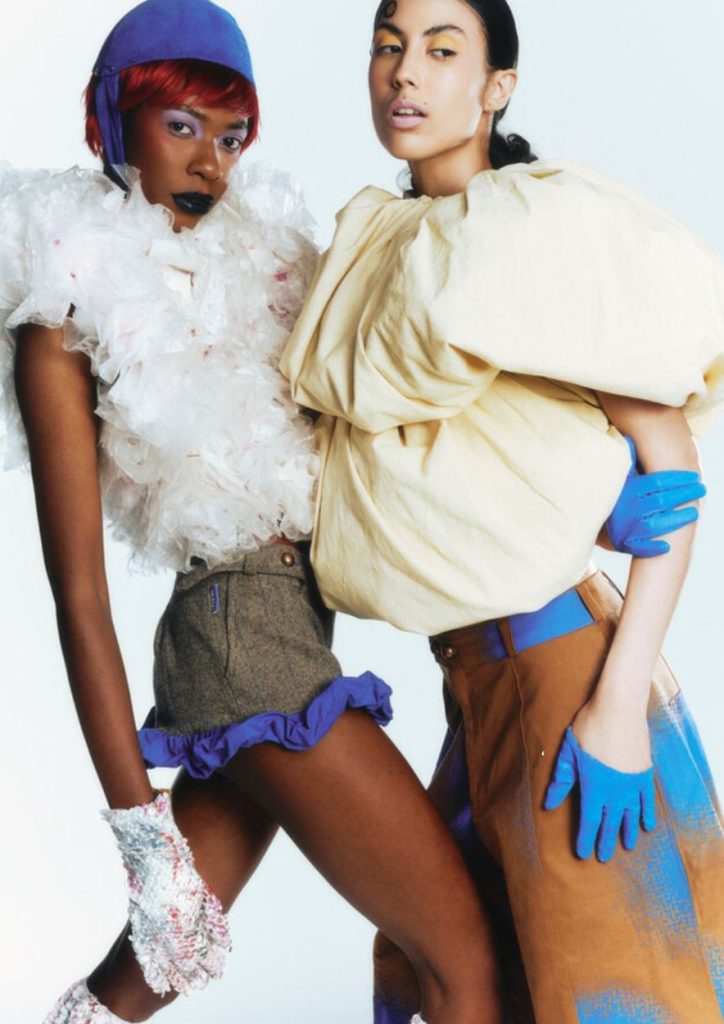
The conceptual backbone of the collection is Neoconcretism, the revolutionary Brazilian art movement that sought to bring art off the pedestal and into the hands of the public. Drawing inspiration from pioneers like Lygia Clark and Hélio Oiticica, Bastos treats her garments as "sensory objects." These pieces are designed to respond to the kinetic energy of the wearer, shifting and evolving as the body moves through space. This performative quality ensures that the aesthetic is never static; it is a fluid, ongoing dialogue between the fabric and the frame.
Beyond its philosophical roots, “Touching Art” is a testament to the beauty of conscious creation. In an era of disposable fashion, Bastos takes a stand by utilizing reused fabrics, proving that sustainability and high-concept design are not mutually exclusive. This choice adds a layer of history and depth to the pieces, as the materials themselves reveal a tactile, weathered aesthetic that invites exploration. The result is a collection that is as kind to the planet as it is provocative to the mind.
"By repurposing what already exists, we reveal a tactile history that connects the past to the performative present."
Ultimately, Mariana Vieira Miranda Bastos has crafted more than just a series of garments—she has created an invitation to feel. “Touching Art” challenges us to reconsider our relationship with our clothes, urging us to see them not as passive coverings, but as conscious, performative partners in our daily lives.