

Theo Thompson
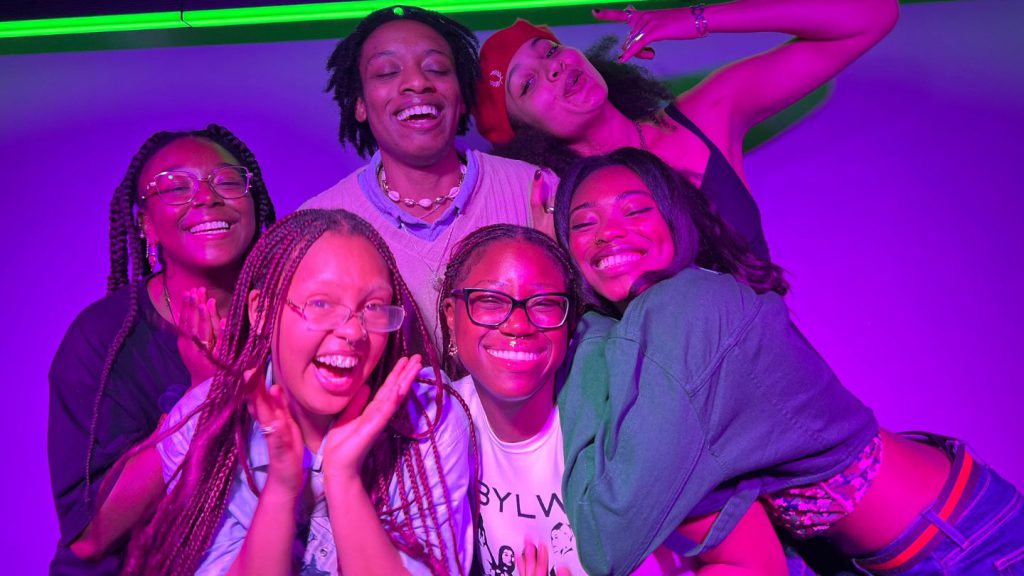
In an industry where decks are too often monopolised by the same faces, Amen Gyaldem (AGD) emerges as a quiet revolution with basslines. Co-founded by Shan (MC) and Noli (DJ), this London-based platform is not just another DJ collective. AGD is a force reshaping the sound and soul of rave culture. Born, as Shan puts it, “out of necessity,” Amen Gyaldem is both a protest and a proposition: that music spaces can, and must, be inclusive, safer and radically joyful.
Their journey began in frustration. “We were done. We were like, no,” says Noli, recalling nights spent in dancefloors that celebrated the music but sidelined the people who built its foundations. “We were just looking at the lineup being like, yeah, where are the women? Where are the Black people?”
It wasn’t just absence they felt, it was erasure. Events steeped in jungle, drum and bass and rave culture rarely made room for Black women or gender-diverse artists. “A lot of the times, there’s no one that’s really looking out for you,” Shan says. That sense of otherness; of being hyper-visible yet unheard fuelled their resolve to create something different.
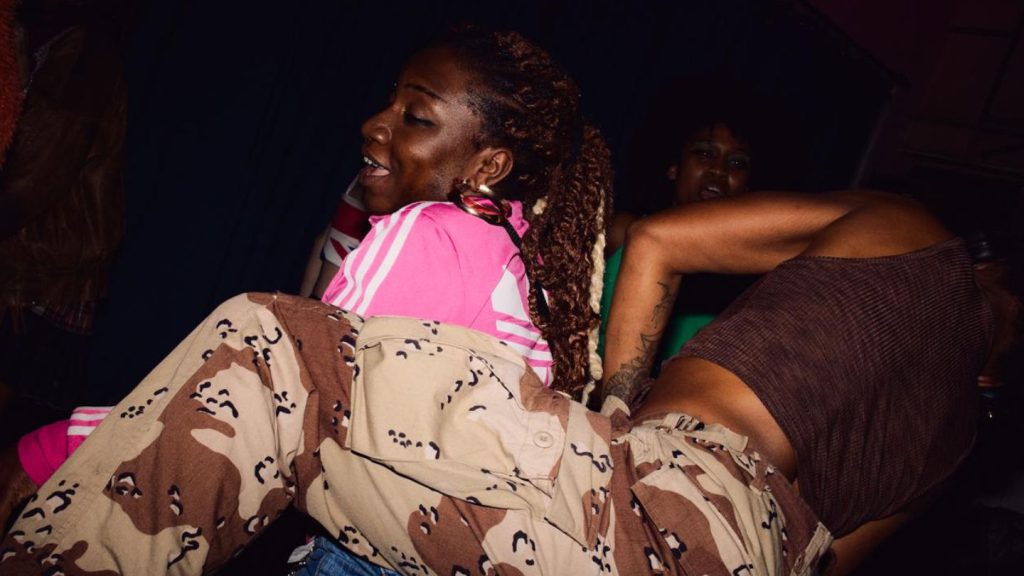
Amen Gyaldem isn’t a space carved out of exclusion, but one built with care. “We want to create a space where people like us just feel safe to rave, because we deserve to be in that space,” Noli explains. Their work resists the tokenistic logic of mainstream bookings, favouring a deeper, community rooted model. “We don’t book based off clout,” Shan adds. “We book off of talent or prospective talent.”
Much of their critique is directed at the structural misogyny and racial bias that permeate the scene. “Certain spaces are still not inclusive,” Noli states plainly. “I’ve heard MCs stood right next to me saying misogynistic things about women.” Shan echoes the sentiment with hard truth: “They will actually push you out the way. They really don’t give a toss.” Their response is not to retreat, but to resist. Loudly and collectively.
But this isn’t just a story of hardship, it’s one of vision. Amen Gyaldem dreams big. A mobile stage modelled on an African hair shop. Grassroot festivals. A future where young, neurodivergent ravers and first-time DJs feel held. “That’s our dream,” says Shan. “A stage that’s like a safe space within the community.” The symbolism is deliberate: “Hair is such a staple. The hair shop is a community place.”
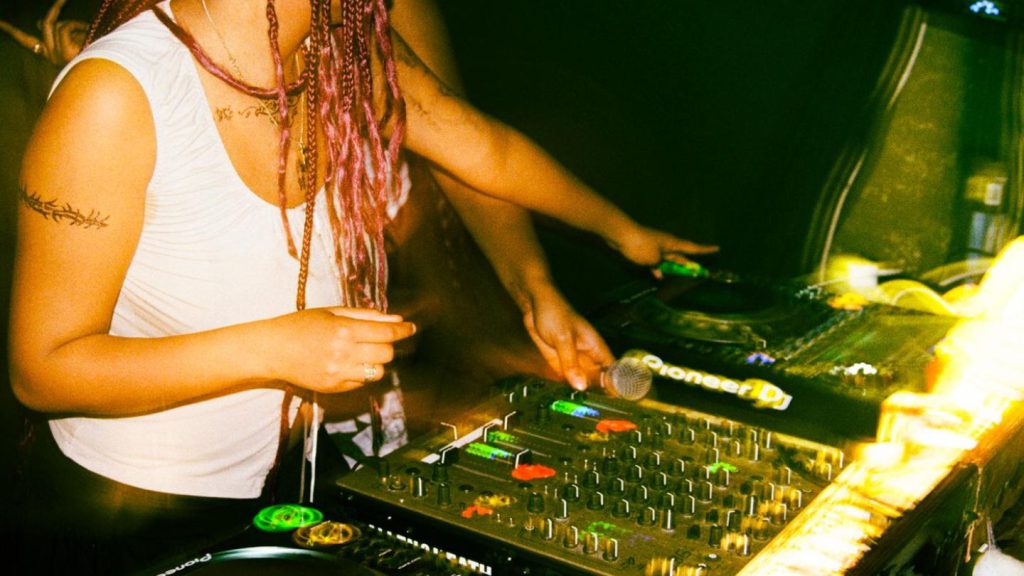
They are already watching their impact unfold. “She messaged me in tears after saying, ‘Four years of DJing I had never played to a crowd that looked like me,’” Noli recounts of a DJ who played their first AGD set. The moment captures AGD’s ethos; representation not as trend, but as transformation.
In a scene saturated with gatekeepers, Amen Gyaldem builds doors. “We’re not here to gatekeep,” Noli insists. “We’re here to share.” And share they do, with openness, intention and an unwavering belief in music’s power to heal, connect and liberate. As Shan says, “We’re just babes from uni… but we want to change the world.”