

W & I: Katie McGoran
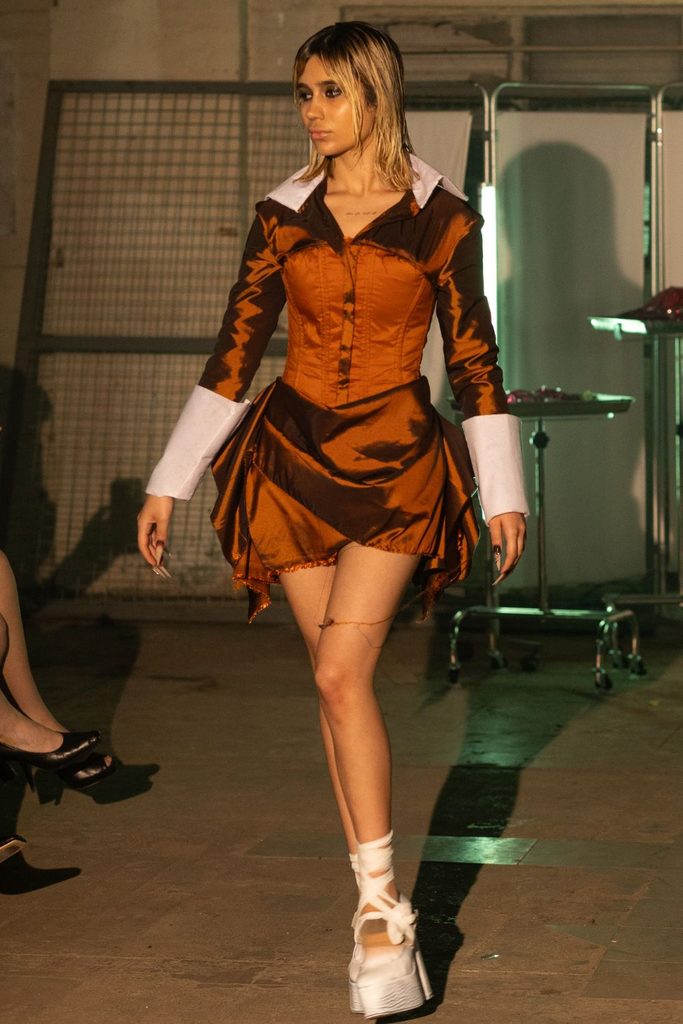
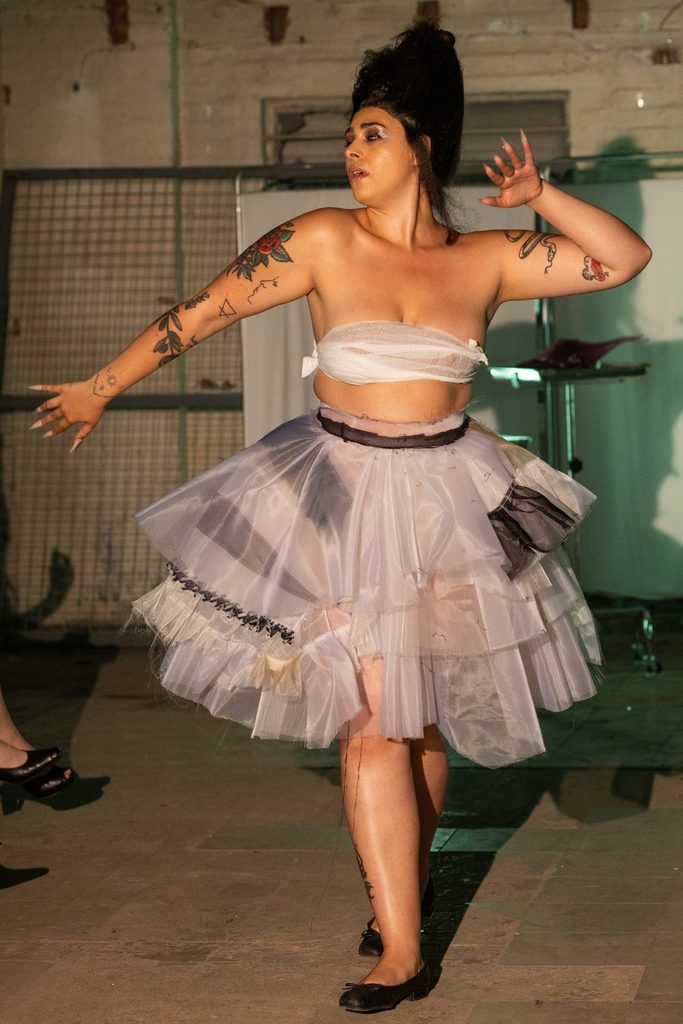
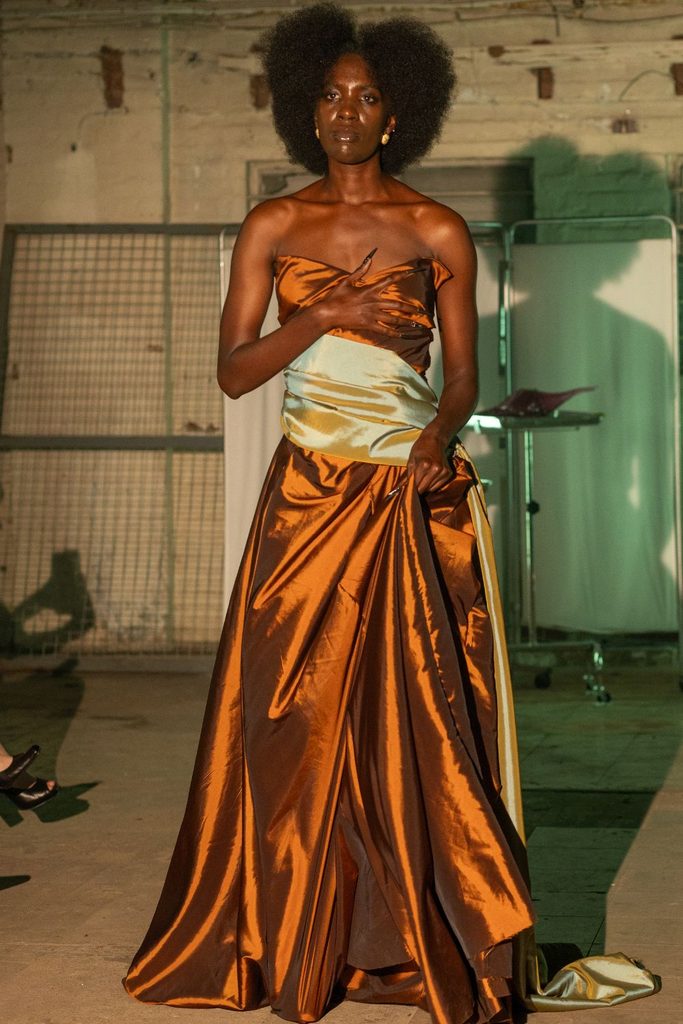
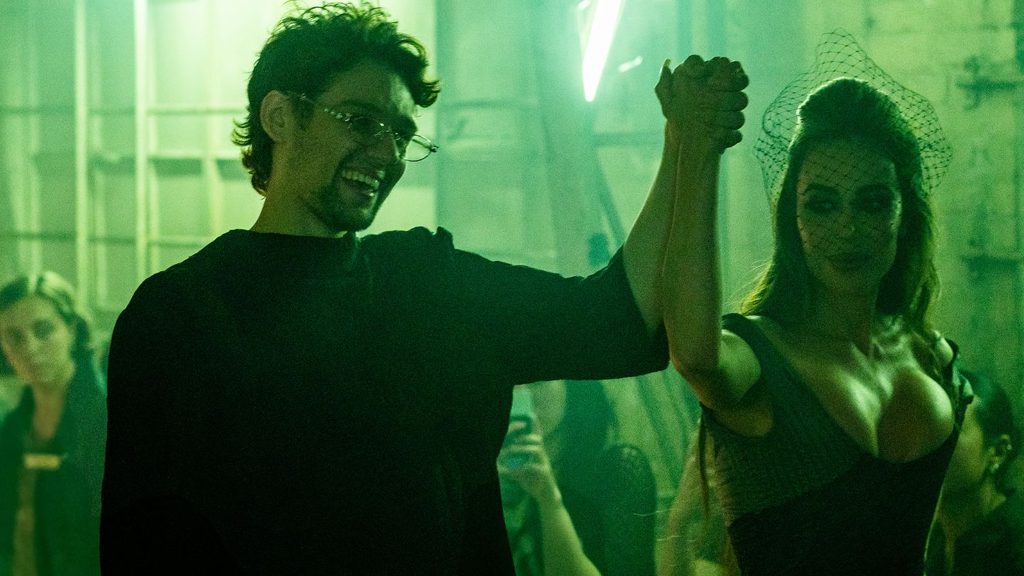
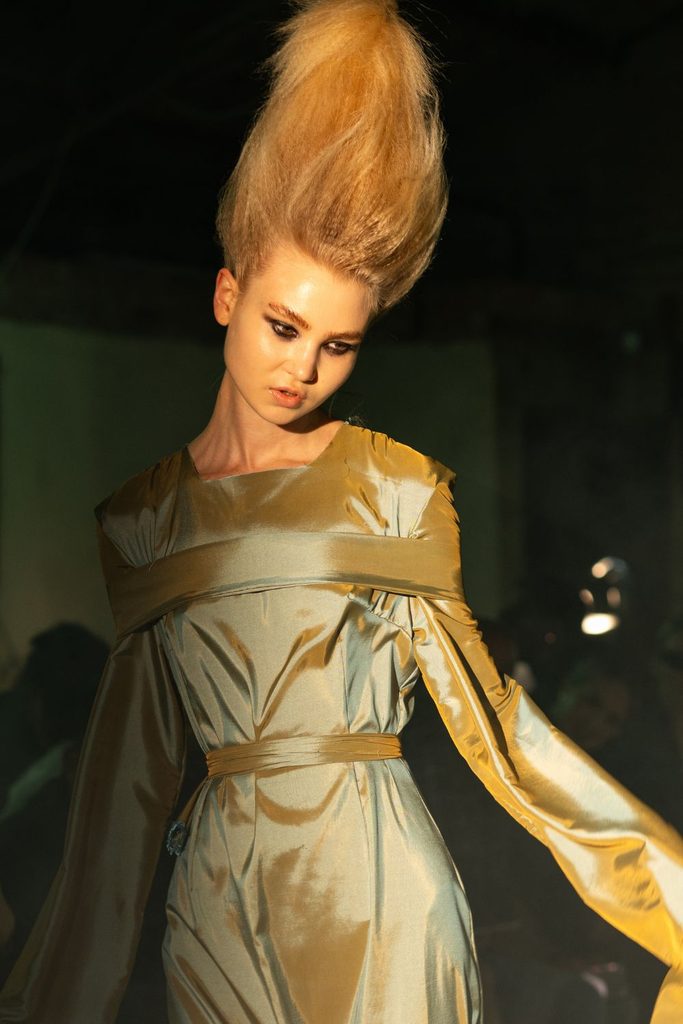
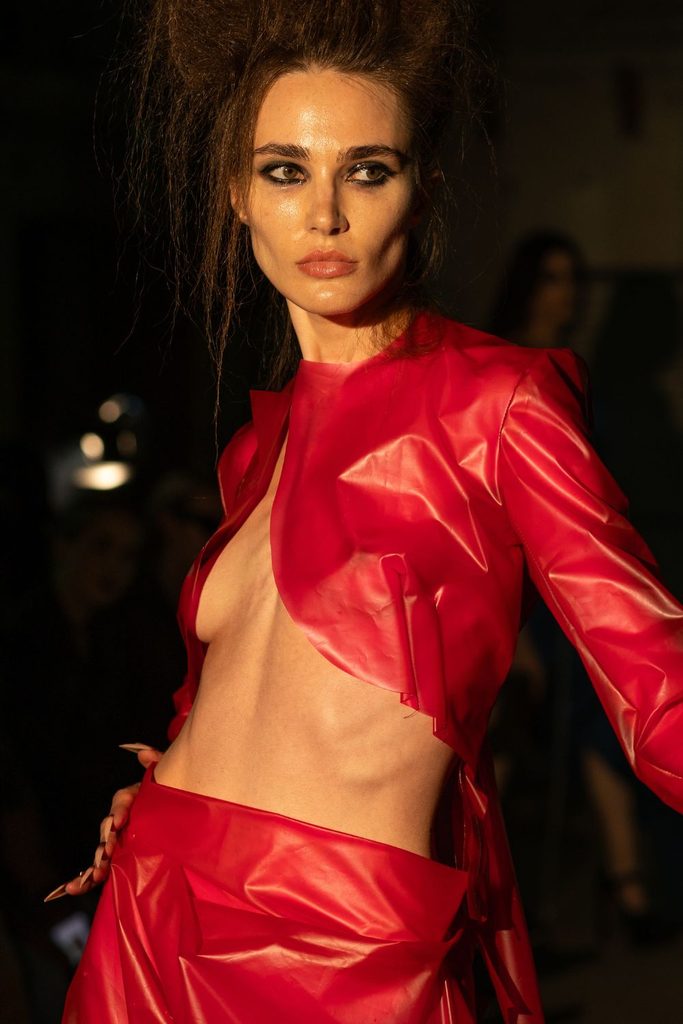
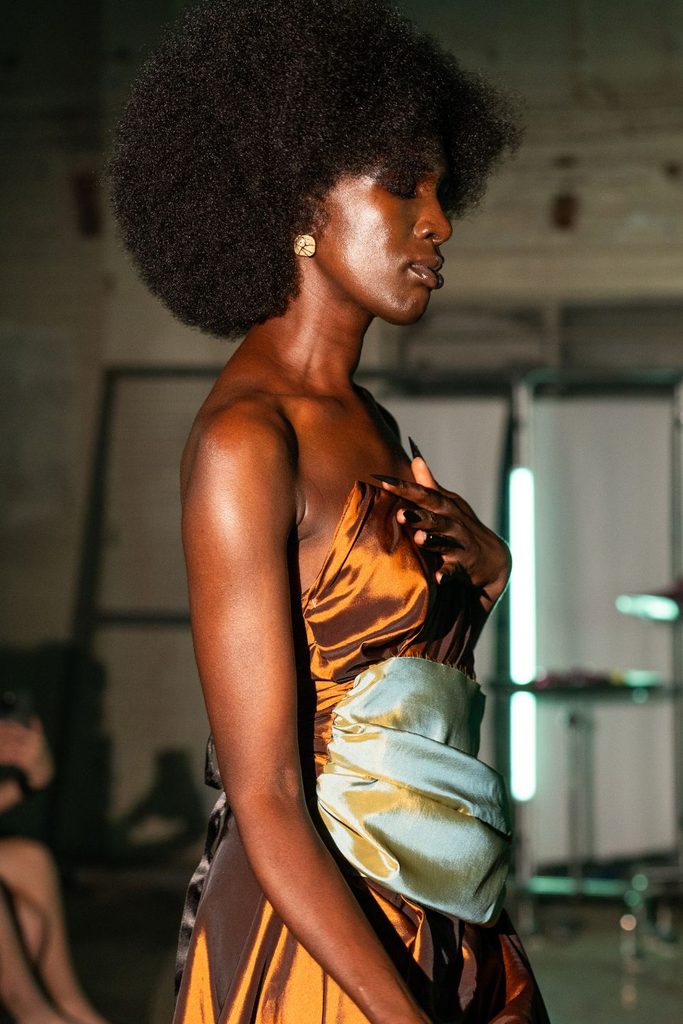
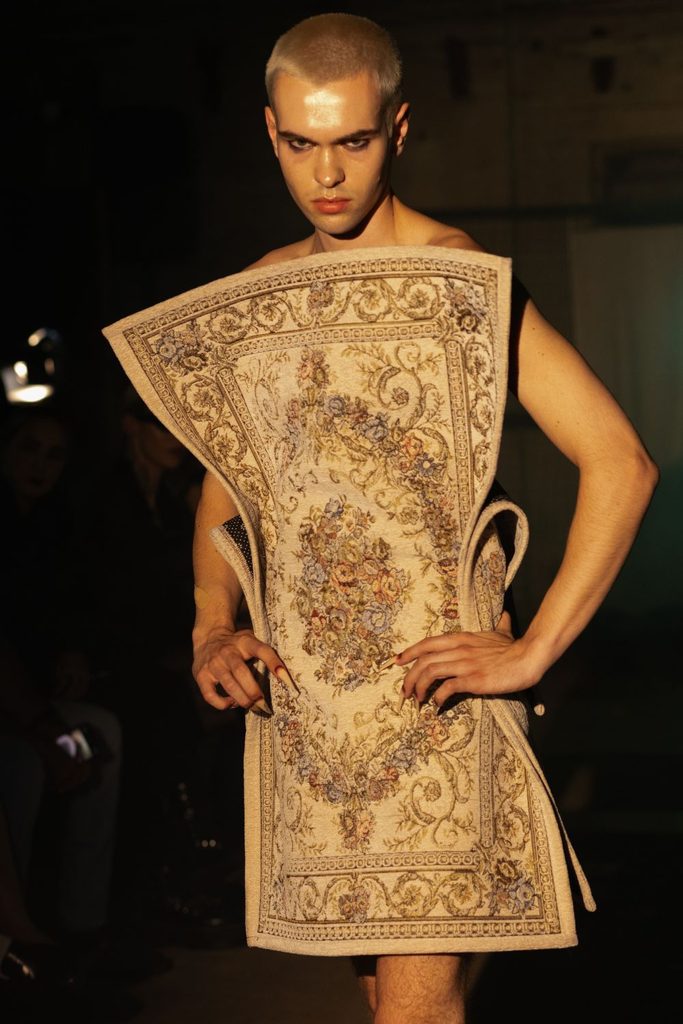
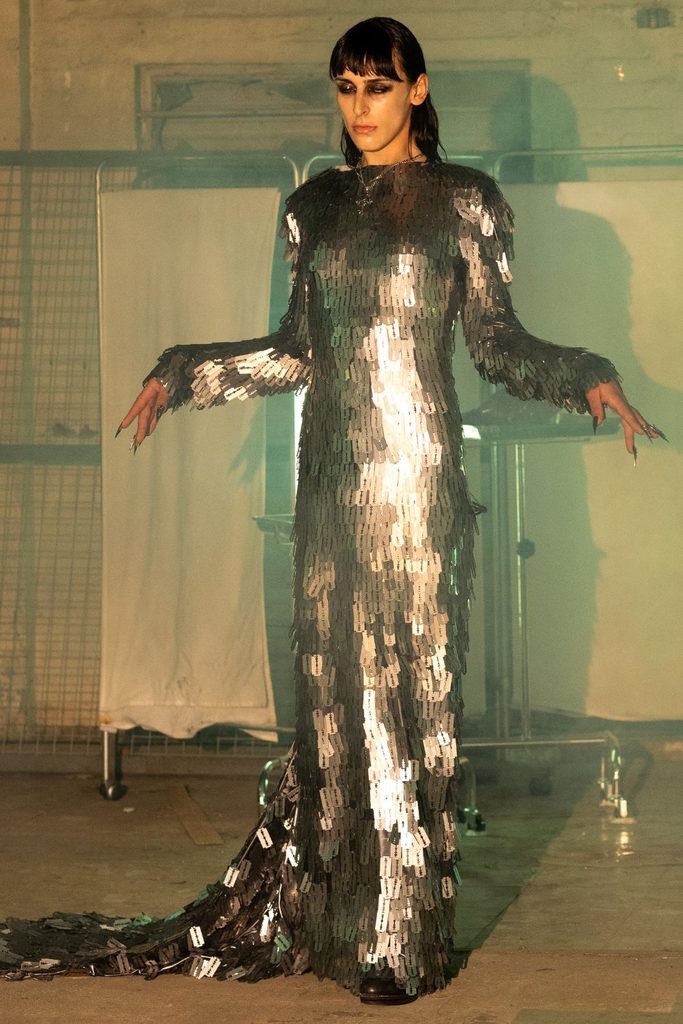
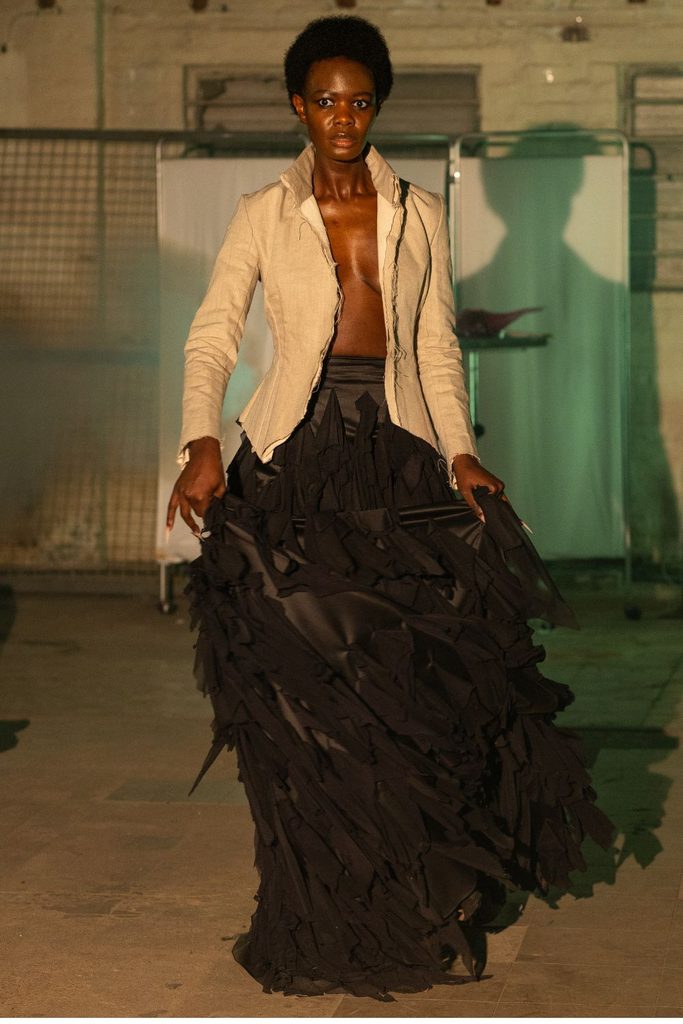
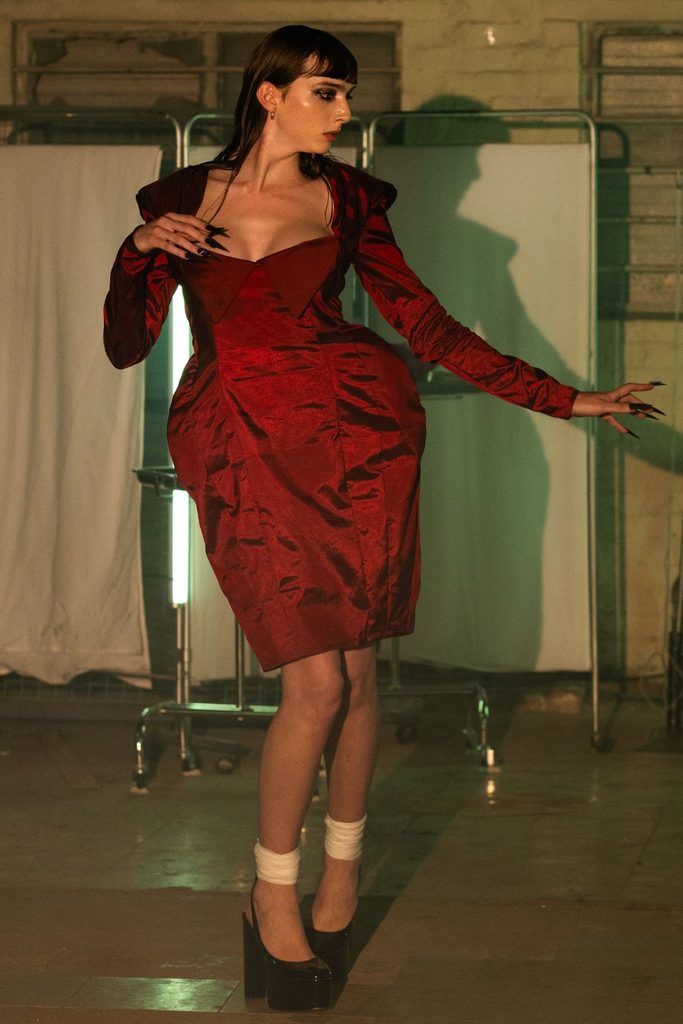
Brian De Carvalho - who has dressed the likes of Lady Gaga and featured on the cover of Vogue, all within his label’s first year - unveiled his second collection: a theatrical mirage of 18th Century aesthetics, reimagined through a distinctly queer lens. Blurring preconceptions around gender, pain and power, the show fused dramatic opulence with dark, edgy decay, as De Carvalho crafted an emotionally charged narrative using materials such as razorblades and latex.
Amid an experimental and politically charged graduate fashion week, De Carvalho demonstrates an alternative pathway for building a brand, crafting his label from the ground up through instinct, emotion and dedication. Catching up with De Carvalho moments after the show, the trailblazing designer reflects upon the political messaging behind his creative vision and his experiences navigating fashion from a fine-art background. Being self-taught in fashion and working with limited resources, his advice for starting out is invaluable to anyone with hunger and vision.
In what ways do your experiences, memories, and authenticity shine through in your designs, particularly as a queer designer?
The whole reason for me starting was me comparing the juxtaposition, I guess, between women in the 1800s; They were very restricted in many ways, you know, in terms of laws, in terms of what they could do professionally - In fact, they couldn't. And also physically, through corsetry. When I started my brand, I kind of found similarities in how they were physically, emotionally and politically restricted and myself as a queer creative in London. My parents initially weren't super open with me being openly gay and things like that so I kind of compared their restriction and mine and my brand was born out of that.
This kind of makes me think about how people, especially women, would dress as a man to blend into society to achieve their goals.
Yeah, exactly. I feel like I obviously I play a lot with gender, like a lot of the male models were in heels and nails and I kind of like to blend everything rather than having a stereotypical womenswear or stereotypical menswear. I guess that's also part of the reason why we only do one collection a year and have everyone in at once.
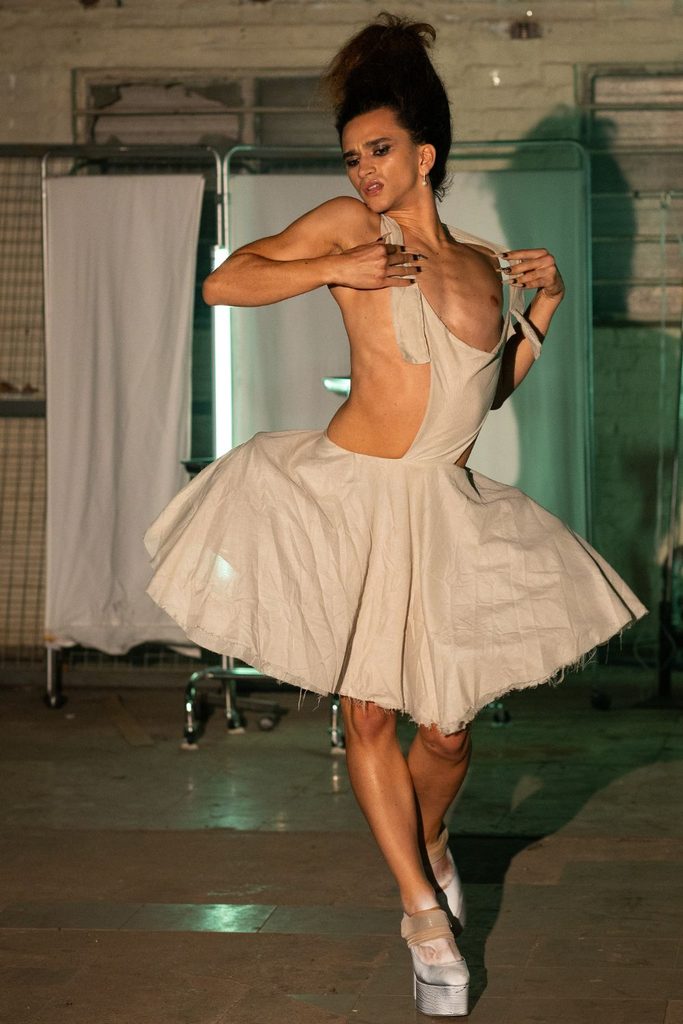
Can you tell me about your thoughts with the final look, particularly with the back tattoo?
For me it's important that we have representation, especially as of late; It's one of the main reasons why a lot of the models were Trans or queer in some way. The first time I did it I wasn't trying to be political; I wasn't trying to make a statement, It was just those were the models I wanted, those were the people around me and it's what made sense. Whereas doing it again, for a second year in a row, felt more heated and had a bit more weight behind it. But again, these are just the people I see around me, the people that I choose the platform and I don't see it as a huge statement even though unfortunately it is.
How do you intend for your clothes to make the wearer feel and how do you feel when you're wearing your designs?
Powerful, I hope! The idea is to make it so the person feels unprovoked and just daring and bold. I don't want people to shrink in my clothes, It's really important to me that people feel big and strong because that's the kind of people I dress so hopefully that's what they feel.
How does your fine art background influence your process as a designer?
I feel that I use a lot of unconventional materials. Even in this collection we used razor blades, we used paper, we used latex and sewed into it. I feel objectively speaking, I was taught to be a sculptor, a painter, you know… and I didn't learn garment construction; I didn't learn to think like a fashion designer so I very much find my career forces to be that of an artist rather than of your stereotypical fashion designer.
What have been your biggest challenges and the best highs in preparing for tonight's show?
Do we have the time, how much time do we have? Obviously, I'm a small brand - like a tiny, tiny brand. This is our second ever show and my most ambitious work yet, like we were making pieces literally until 20 minutes ago. There's the financial issue, there's the workload issue, there's the fact that I'm doing it literally all by myself. But I guess that's also part of the beauty because I get to do production, I get to do lights, I get to do sound and I get to control every single little thing because I have to do every single little thing.
Do you have any advice for graduates navigating London's fashion and creative scenes?
Run away! It's a lot, it's very intense, fashion is a very dog eat dog kind of world. Again, I have a fine art background; I wasn't trained in this, I wasn't taught this. I very much consider myself a lone designer and while that is amazing and super fun and freeing in a lot of ways, it's also quite lonesome and fashion doesn't necessarily have the tendency to welcome people in, which obviously, as you can tell, I have no issue with but it can just be kind of hard to find like-minded people.