


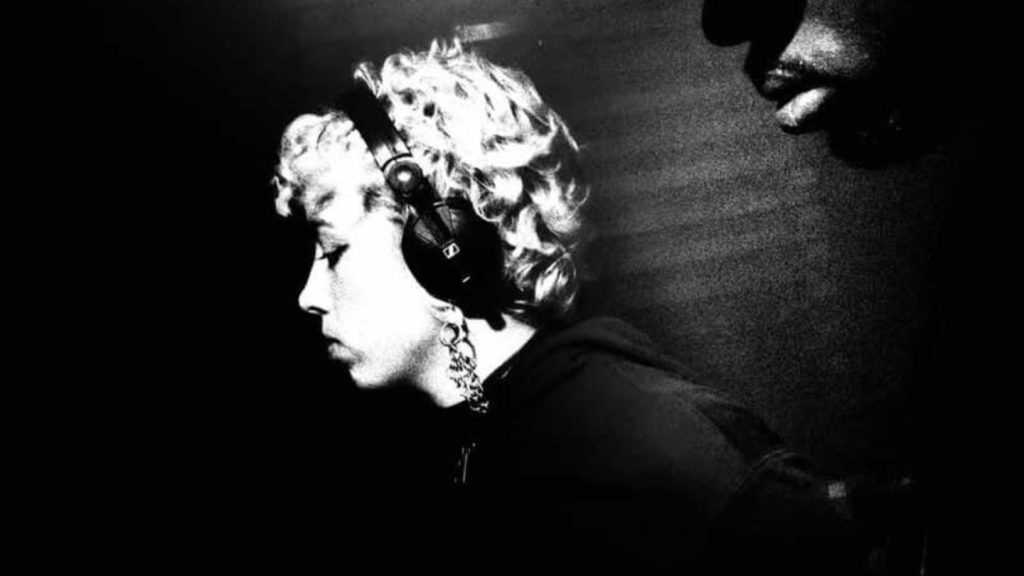
W & I: Theo Thompson
Some artists arrive at music through certainty. Others arrive through curiosity, hesitation and a series of unexpected turns. For Bristol based DJ and producer severine, the pathway has been anything but linear; “my journey in music has been such a zigzag.” Yet it is precisely this unpredictability that has shaped one of the UK underground’s most thoughtful emerging voices.
Standing at the forward edge of bass music, severine crafts immersive sonic worlds built from warped percussion, metallic textures and deep low end pressure. They move patiently live, almost meditatively, before unfolding into emotionally charged moments on the dancefloor. Genre defying without ever feeling disjointed. But behind the technical precision lies something equally striking. A clarity of thought and articulation that makes a conversation with severine feel less like an interview and more like a lesson in how culture evolves.
Long before clubs and festival lineups, music entered life for severine through classical training, singing and guitar, though performance itself never felt comfortable. “I had crazy stage fright, so performing was never the plan.” Instead, an early fascination lay in understanding how music functioned as an ecosystem. Discovering the role of A&R proved transformative: “I didn’t realise the music industry had all these roles behind the scenes. As soon as I heard about that, I knew that’s what I wanted to do.”
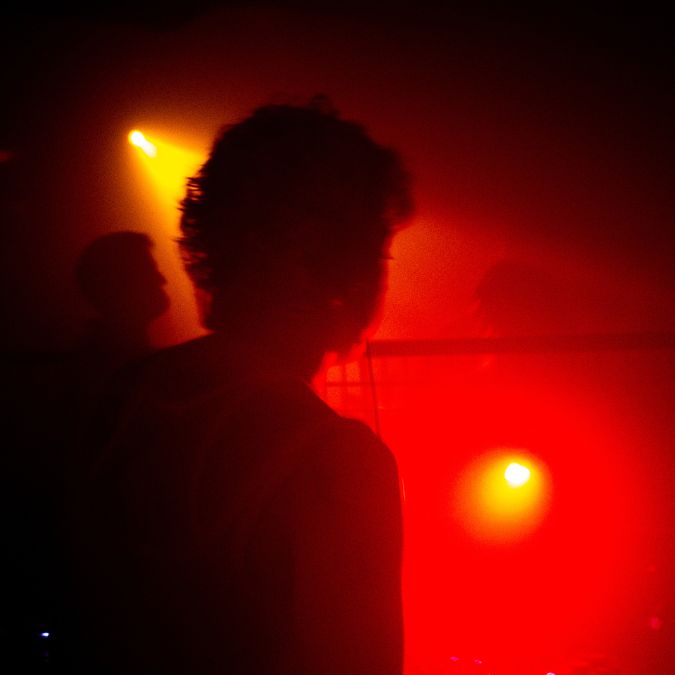
What followed was experimentation rather than destiny. University radio, DIY broadcasting and eventually co-founding grassroots station ‘WorkShopRadio’ in Bristol embedded them within a collaborative scene that would quietly define her trajectory. “That DIY radio station was the first project where I really met the Bristol scene,” she explains, a moment where participation turned into belonging. Geography, for severine, is inseparable from sound. A formative trip to Berlin introduced an eighteen year old severine to dance music’s emotional and sensory possibilities. “I basically saw colour for the first time,” she laughs, describing the experience as a revelation rather than a milestone. Yet it was Bristol that gave those discoveries shape. “The music I play now is still very Bristol-coded… you only realise how ‘Bristol’ something is when you leave.”
Severine’s philosophy is simple but profound: “You are just a matter of your inputs.” Scenes, people, cities and experiences become creative material. The sound she inhabits today; experimental bass informed by techno, dubstep and broken rhythms, emerged slowly through absorption. “I’ve covered a lot of different things… I’m often a bit of a sponge,” she says. Now, she adds, “the sound I’m on feels like me.”
Listening to severine speak what stands out is not only insight but ease. Complex structural critiques arrive casually, almost gently, revealing how industry pressures have become normalised realities for artists navigating contemporary music culture. She speaks openly about gender dynamics without dramatics or resentment, perhaps because as becomes clear, these experiences have simply been part of her environment. Early in her career, she recalls recognising tokenistic bookings immediately: “I knew I was a token booking. They didn’t even know what I played.” The impact was subtle yet lasting. “It made me feel like my output was less valuable.”

The striking element is how calmly she recounts this, as though describing weather rather than injustice. A reminder of how deeply such structures are embedded. Yet her response has not been withdrawal but agency. “I’m lucky now to be in the position to turn down gigs when things feel more mainstream,” she explains, prioritising artistic authenticity over visibility. For severine, the underground remains essential precisely because it allows this freedom. “Without the underground, the music industry would just be devoid of culture.” Creativity, she believes, thrives before profit stabilises it: “The most creative moments happen at those initial points.”
Her critique extends beyond gender into broader cultural conditions shaping dance music today. Nostalgia, she suggests, risks limiting imagination. “The idolisation of nostalgia feels strange and backwards,” she says, echoing an idea that contemporary culture struggles to imagine futures beyond capitalist repetition. “We lean toward nostalgia because the future feels uncertain.”
Commercial pressures intensify this tendency. “Dance music has become mainstream again, there’s a lot of money in it,” she notes. And with money comes predictability: “When capitalism gets involved, creativity starts dying.” Yet severine is far from pessimistic, with an outlook that remains resolutely constructive. Creativity is incremental: “You learn what’s been done before, and then you move the needle forward.”
That philosophy extends to club culture itself. Working within Bristol venues, she champions dialogue and education over punitive approaches to mistakes. “These things really do deserve a lot of conversation and learning.” Policies around representation and welfare are not symbolic gestures but structural commitments: “You have to have a certain amount of representation in your lineup, otherwise you’re not allowed in.”
severine’s evolving practice finds perhaps its clearest articulation in forma: an emerging club night and label concept that seeks to reconfigure not only how sound is experienced, but how space itself is collectively produced. forma operates as a living framework. A site where sonic experimentation, social intention and embodied presence converge. The ethos is succinct yet conceptually rich: “Objects shaped by force. Shapes created by pressure. Sound shaped by people.” Within this, the dancefloor is not passive but generative; a dynamic field in which bodies, sound systems and atmospheres co-construct meaning in real time.
Its collaboration in early May marked a significant evolution of this vision. Partnering with rut (SSSLIP & Beton Brut), the night produced a deliberate collision of textural experimentation and soundsystem intensity, inviting artists such as Syz (Label head of Vitalizm) and Small Crab into one of Bristol’s most intimate and stripped-back environments in. The Island. The decision to implement a no phones policy was not aesthetic posturing but a considered cultural intervention. It removed the mediating lens. It restored immediacy. In doing so, the dancefloor was reclaimed as a space of uninhibited expression.
Equally striking is forma’s commitment to accessibility, a principle often invoked yet rarely enacted with such clarity. By actively removing financial barriers, inviting those unable to afford entry to reach out or speak directly to door staff, the night reframed participation as a right rather than a privilege. This is not performative inclusivity. It is operationalised care. In a landscape where economic exclusion subtly shapes cultural participation, forma is intervening with quiet radicalism, redistributing access while maintaining artistic integrity.
In this sense, severine’s project extends beyond curation into cultural design. It challenges normative structures of nightlife while offering a tangible alternative. Thoughtful. Intentional. Necessary.
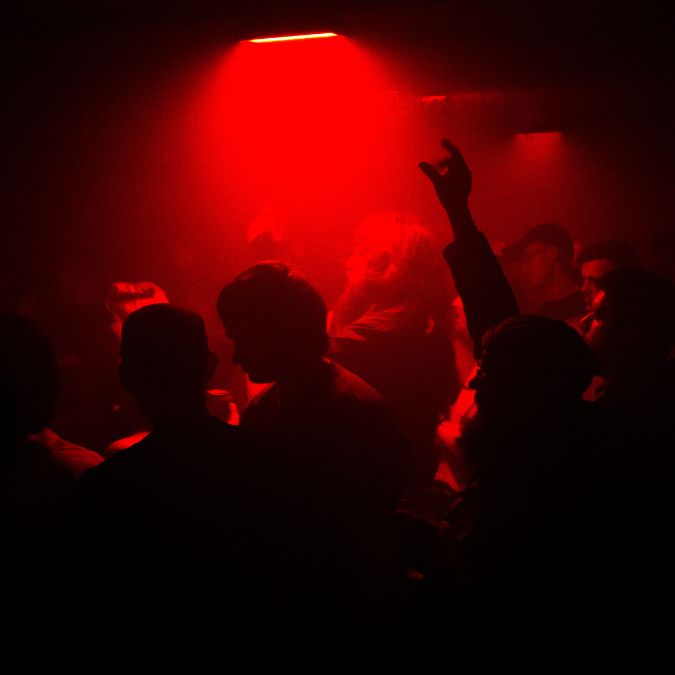
She speaks proudly of environments that prioritise care; spaces that “protect the queer scene” and foreground wellbeing. In contrast to romanticised visions of rave history, she argues today’s culture may in fact be more progressive: “We idolise the past, but this element of protection wasn’t as prevalent before.”
Amid critique and ambition severine’s reflections return repeatedly to growth, particularly an evolving personal relationship with creativity itself. Despite years of musical experience and a background in neuroscience, she once doubted her artistic legitimacy. “I didn’t see myself as a creative person until like a year ago.” The shift came through learning that experimentation, whether scientific or musical, follows the same logic: curiosity, failure, iteration. “Science itself is creative.” Now stepping further into production, launching projects, and shaping severine’s own platforms, she describes a quieter transformation: “It was like being scared of doing what I actually wanted to do… now I’m pushing for that.”
Toward the end of our conversation, she reflects on success not as scale or recognition, but presence. “The goalposts are always being moved,” she says thoughtfully. “I am doing the things I always wanted to do.”
It is here the narrative folds back on itself. Asked what a younger self might think now, she pauses before smiling: pride, perhaps and relief. Learning, she says, to “actually enjoy it as you’re doing it,” rather than constantly chasing the next milestone.
In many ways, that younger version; unsure, curious, searching, still exists within severine’s work. Each set, each experiment, each conversation pushes slightly forward, never settling, always questioning. Because for severine, music is not about arriving somewhere fixed. It is about movement. Cultural, personal, collective. The quiet but radical act of continuing to imagine what comes next.